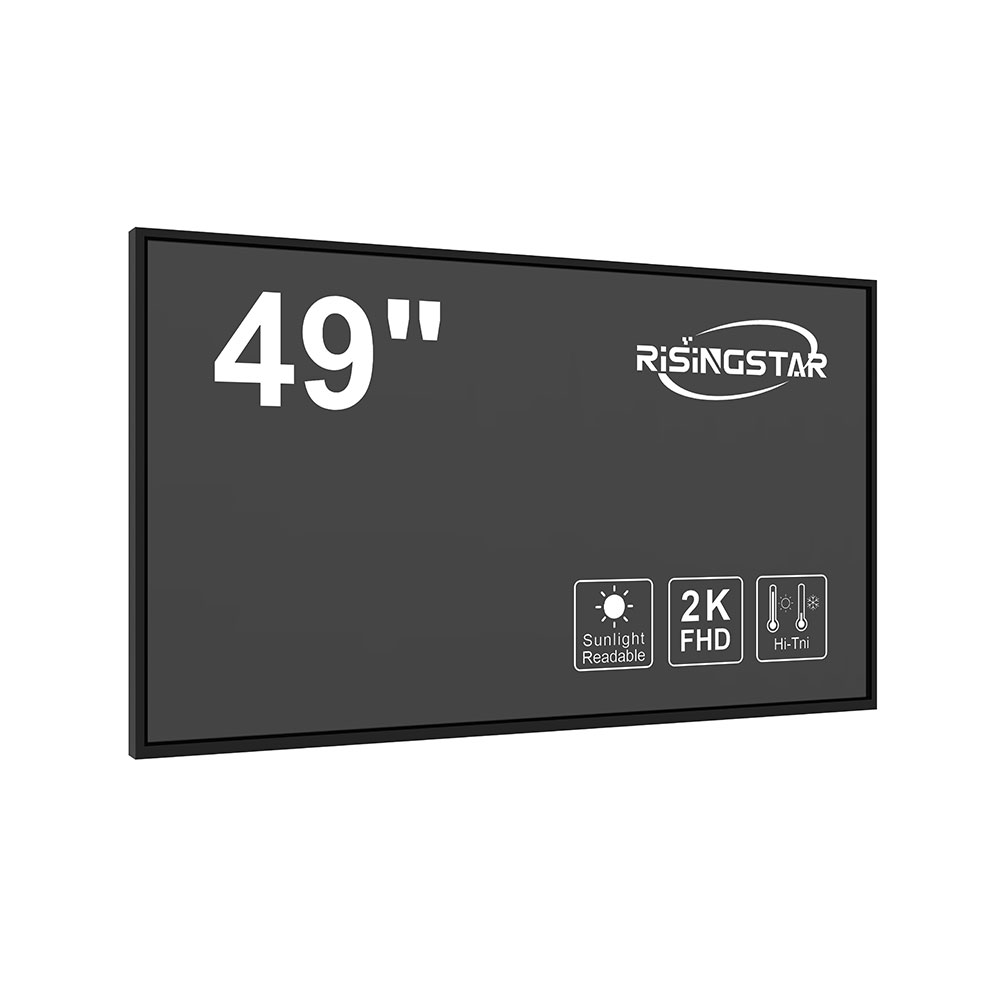
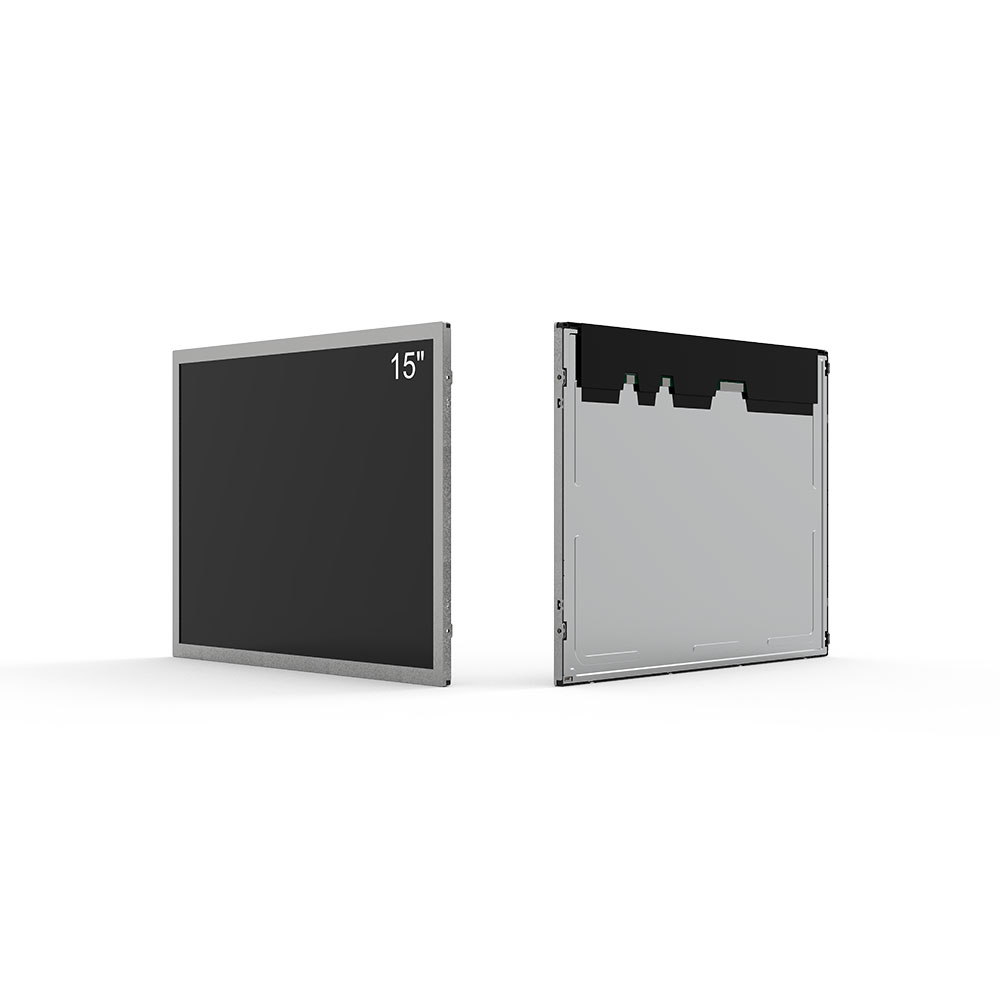
Selecting the appropriate LCD display for industrial applications requires a comprehensive understanding of environmental conditions, operational demands, and long-term reliability. Unlike consumer-grade displays, industrial LCDs must withstand extreme temperatures, vibration, humidity, and continuous operation in demanding environments such as manufacturing plants, medical equipment, and automotive systems.
First, evaluate the operating temperature range. Industrial-grade LCDs typically support -40°C to +85°C, whereas commercial displays often function only between 0°C and 50°C. For example, a display used in an outdoor traffic control system must remain functional in both sub-zero winter conditions and summer heatwaves.
Second, consider brightness and contrast ratio. High-brightness panels (3,000 cd/m² or higher) are essential in outdoor or high-glare environments. According to the IPC-610 standard, industrial displays must maintain readability under direct sunlight, which mandates superior luminance and anti-glare coatings.
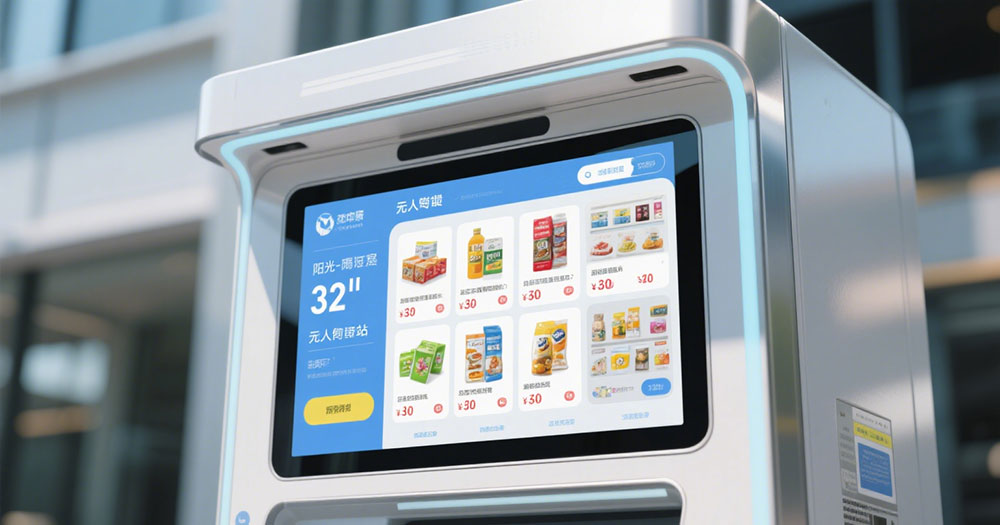
Third, assess mechanical durability. Vibration resistance is critical—look for displays with shock absorption design (e.g., IP65-rated enclosures) and solid-state mounting options. A case study from Siemens revealed that industrial displays with reinforced bezels and MIL-STD-810G compliance experienced 70% fewer field failures compared to non-certified units.
Fourth, examine power efficiency and longevity. Energy-efficient panels (e.g., LED-backlit with PWM dimming) reduce thermal stress and extend service life. Many manufacturers now provide MTBF (Mean Time Between Failures) ratings of over 100,000 hours—a key metric for mission-critical systems like oil rig controls or factory automation.
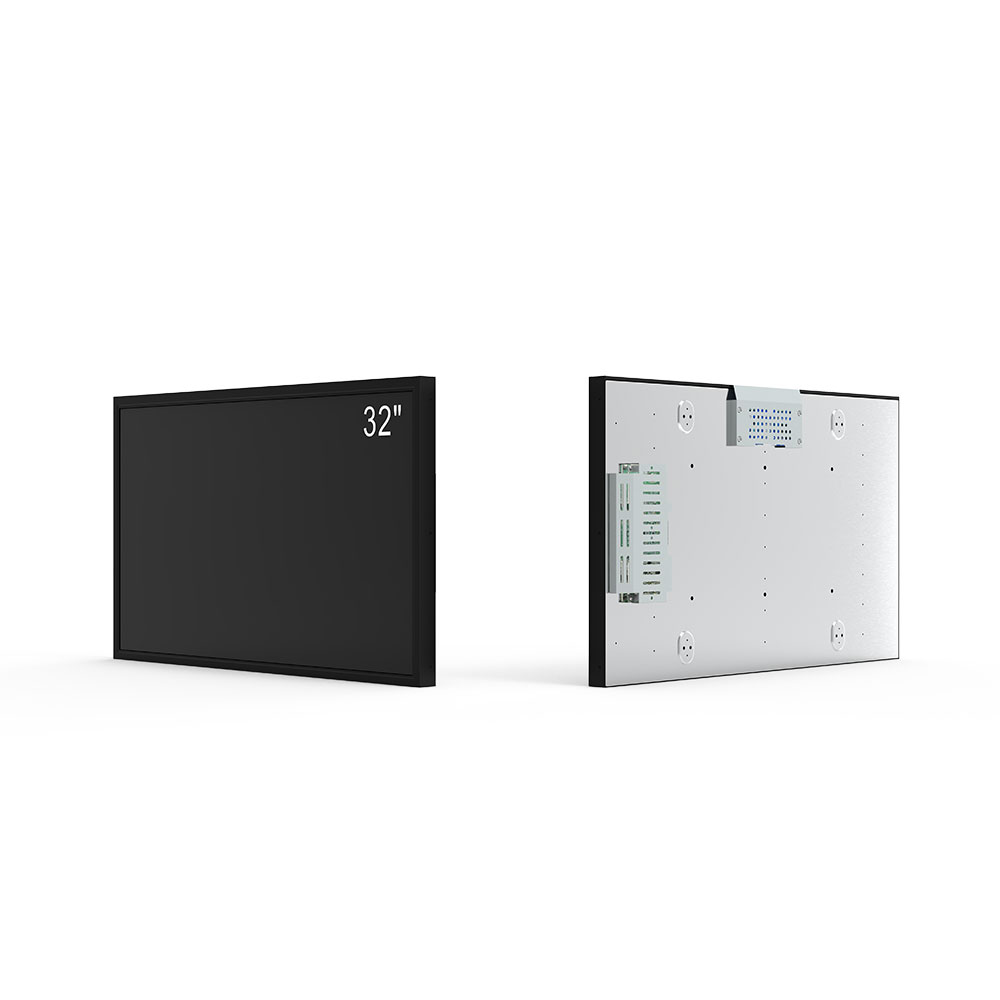
Finally, ensure compatibility with existing systems. Industrial displays should support standardized interfaces such as LVDS, MIPI DSI, or HDMI, and offer customizable firmware for integration into SCADA or PLC-based architectures.
By prioritizing these factors—temperature resilience, brightness, mechanical robustness, power efficiency, and interface flexibility—you can select an LCD display that ensures optimal performance and minimal downtime across diverse industrial sectors.