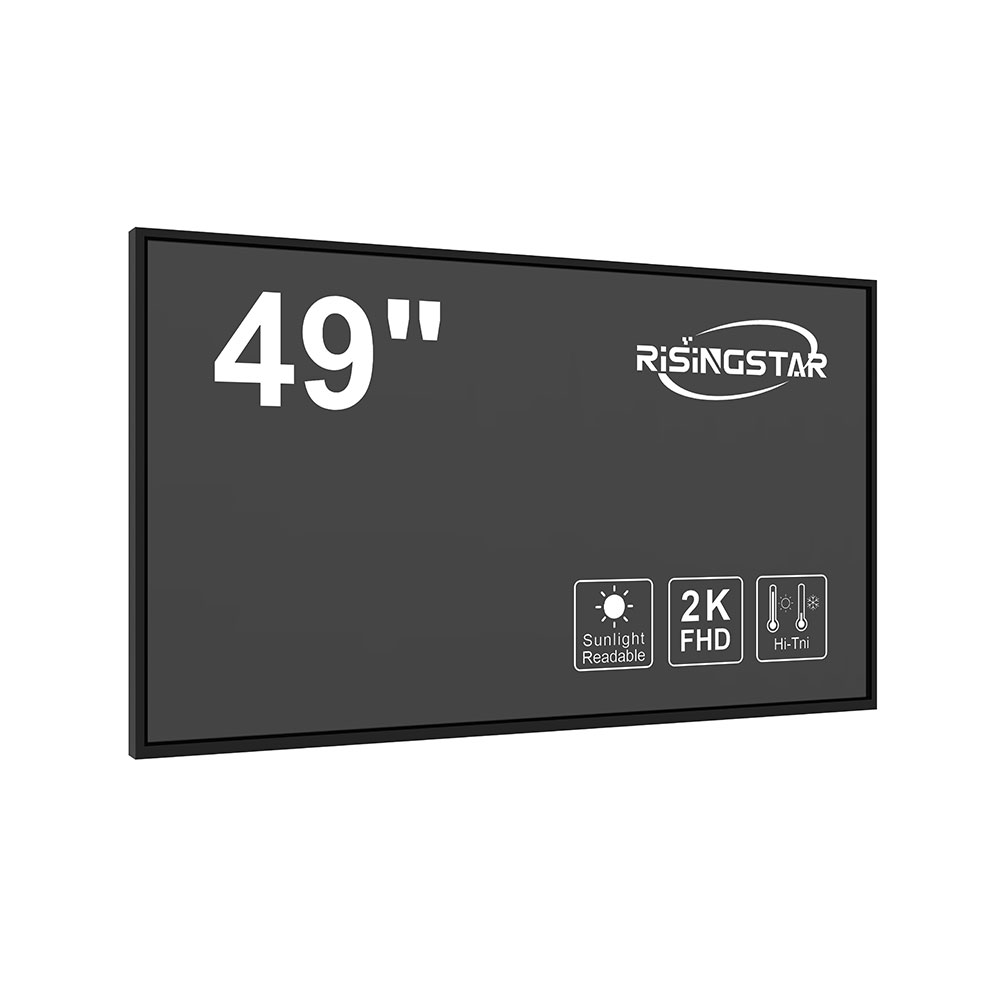
In today’s rapidly evolving digital landscape, the 16:9 aspect ratio has become the dominant standard for most display technologies—from portable devices to large-scale commercial monitors. This widescreen format offers optimal compatibility with high-definition content such as HD (720p), Full HD (1080p), and even 4K Ultra HD video streams, making it the preferred choice across consumer electronics, enterprise displays, and industrial applications.
Common screen sizes that adhere to the 16:9 ratio include 10.1", 13.3", 15.6", 18.5", 21.5", 23.8", 27", 32", 43", 46", 49", 55", 65", 75", 86", 98", and 110". These dimensions cater to a wide range of use cases: from compact laptops and tablets (10.1"–15.6") to desktop monitors (21.5"–32"), and large-format displays used in retail, education, and control rooms (43"–110").
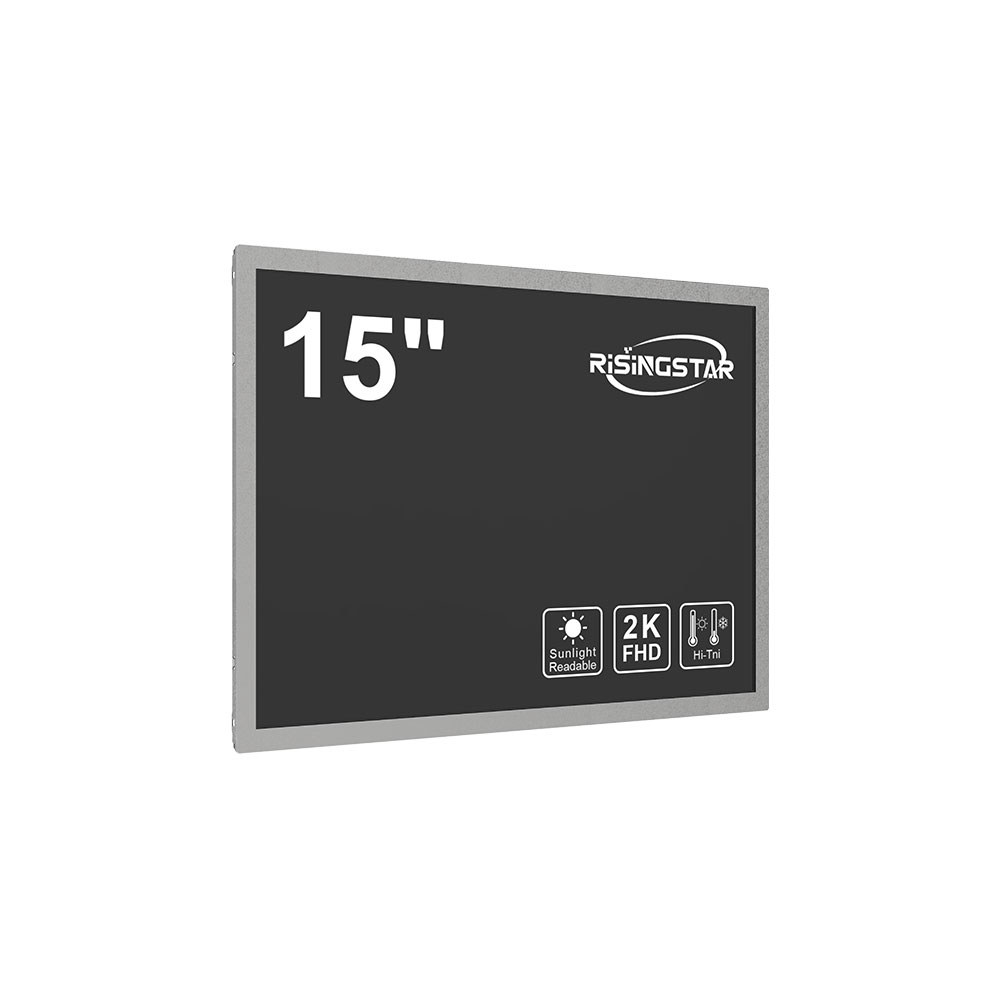
For instance, a 23.8" 16:9 monitor is ideal for productivity tasks due to its balanced resolution of 1920x1080, while a 55" or larger 16:9 TV delivers cinematic immersion for home entertainment. In professional environments, 43" and 49" displays often serve as digital signage or dashboard panels, offering clarity at a distance. The consistent 16:9 geometry ensures uniform image scaling across platforms—no black bars when playing movies on a laptop or projecting presentations on a wall-mounted screen.
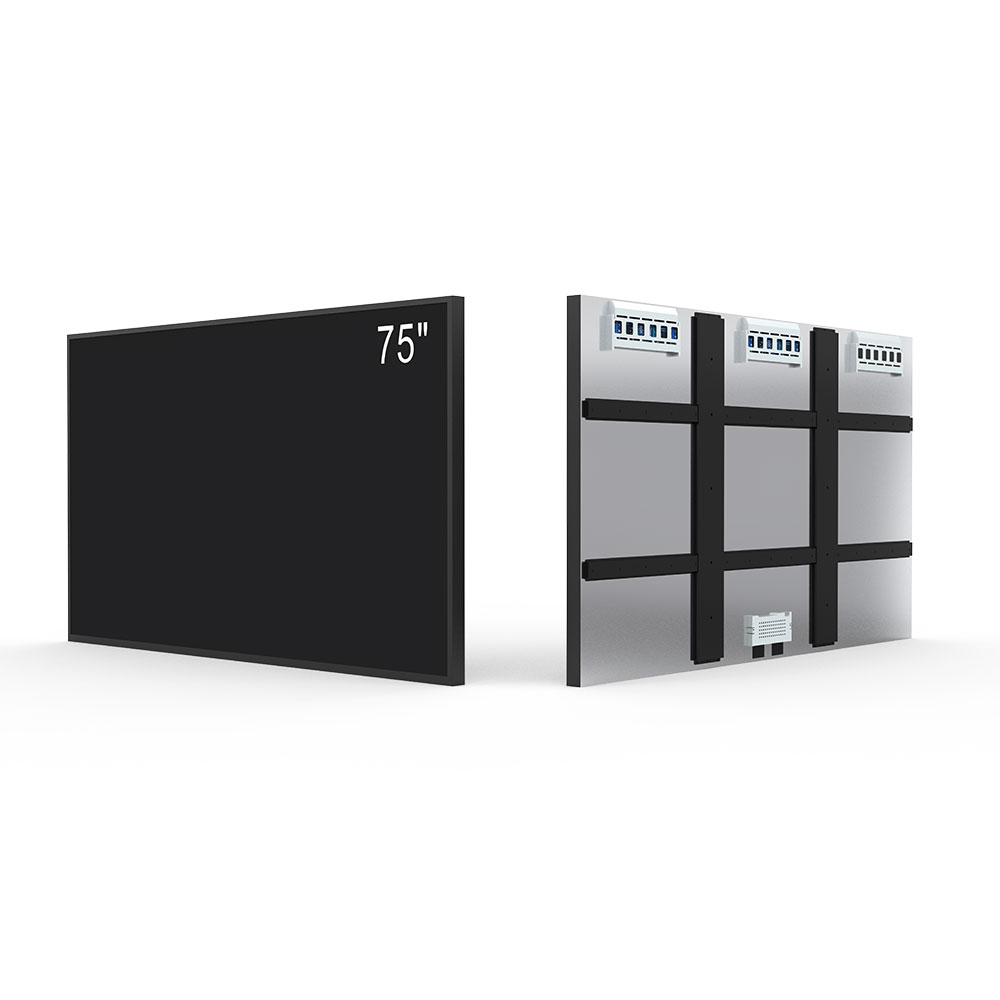
Manufacturers like LG, Dell, Samsung, and Lenovo have standardized production around this ratio, enabling cost-effective mass production and universal software compatibility. According to the International Electrotechnical Commission (IEC), the 16:9 format was officially adopted in 2004 for HDTV broadcasting, reinforcing its status as the global norm.
Environmental testing by industry leaders also confirms that 16:9 displays perform consistently under various lighting conditions, with minimal glare distortion—a critical factor in office and outdoor settings. User reviews from TechRadar, PCMag, and DisplayMate highlight superior color accuracy and viewing angles in 16:9 LCDs compared to older 4:3 models.
Whether you're choosing a new laptop, setting up a smart classroom, or designing an interactive kiosk, selecting a 16:9 display ensures future-proof performance, better multimedia integration, and enhanced user experience across all major screen sizes.