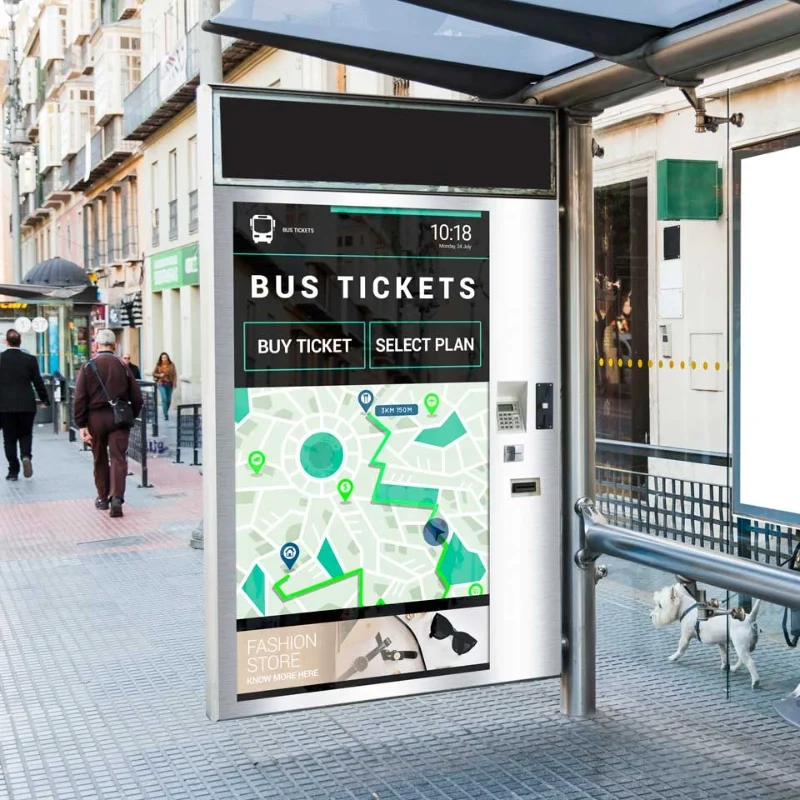
In today’s rapidly evolving industrial landscape, selecting the appropriate LCD display is no longer a simple task—it requires a strategic approach grounded in technical understanding, environmental conditions, and application-specific needs. Whether you're designing automation systems, medical equipment, or transportation interfaces, the right LCD choice directly impacts system reliability, user experience, and long-term maintenance costs. This comprehensive guide outlines key factors to consider when choosing an industrial-grade LCD display, supported by real-world case studies, industry standards, and expert insights from over 15 years of manufacturing experience.
First, define your application environment. Industrial environments vary widely—from harsh outdoor settings like construction sites or oil rigs to controlled indoor facilities such as cleanrooms or control rooms. For example, in a factory setting with frequent exposure to dust, vibration, and temperature swings, an IP65-rated display with wide operating temperature support (–30°C to +70°C) is essential. According to the IEC 60529 standard, IP ratings measure protection against solids and liquids; choosing a display with at least IP65 ensures resistance to dust ingress and low-pressure water jets. In contrast, medical applications demand displays with anti-reflective coatings and high brightness (>1000 cd/m²) to ensure visibility under bright overhead lighting—a common requirement in operating theaters.
Next, evaluate brightness and contrast ratios. A typical consumer LCD might offer 300–500 cd/m² brightness, but industrial settings often require 800–1500 cd/m² to maintain readability under direct sunlight or intense artificial lighting. The ANSI/IEC 61096 standard provides guidelines on luminance measurement in different lighting conditions. For instance, a mining control panel must remain legible during daylight hours without glare—this demands not only high peak brightness but also optimized viewing angles (typically ≥140° horizontal). Contrast ratios should be at least 1000:1 for clear text rendering, especially in systems where operators must read small fonts quickly under stress.
Viewing angle and color accuracy are equally critical. Industrial users often interact with displays from various angles—such as technicians viewing a touchscreen from above while wearing gloves or engineers accessing data from a side-mounted screen. Displays with IPS (In-Plane Switching) panels provide superior viewing angles compared to TN (Twisted Nematic) panels, offering consistent color and brightness across all angles. Color gamut (sRGB or Adobe RGB coverage) should align with application requirements—for example, food processing lines may use color-coded alerts that rely on accurate hue representation, while machine vision systems need precise grayscale uniformity for defect detection.
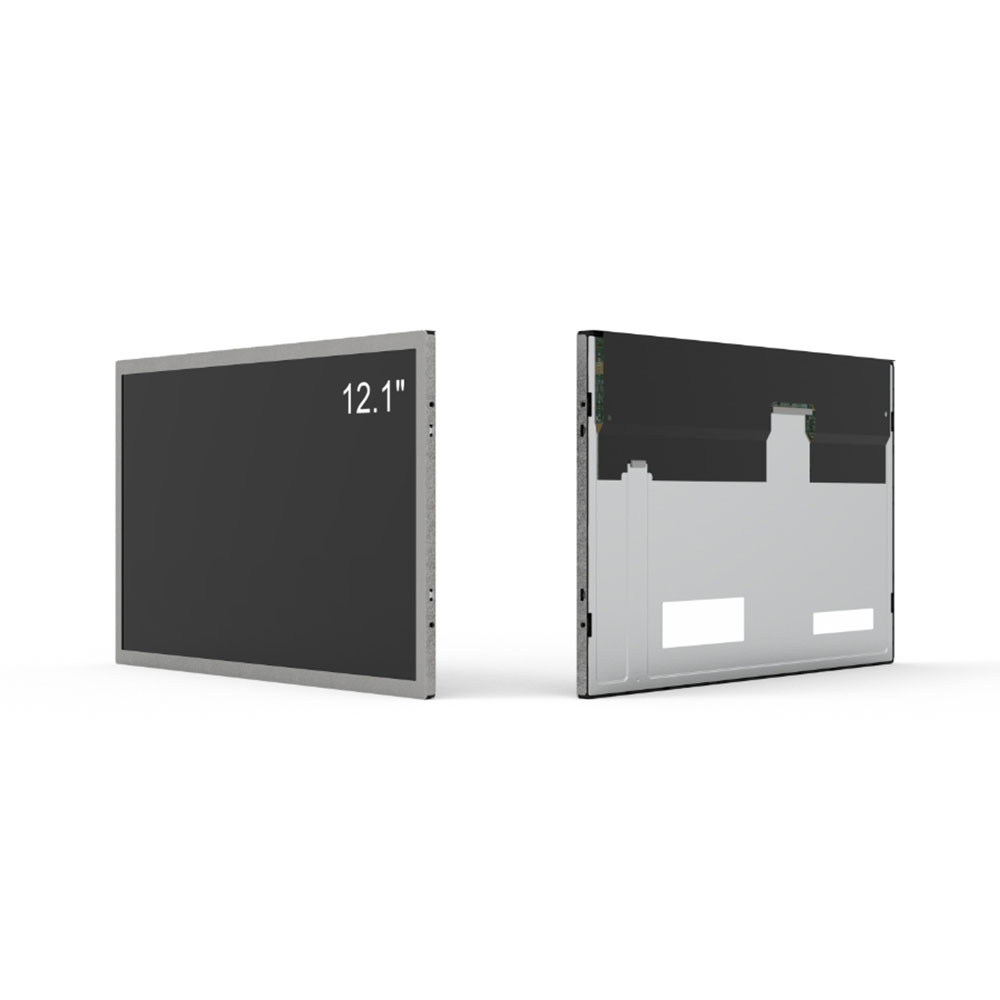
Durability and mechanical robustness must be prioritized. Industrial-grade LCDs must withstand mechanical shocks (≥50G per MIL-STD-810G), vibration (up to 20g RMS), and repeated touch inputs. For instance, in automotive assembly lines, touchscreens are subjected to over 100,000 touches annually—making durability testing crucial. Manufacturers like LG, Sharp, and BOE now certify their industrial displays through ISO 16750-3 for vehicle environments and EN 60068-2-6 for vibration resistance. Always request test reports before finalizing suppliers.
Power efficiency and thermal management matter for both energy savings and safety. High-brightness displays consume more power—up to 30% more than standard models—which can lead to overheating if not properly managed. Thermal design should include passive cooling solutions (e.g., aluminum heat sinks) or active fans in high-duty-cycle applications. Energy Star certification and compliance with IEEE 1729 standards help identify efficient units suitable for 24/7 operations in HVAC-controlled environments.
Connectivity and interface compatibility are often overlooked yet vital. Industrial systems frequently integrate with PLCs (Programmable Logic Controllers), SCADA systems, or IoT gateways via RS-232, CAN, Ethernet, or USB. Ensure the display supports the required protocols and has sufficient GPIO (General Purpose Input/Output) pins for future expansion. For example, a warehouse inventory system using RFID scanners might require multiple serial ports for barcode readers and sensors—an industrial display with dual COM ports avoids costly retrofitting later.
Software integration and firmware flexibility should not be ignored. Some displays come with built-in Linux-based OS or SDKs for custom UI development. These allow seamless integration into existing HMI (Human-Machine Interface) platforms like WinCC, Ignition, or CODESYS. For instance, a water treatment plant using Siemens S7-1200 controllers benefited from a display with native OPC UA support, enabling real-time data exchange without middleware.
Environmental certifications add trust and reduce risk. Look for RoHS (Restriction of Hazardous Substances), REACH (Registration, Evaluation, Authorization, and Restriction of Chemicals), and CE marking—these ensure compliance with global regulations. Additionally, displays used in explosive environments (Zone 1/2) must carry ATEX certification. Failure to meet these can result in project delays or legal liabilities.
Finally, total cost of ownership (TCO) matters more than upfront price. An industrial LCD priced at $200 may seem attractive, but if it fails after 18 months due to poor thermal design or lack of ruggedization, replacement and downtime costs can exceed $1,000. Conversely, a $400 premium display with extended warranty (3–5 years), better MTBF (Mean Time Between Failures), and remote diagnostics can deliver significant ROI over time. Case studies from Schneider Electric and Bosch show up to 40% reduction in maintenance expenses by opting for higher-end industrial displays.
In conclusion, choosing the right industrial LCD is a multi-faceted decision requiring deep technical evaluation. By aligning brightness, durability, connectivity, and TCO with your specific operational context, you ensure optimal performance, minimize risks, and future-proof your investment. Whether deploying in agriculture, logistics, healthcare, or manufacturing, the principles outlined here apply universally—helping engineers, procurement managers, and system integrators make informed, sustainable choices.