
When selecting an LCD display for industrial equipment applications, overseas manufacturers and distributors must prioritize durability, clarity, and compatibility with harsh operating environments. Unlike consumer-grade displays, industrial LCDs are subjected to extreme temperatures, vibration, dust, and humidity—conditions that demand specialized engineering and rigorous testing. A key factor in choosing the right display is understanding the application’s environmental requirements. For example, a display used in outdoor construction machinery must meet IP65 or higher ingress protection standards, while one in a factory automation system may require wide viewing angles and high brightness (typically 1000 cd/m² or more) for readability under bright lighting.
Another critical consideration is the display's operational lifespan and reliability. Industrial-grade LCDs often use TN or IPS panel technologies, with IPS offering superior color accuracy and wider viewing angles, making it ideal for control panels and diagnostic interfaces. Manufacturers should look for displays certified to MIL-STD-810G for shock and vibration resistance, ensuring long-term performance in mobile or dynamic environments. Additionally, compatibility with existing control systems—such as RS-232, SPI, or LVDS interfaces—is essential to avoid costly integration delays.
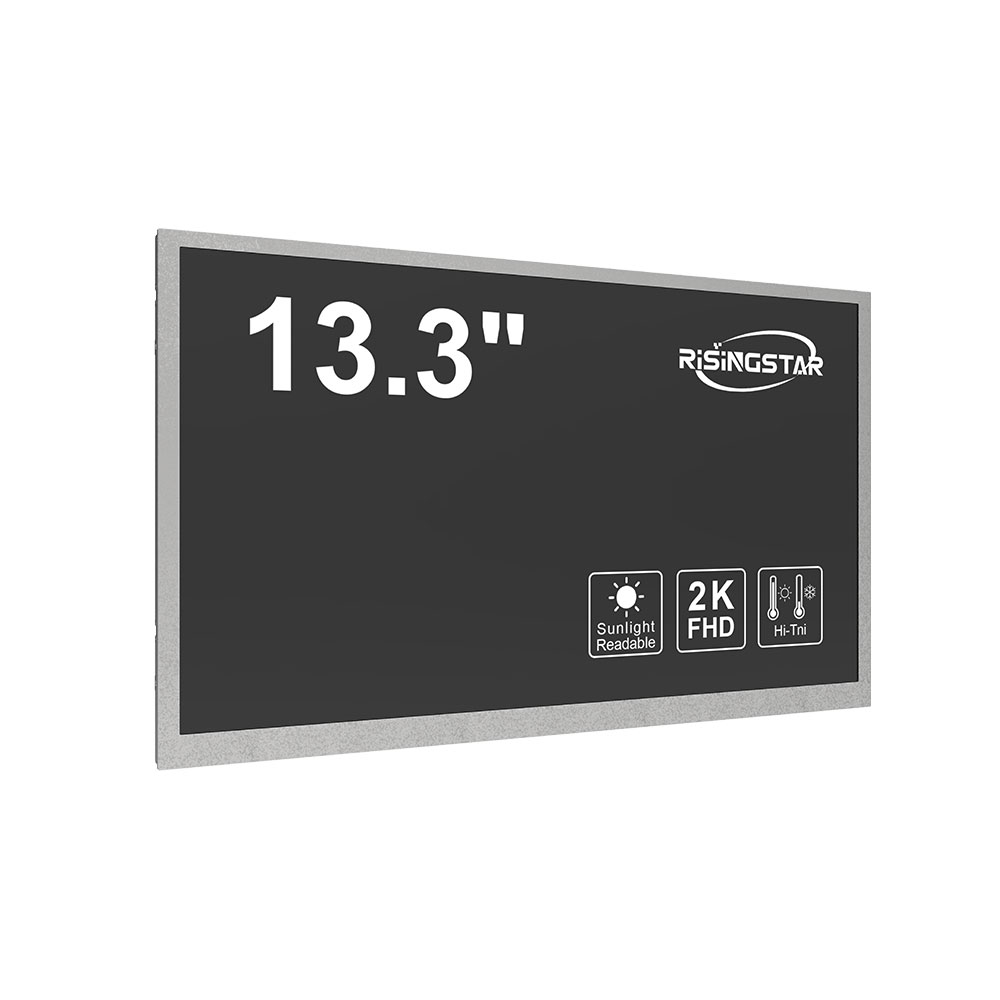
For overseas distributors, sourcing from reputable suppliers like AU Optronics, LG Display, or BOE Technology ensures access to quality assurance, technical support, and compliance with international standards such as RoHS and CE. Recent case studies from the automotive and medical device sectors show that using displays rated for -30°C to +70°C operation significantly reduces field failures in extreme climates. Moreover, energy efficiency matters—low-power LCDs with integrated backlight dimming can reduce overall system power consumption by up to 25%, which is crucial for battery-powered or portable industrial tools.
In summary, successful selection hinges on balancing technical specs with real-world usage conditions. Whether designing a new machine or upgrading legacy equipment, partnering with experienced display providers and validating performance through environmental stress tests (like thermal cycling or humidity exposure) will ensure both product longevity and customer satisfaction.