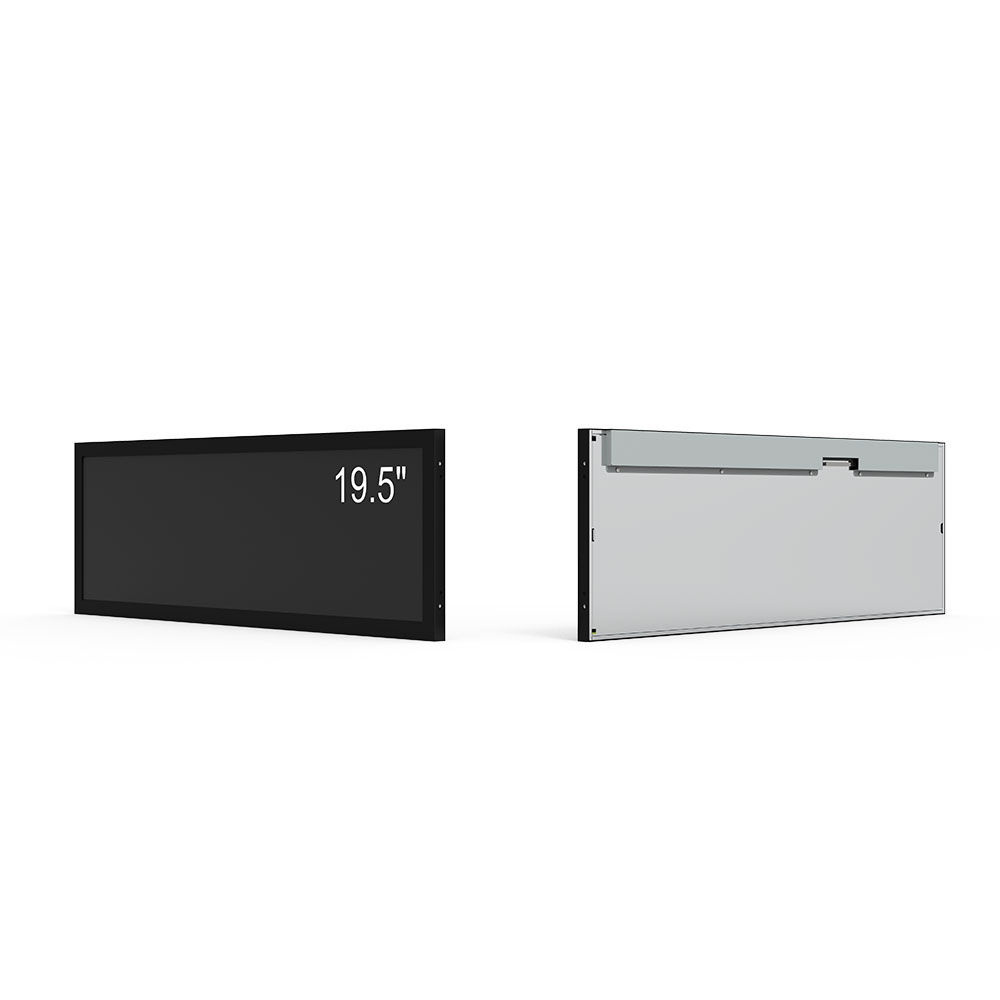
LCD (Liquid Crystal Display) technology continues to be a cornerstone of modern visual interfaces, powering everything from smartphones and laptops to automotive dashboards and industrial control panels. Despite the rise of OLED and micro-LED displays, LCD remains dominant due to its cost-effectiveness, energy efficiency, and mature manufacturing ecosystem.
One of the most practical applications of LCDs is in the automotive sector, where they are used for digital instrument clusters and infotainment systems. For example, Tesla’s Model 3 uses a high-resolution LCD dashboard that integrates navigation, vehicle diagnostics, and climate controls into one intuitive interface. In medical devices such as ultrasound machines and patient monitors, LCDs offer high contrast ratios and accurate color reproduction—critical for diagnostic accuracy.
The advantages of LCDs are well documented. They consume less power than older CRT displays and are significantly more compact. Advances in LED backlighting have further reduced energy consumption while improving brightness uniformity. According to a 2023 report by MarketsandMarkets, the global LCD market is expected to grow at a CAGR of 4.8% through 2028, driven by demand in consumer electronics, healthcare, and smart infrastructure.
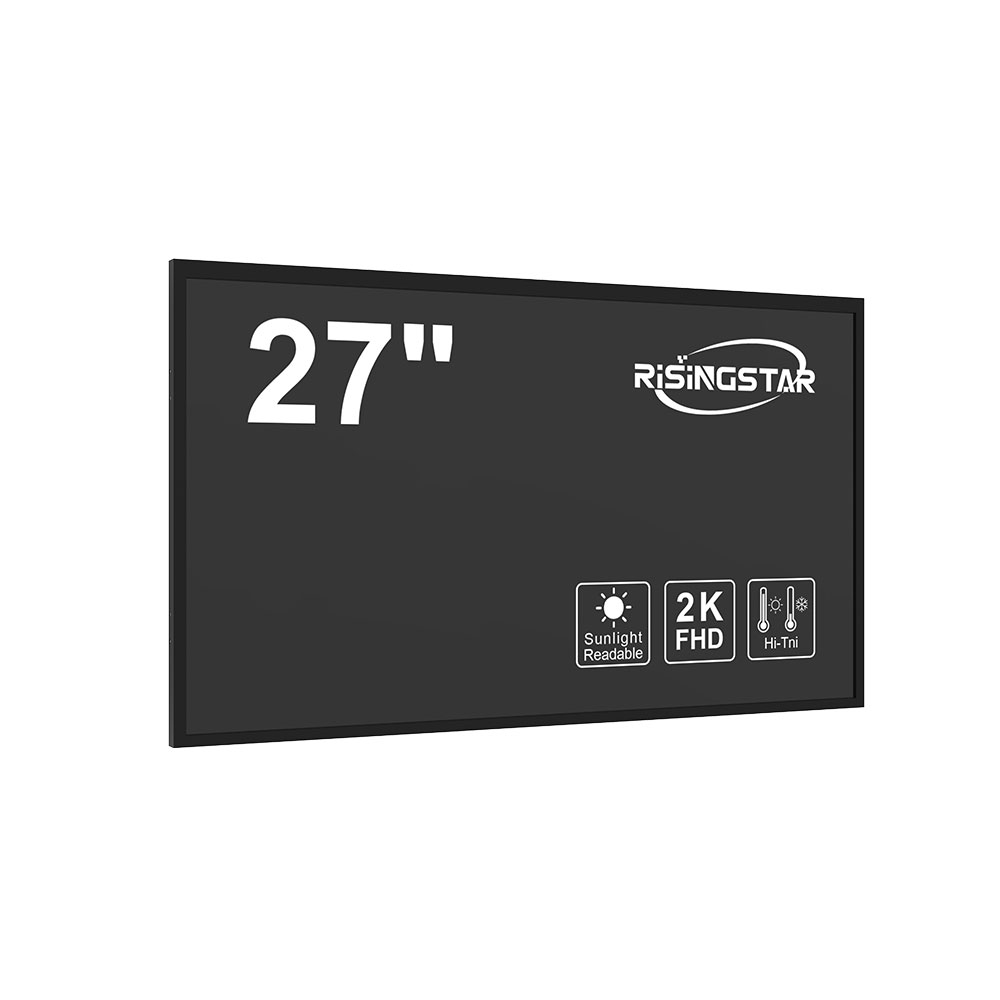
However, common problems persist. One frequent issue is backlight bleed, where light leaks around the edges of the screen, especially noticeable in dark scenes. Another challenge is limited viewing angles—older TN (Twisted Nematic) panels exhibit color distortion when viewed off-axis. To address this, manufacturers now use IPS (In-Plane Switching) and VA (Vertical Alignment) technologies, which provide wider viewing angles and better color consistency.
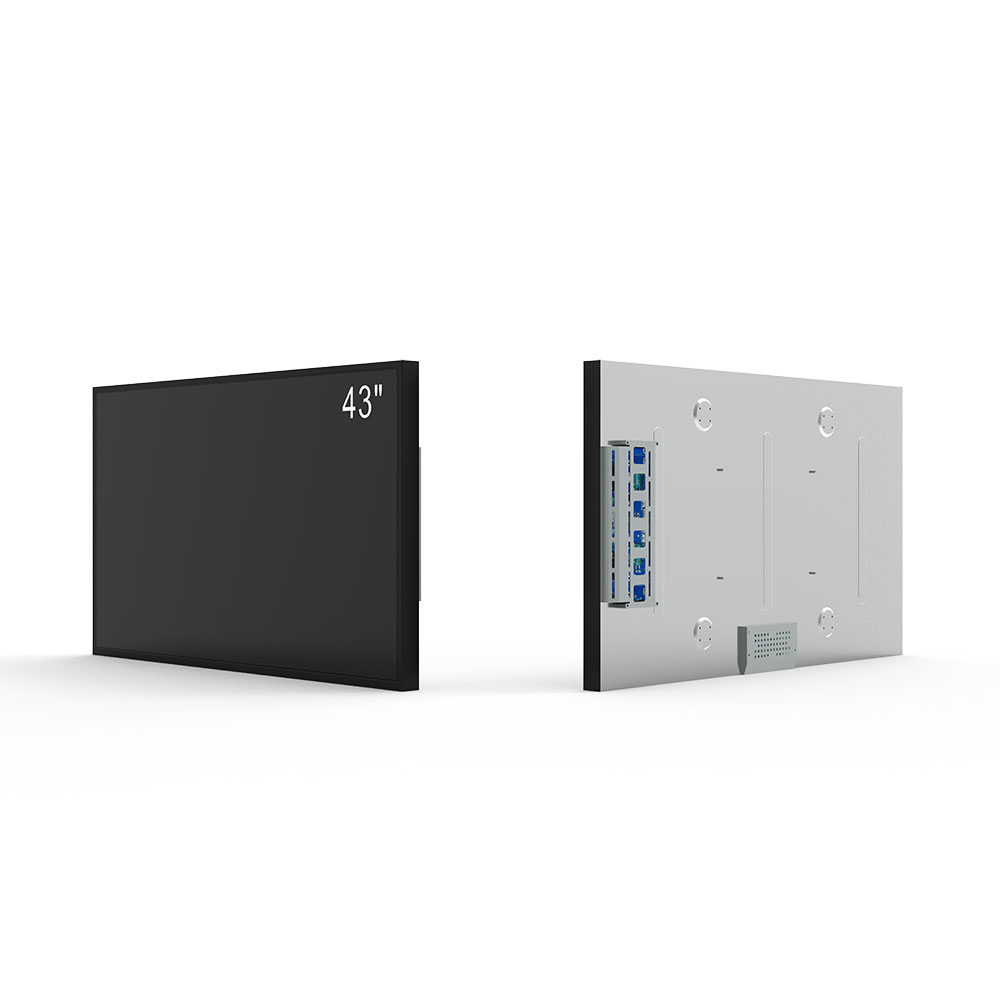
Recent trends show a shift toward Mini-LED backlit LCDs, which combine the benefits of traditional LCDs with improved local dimming and contrast ratios. Companies like Apple and Samsung have adopted Mini-LED in premium tablets and monitors, offering performance closer to OLED without the burn-in risk. Additionally, advancements in flexible LCD substrates are enabling bendable displays in wearables and foldable phones, pushing the boundaries of form factor innovation.
For businesses and consumers alike, understanding LCD’s evolving capabilities is essential. Whether deploying large-scale displays in retail environments or choosing a new laptop screen, knowing the differences between panel types, brightness levels, and environmental durability ensures optimal performance and longevity.