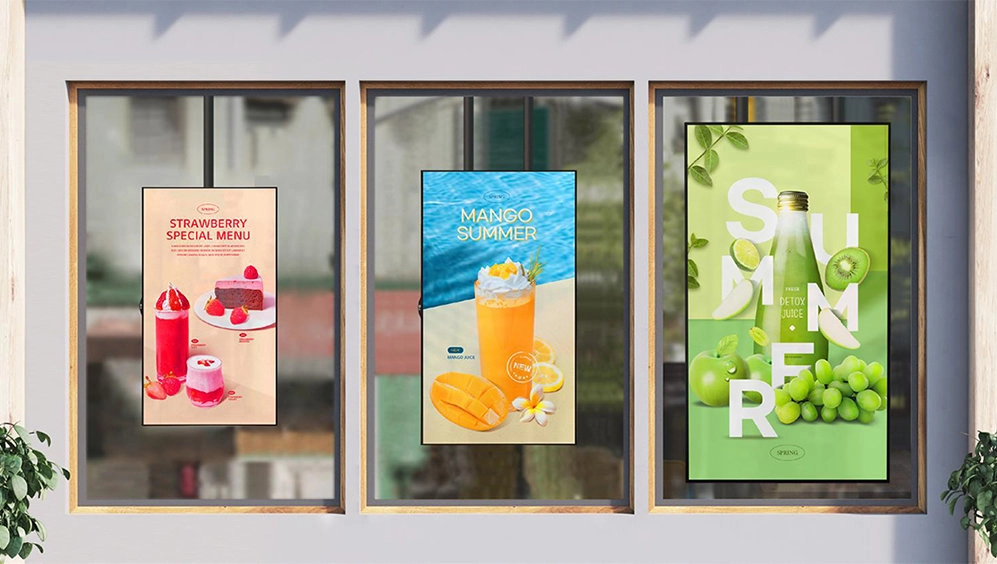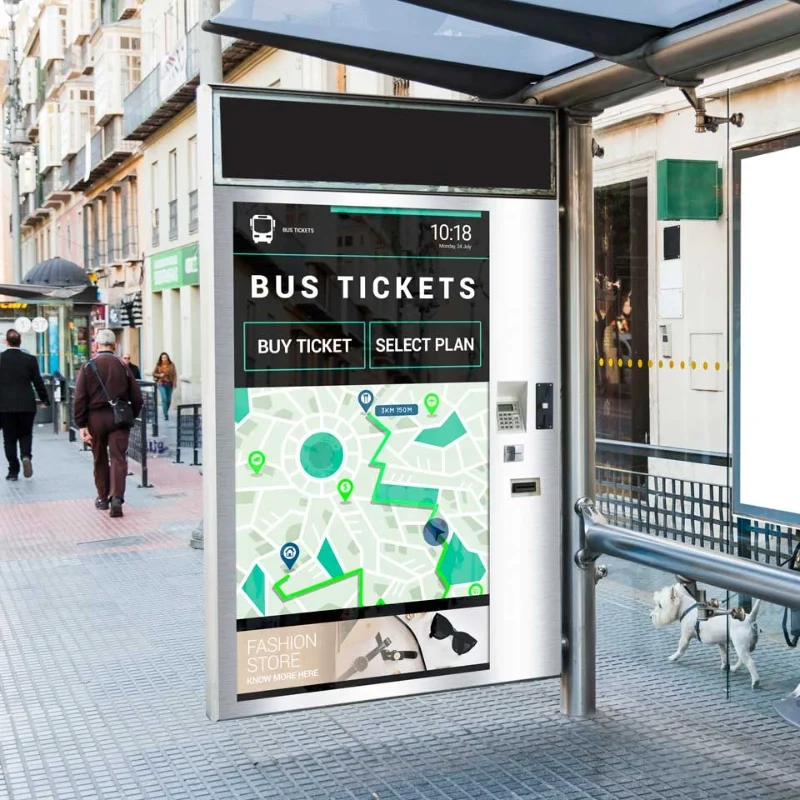
Selecting the appropriate LCD panel for industrial applications requires a thorough understanding of environmental conditions, operational demands, and long-term reliability. Unlike consumer-grade displays, industrial LCDs must function reliably in extreme temperatures, high humidity, vibration-prone environments, and with extended lifespans—often exceeding 100,000 hours.
First, consider the display type: TN (Twisted Nematic), IPS (In-Plane Switching), or VA (Vertical Alignment). For precision work such as medical imaging or factory automation, IPS panels offer superior color accuracy and wide viewing angles, making them ideal for multi-user setups. TN panels are cost-effective and fast-response but lack in color fidelity and angle consistency—suitable only for basic status indicators. VA panels provide excellent contrast ratios but may suffer from slower response times, limiting use in dynamic visual environments.
Next, evaluate brightness and ambient light compatibility. Industrial settings often include direct sunlight or low-light areas. Panels rated at 1000–3000 nits are necessary for outdoor or high-glare environments, while 500–700 nits suffice indoors. Look for AG (anti-glare) or AR (anti-reflective) coatings to reduce eye strain and improve visibility under harsh lighting.
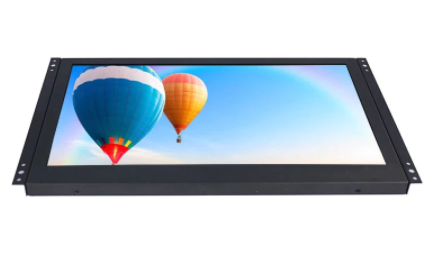
Environmental resilience is critical. Check the IP rating (e.g., IP65 for dust and water resistance), operating temperature range (typically -20°C to +70°C for industrial-grade), and compliance with standards like MIL-STD-810G for shock and vibration resistance. Some manufacturers, such as LG Display and Sharp, offer ruggedized models tested under ISO 16750 for automotive and industrial durability.
Finally, assess power consumption, serviceability, and lifecycle support. Low-power panels using LED backlighting can reduce total cost of ownership. Ensure the manufacturer offers spare parts, firmware updates, and technical documentation beyond the standard warranty period. Industry leaders like Eizo and Siemens recommend selecting panels with at least a five-year product support commitment for mission-critical systems.
By aligning panel specifications with real-world application needs—such as factory control rooms, medical devices, or outdoor kiosks—engineers can avoid costly failures and ensure system uptime. Always request samples and conduct environmental stress testing before full-scale deployment.