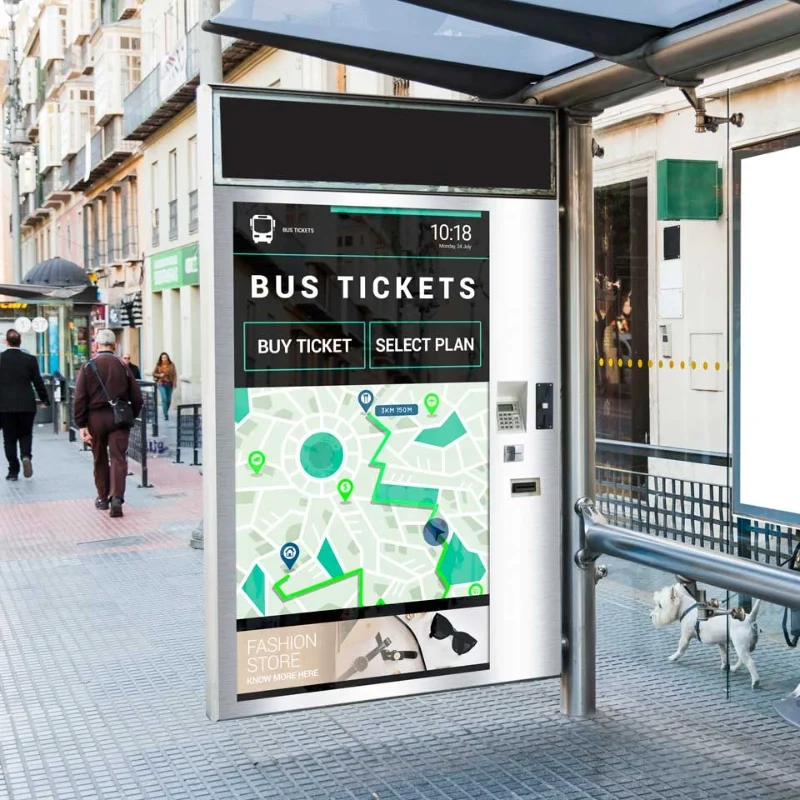
When selecting an LCD panel for industrial applications, it's essential to consider several technical and environmental factors that directly impact performance, longevity, and reliability. Unlike consumer-grade displays, industrial LCDs must operate in harsh environments—ranging from extreme temperatures to high humidity, vibration, and electromagnetic interference.
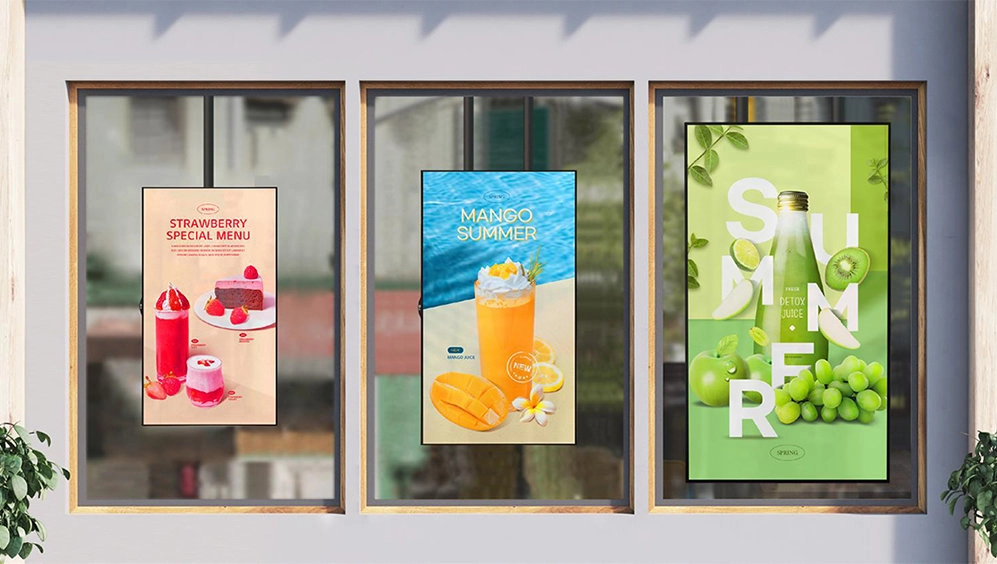
First, evaluate the display type. For industrial use, TN (Twisted Nematic), IPS (In-Plane Switching), and VA (Vertical Alignment) panels each offer distinct advantages. IPS panels are preferred for wide viewing angles and color accuracy, making them ideal for control rooms or machine interfaces. TN panels, while faster in response time, are often used in cost-sensitive applications like POS systems. VA panels offer excellent contrast ratios, suitable for outdoor digital signage under bright sunlight.
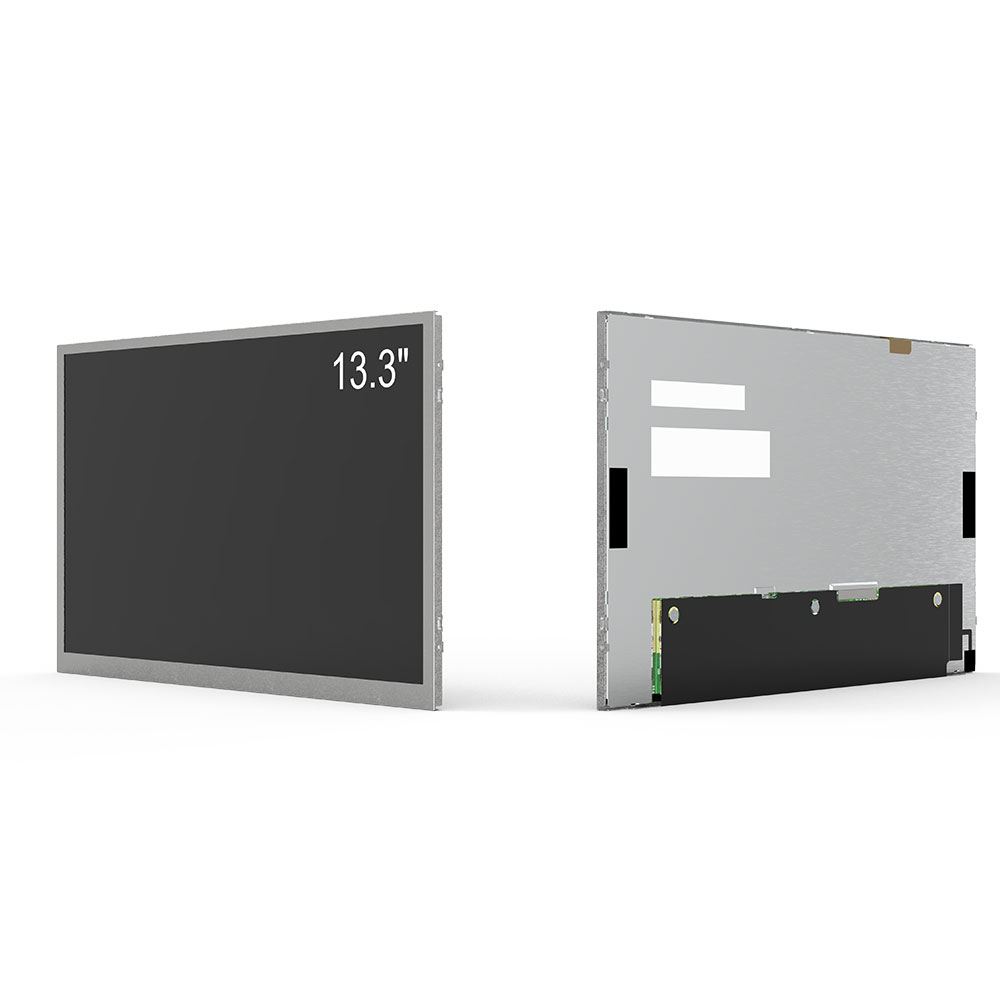
Next, assess brightness and contrast ratio. Industrial environments often require 1000 nits or higher brightness to remain visible under direct sunlight. Contrast ratios of at least 1000:1 ensure clear image differentiation in low-light conditions. Always refer to ISO 9241-3 standards for display luminance requirements in operational settings.
Environmental durability is critical. Look for panels with IP65 or higher ingress protection, especially if deployed in manufacturing plants or food processing facilities where dust and moisture are common. Additionally, check for compliance with MIL-STD-810G for shock and vibration resistance. Panels used in transportation or mobile machinery must withstand constant movement without image degradation.
Another key factor is temperature range. Industrial-grade LCDs typically support operating temperatures from -20°C to +70°C, far beyond consumer panels (0–50°C). Ensure your selected panel includes a wide operating temperature specification, verified through thermal cycling tests (per JEDEC JESD22-A104).
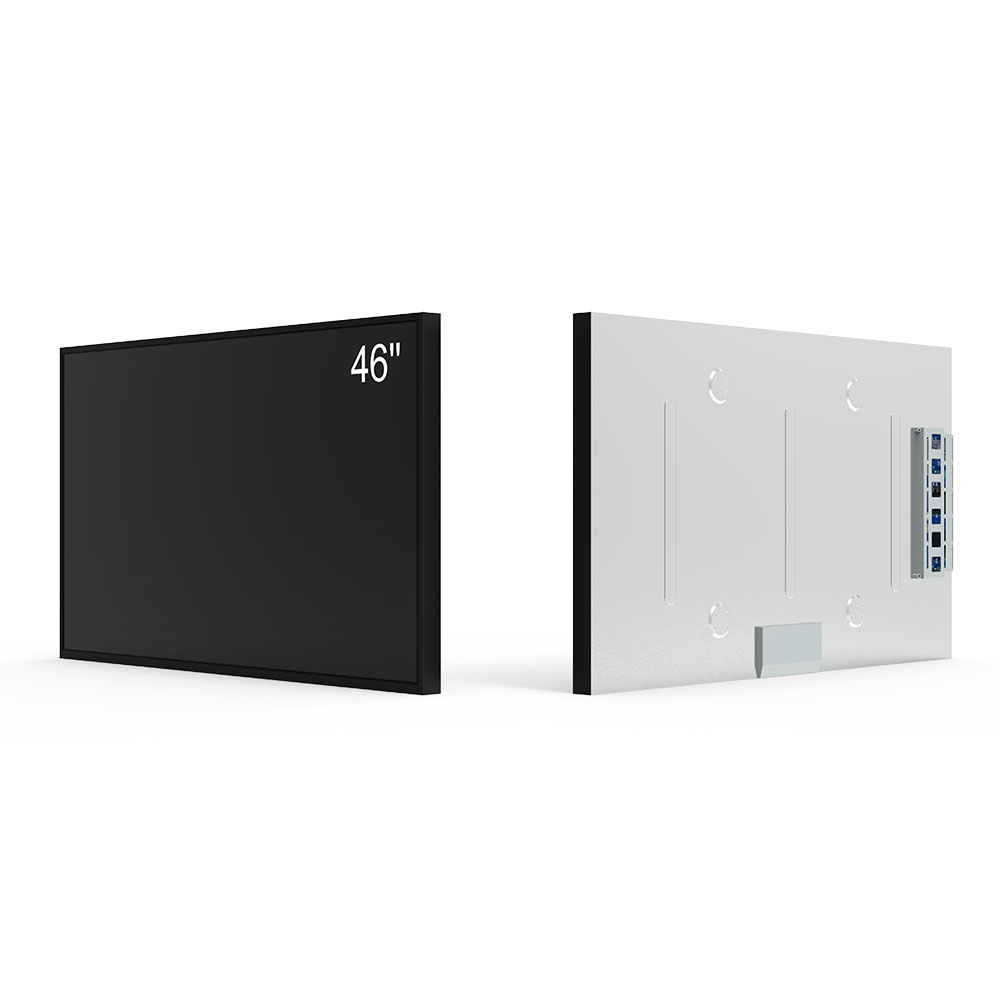
Finally, consider lifecycle and maintenance. Industrial panels should have a minimum MTBF (Mean Time Between Failures) of 50,000 hours and be backed by a manufacturer offering long-term supply guarantees. Review customer feedback from platforms like Trustpilot and LinkedIn groups for real-world insights into panel reliability.
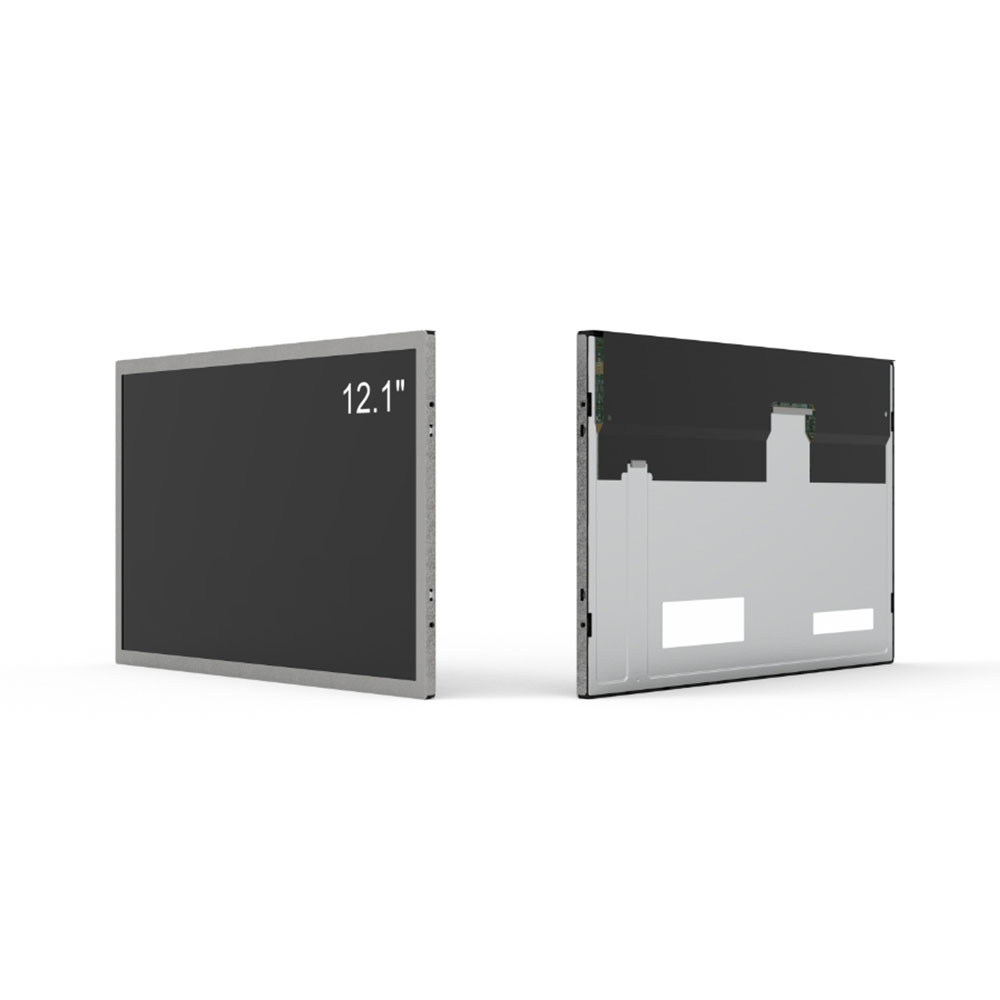
For example, LG’s LPH101WQ1-TL1 and Samsung’s S24A300H are widely adopted in industrial automation due to their robust build quality and extended temperature tolerance. These models are often cited in case studies from Siemens and Rockwell Automation as reliable solutions in factory-floor deployments.
By prioritizing these criteria—display type, brightness, environmental resilience, temperature stability, and lifecycle support—you can ensure optimal performance and return on investment for any industrial LCD deployment.