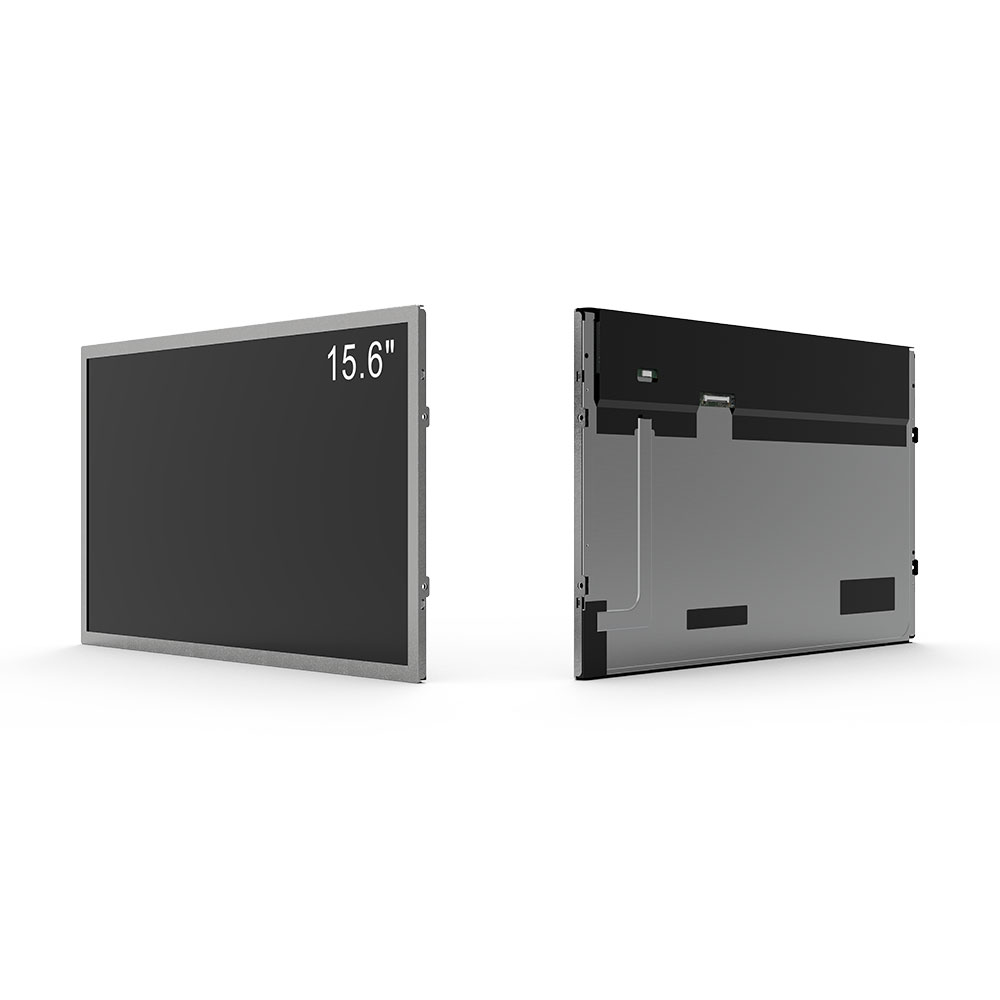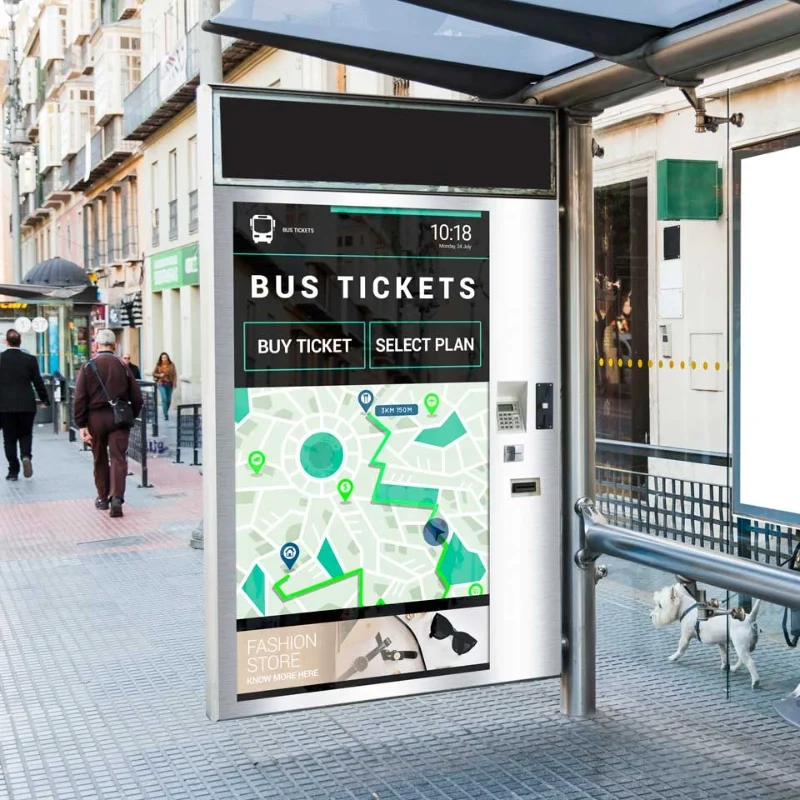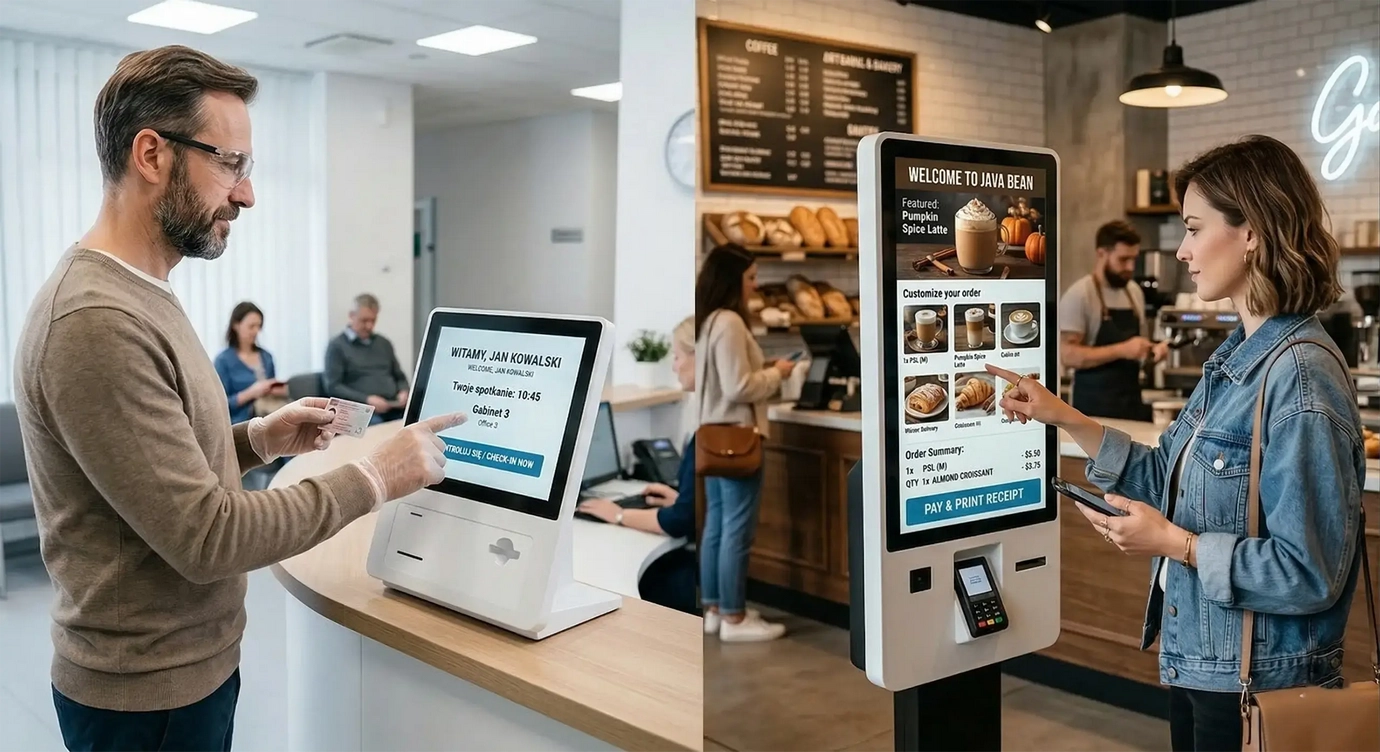

When selecting an LCD panel for industrial applications—such as factory automation, medical equipment, or outdoor kiosks—it's essential to prioritize performance, durability, and environmental resilience over consumer-grade features. Unlike standard displays used in smartphones or TVs, industrial LCDs must operate reliably under extreme temperatures, high humidity, vibration, and prolonged usage cycles. According to a 2023 report by MarketsandMarkets, the global industrial LCD market is projected to grow at a CAGR of 6.2% through 2028, driven by increasing demand in manufacturing, transportation, and energy sectors.
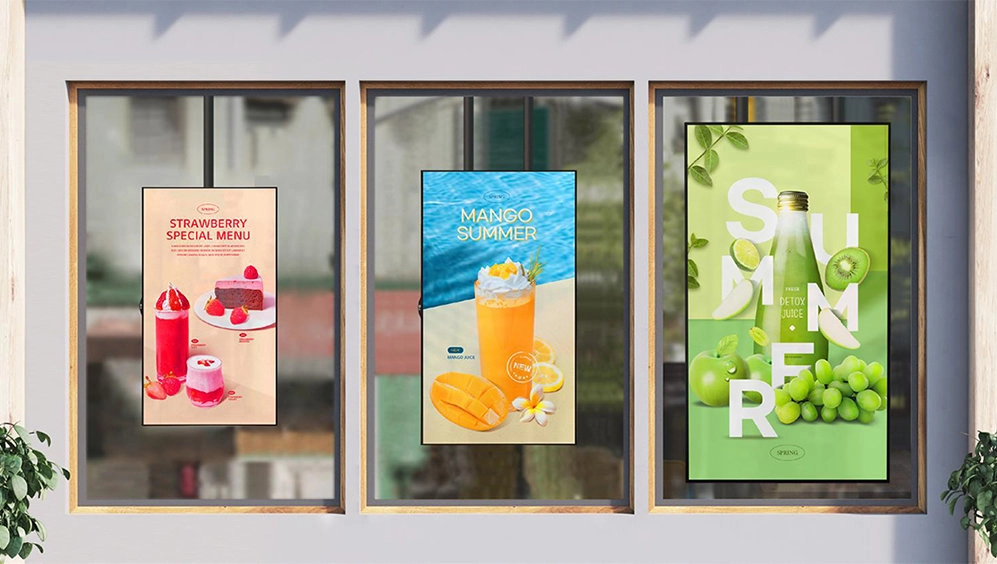
First, consider the display type: TN (Twisted Nematic), IPS (In-Plane Switching), or VA (Vertical Alignment). For applications requiring accurate color reproduction and wide viewing angles—like medical imaging or digital signage—IPS panels are ideal due to their superior color consistency and 178° viewing angles. TN panels offer faster response times but limited viewing angles and poor color accuracy, making them suitable only for basic control interfaces. VA panels provide higher contrast ratios but may suffer from slower response times, which can be a drawback in dynamic visual environments.
Next, evaluate brightness and contrast. Industrial LCDs often require 500 nits or more for readability in direct sunlight—a key specification confirmed by ISO 9241-3 standards. High contrast ratios (e.g., 1000:1 or higher) enhance visibility in low-light conditions. For example, Sharp’s LQ123P1LG11 panel offers 1000 cd/m² brightness and 1000:1 contrast, making it popular in ruggedized handheld devices.
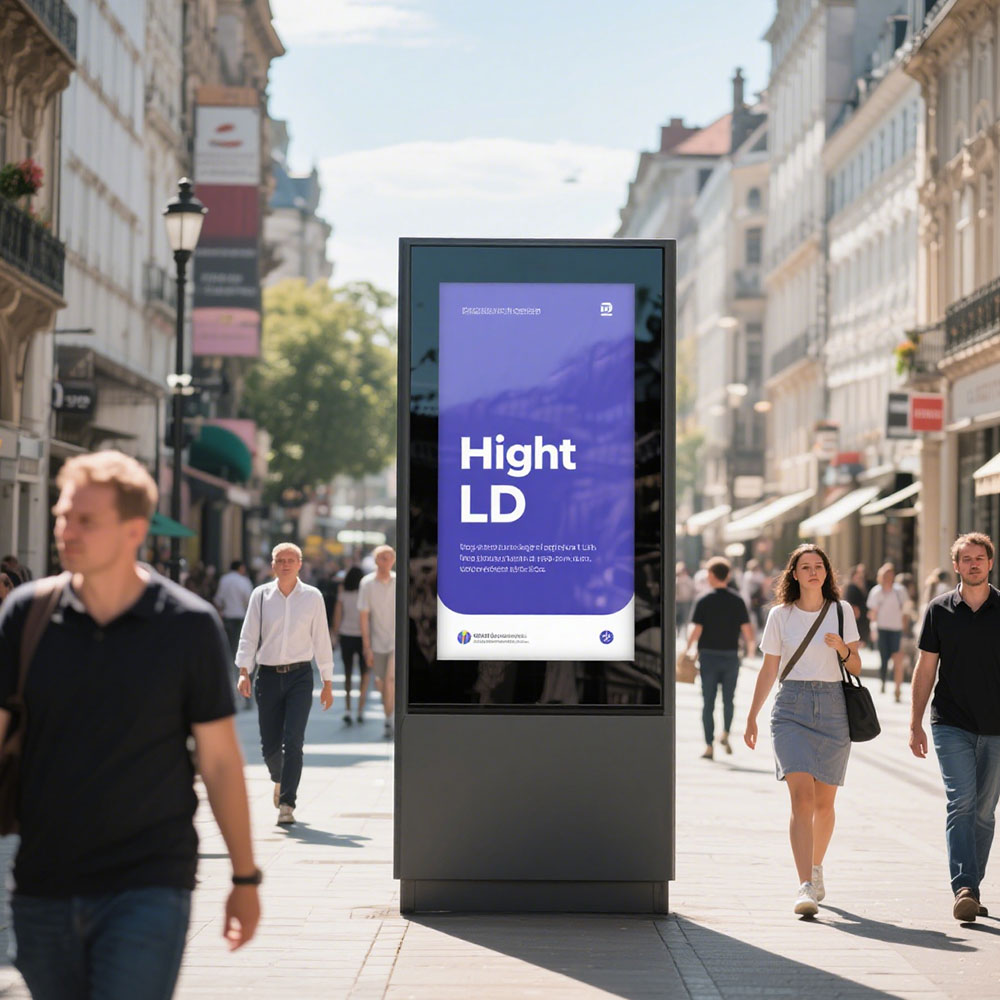
Environmental resistance is another critical factor. Look for panels with IP65 or higher ratings for dust and water resistance, and ensure they meet MIL-STD-810G standards for shock and vibration. Operating temperature ranges should extend from -20°C to +70°C for cold environments like refrigerated warehouses or hot climates such as desert oil fields.
Power consumption also matters in battery-powered or energy-sensitive systems. Modern LED-backlit LCDs consume 30–50% less power than older CCFL models, improving efficiency and reducing heat output. Panels with adaptive backlight dimming further optimize energy use based on ambient light levels—an important feature for solar-powered IoT devices.
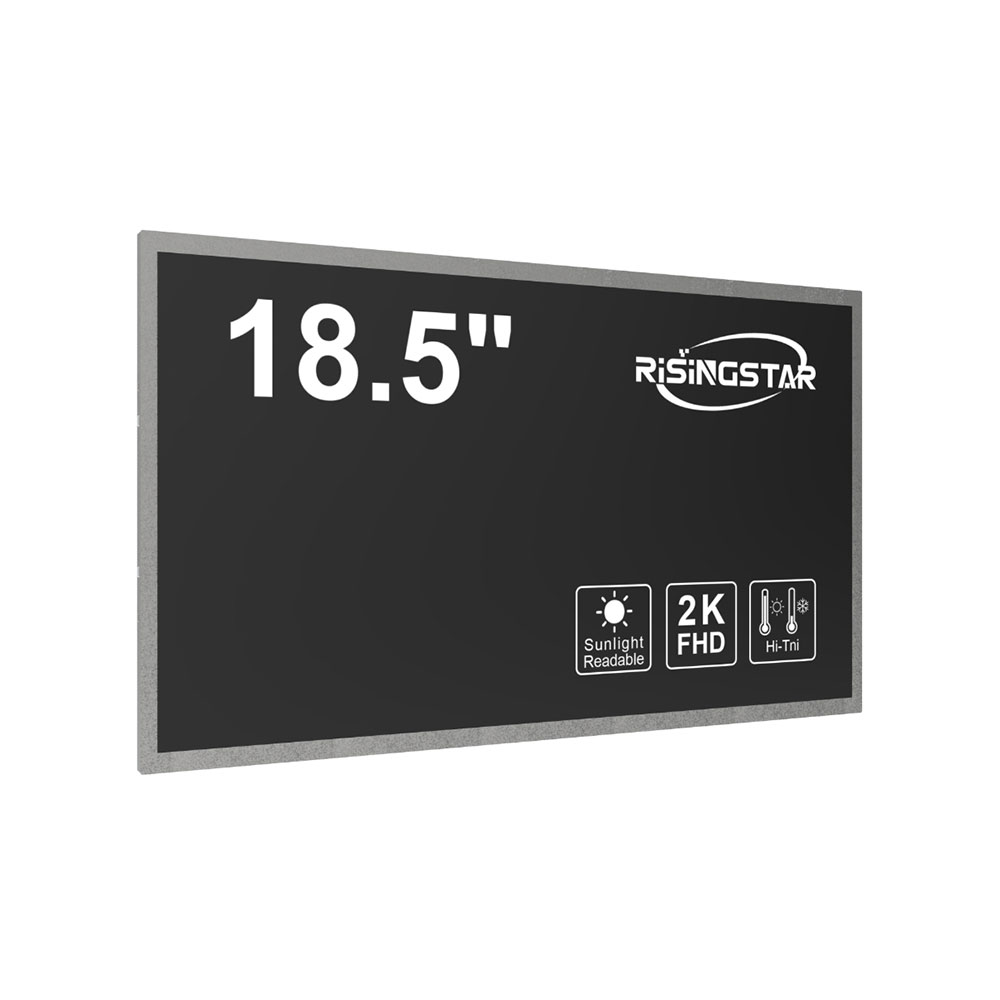
Finally, consider long-term support. Industrial-grade panels typically have 5–10 year lifecycle availability, ensuring compatibility with legacy systems. Brands like LG Display, BOE Technology, and AU Optronics provide comprehensive datasheets, technical support, and compliance certifications (RoHS, CE, FCC) that simplify integration into regulated industries.
Choosing the right LCD panel isn't just about specs—it's about matching technology to real-world conditions. Whether deploying in a smart factory or a mobile command unit, the decision impacts uptime, safety, and operational cost.