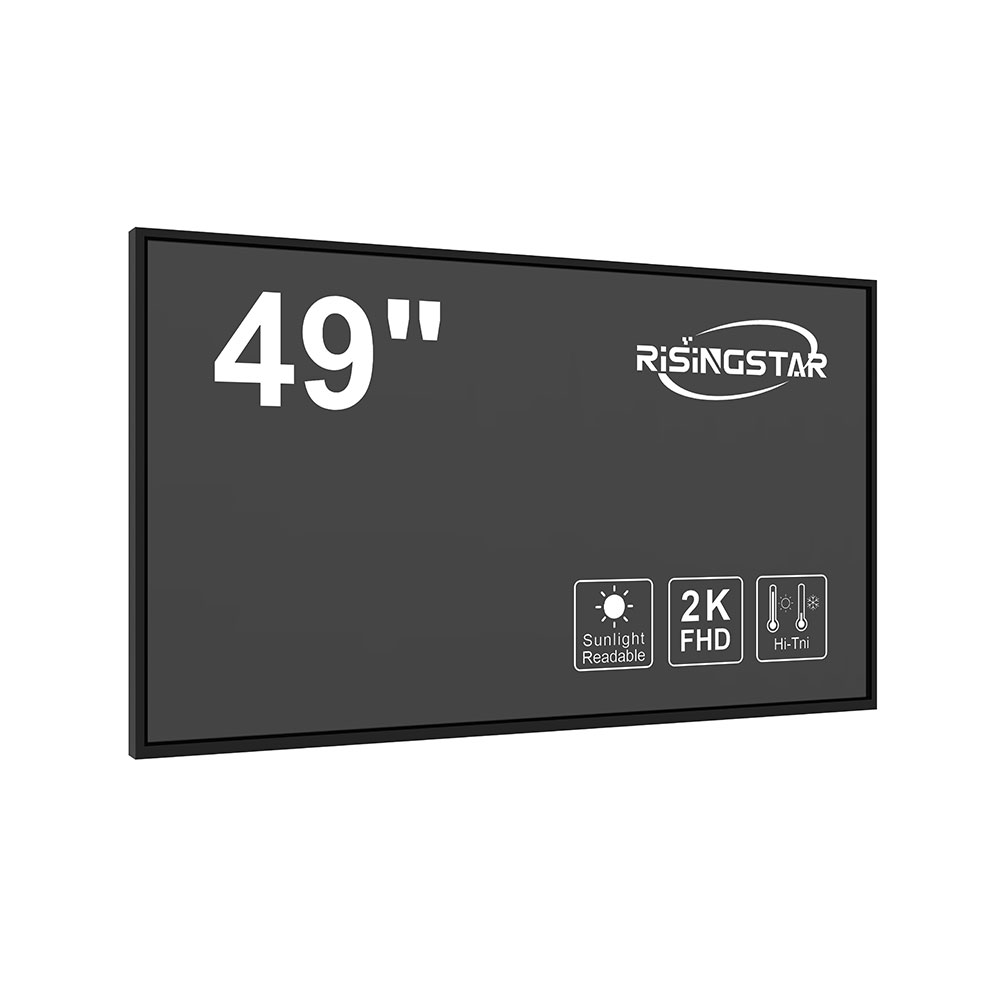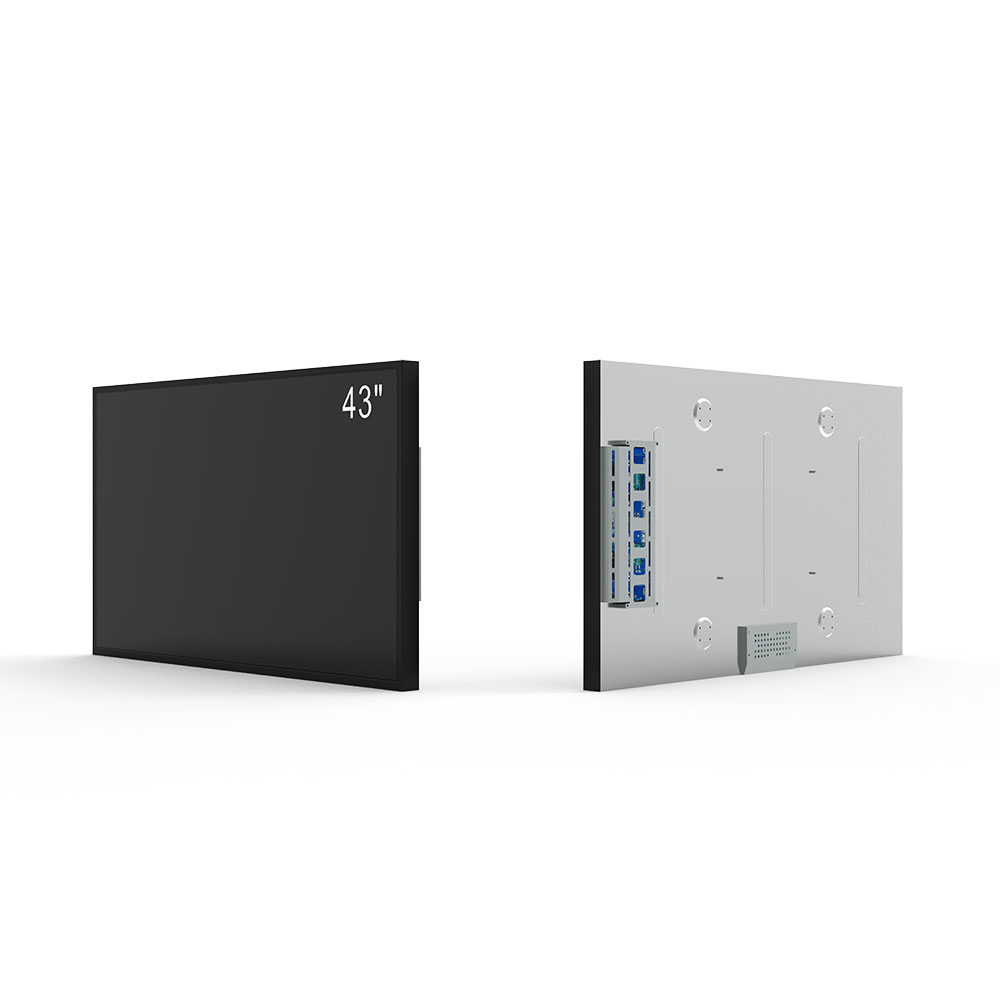
When selecting an LCD panel for industrial equipment applications, overseas manufacturers and distributors must prioritize performance, durability, and compatibility with harsh operating environments. Unlike consumer-grade displays, industrial LCDs are often exposed to extreme temperatures, vibration, dust, and humidity—factors that can significantly impact display reliability and lifespan.
First, consider the operating temperature range. High-quality industrial LCD panels typically support a wide temperature range—from -30°C to +70°C—ensuring stable operation in both cold storage facilities and high-temperature manufacturing lines. For example, LG Display’s LQ104V2Sx series is rated for -30°C to +85°C, making it ideal for outdoor or ruggedized equipment used in logistics or energy sectors.
Second, evaluate brightness and contrast ratio. Industrial settings often involve ambient light challenges, so a minimum brightness of 1000 nits is recommended for readability under direct sunlight or fluorescent lighting. Panels like Sharp’s LJ220WGE-WB offer 1500 nits peak brightness and 1000:1 contrast, which is critical for control systems in construction machinery or medical imaging devices.
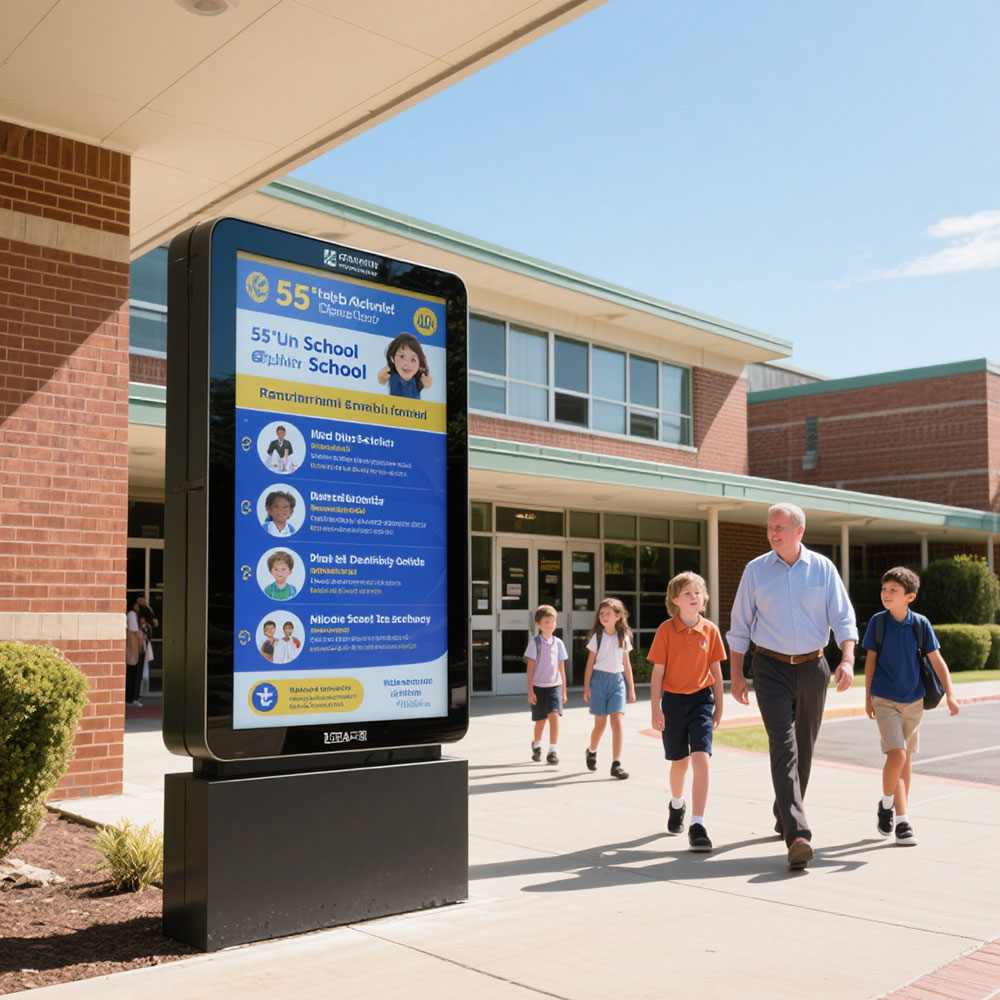
Third, mechanical durability matters. Look for panels with reinforced glass (such as Gorilla Glass or chemically strengthened substrates), anti-glare coatings, and shock resistance. AIP (Active Matrix IPS) technology provides wider viewing angles (up to 178°), reducing visibility issues when operators approach from multiple angles—a common scenario in assembly lines or control rooms.
Fourth, connectivity and integration ease. Modern industrial LCDs should support standard interfaces such as LVDS, eDP, or HDMI, and ideally include built-in drivers for seamless integration into PLC-based systems or embedded platforms like Raspberry Pi or NVIDIA Jetson. This reduces development time and avoids costly custom hardware solutions.
Finally, consider certifications and compliance standards. Panels used in regulated industries—like automotive, aerospace, or medical devices—must meet ISO 9001, IEC 60950, or EN 60601 requirements. For instance, Innolux’s T245X1-LF1 panel is certified for CE, RoHS, and UL 60950-1, ensuring safe deployment in global markets.
By focusing on these technical specifications and industry-specific needs, overseas equipment manufacturers and distributors can select LCD panels that deliver long-term value, minimize downtime, and enhance end-user satisfaction across diverse operational environments.