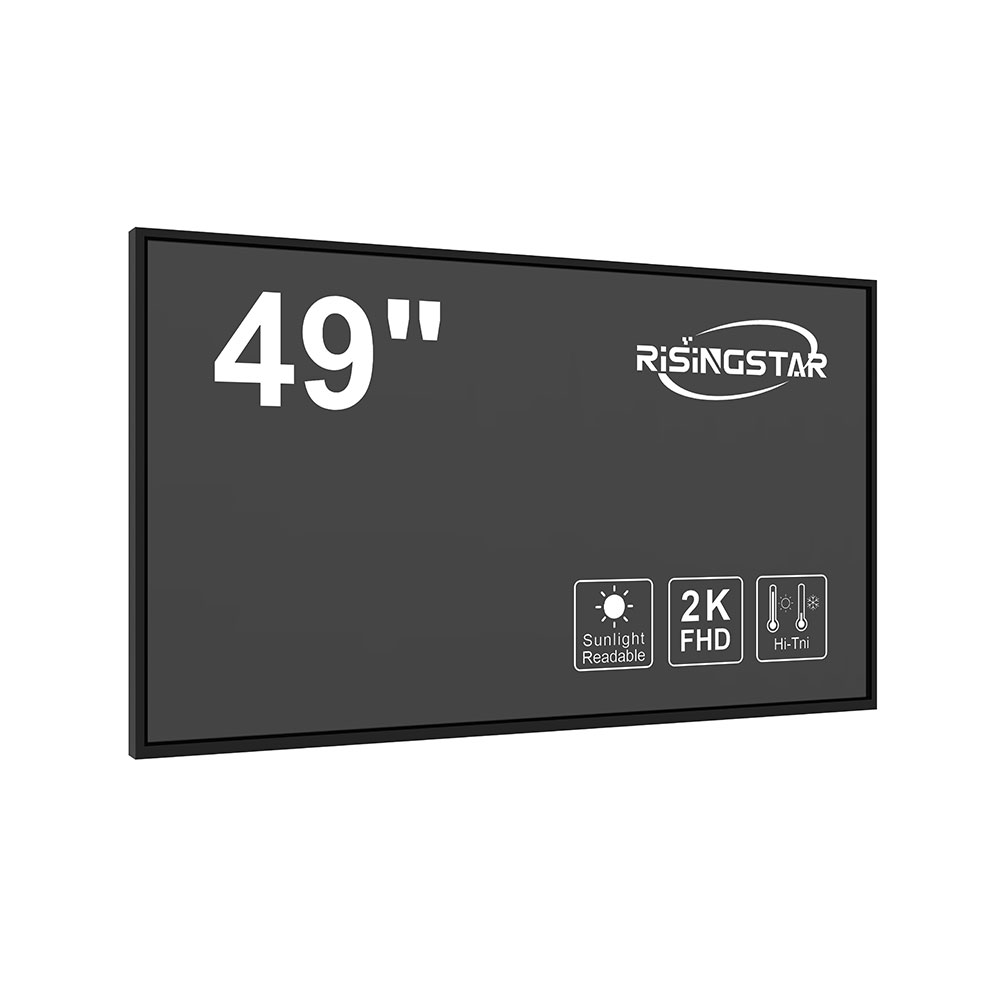
When selecting an LCD display for industrial equipment applications, overseas manufacturers and distributors must prioritize durability, clarity, and compatibility with harsh operating environments. Unlike consumer-grade displays, industrial LCDs are subjected to extreme temperatures, vibration, dust, and humidity—conditions that demand specialized engineering. A high-quality industrial LCD should feature wide temperature operation (typically -30°C to +70°C), anti-glare coatings, and robust sealing (IP65 or higher) to prevent moisture and particulate ingress.
One of the most critical factors is brightness. Industrial settings often involve outdoor use or poorly lit environments, so a display with at least 1000 nits of brightness ensures visibility under direct sunlight. Additionally, consider LED-backlit panels over CCFL for better power efficiency, longer lifespan, and reduced environmental impact. According to the International Electrotechnical Commission (IEC) standard IEC 60068-2-1, industrial displays must undergo rigorous environmental stress testing—including thermal shock, mechanical shock, and vibration—to qualify for use in demanding sectors like mining, transportation, and manufacturing.
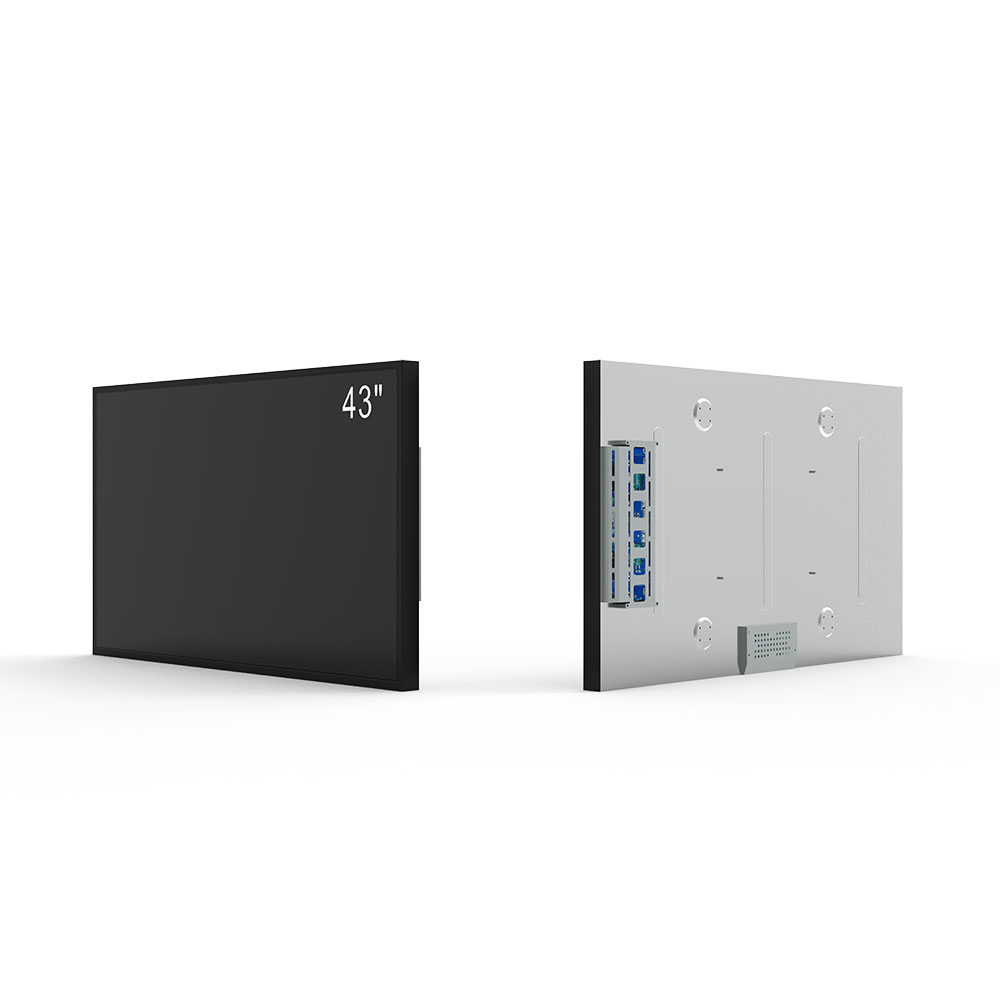
For overseas buyers, it’s essential to verify compliance with local regulations such as RoHS, CE, and FCC. These certifications ensure the product meets safety and electromagnetic compatibility standards across global markets. Moreover, partnering with suppliers who offer customization—such as custom bezels, touch integration (resistive or capacitive), or embedded drivers—can significantly enhance system integration.
Real-world examples include ruggedized LCDs used in automated guided vehicles (AGVs) by companies like KUKA and Siemens, where displays must function reliably in factory environments with frequent mechanical impacts. In marine applications, such as onboard navigation systems, displays from brands like LG Display and Sharp have demonstrated superior performance in saltwater exposure tests per ISO 9227.
Finally, consider long-term support. Industrial equipment often has a 10–15 year lifecycle, so choosing a supplier with stable production and extended warranty options (e.g., 3–5 years) reduces total cost of ownership. By focusing on these technical and operational criteria, overseas equipment manufacturers can select LCD solutions that deliver consistent performance, reduce downtime, and ensure customer satisfaction in mission-critical applications.