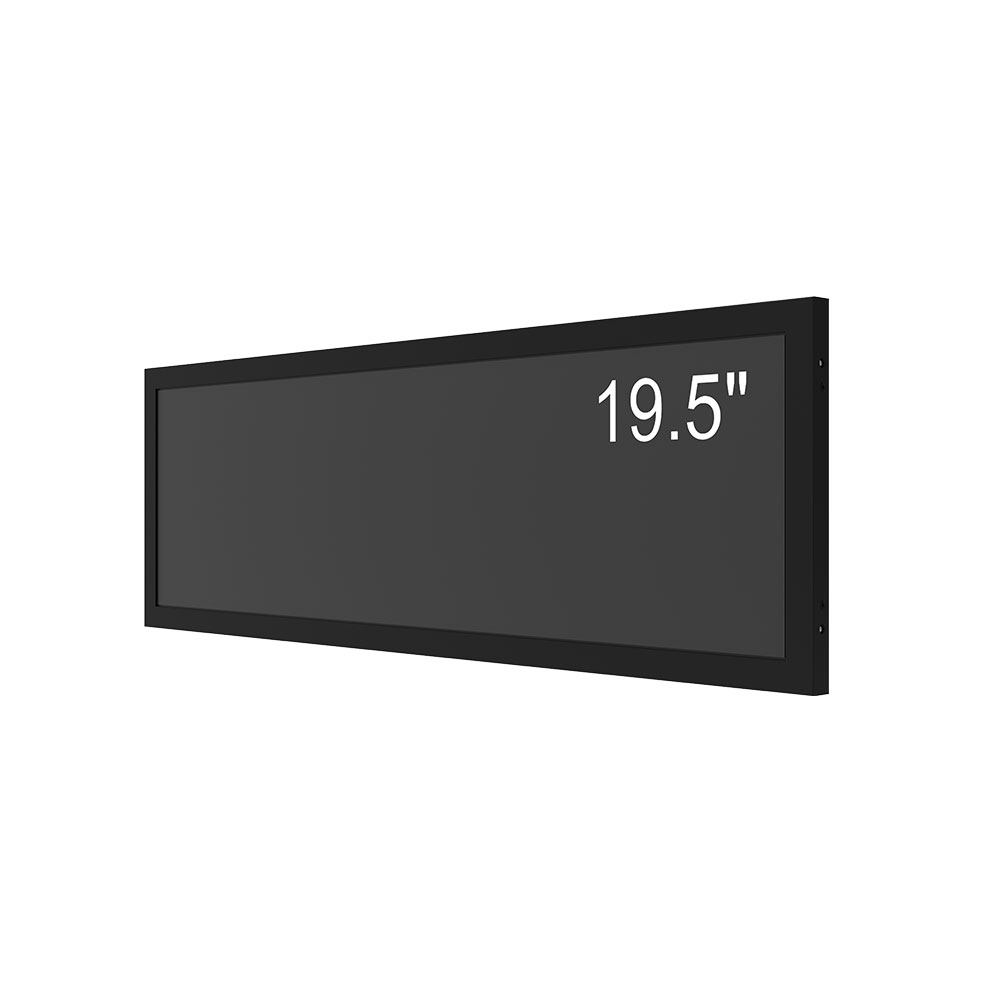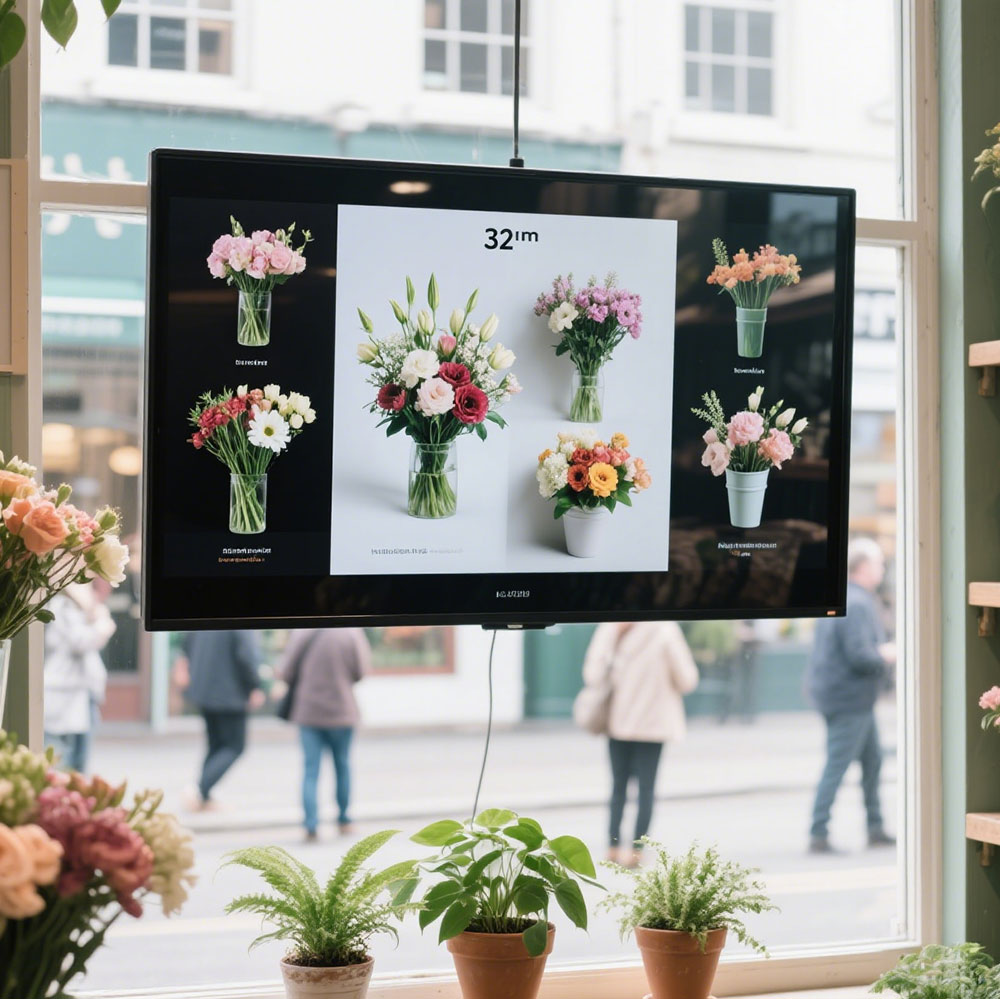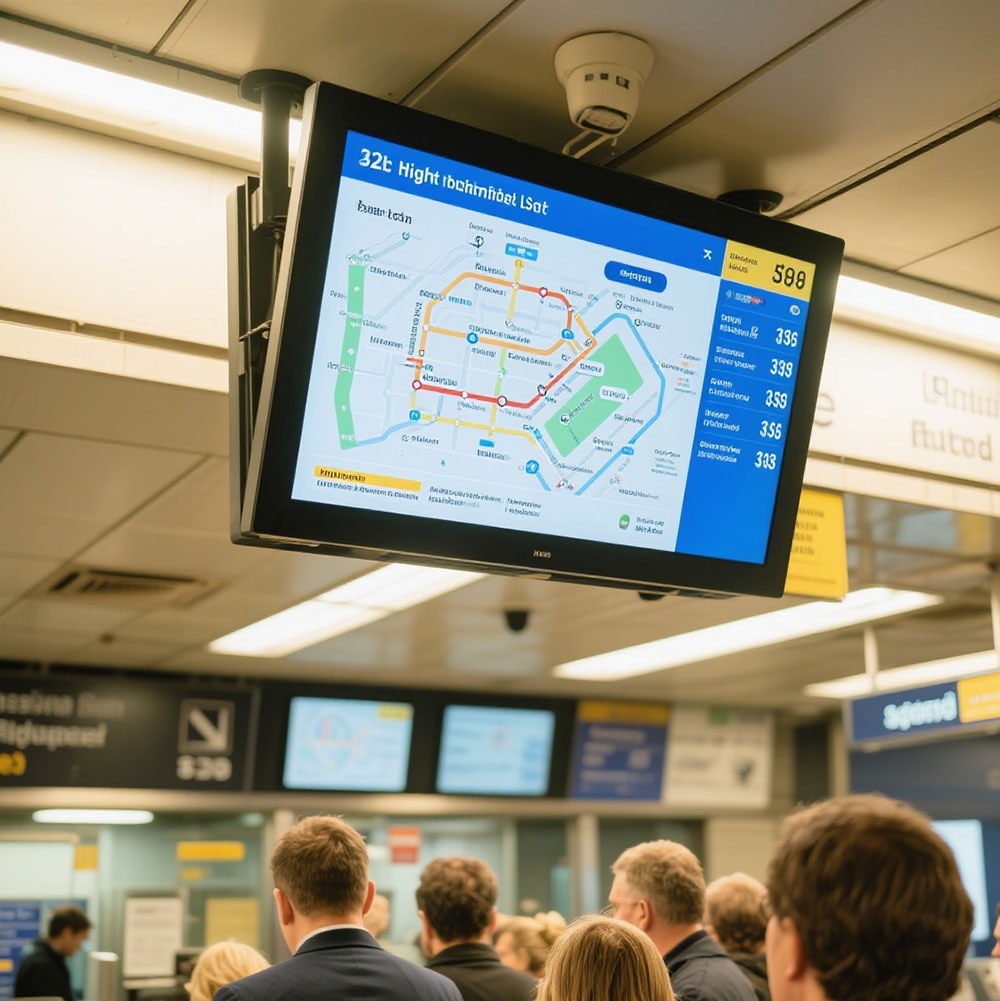

When selecting an outdoor LCD screen for commercial, industrial, or public use, several critical factors must be considered to ensure long-term performance, visibility under all lighting conditions, and resistance to environmental stressors. Based on industry standards such as IP65/66 for dust and water resistance, MIL-STD-810G for ruggedness, and ANSI/IES RP-42 for luminance requirements, a well-engineered outdoor display must exceed basic functionality.
First, brightness is paramount—outdoor screens typically require 5,000 to 10,000 nits of peak brightness to remain visible in direct sunlight. High-brightness LED-backlit panels or advanced local dimming technologies are essential. For example, Samsung’s The Wall and LG’s Signage OLEDs have been tested in desert environments (up to 50°C ambient temperature) and maintain consistent image quality.
Second, environmental protection must align with international certifications. An IP65 rating ensures the unit is protected from water jets and dust ingress—critical for coastal installations or high-humidity regions. Additionally, thermal management systems like passive heat sinks or active cooling fans help prevent overheating in extreme climates. A case study by NEC in Dubai demonstrated that their outdoor displays using dual-stage ventilation maintained stable operation at 47°C for over 3 years without failure.
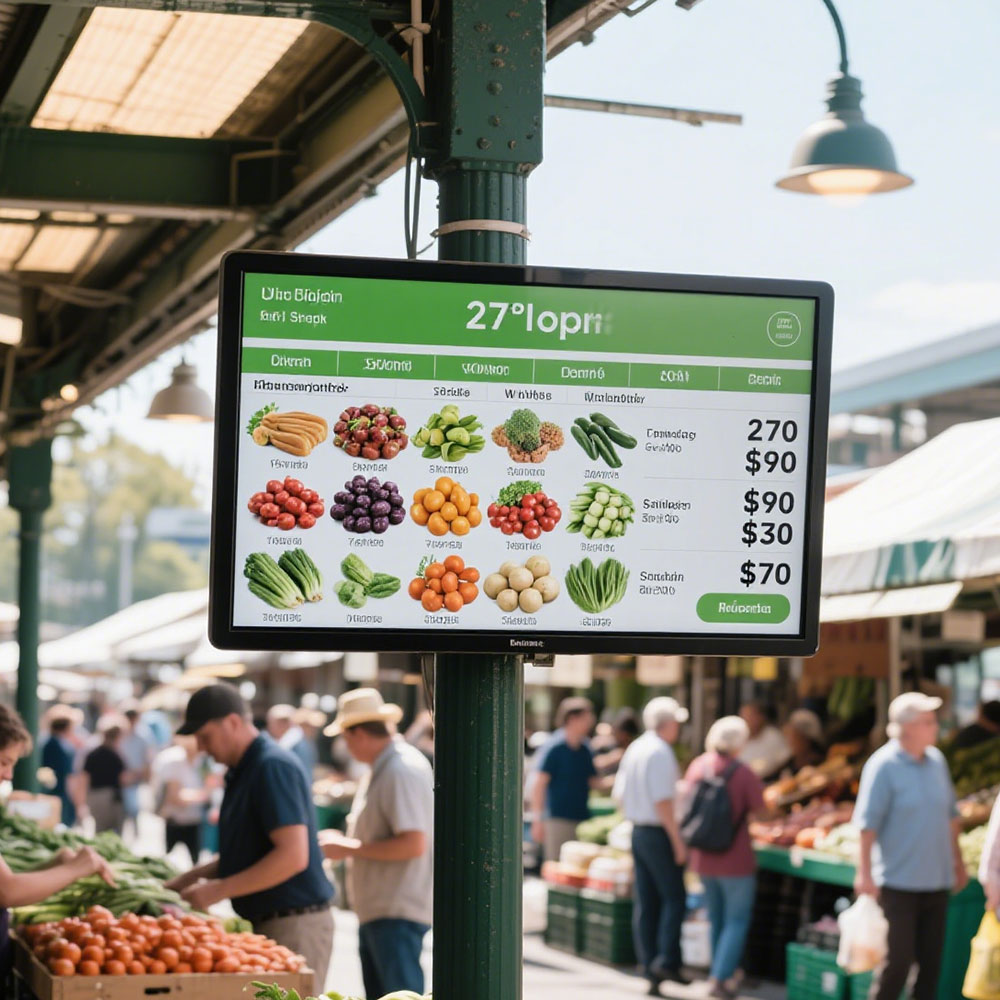
Third, viewing angle and color accuracy matter significantly in public spaces. Outdoor LCDs should offer wide viewing angles (at least 178° horizontal and vertical) and support wide color gamuts (e.g., DCI-P3 or Rec. 709). This ensures content remains legible and vibrant from multiple perspectives—a key factor in digital signage applications like bus stops or retail kiosks.
Fourth, power efficiency and reliability are non-negotiable. According to the U.S. Department of Energy’s ENERGY STAR program, outdoor displays should consume no more than 150W per square meter when operating at full brightness. Efficient power supplies and intelligent brightness control based on ambient light sensors reduce operational costs while enhancing lifespan.
Finally, maintenance and serviceability influence total cost of ownership. Modular designs with easily replaceable components—such as backlight units, PCBs, and power modules—minimize downtime. For instance, Sony’s outdoor displays feature hot-swappable parts, reducing mean time to repair (MTTR) from 48 hours to under 4 hours in field deployments.
In conclusion, choosing the right outdoor LCD screen involves balancing technical specs, environmental resilience, and long-term cost-effectiveness. By adhering to proven standards and leveraging real-world data from successful installations across diverse climates—from Scandinavia’s harsh winters to Australia’s scorching summers—businesses can deploy displays that deliver both performance and value.