
When selecting an outdoor LCD screen for commercial, industrial, or public use, it’s essential to prioritize both visibility under various lighting conditions and long-term durability against environmental stressors. Unlike indoor displays, outdoor LCDs must withstand extreme temperatures, humidity, UV exposure, and physical impacts—factors that directly influence performance and lifespan.
Brightness and Contrast Ratio
A critical specification for any outdoor display is brightness, typically measured in nits. For reliable visibility during daylight, a minimum of 5,000 nits is recommended—this aligns with industry standards set by the Society of Information Display (SID). Screens rated at 7,000–10,000 nits are ideal for direct sunlight applications such as digital signage in retail plazas or transportation hubs. Additionally, high contrast ratios (above 4,000:1) ensure crisp image quality even when ambient light fluctuates.
Environmental Protection Ratings
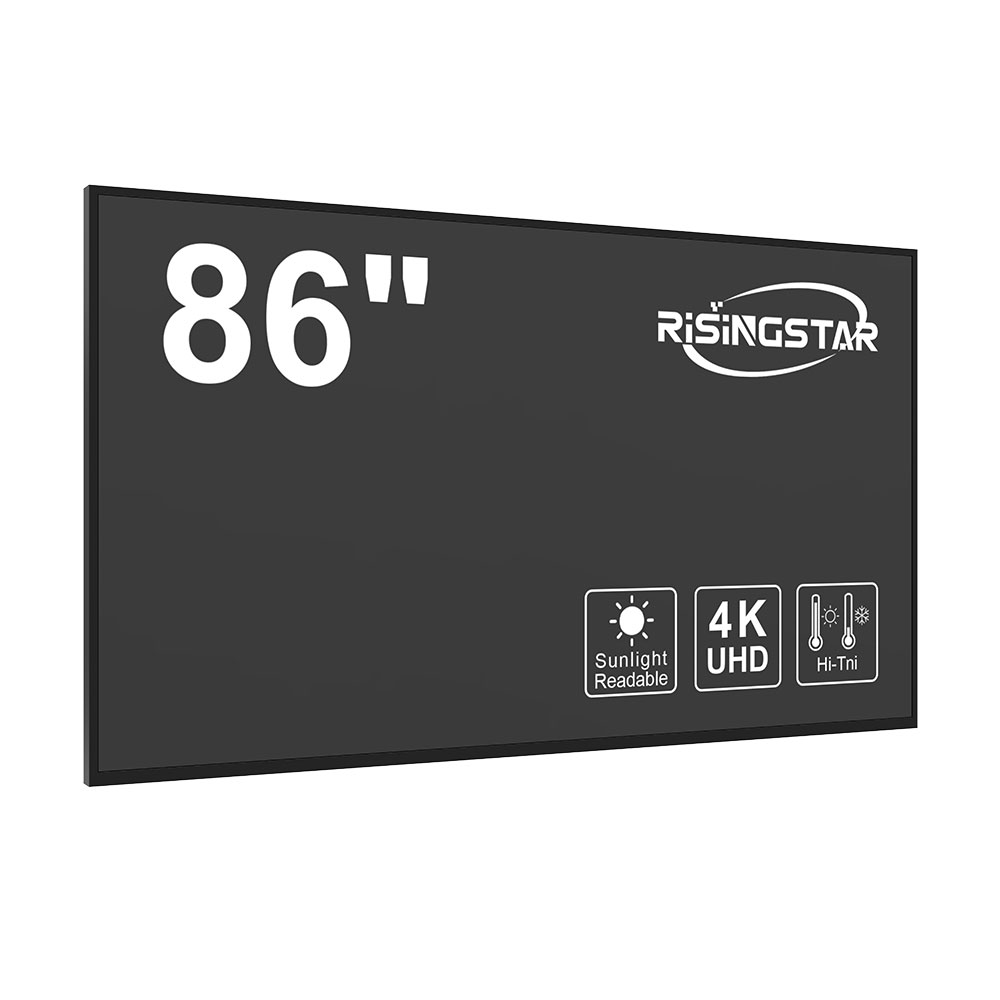
Look for IP65 or higher ratings for dust and water resistance. This means the unit is sealed against fine dust particles and can handle low-pressure water jets—critical for installations near coastal areas or in regions with frequent rainfall. In colder climates, ensure the screen supports wide operating temperature ranges, ideally from -30°C to +60°C, as per IEC 60068-2 standards. Some manufacturers now offer active cooling systems and anti-condensation features for added reliability.
Display Technology Options
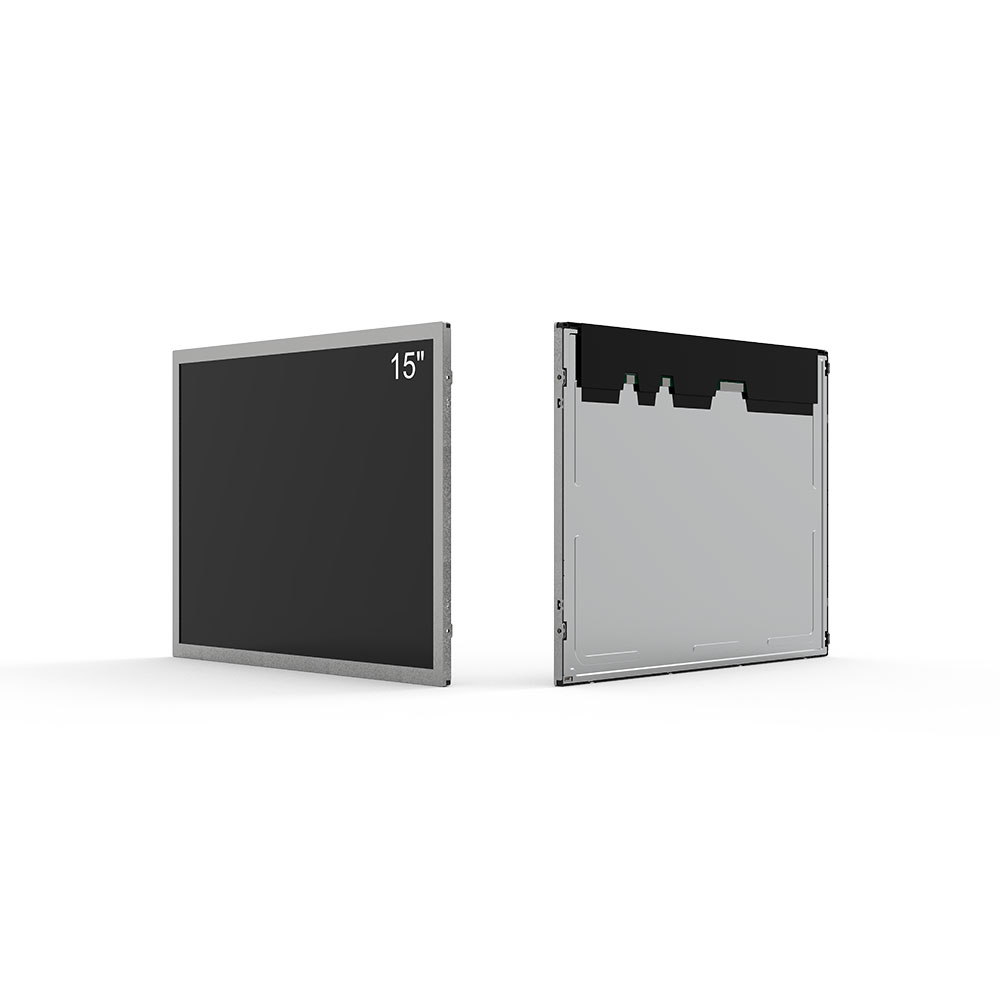
LED-backlit LCDs remain the most common choice due to their balance of cost and performance. However, for ultra-high-brightness environments, consider OLED or micro-LED solutions, which offer superior contrast and wider viewing angles. While more expensive, these technologies reduce maintenance needs over time and improve energy efficiency—a key factor for large-scale deployments like smart city kiosks.
Mounting and Structural Design
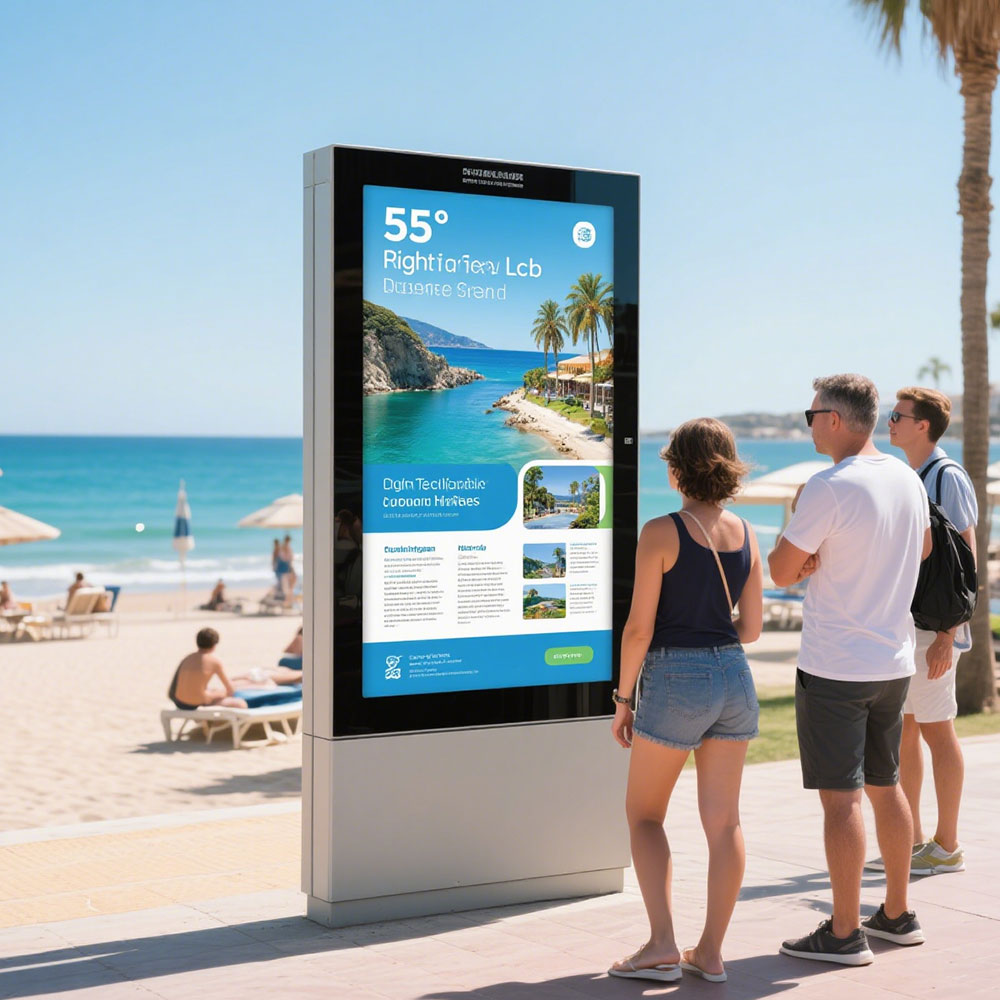
Outdoor screens must be mounted securely using weather-resistant brackets and corrosion-proof materials like stainless steel or powder-coated aluminum. Vandal-resistant enclosures with anti-tamper locks are necessary for high-risk urban locations. Proper ventilation design prevents overheating, while tilt mechanisms allow optimal viewing angles across different seasons.
Maintenance and Remote Monitoring
Modern outdoor LCDs often include built-in diagnostics and remote monitoring via cloud-based platforms (e.g., Android TV or custom enterprise software). This enables proactive maintenance alerts, reducing downtime and extending hardware life. Regular cleaning of the screen surface and inspection of cables and connectors should also be scheduled quarterly to prevent degradation.
Case studies from cities like Singapore and Dubai show that investing in high-quality outdoor displays increases engagement rates by up to 40% compared to lower-grade alternatives. These success stories highlight how combining technical excellence with strategic placement leads to better ROI for businesses and municipalities alike.
By focusing on brightness, environmental resilience, proper mounting, and smart maintenance protocols, organizations can deploy outdoor LCD screens that deliver consistent performance year-round—even in the harshest conditions.