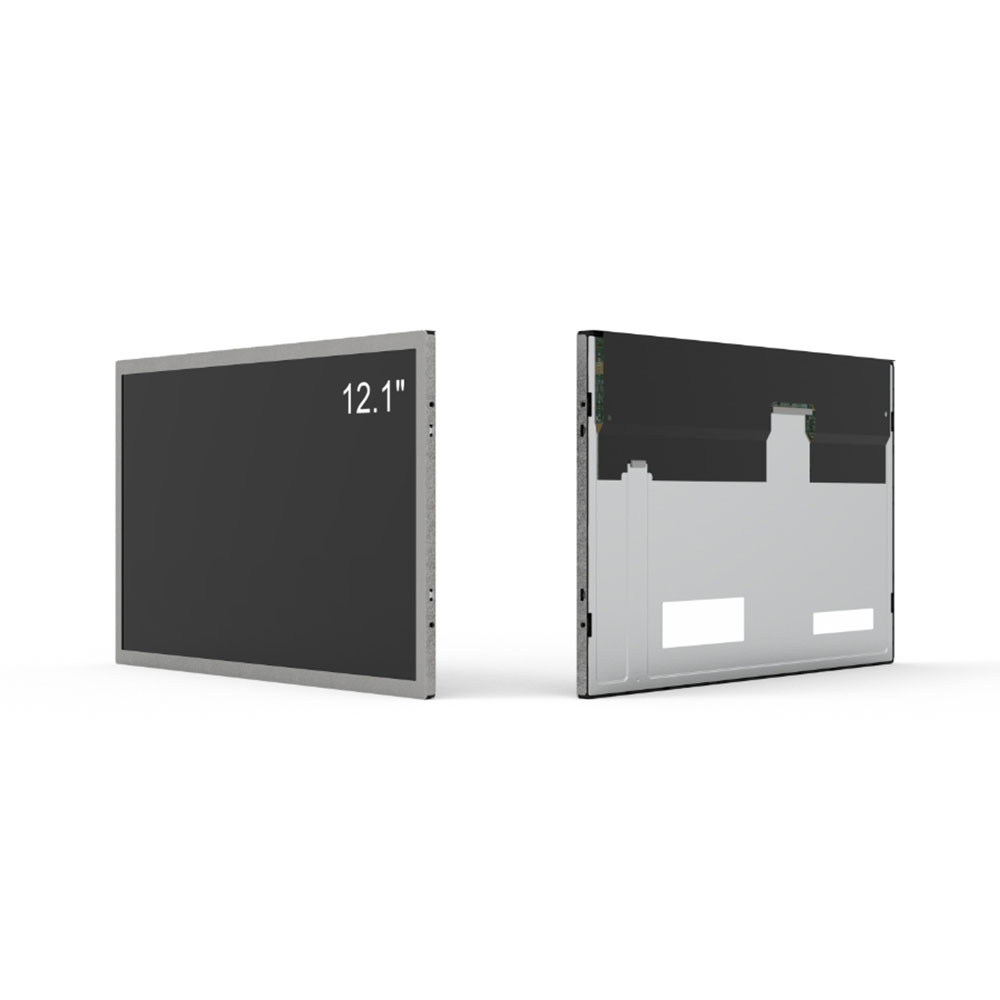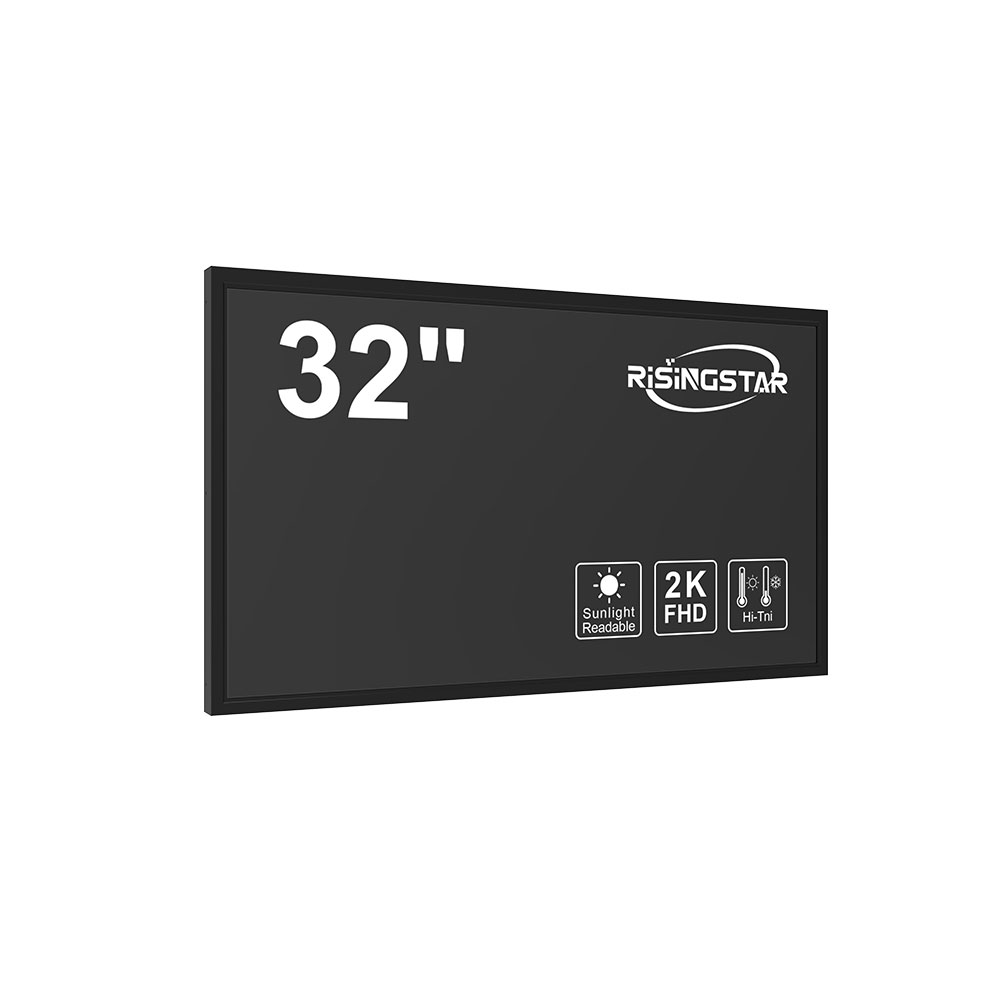
LCD (Liquid Crystal Display) technology remains a cornerstone of modern electronics, powering everything from smartphones to large-format monitors. The manufacturing process involves multiple precise stages, beginning with substrate preparation, where glass panels are cleaned and coated with indium tin oxide (ITO) for electrical conductivity. Next, thin-film transistor (TFT) arrays are formed using photolithography—a critical step requiring sub-micron precision. After TFT fabrication, liquid crystal material is injected between two substrates, followed by alignment layers that ensure proper molecular orientation.
Quality control in LCD production is rigorous and standardized across global manufacturers. ISO 9001 and IEC 60068-2 standards govern environmental testing, such as temperature cycling and humidity exposure, ensuring long-term reliability under diverse conditions. Automated optical inspection (AOI) systems detect defects like dark spots, line faults, or color inconsistencies at speeds exceeding 100 meters per minute—far surpassing human visual accuracy. Additionally, backlight units (BLUs), often LED-based, must meet luminance uniformity criteria (typically within ±5% variation) to prevent screen glare or uneven brightness.

Recent innovations include the adoption of quantum dot (QD) technology for enhanced color gamut and OLED-LCD hybrid designs for improved contrast ratios. Industry reports from Display Supply Chain Consultants (DSCC) show that global LCD panel production exceeds 3 billion units annually, with China accounting for over 70% of capacity. Leading manufacturers like LG Display, BOE Technology, and Samsung Display invest heavily in R&D to reduce power consumption and improve yield rates—key metrics for cost-effective mass production.
For consumers, understanding these processes helps evaluate product quality. Look for certifications such as Energy Star, RoHS compliance, and EPEAT registration when selecting devices. In professional applications—from medical imaging to automotive dashboards—reliability and consistency remain paramount, driving demand for advanced testing protocols and traceable production records.