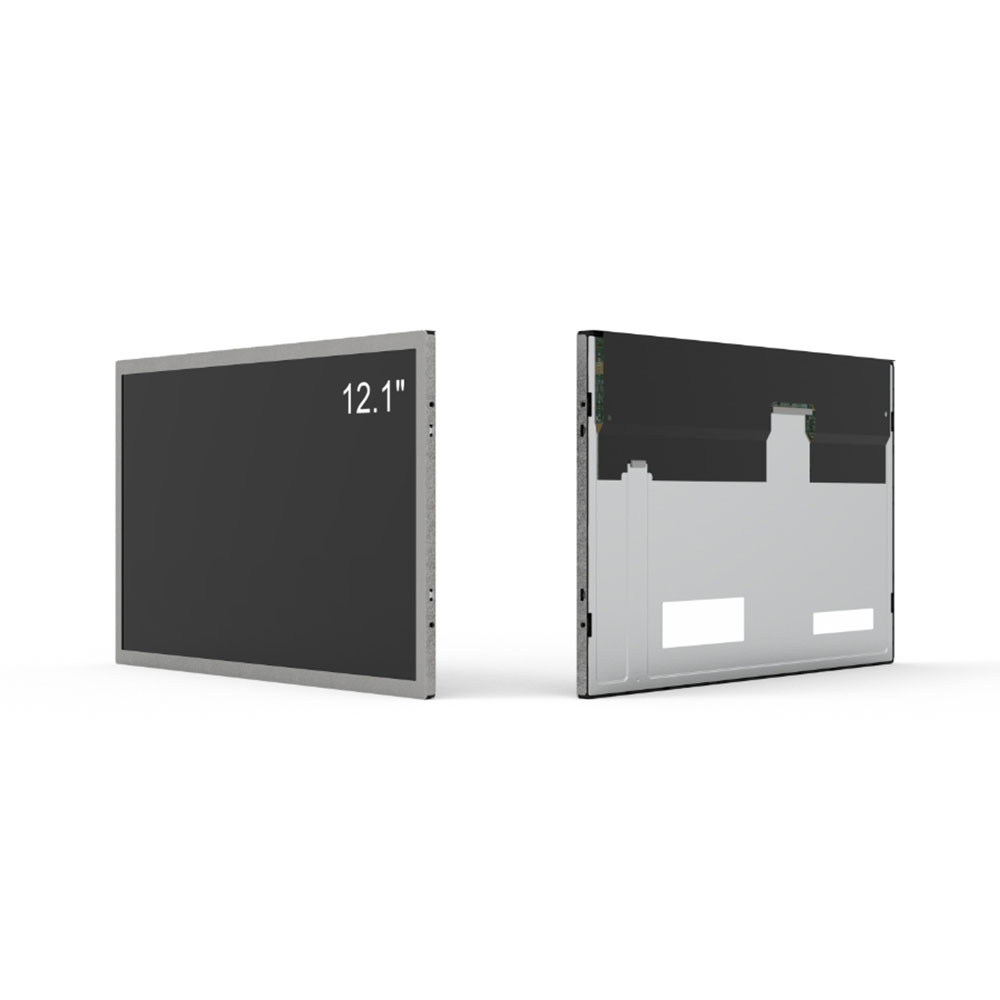
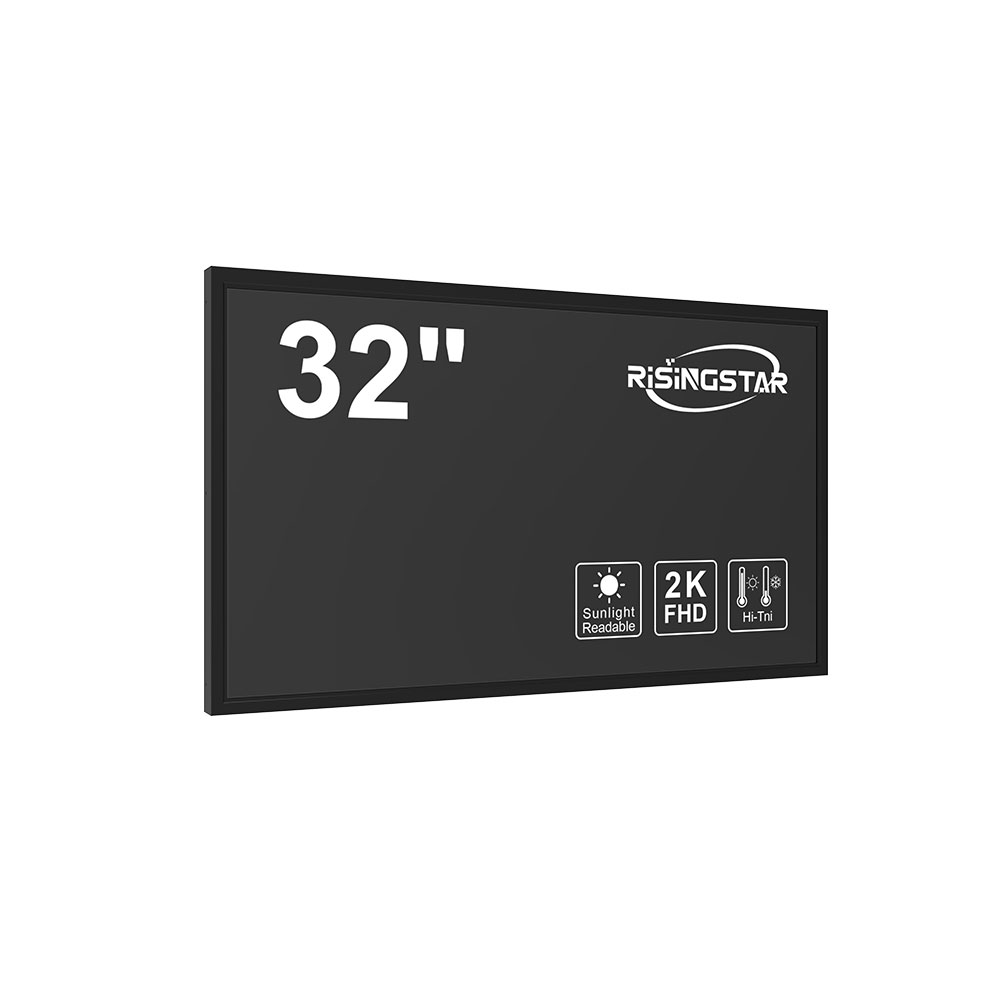
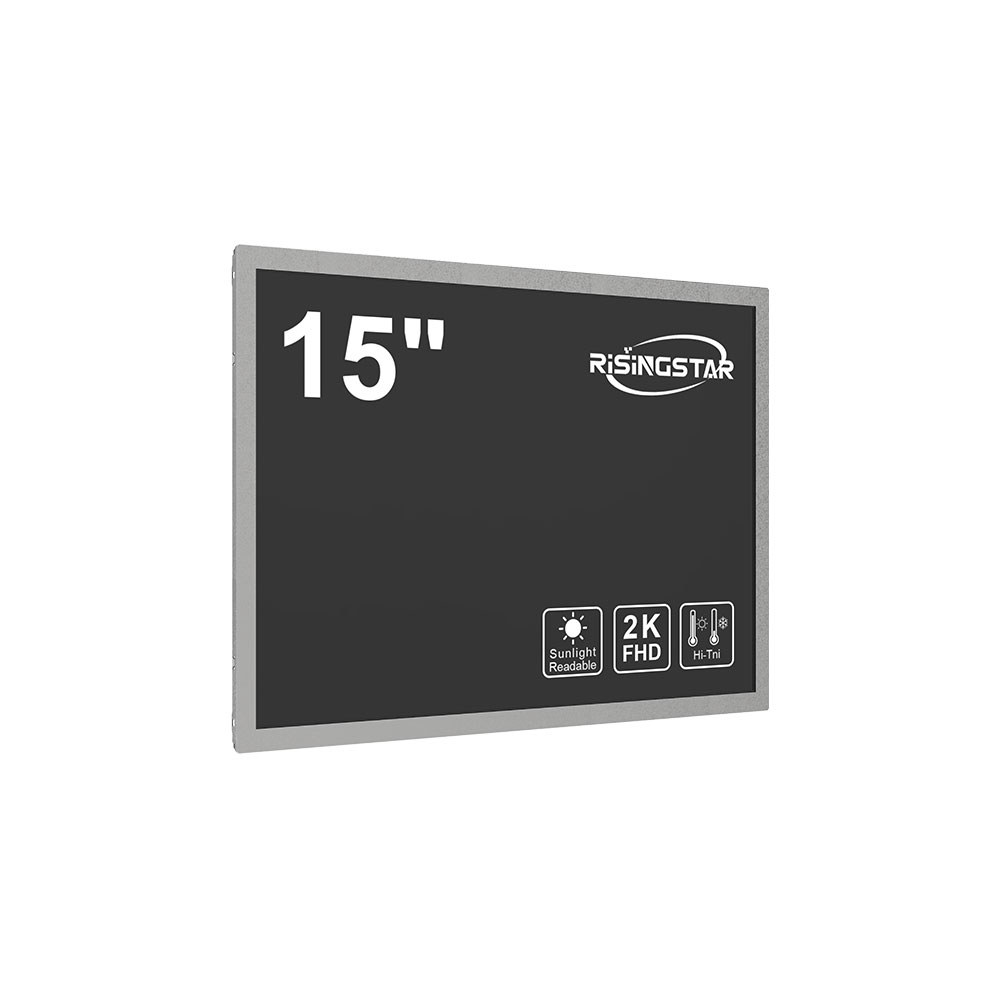
LCD (Liquid Crystal Display) technology remains a cornerstone in modern electronics, powering everything from smartphones and tablets to industrial monitors and automotive dashboards. Unlike OLEDs that emit light directly, LCDs rely on a backlight system—typically LED-based—to illuminate liquid crystal cells arranged in a matrix. These cells manipulate light passage through polarization and voltage control, allowing precise pixel-level image rendering without consuming excessive power.
The evolution of LCDs has been driven by demands for higher resolution, faster response times, and better energy efficiency. For example, IPS (In-Plane Switching) panels offer superior color accuracy and wide viewing angles, making them ideal for graphic design workstations and professional displays. Meanwhile, VA (Vertical Alignment) panels provide excellent contrast ratios, while TN (Twisted Nematic) panels remain popular in budget-friendly gaming monitors due to their low latency.
Manufacturers like LG Display, BOE, and Sharp have continuously improved production yields and reduced costs, enabling mass adoption across consumer and enterprise sectors. Recent innovations include mini-LED backlights for enhanced local dimming and edge-lit designs for thinner form factors—key advantages for portable devices such as laptops and e-readers. Environmental testing standards like IEC 60068 ensure robust performance under extreme temperatures, humidity, and vibration, critical for automotive and aerospace applications.
For designers, understanding LCD specifications—such as brightness (nits), refresh rate (Hz), and viewing angle—is essential for matching display capabilities to use cases. A high-brightness panel (>500 nits) is crucial for outdoor visibility, while 120Hz+ refresh rates enhance user experience in fast-paced applications like VR and gaming. Customer reviews from platforms like Amazon and Reddit often highlight real-world performance differences between brands, reinforcing the importance of selecting the right panel type based on application needs.
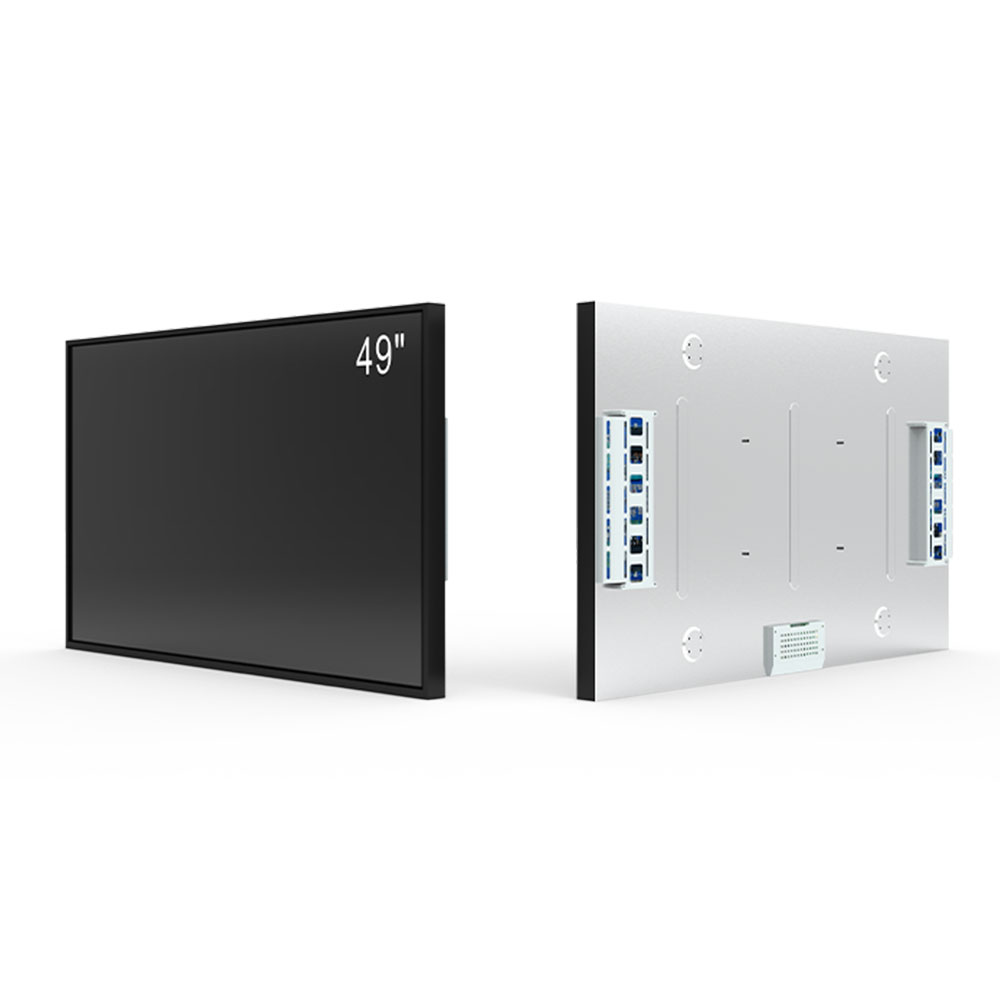
As sustainable manufacturing practices become more important, LCD producers are shifting toward mercury-free components and recyclable materials, aligning with global EPEAT and RoHS compliance frameworks. This ensures not only environmental responsibility but also long-term cost savings for OEMs. Whether designing a medical device, smart home appliance, or industrial control panel, choosing the correct LCD technology involves balancing performance, reliability, and sustainability.