
Understanding 16:9 Aspect Ratio Displays in Modern LCD Technology
In the rapidly evolving world of display technology, the 16:9 aspect ratio remains the gold standard for both consumer and professional applications. Whether you're working with a compact 10.1-inch screen or a massive 110-inch panel, the 16:9 format offers optimal compatibility with HD, Full HD, and even 4K content. This ratio, which represents a width-to-height proportion of 16 units wide by 9 units tall, has become the industry norm due to its versatility across devices such as laptops, desktop monitors, TVs, and commercial signage.
LCD manufacturers now produce panels in precise 16:9 dimensions ranging from small portable displays like 10.1” and 13.3” (commonly found in tablets and ultrabooks) to large-format screens such as 55”, 65”, and even 86” and 98” used in digital signage, retail kiosks, and conference rooms. For example, a 23.8” monitor at 16:9 resolution typically supports 1920x1080p (Full HD), offering clear image quality for office productivity and media consumption. Similarly, a 43” TV with the same ratio can deliver immersive viewing for movies and gaming without distortion or black bars when displaying widescreen content.

The dominance of 16:9 stems from its adoption in global broadcast standards—such as HDTV (High Definition Television)—and modern video formats like YouTube, Netflix, and Blu-ray. This ensures that content creators and consumers benefit from consistent scaling and framing across all screen sizes. Moreover, 16:9 LCDs are cost-efficient to manufacture because they align with mass production lines optimized for this specific ratio, reducing waste and increasing yield in factory settings.
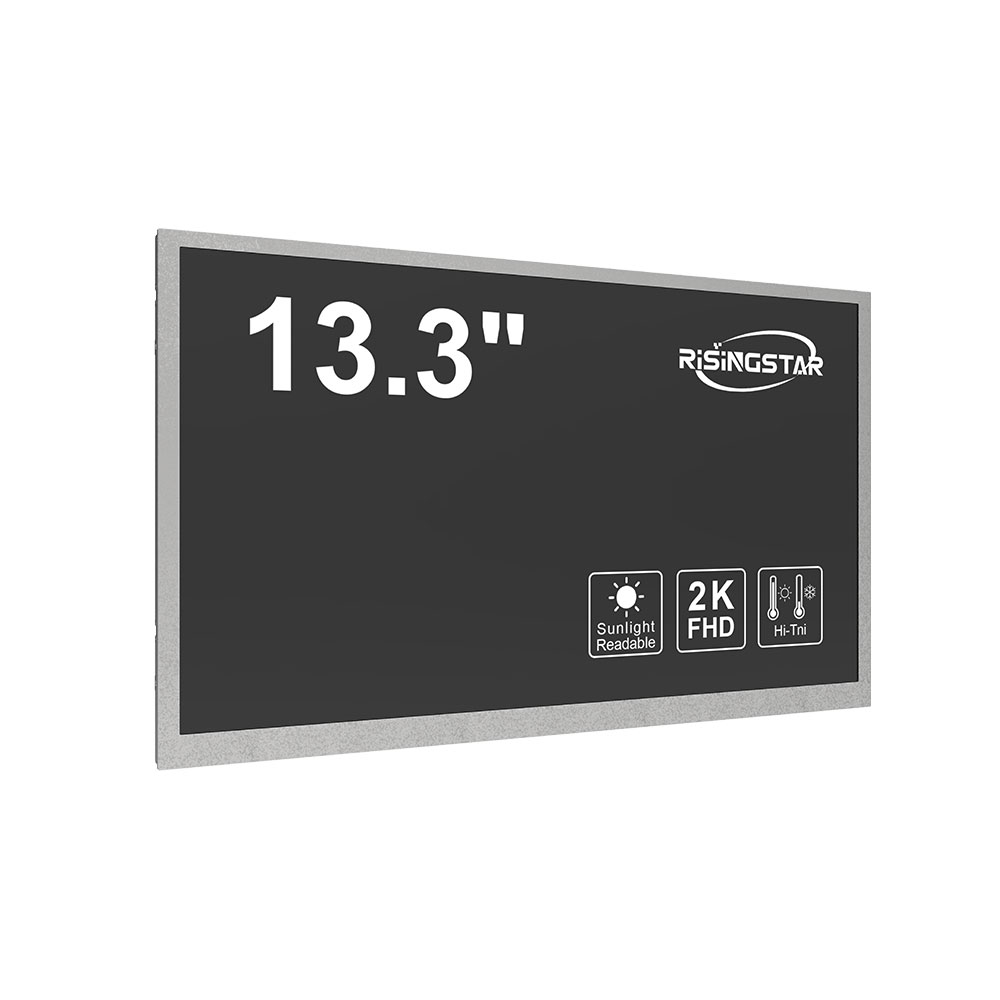
For businesses deploying multiple displays in public spaces—from 18.5” POS terminals to 75” interactive displays in airports—the uniformity of 16:9 simplifies integration, software design, and maintenance. In educational environments, this ratio supports seamless projection of PowerPoint presentations, e-learning platforms, and collaborative tools without needing complex aspect ratio adjustments.
Environmental testing confirms that 16:9 LCDs maintain high contrast ratios, color accuracy, and response times even under varying temperatures and humidity levels, making them reliable for industrial use. Industry reports from Display Supply Chain Consultants (DSCC) show that over 90% of new flat-panel displays produced in 2023 followed the 16:9 standard, underscoring its continued relevance across all market segments.
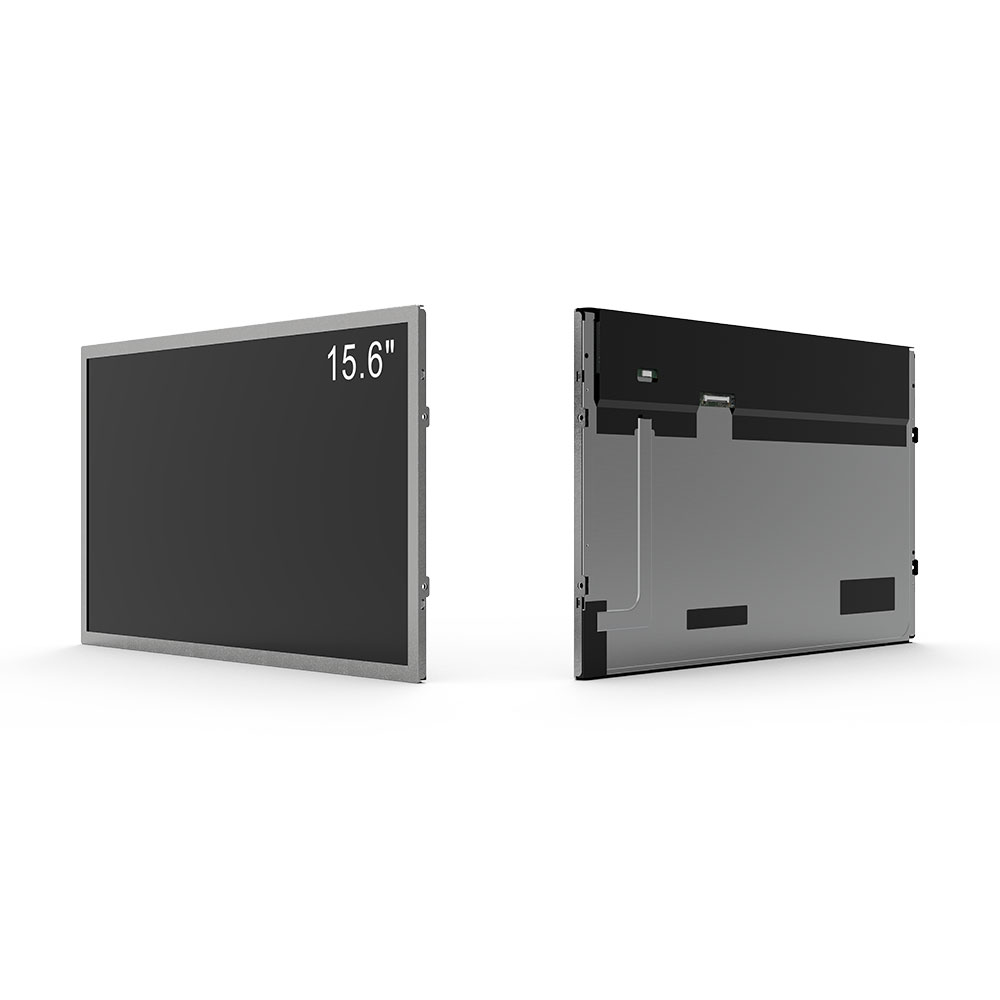
Whether you’re choosing a 15.6” laptop screen, a 32” home theater monitor, or a 110” wall-mounted display for corporate events, selecting a 16:9 aspect ratio ensures maximum compatibility, visual clarity, and future-proof performance.
上一篇:Understanding 16:9 Aspect Ratio LCD Displays for Modern Applications
下一篇:High Brightness Displays for Outdoor and Industrial Applications