
Product Specifications
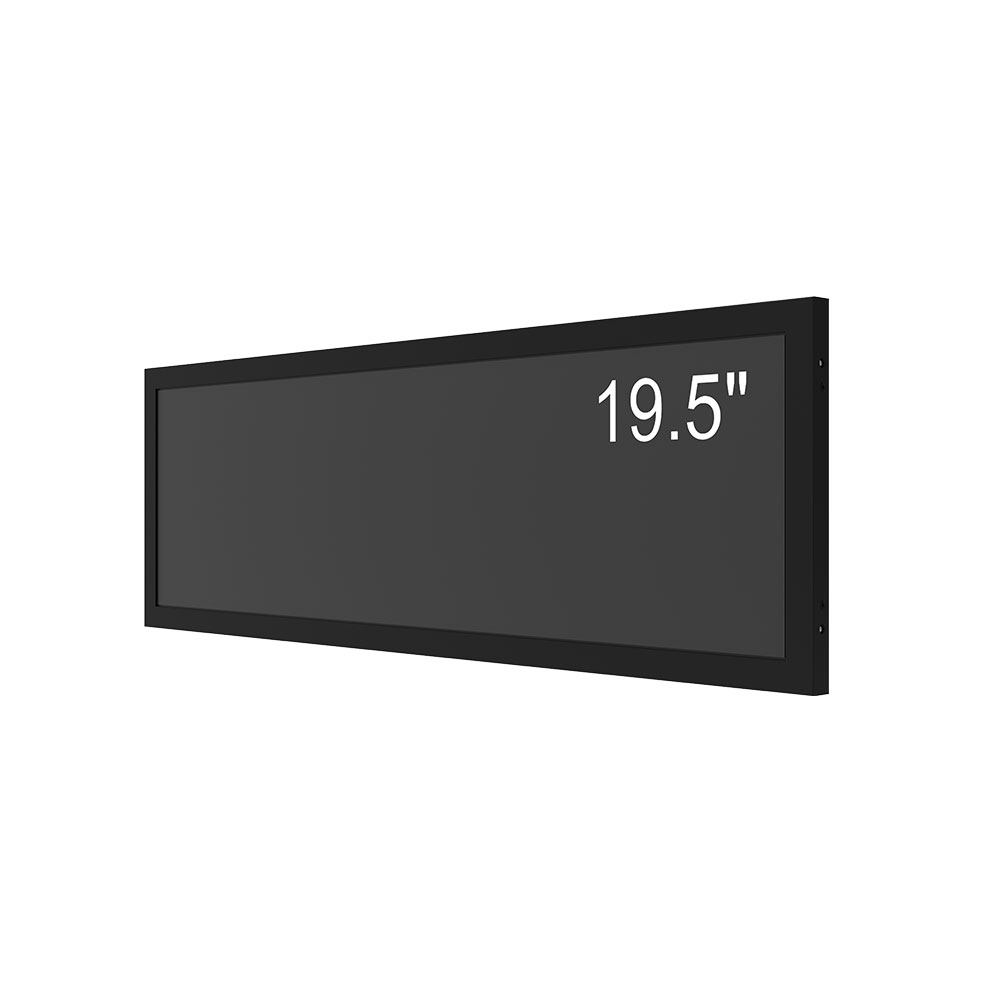
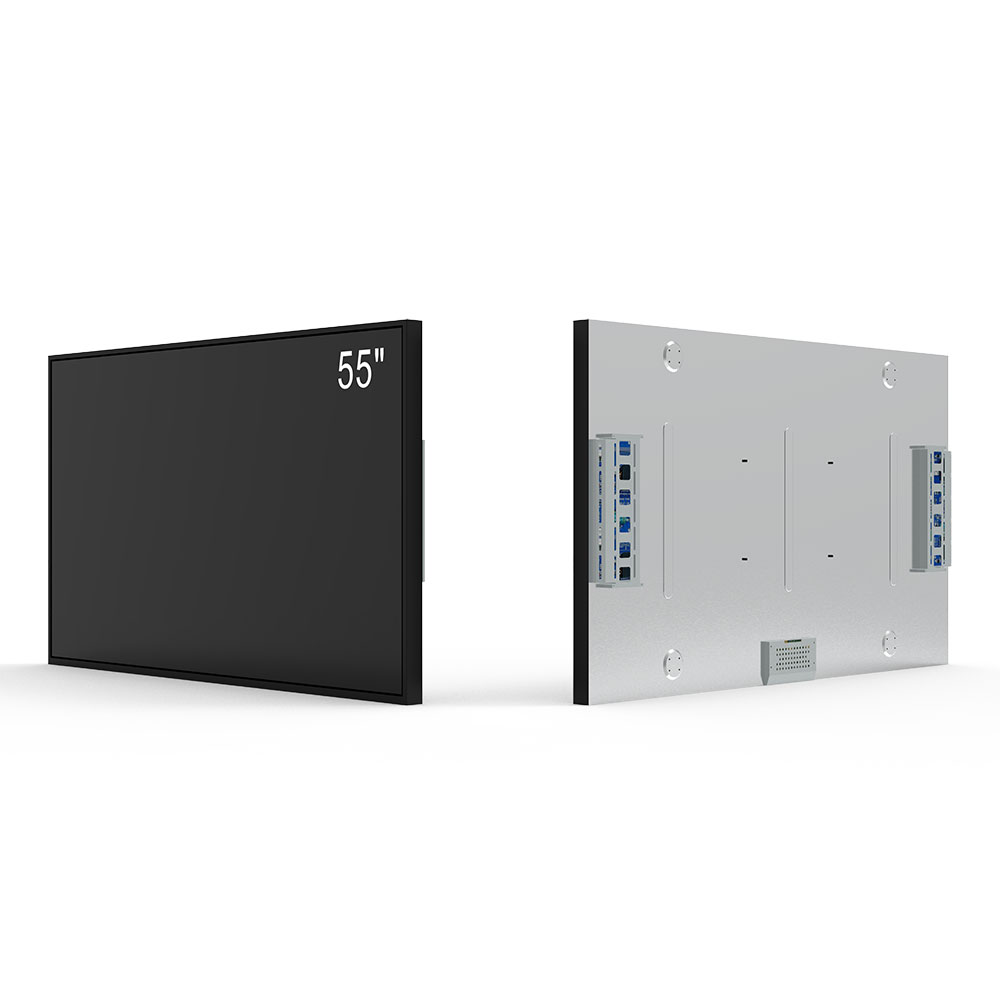
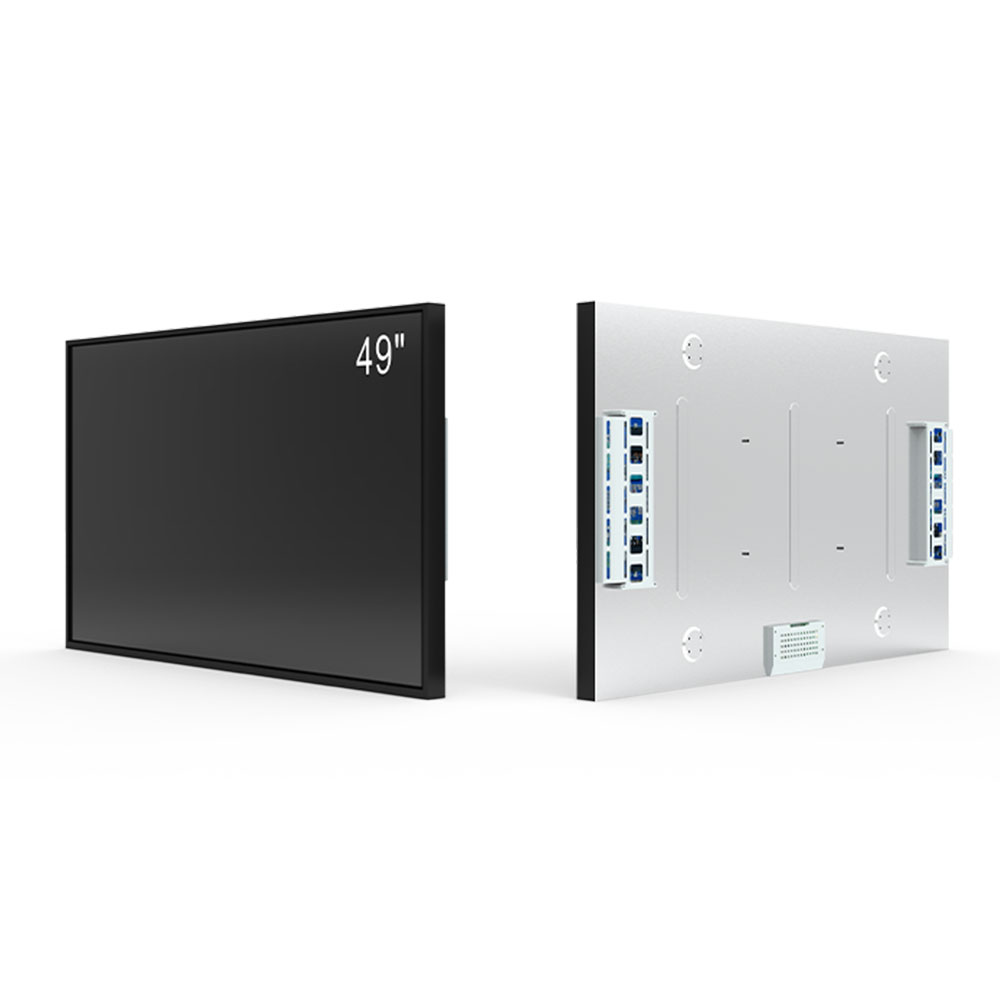
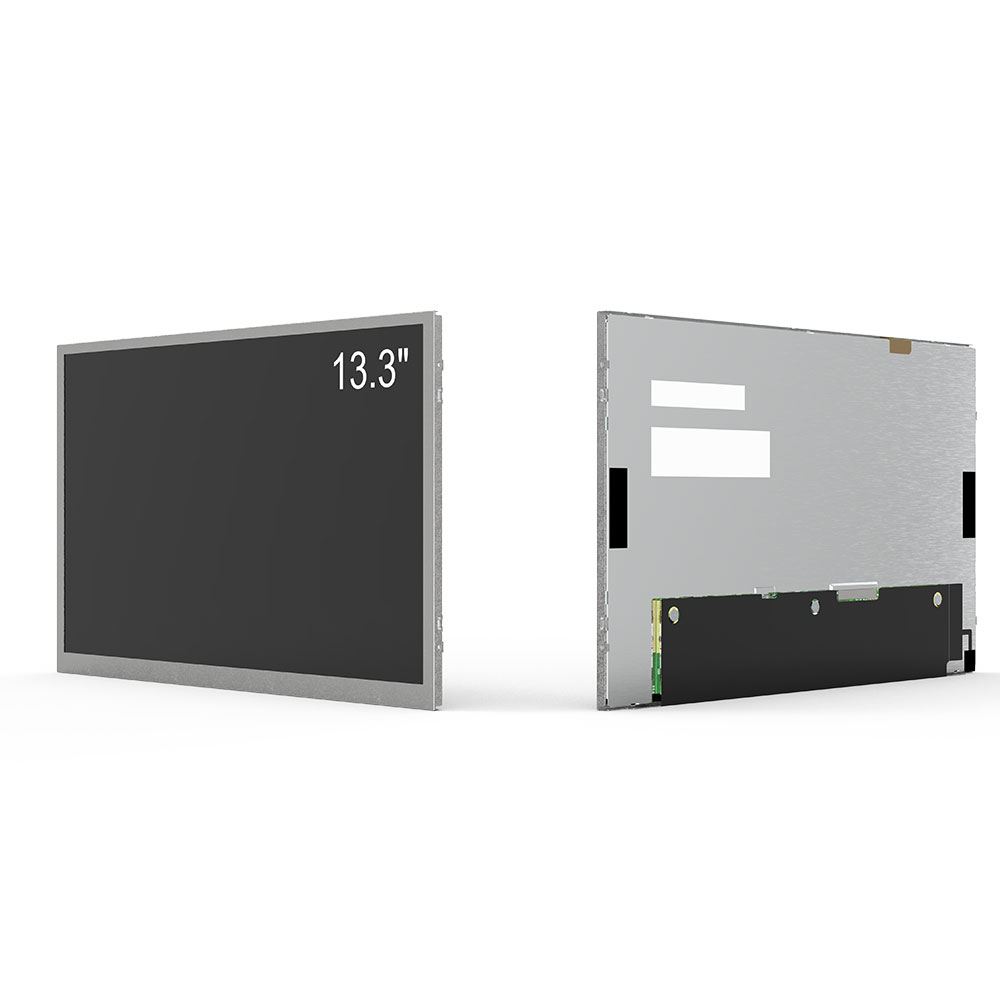
In today’s digital landscape, the 16:9 aspect ratio has become the industry standard for LCD monitors across consumer and professional applications. Whether you're selecting a compact 10.1-inch display for portable productivity or a massive 110-inch panel for commercial signage, understanding how the 16:9 format impacts performance, usability, and compatibility is essential. This ratio ensures optimal viewing comfort by aligning with modern video content, including HD (720p), Full HD (1080p), and even 4K UHD standards. For example, a 23.8-inch 16:9 monitor delivers sharp clarity for graphic design work, while a 55-inch model provides immersive visuals for home theater setups. The uniformity of this ratio simplifies content scaling, reduces distortion, and enhances user experience on devices from laptops to large-format digital signage. Manufacturers like LG, Dell, and ASUS have standardized their product lines around 16:9 to support widespread adoption in gaming, education, office environments, and entertainment. Moreover, this aspect ratio optimizes space efficiency—critical for multi-monitor setups in trading floors or control rooms—where multiple screens must fit seamlessly into limited desk real estate. Even at extreme sizes such as 86-inch and 98-inch displays, the 16:9 format maintains visual balance and prevents excessive horizontal stretching. As demand grows for energy-efficient, high-resolution displays, the 16:9 ratio remains the preferred choice due to its versatility, cost-effectiveness, and alignment with global media production standards. From 13.3-inch ultrabooks to 110-inch commercial displays, the 16:9 LCD screen continues to be the gold standard in display technology.
Related Products
Explore more display solutions for your project.
LCD Monitor Display Ratios Explained 16:9 for Professional and Home Use
IK10 Industrial LCD Display Solutions for Harsh Environments
How to Choose the Right LCD Panel for Your Display Application
High-Performance Outdoor LCD Displays for Transit and Commercial Applications
High-Brightness LCD Displays for Harsh Environments – 5000 Nits Direct-Lit Backlight Solutions