
Product Specifications
When selecting an LCD panel for your display application—whether it's for consumer electronics, industrial equipment, or medical devices—it's essential to understand the key technical and environmental factors that influence performance, longevity, and cost-effectiveness. The right choice ensures optimal user experience, reduces maintenance costs, and enhances product reliability.
First, consider the panel type. TN (Twisted Nematic), IPS (In-Plane Switching), and VA (Vertical Alignment) panels each offer distinct advantages. TN panels are known for fast response times and lower cost, making them ideal for gaming monitors and budget-friendly displays. IPS panels provide superior color accuracy and wide viewing angles, which is critical in professional design work and digital signage. VA panels strike a balance with high contrast ratios and deep blacks, often used in home theater systems and premium TVs.
Next, evaluate resolution and pixel density. Higher resolutions like 4K UHD (3840x2160) or even 8K are becoming standard in high-end applications, while 1080p (Full HD) remains common in mid-range devices. Pixel density (PPI – Pixels Per Inch) directly impacts image clarity; for instance, a 15.6-inch laptop screen at 1920x1080 has about 141 PPI, which is considered sharp for most users.
Brightness and contrast ratio matter for visibility in different lighting conditions. A brightness level of at least 300 nits is standard for indoor use, while outdoor or sunlight-readable displays typically require 1000+ nits. Contrast ratios above 1000:1 ensure vivid visuals, especially in dark environments.
Environmental durability is another crucial factor. Industrial-grade panels must meet IP65 or higher ratings for dust and water resistance, and operate reliably from -20°C to 70°C. For medical or automotive applications, compliance with ISO 16750 and MIL-STD-810G standards is non-negotiable for vibration, shock, and temperature stability.
Lastly, consider power consumption and lifespan. OLED panels consume less power when displaying dark content but may suffer from burn-in over time. LCDs with LED backlighting typically last 50,000–100,000 hours, depending on usage patterns and thermal management.
By aligning these specifications with your specific use case—such as embedded systems, kiosks, or automotive dashboards—you can select an LCD panel that delivers both performance and value. Always consult manufacturer datasheets, request samples, and conduct real-world testing before finalizing your choice.
Related Products
Explore more display solutions for your project.
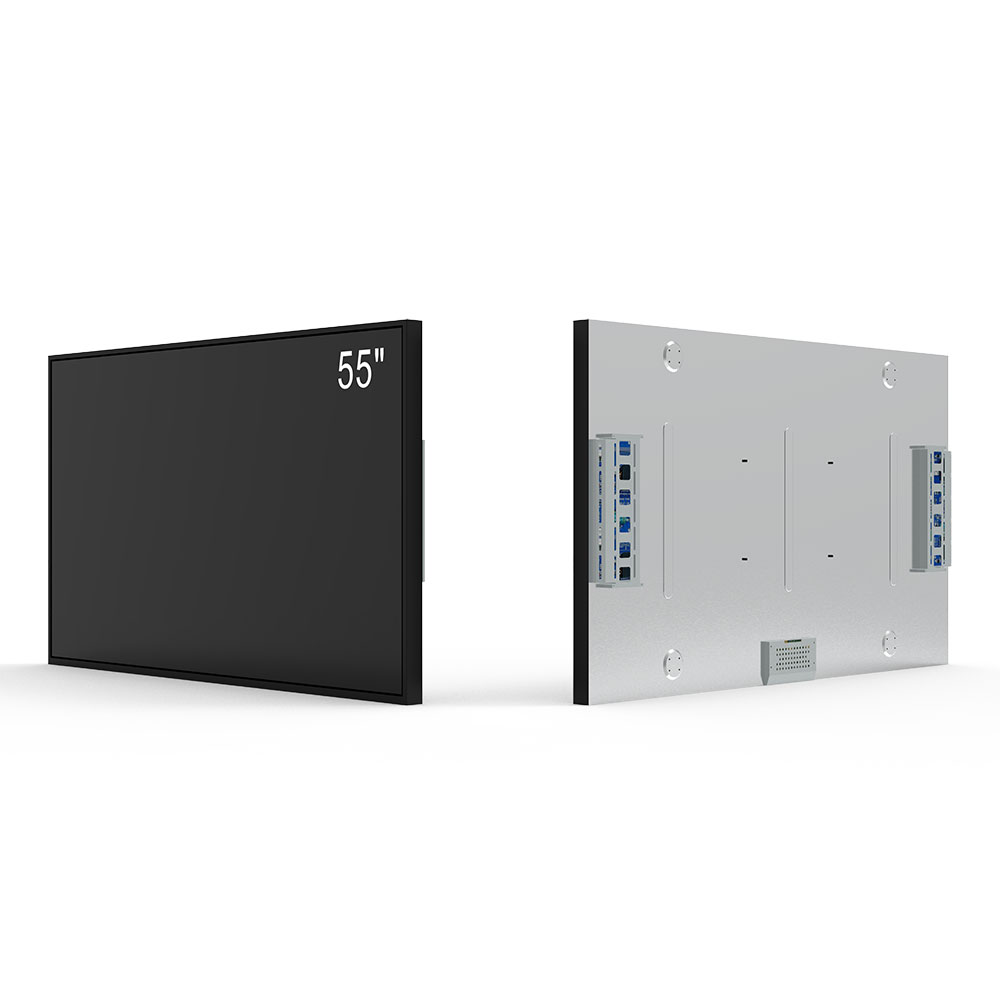
LCD Monitor Display Ratios Explained 16:9 for Professional and Home Use
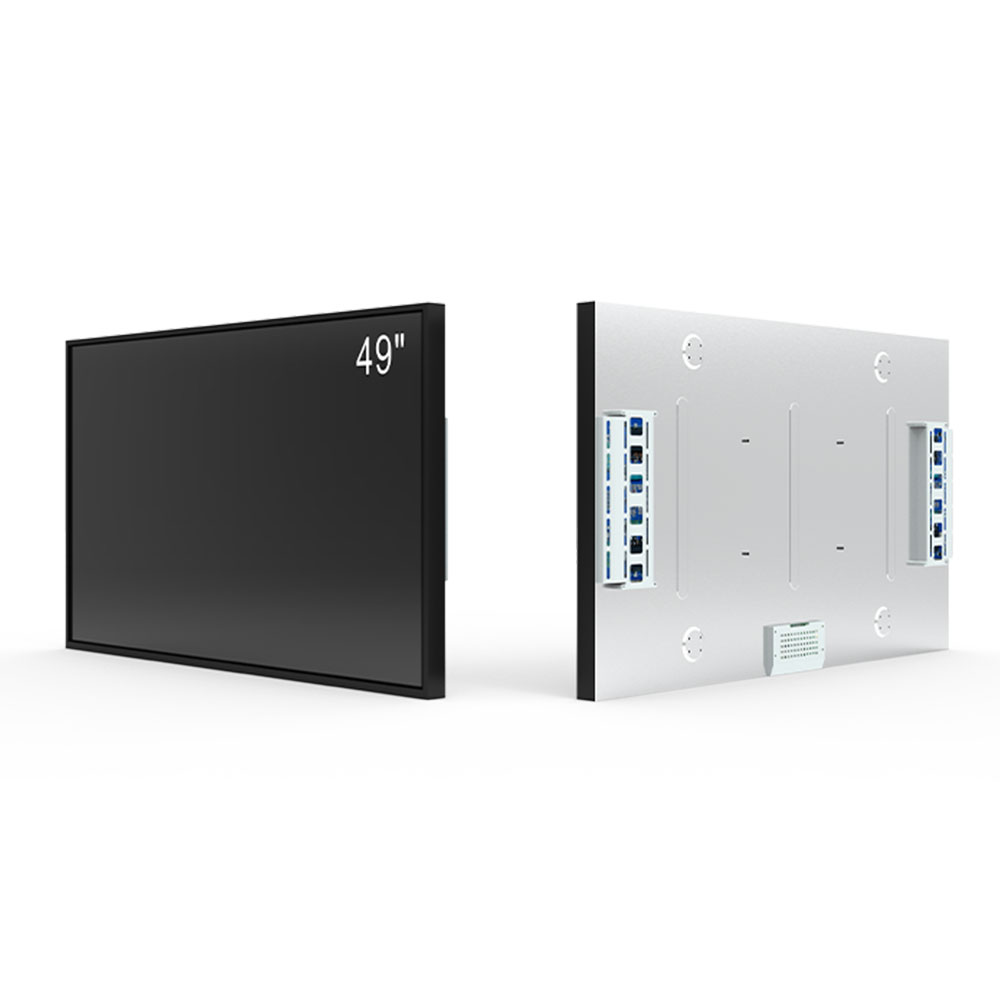
IK10 Industrial LCD Display Solutions for Harsh Environments
How to Choose the Right LCD Panel for Your Display Application
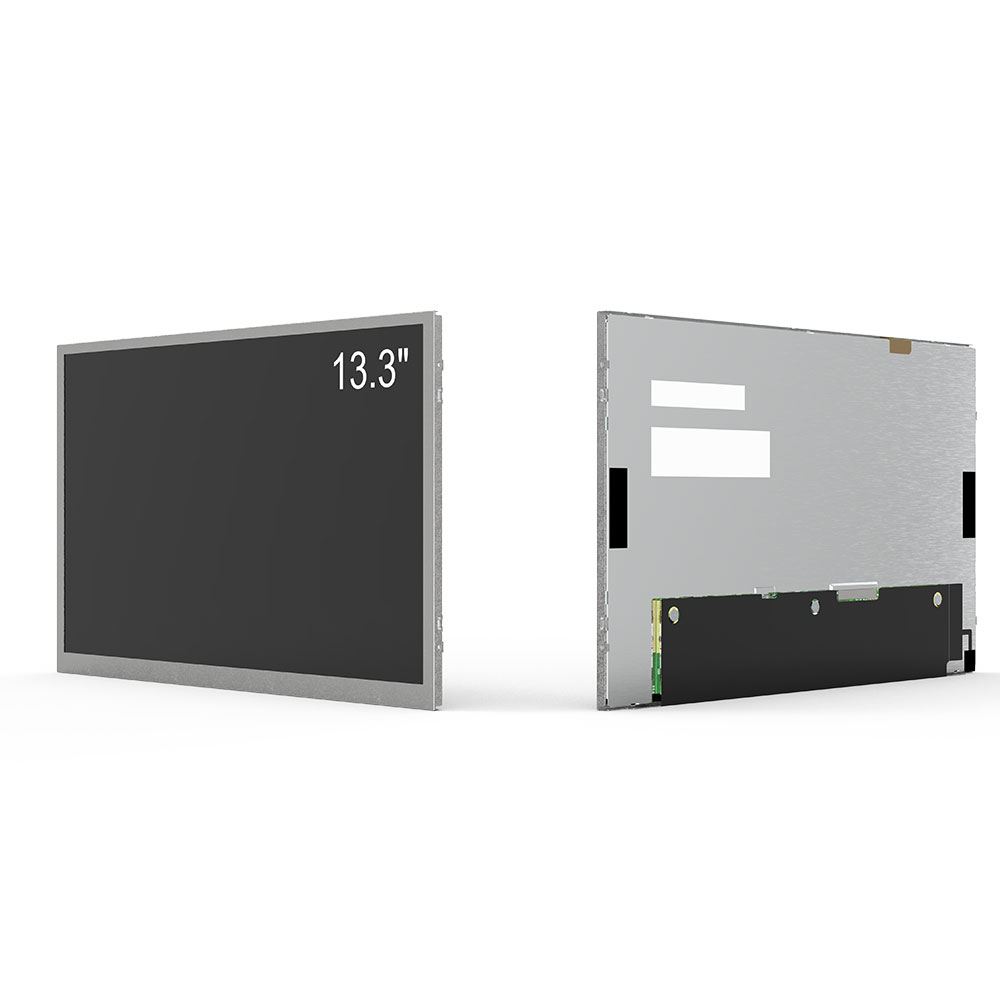
High-Performance Outdoor LCD Displays for Transit and Commercial Applications
High-Brightness LCD Displays for Harsh Environments – 5000 Nits Direct-Lit Backlight Solutions