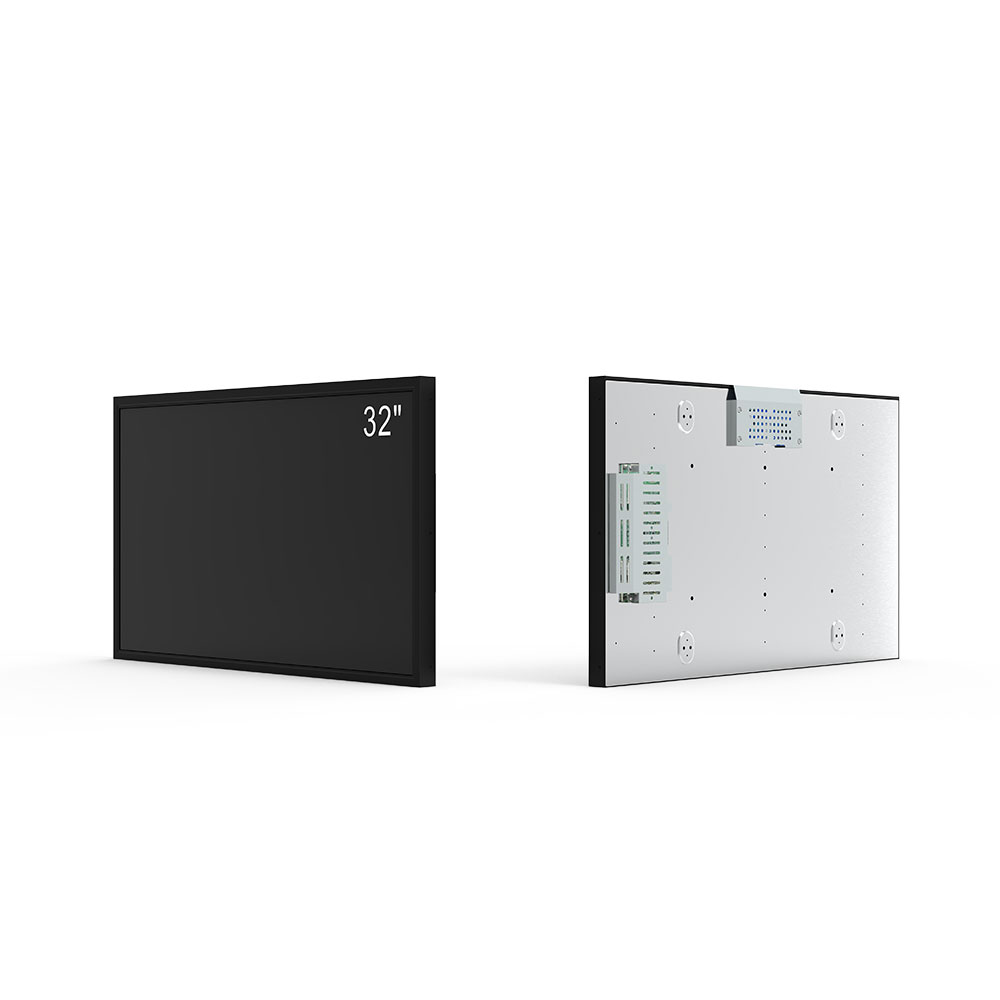
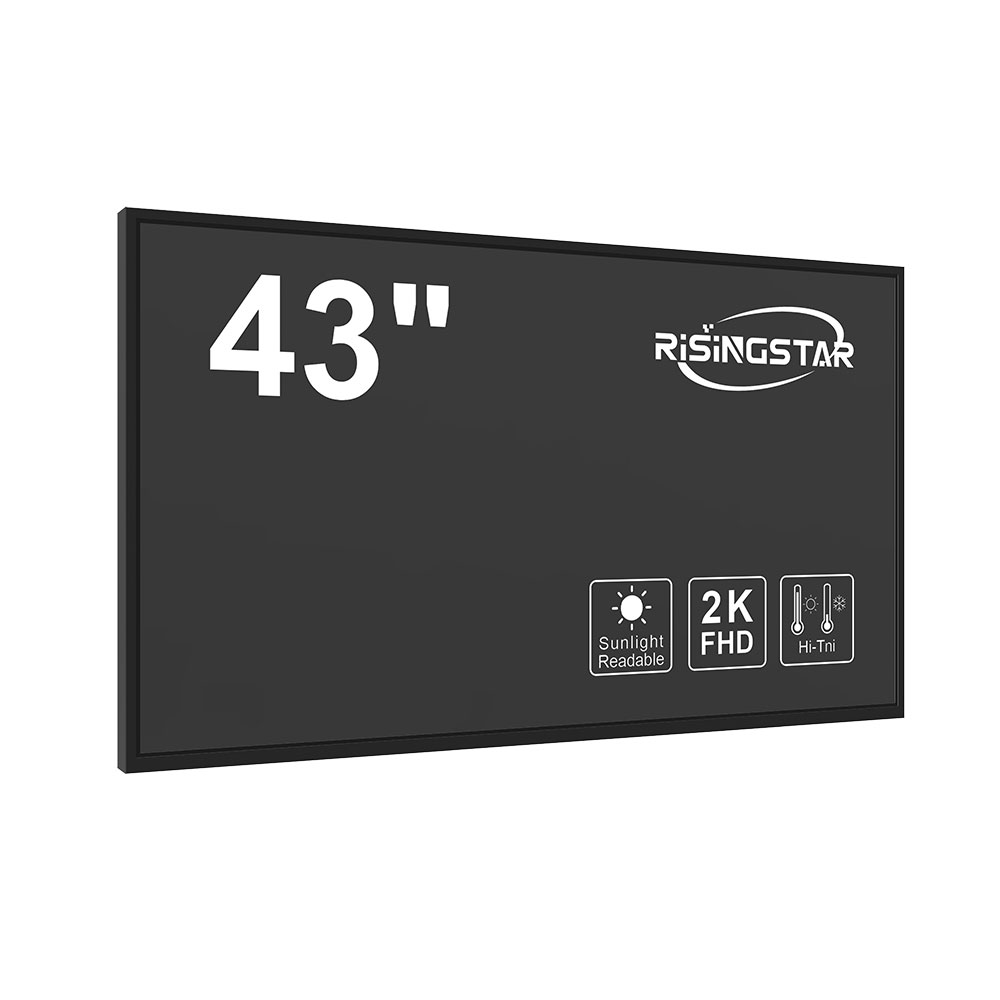
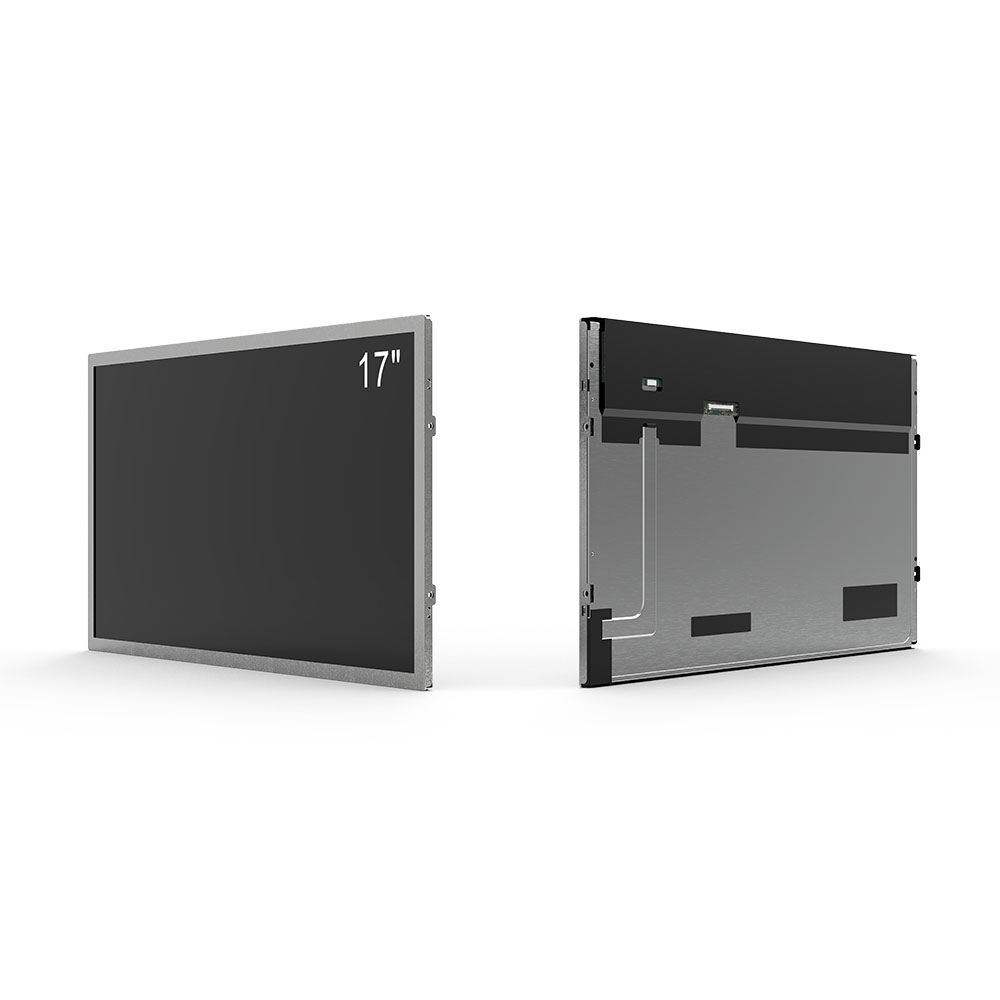
In outdoor environments, especially in direct sunlight, standard LCD screens often fail to deliver clear visibility due to insufficient brightness and poor contrast. To address this challenge, engineers and manufacturers have developed sunlight-readable high-brightness LCD screens—a specialized class of displays engineered to perform reliably under extreme lighting conditions. These screens are critical for applications ranging from military field equipment and industrial control panels to transportation systems like buses and trains, as well as retail kiosks and solar-powered monitoring devices.
The core of a sunlight-readable LCD lies in its ability to maintain legibility under bright ambient light, typically exceeding 10,000 lux (standard office lighting is around 300–500 lux). Achieving this requires more than just increasing backlight intensity—it demands a holistic design approach that includes optical bonding, high-contrast panels, anti-glare coatings, and adaptive brightness control. According to the MIL-STD-188-124 standard for military-grade displays, sunlight readability must be validated under controlled test conditions simulating direct sunlight at 10,000 lux or higher. Many commercial models now exceed 5,000 nits of peak brightness, with some reaching up to 10,000 nits—far beyond the typical 250–500 nits found in consumer-grade displays.
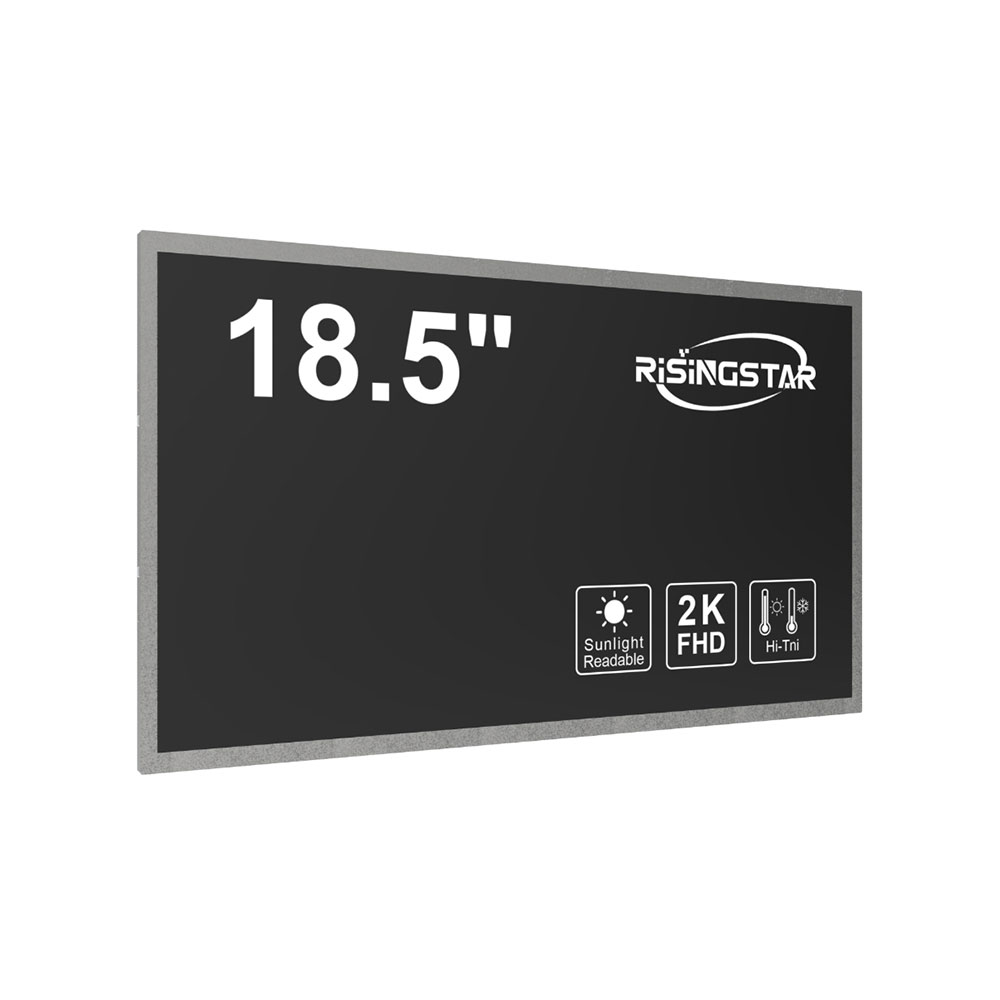
Optical bonding, which eliminates air gaps between the display panel and protective cover glass, significantly reduces internal reflections and improves contrast. This technique also enhances durability by minimizing moisture ingress and mechanical stress—a key consideration in harsh environments such as deserts or coastal zones. Additionally, anti-reflective (AR) coatings and polarized filters reduce glare without sacrificing screen clarity. For energy-sensitive applications like solar-powered IoT devices, adaptive brightness algorithms dynamically adjust luminance based on ambient light sensors, preserving battery life while maintaining readability.
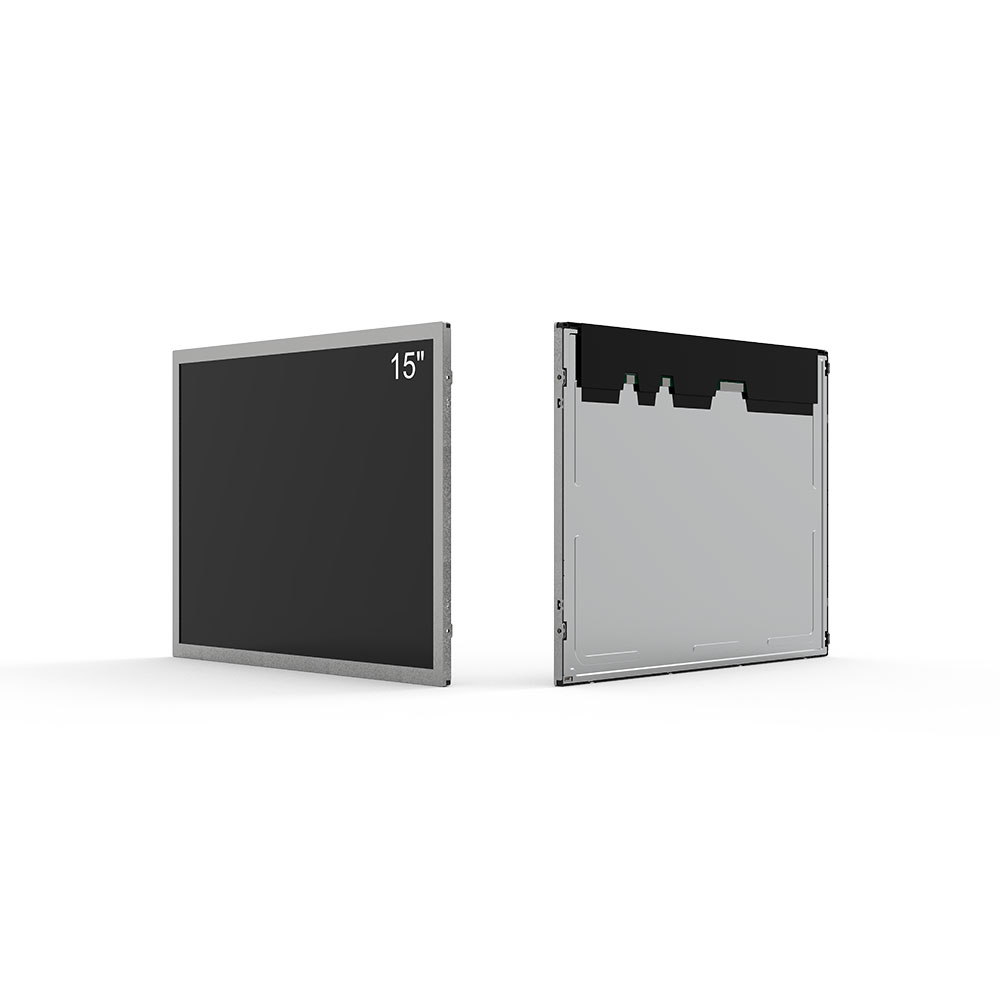
Manufacturers such as LG Display, Sharp, and Candescent Technologies have demonstrated real-world success in deploying these screens across defense, automotive, and public infrastructure sectors. Case studies from the U.S. Department of Defense and European rail operators show that sunlight-readable LCDs reduce operator fatigue, increase operational efficiency, and lower maintenance costs by extending display lifespan in outdoor use.
In conclusion, sunlight-readable high-brightness LCD screens represent a convergence of materials science, optics engineering, and environmental adaptability. As demand grows for reliable outdoor interfaces in smart cities, autonomous vehicles, and remote sensing systems, investing in these advanced displays is not just a performance upgrade—it’s an essential requirement for mission-critical applications. Designers must consider total system integration, including thermal management, ruggedization, and compliance with international standards like EN 60068 (environmental testing) and ISO 16750 (automotive electrical systems).