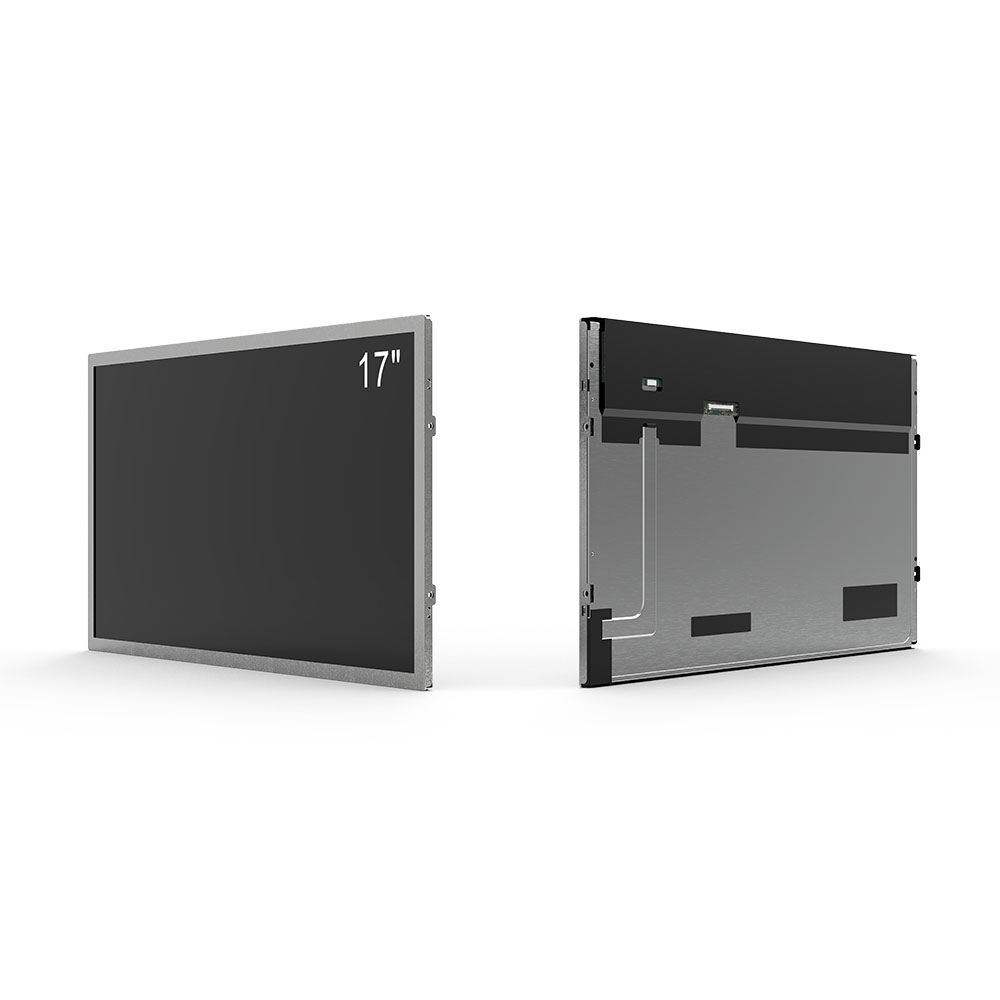
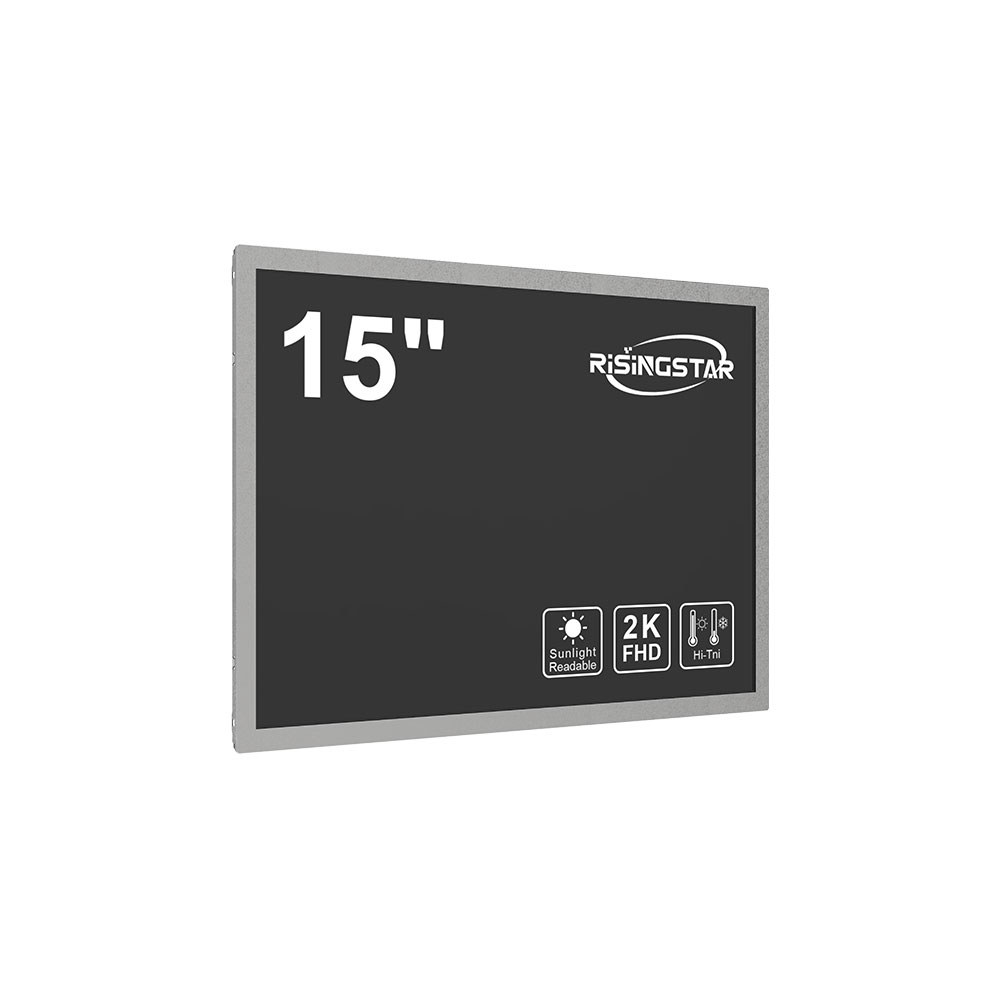
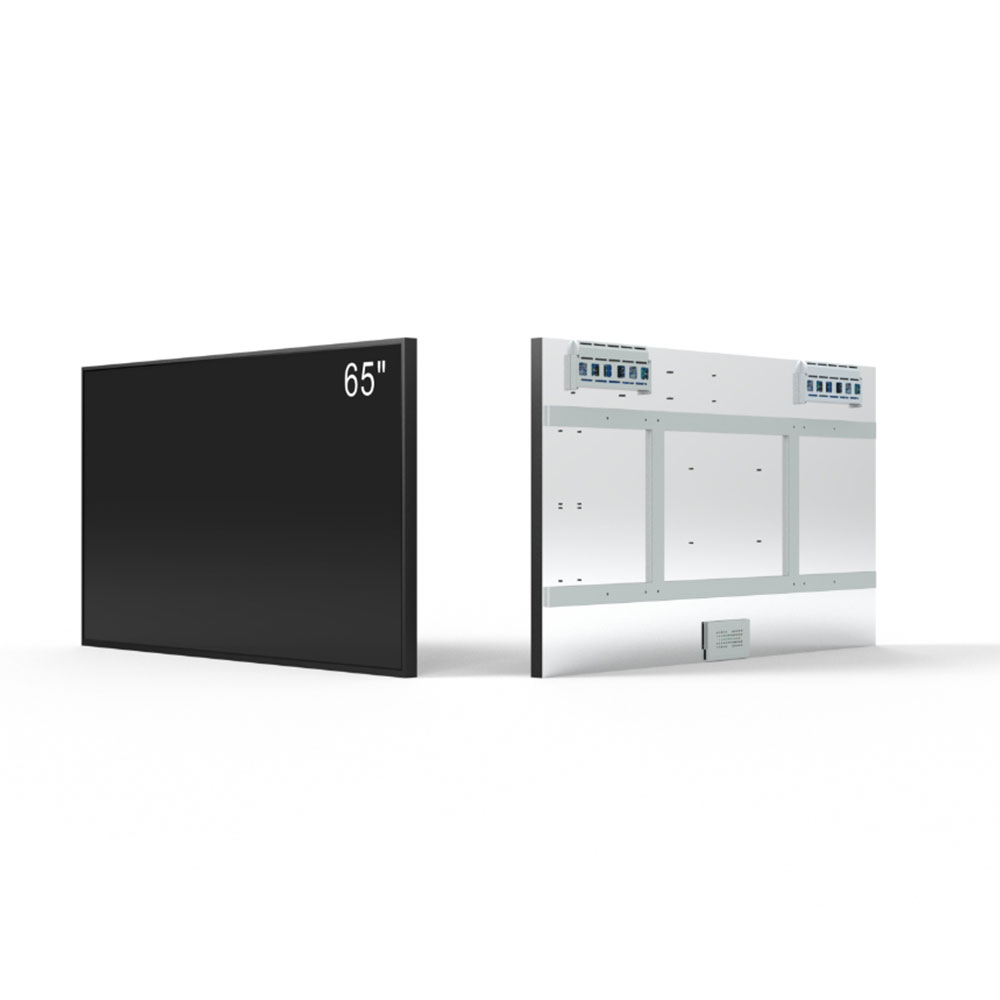
Sunlight readable high brightness LCD screens are critical components in outdoor and industrial applications where visibility under direct sunlight is essential. These displays typically offer brightness levels of 5,000 to 10,000 nits or more—far exceeding standard indoor LCDs that usually operate at 300–500 nits. This extreme luminance ensures legibility even under harsh solar conditions, such as on construction sites, military vehicles, marine vessels, and transportation systems like buses and trains.
The technology behind these screens includes advanced backlighting (often LED-based with local dimming), anti-reflective coatings, polarized filters, and optimized liquid crystal materials. For example, modern sunlight-readable LCDs use IPS (In-Plane Switching) or VA (Vertical Alignment) panels for wide viewing angles and superior contrast ratios. Manufacturers also integrate automatic brightness control (ABC) using ambient light sensors to reduce power consumption while maintaining optimal readability.
Industry standards such as MIL-STD-810G and IP65/67 ratings ensure durability against shock, vibration, dust, and water ingress—critical for rugged environments. In the defense sector, sunlight-readable displays must comply with stringent DoD specifications for operational readiness in battlefield conditions. Similarly, in commercial aviation, displays must meet DO-160 standards for temperature extremes and electromagnetic compatibility.
Case studies show that high-brightness LCDs have significantly improved operational efficiency in logistics and field service operations. For instance, a major trucking company reported a 40% reduction in driver misreadings after upgrading to 7,000-nit sunlight-readable screens in their fleet dashboards. Another study by the U.S. Navy demonstrated that soldiers using high-brightness displays in open-air scenarios made 30% fewer errors during mission-critical tasks compared to those using standard LCDs.
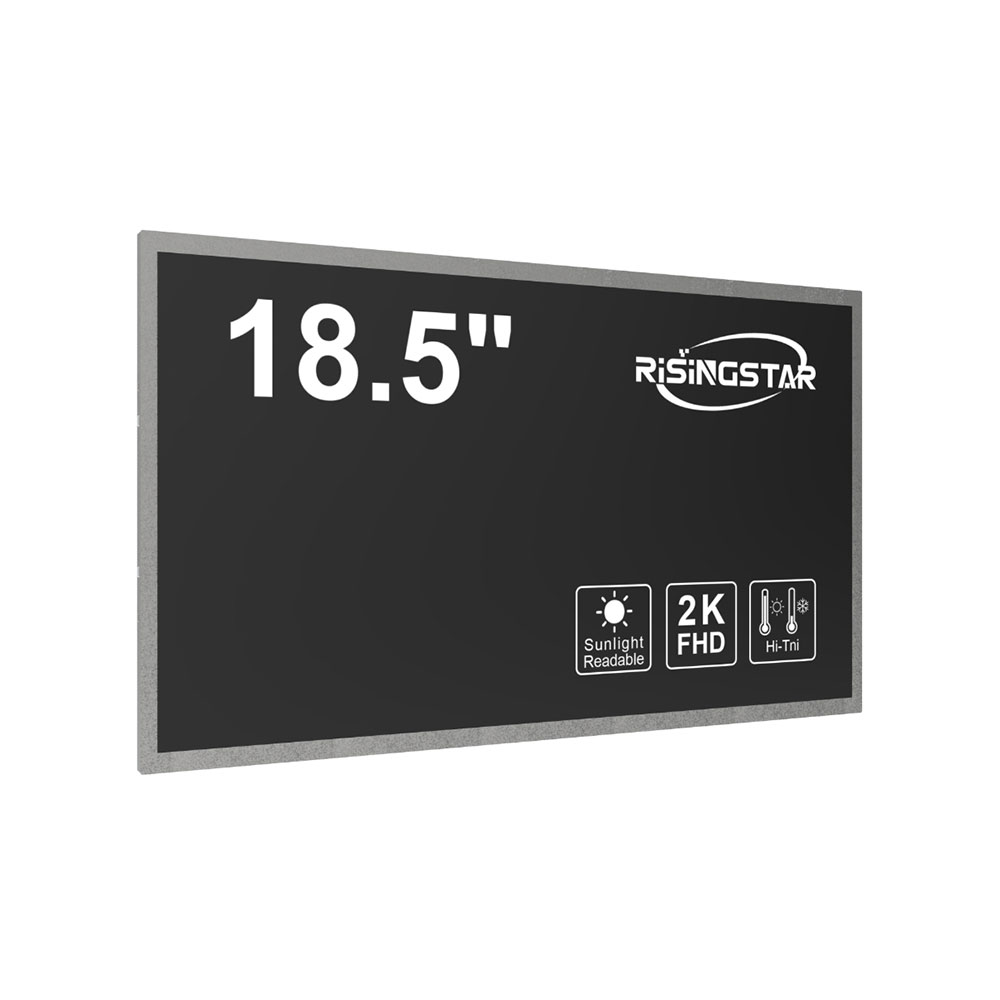
To maintain long-term performance, manufacturers recommend regular calibration and use of protective films to prevent screen degradation from UV exposure and mechanical abrasion. Additionally, thermal management remains a challenge—high brightness increases heat generation, so effective heat dissipation designs (e.g., aluminum backplanes or passive cooling) are crucial.
As global demand grows for reliable outdoor displays—from smart city kiosks to solar-powered monitoring stations—the future of sunlight-readable LCDs lies in integrating AI-driven brightness optimization, energy-efficient OLED alternatives, and flexible substrates for curved surfaces.