In the design and manufacturing of sunlight-readable, high-brightness LCD screens—especially for industrial, military, and outdoor applications—the IP66 waterproof rating is not just a specification—it’s a critical performance benchmark. IP66, defined by IEC 60529, indicates complete protection against dust (6) and powerful water jets from any direction (6). This standard ensures that your display remains operational even under harsh environmental conditions such as heavy rain, splashing, or high-pressure cleaning.
To achieve IP66 compliance in high-brightness LCDs, engineers must address both mechanical and material-level challenges. First, the housing must be sealed using advanced gasket materials like EPDM rubber or silicone-based seals that maintain integrity across wide temperature ranges (-40°C to +85°C). These gaskets are often tested using salt spray, humidity, and pressure chamber simulations to ensure long-term durability.
Second, the front glass of the display must be chemically strengthened (e.g., ion exchange or thermal tempering) to resist impact while allowing for optically clear bonding with the seal. In some cases, manufacturers use anodized aluminum enclosures with CNC-machined edges for tight tolerances—critical for maintaining the IP66 seal without compromising screen clarity.
Third, connector interfaces (such as HDMI, USB, or Ethernet) require specialized waterproof connectors rated to IP66 or higher. These often feature O-rings, lockable caps, or self-sealing mechanisms that prevent moisture ingress during unplugged operations. For example, the use of M12-style connectors in industrial displays has become a best practice due to their proven reliability in wet environments.
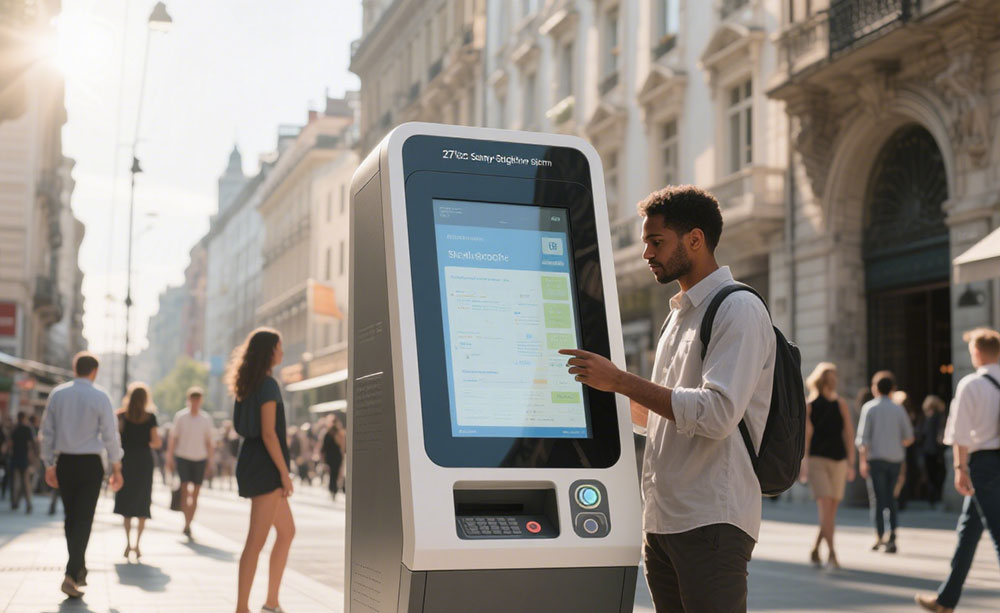
Real-world case studies validate this approach: A defense contractor deploying high-brightness displays in desert patrol vehicles reported zero failures over 12 months after implementing IP66-rated units with dual-seal front glass and weatherproof connectors. Similarly, a solar-powered traffic signage manufacturer saw a 70% reduction in field service calls after switching to IP66-compliant displays in tropical regions.
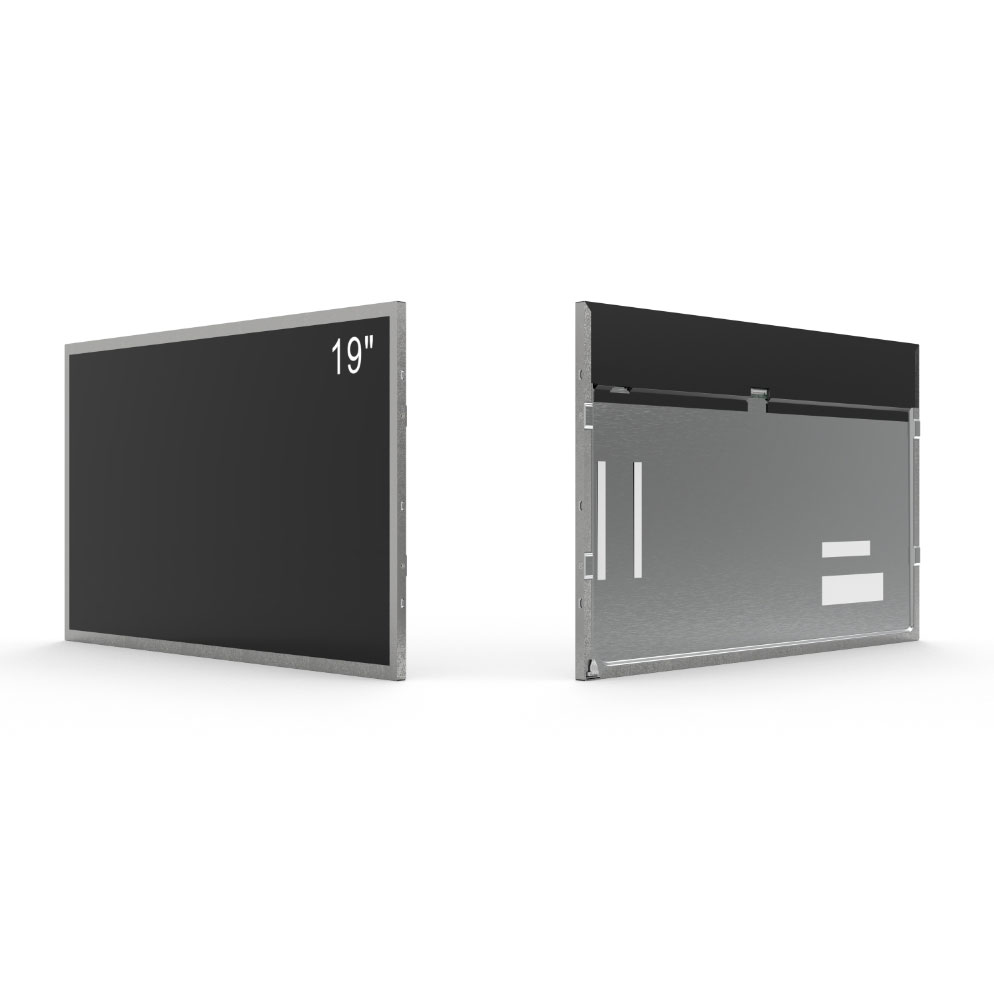
It’s important to note that achieving IP66 does not compromise brightness or readability. Modern LED backlighting technologies, such as edge-lit or full-array local dimming (FALD), allow for brightness levels up to 5,000 nits while maintaining thermal efficiency—a key factor in sustaining IP66 performance over time.
Ultimately, IP66 waterproofing in high-brightness LCDs is a systems-level engineering achievement. It requires cross-disciplinary expertise in materials science, sealing technology, and thermal management. As global demand for reliable outdoor displays grows—from smart city infrastructure to agricultural IoT devices—IP66 remains the gold standard for ensuring longevity, safety, and performance under extreme conditions.