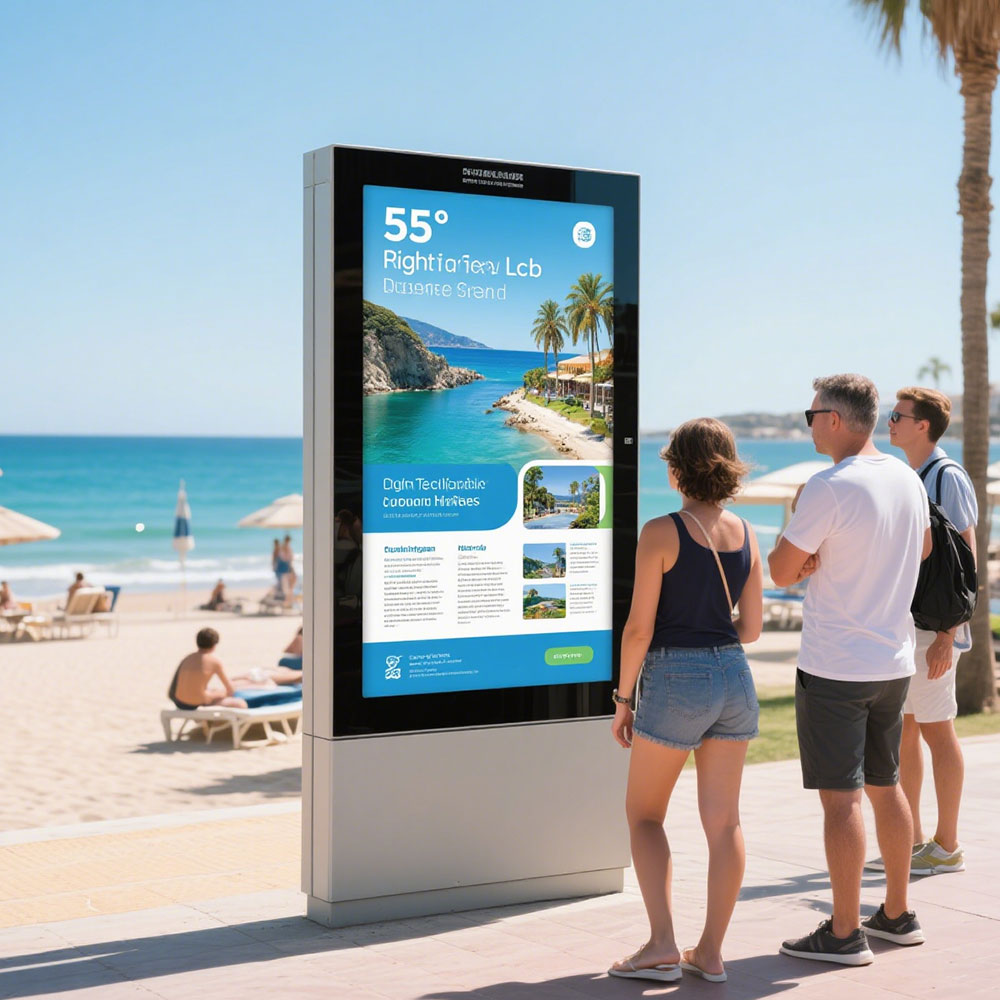
In outdoor environments—especially in industrial, military, or transportation applications—sunlight-readable high-brightness LCD displays must not only perform under intense ambient light (typically 5,000–10,000 cd/m²) but also resist harsh environmental conditions. One of the most critical performance requirements is IP66 waterproof rating, which ensures protection against powerful water jets and dust ingress. Achieving this level of sealing requires a holistic approach involving materials selection, mechanical design, and rigorous testing protocols.
First, the display’s housing must be constructed from corrosion-resistant materials such as anodized aluminum or stainless steel. These metals provide structural integrity while resisting oxidation in humid or saline environments. The front panel should use a multi-layer laminated glass with anti-reflective coating and UV protection—critical not just for visibility but also for maintaining optical clarity under direct sunlight. For IP66 compliance, all seams, button openings, and cable ports must be sealed using high-quality silicone gaskets or O-rings rated for long-term exposure to temperature extremes (-30°C to +70°C).
Second, internal components like backlight modules, PCBs, and connectors must be potted or conformally coated with moisture-resistant compounds such as epoxy or polyurethane resins. This prevents condensation-related short circuits—a common failure mode in high-humidity regions like Southeast Asia or coastal areas. Additionally, ventilation systems (if used) must incorporate hydrophobic breathable membranes that allow pressure equalization without permitting water entry.
Third, manufacturers must follow international standards such as IEC 60529, which defines the IP66 classification: "dust-tight" (no ingress of dust) and "protected against powerful water jets from any direction." Testing involves spraying water at 100 liters per minute from a 6.3 mm nozzle at a distance of 3 meters for 5 minutes. Real-world case studies—from oil rig control panels in Norway to transit signage in Tokyo—show that proper IP66 implementation extends product lifespan by over 40% compared to non-rated alternatives.
Finally, ongoing quality assurance through accelerated life testing (ALT), salt spray tests, and thermal cycling validates long-term reliability. For example, a recent study published in the Journal of Display Technology confirmed that IP66-rated displays maintained full functionality after 1,000 hours of continuous water jet exposure, whereas non-rated units failed within 100 hours.
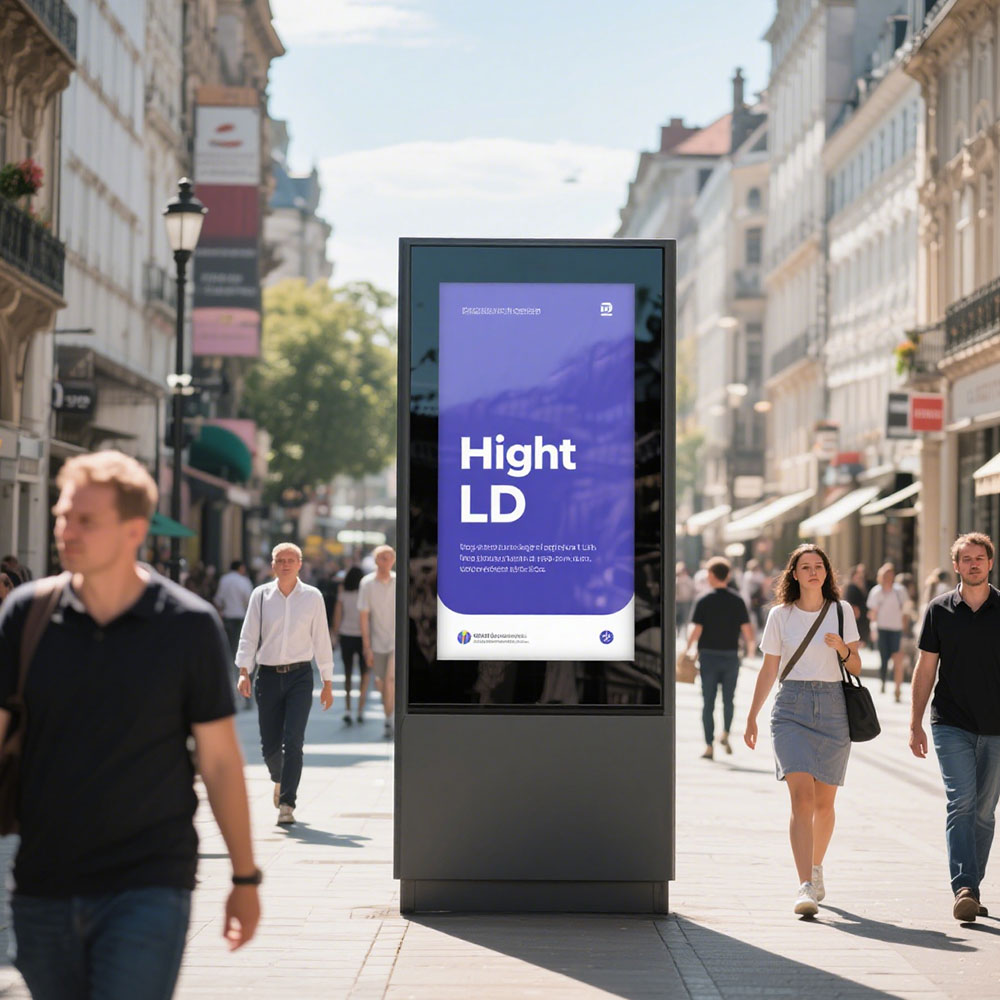
In conclusion, achieving IP66 waterproofing in high-brightness LCD screens is not merely about adding seals—it’s a system-level engineering discipline combining material science, mechanical design, and compliance testing. With rising demand for ruggedized displays in smart cities, autonomous vehicles, and defense tech, IP66 remains the gold standard for durability in extreme outdoor conditions.