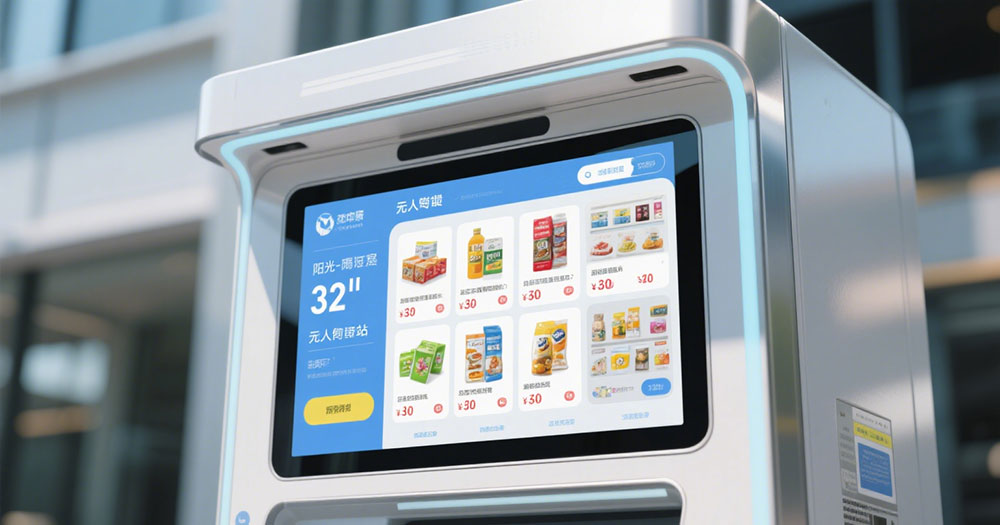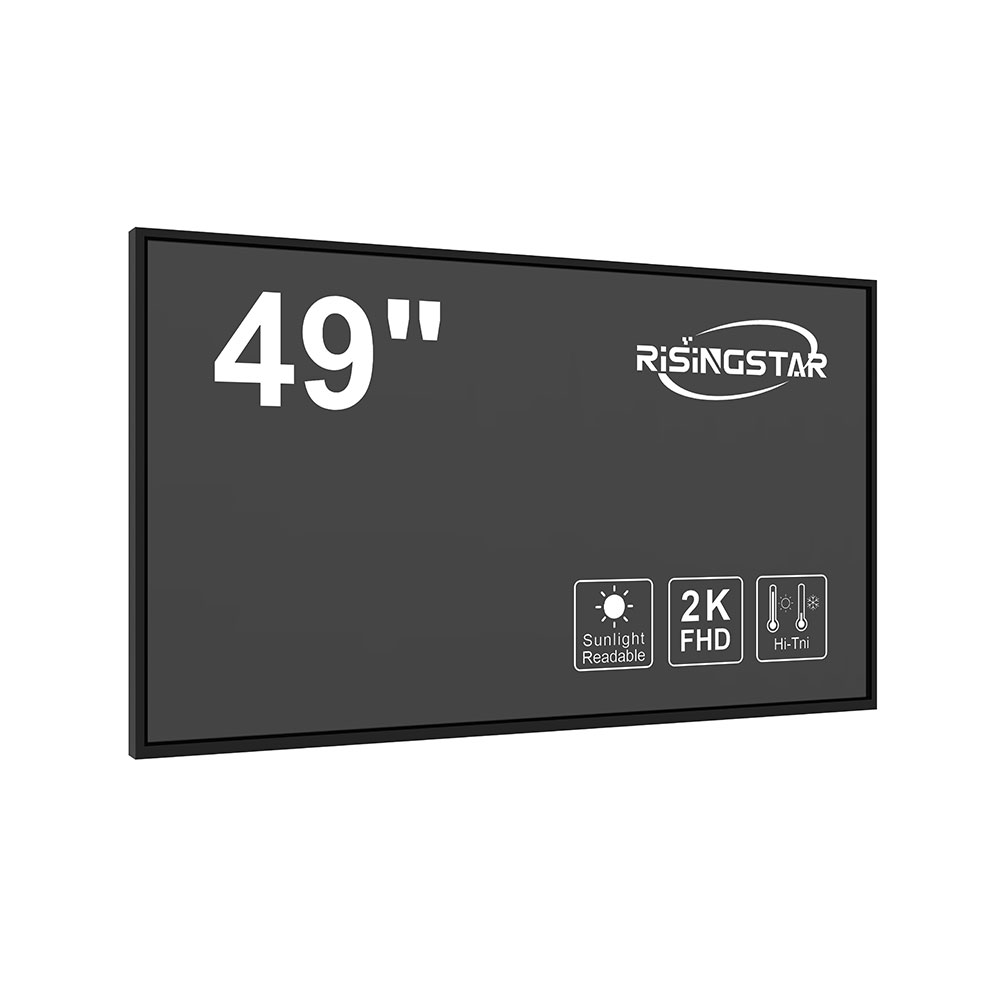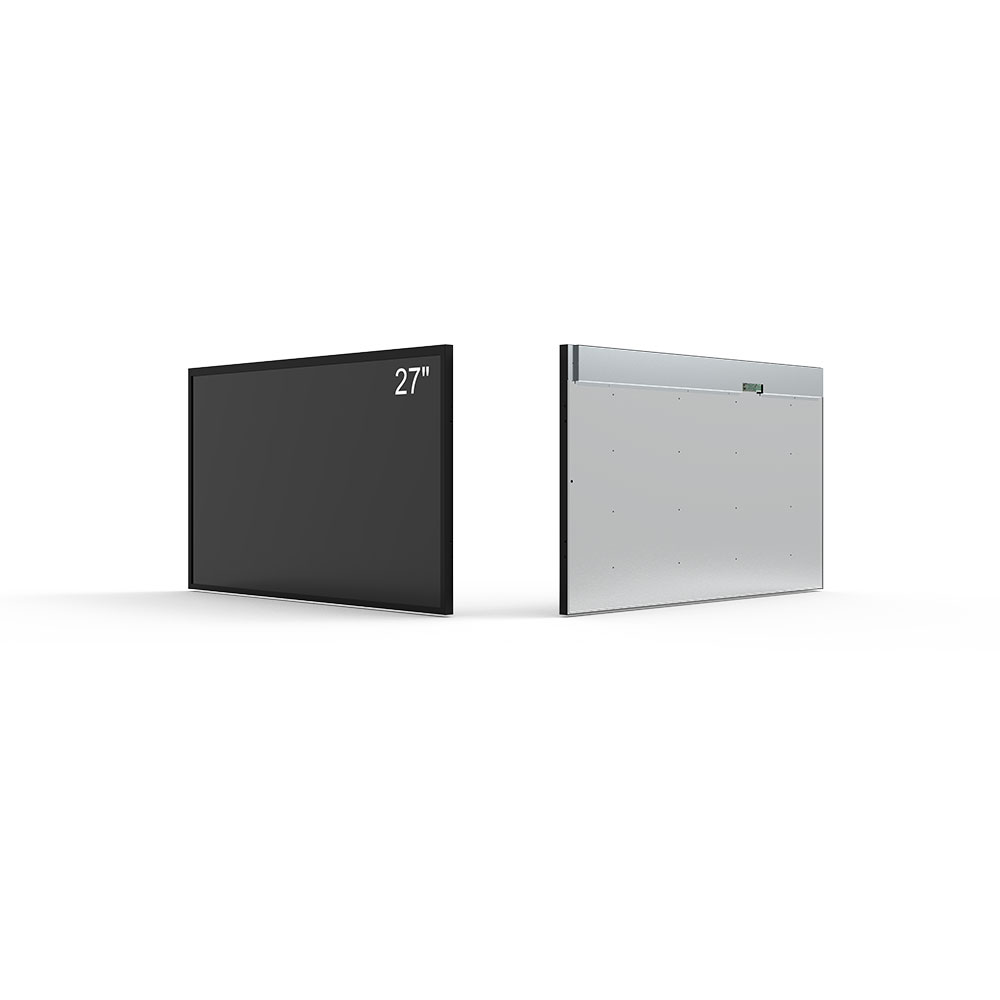
In today’s increasingly mobile and outdoor-centric world, the demand for sunlight readable high brightness LCD screens has surged across industries such as transportation, military, healthcare, and industrial automation. These displays are engineered to deliver exceptional clarity even under direct sunlight—often exceeding 5,000 nits of brightness—a feat that standard indoor LCDs cannot achieve.
The core technology behind these screens lies in advanced backlighting systems, anti-reflective coatings, and optimized panel materials. For example, LED-based full-array local dimming (FALD) allows precise control of light intensity per region, reducing power consumption while enhancing contrast. Meanwhile, multi-layer optical films like prismatic sheets and diffusers help distribute light evenly across the screen surface without glare.
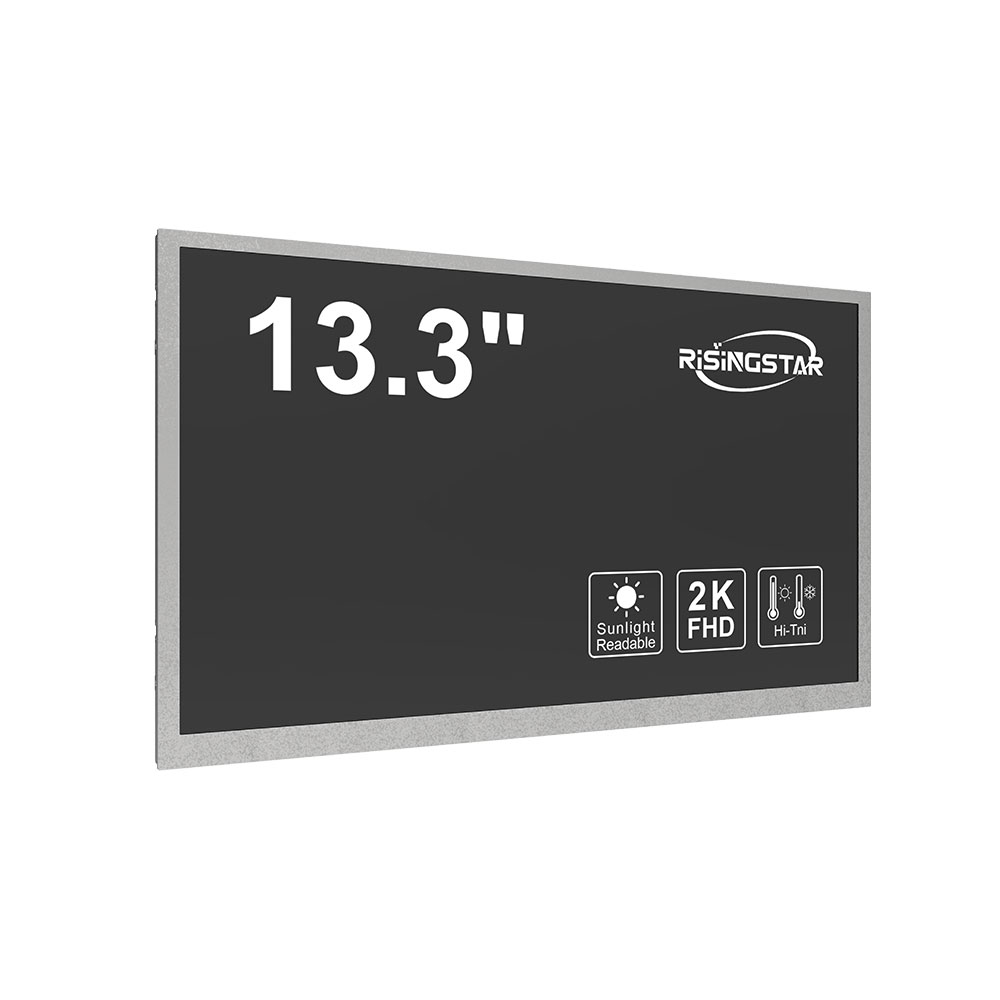
A key challenge in designing such displays is managing heat dissipation. High brightness levels generate more thermal load, especially in enclosed environments like vehicle dashboards or field equipment. Engineers now incorporate passive cooling solutions such as aluminum heat sinks and active ventilation in ruggedized designs. These innovations ensure reliable performance even in extreme conditions—from -30°C to +70°C ambient temperatures.
Case studies from defense applications show that sunlight readable LCDs with 10,000-nit peak brightness enable mission-critical visibility during airborne operations. In medical devices, these screens allow accurate readings in emergency response vehicles where lighting conditions are unpredictable. Similarly, in smart city infrastructure, outdoor kiosks and traffic signage rely on this technology to maintain usability in bright daylight.
Industry standards such as MIL-STD-810G for environmental durability and IEC 60068 for temperature and humidity resistance are critical benchmarks. Manufacturers must also comply with RoHS and REACH regulations to ensure sustainability and safety.
Importantly, the evolution of HDR (High Dynamic Range) support in modern sunlight readable displays adds another layer of visual fidelity—enhancing both color accuracy and depth perception under varying light conditions. This makes them ideal not only for functional interfaces but also for multimedia content in public spaces.
As global markets shift toward smarter, connected devices, the role of high-brightness, sunlight-readable LCDs will only grow. Whether deployed in autonomous vehicles, remote monitoring systems, or augmented reality headsets, their ability to perform reliably in harsh lighting conditions sets them apart as essential components of next-generation user interfaces.