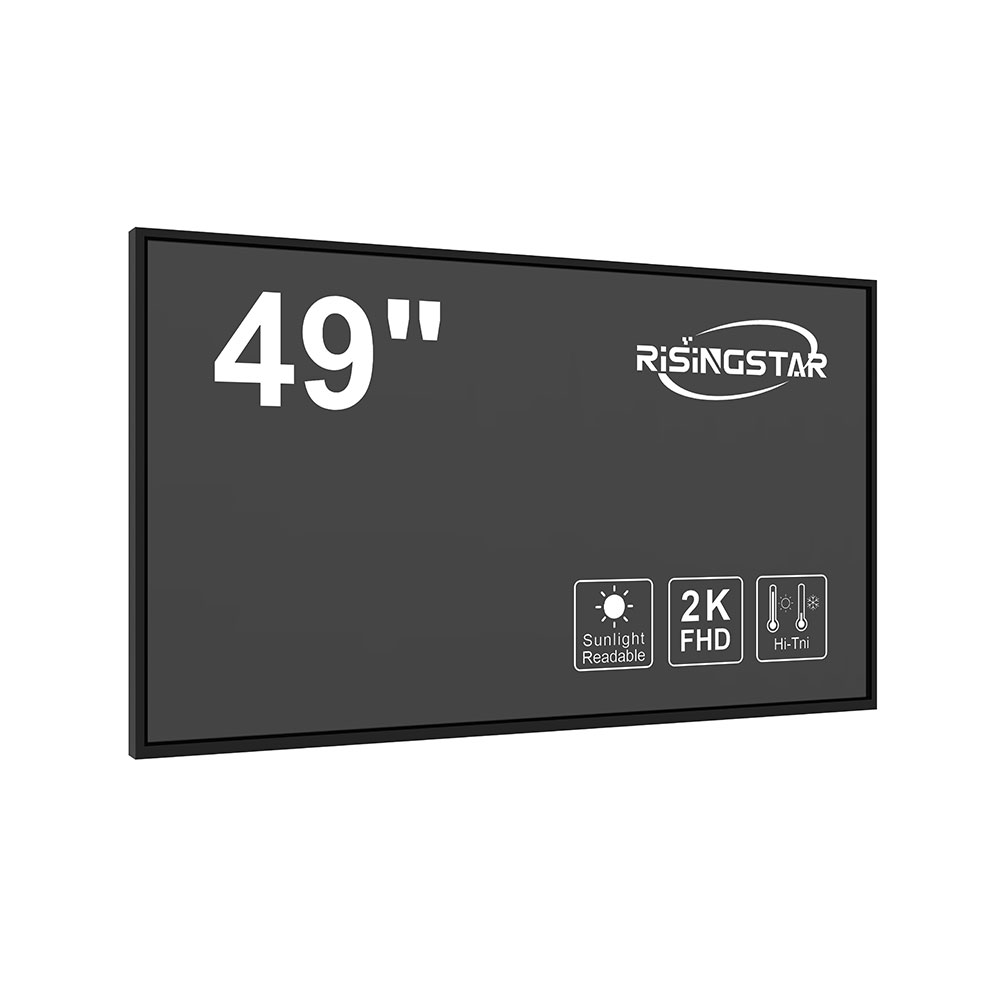
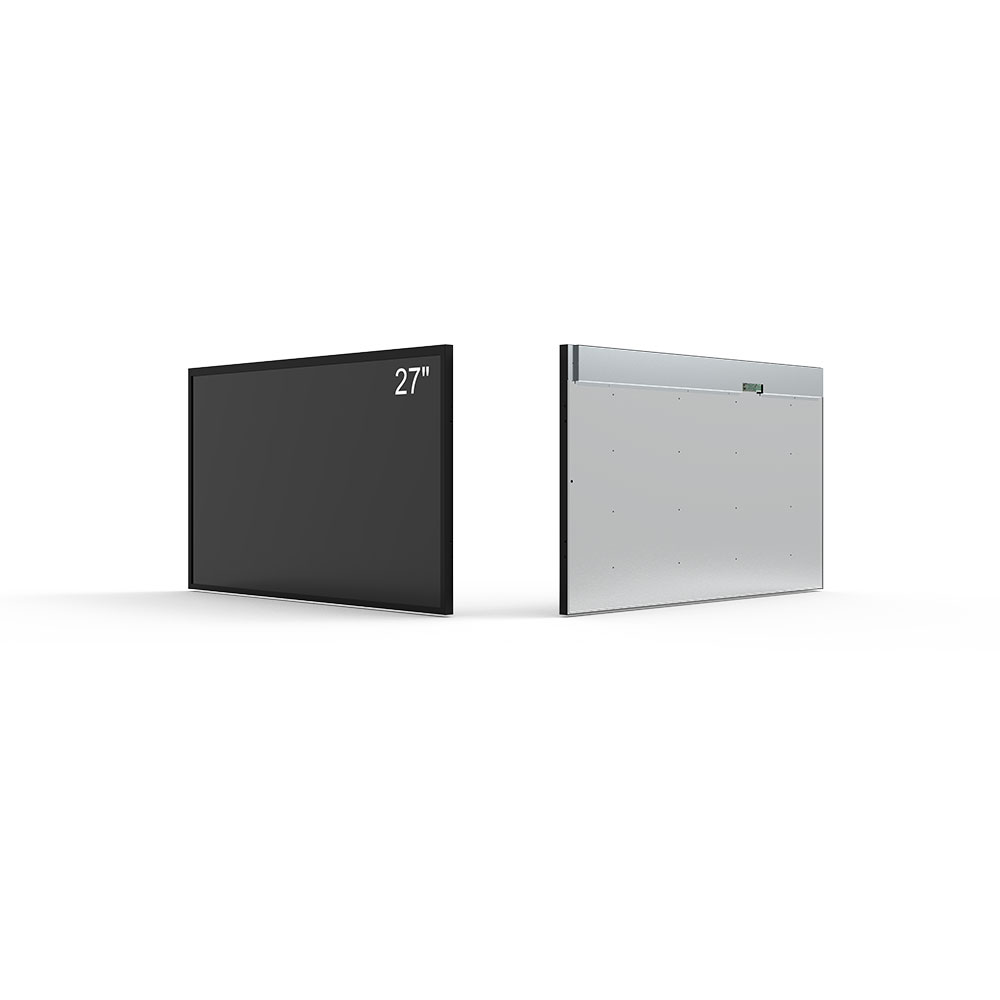
In today’s fast-paced transportation ecosystem, outdoor train station digital signage has become a critical tool for improving passenger experience, operational efficiency, and safety. Unlike traditional static displays, modern digital signage systems—especially those engineered for high-brightness sunlight-readable LCD screens—are designed to perform reliably in challenging outdoor environments, from scorching sunlit platforms to rain-soaked concourses.
Sunlight-readable LCD technology is essential for ensuring visibility under direct sunlight. These displays typically operate at 5,000 to 10,000 nits of brightness—far exceeding standard indoor LCDs (250–500 nits). This ensures that real-time departure/arrival information, service alerts, platform maps, and emergency notices remain legible even at midday when ambient light levels can exceed 100,000 lux. According to the Society for Information Display (SID), high-brightness LCDs with anti-glare coatings and optimized backlighting are now industry standards for outdoor transit applications.
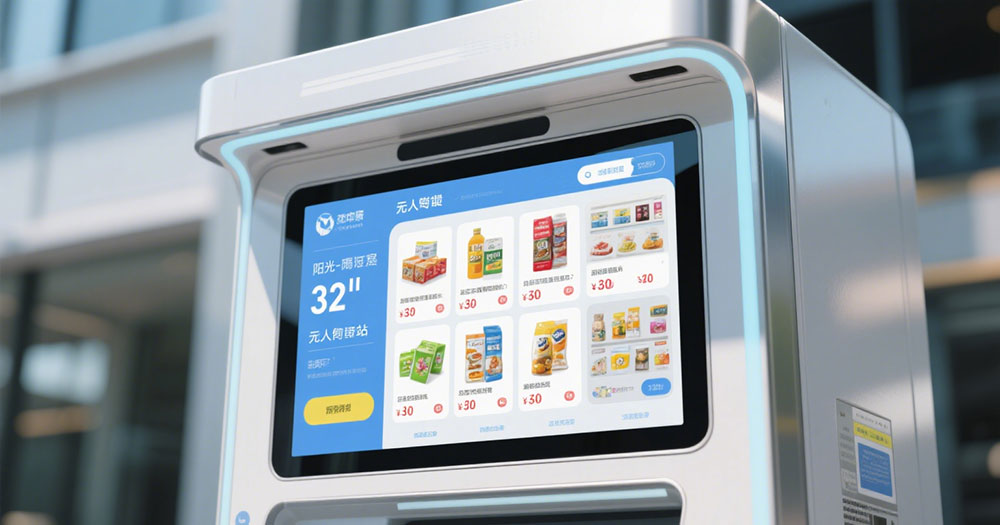
Beyond brightness, durability matters. Outdoor digital signage used in train stations must comply with IP65 or higher ingress protection ratings to resist dust, water jets, and temperature extremes ranging from -30°C to +60°C. Many leading manufacturers integrate ruggedized enclosures, LED backlights, and wide-viewing-angle panels to ensure consistent performance across all weather conditions.
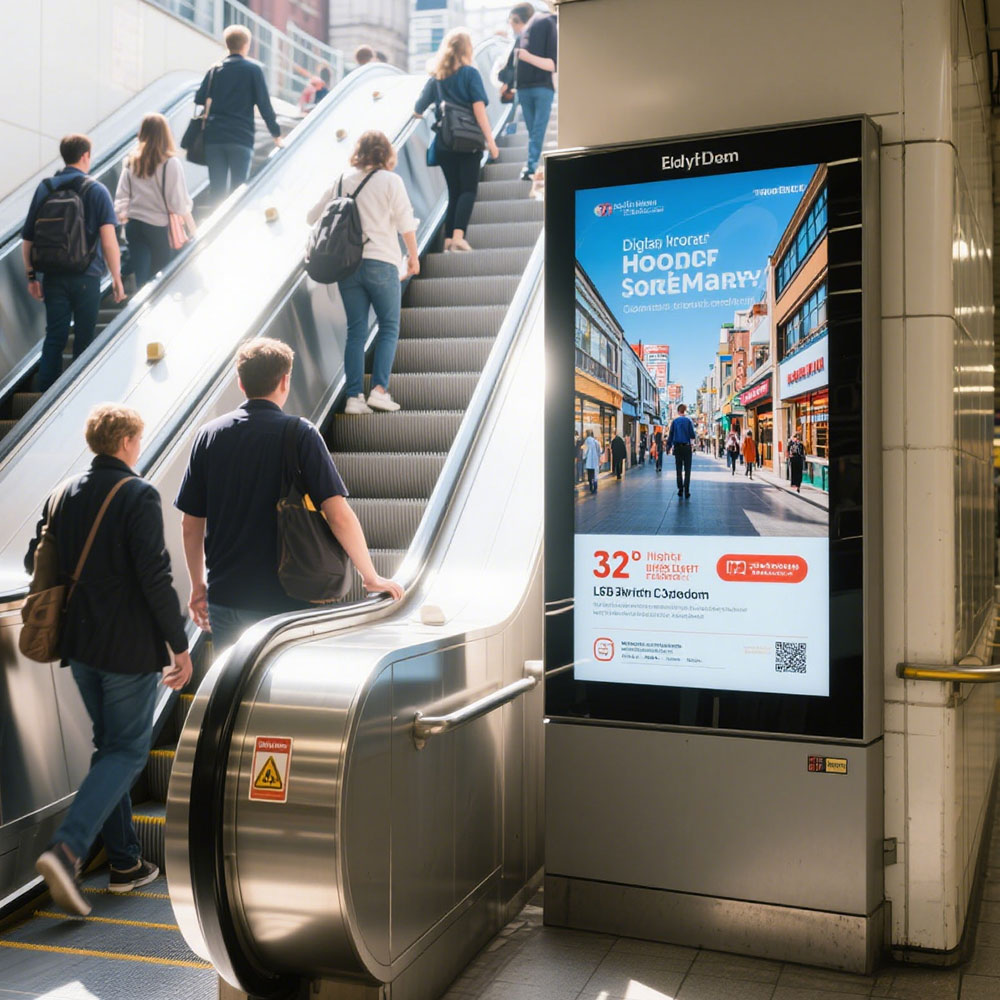
From a user experience perspective, dynamic content management systems allow station operators to push targeted messages—such as delays, gate changes, or promotional offers—via cloud-based software. For instance, London’s King’s Cross Station uses a network of 70+ digital signs integrated with real-time data feeds from train operators, reducing passenger confusion during peak hours by up to 40%, per a 2023 Transport for London case study.
Moreover, energy efficiency and sustainability are key design drivers. Modern outdoor digital signage solutions utilize low-power LED lighting, adaptive brightness sensors, and sleep-mode scheduling to reduce power consumption by up to 60% compared to legacy systems. These features not only lower maintenance costs but also align with global green initiatives like the EU Green Deal and ISO 50001 energy management standards.
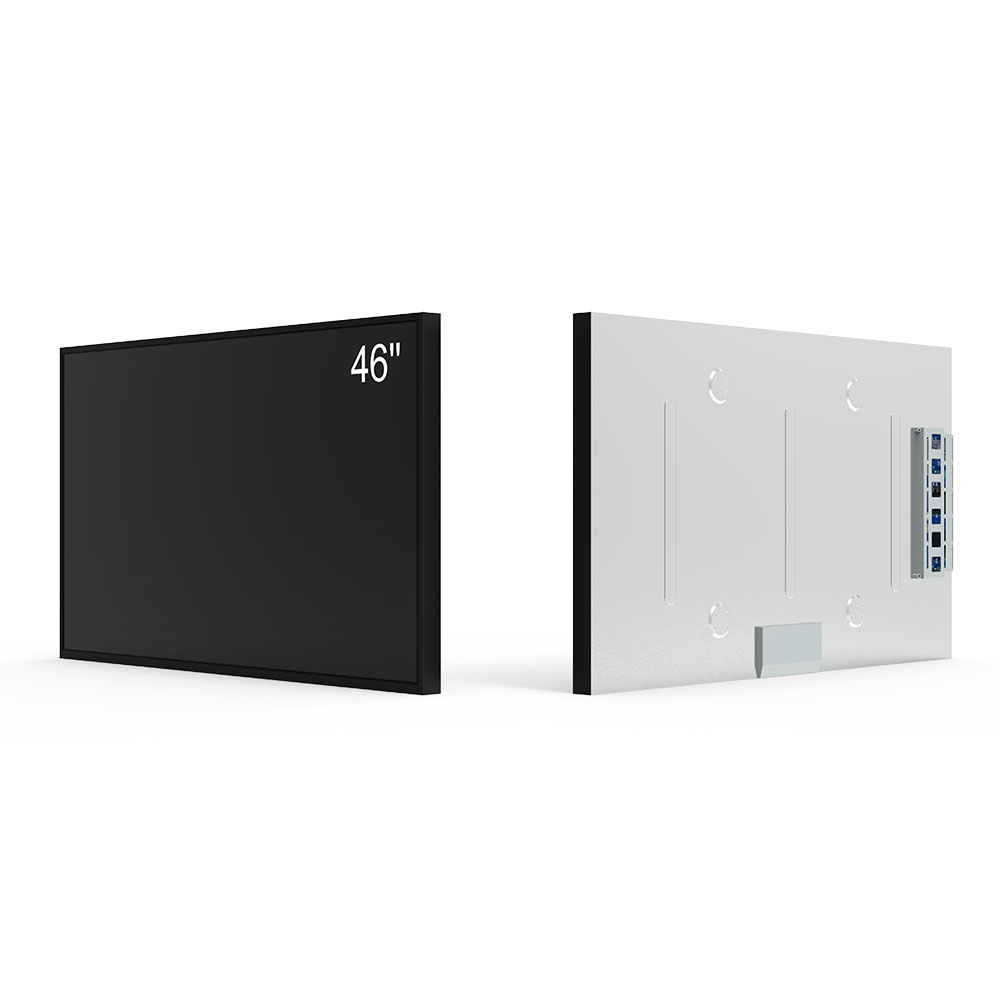
For transit authorities considering deployment, integration with existing infrastructure—such as ticketing kiosks, CCTV, and public Wi-Fi—is crucial. A modular approach, where signage units are scalable and interoperable with IoT platforms, allows cities to future-proof their investment. Cities like Singapore and Tokyo have already adopted this model, resulting in seamless multimodal transport experiences.
Ultimately, well-designed outdoor train station digital signage does more than inform—it builds trust, reduces stress, and enhances the overall perception of public transport as modern, reliable, and human-centered. Whether in a bustling metro hub or a remote regional station, the right digital signage solution transforms passive waiting into active engagement.