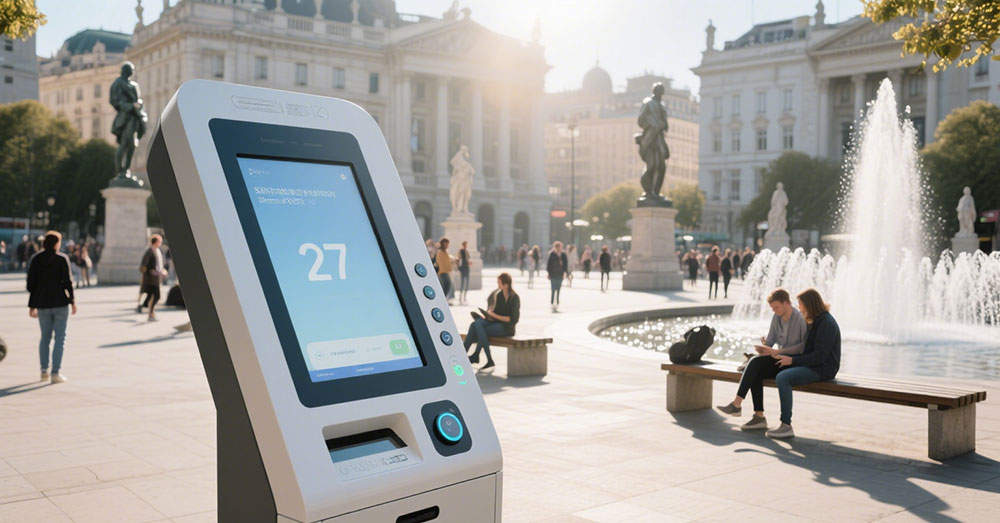
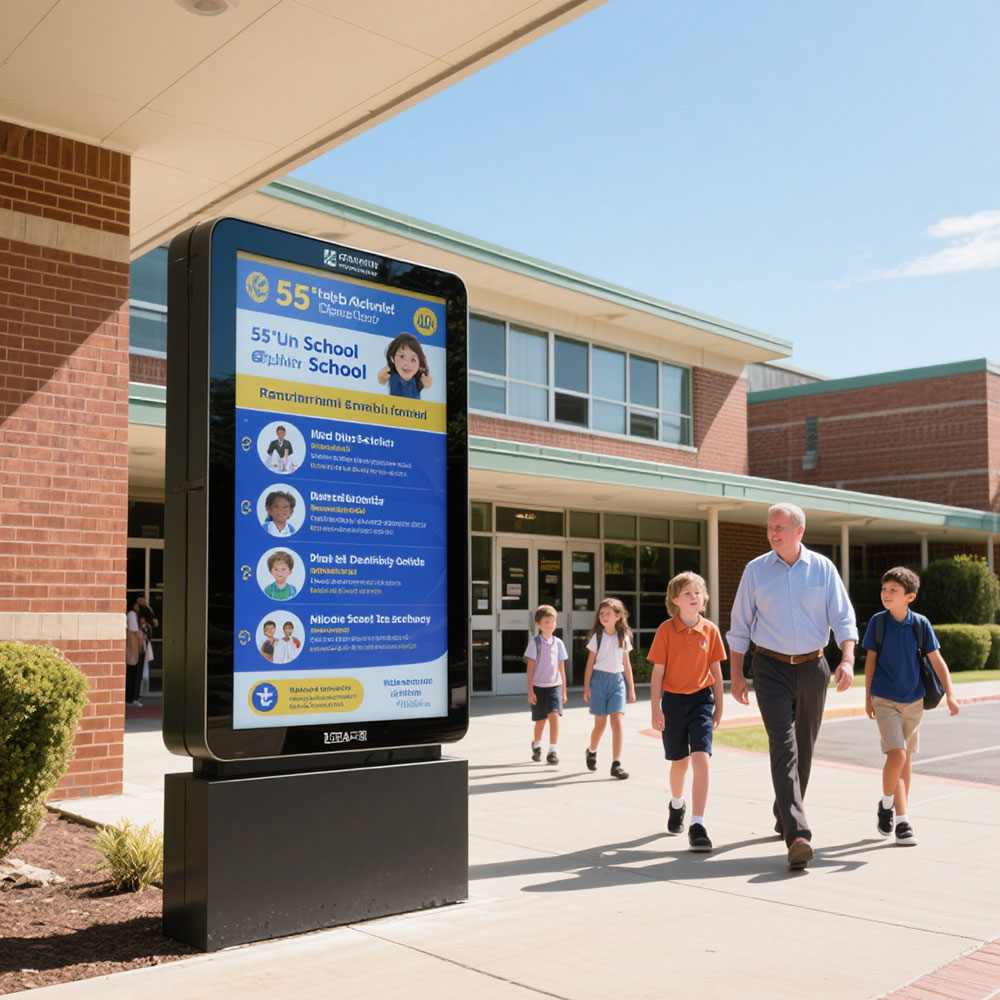
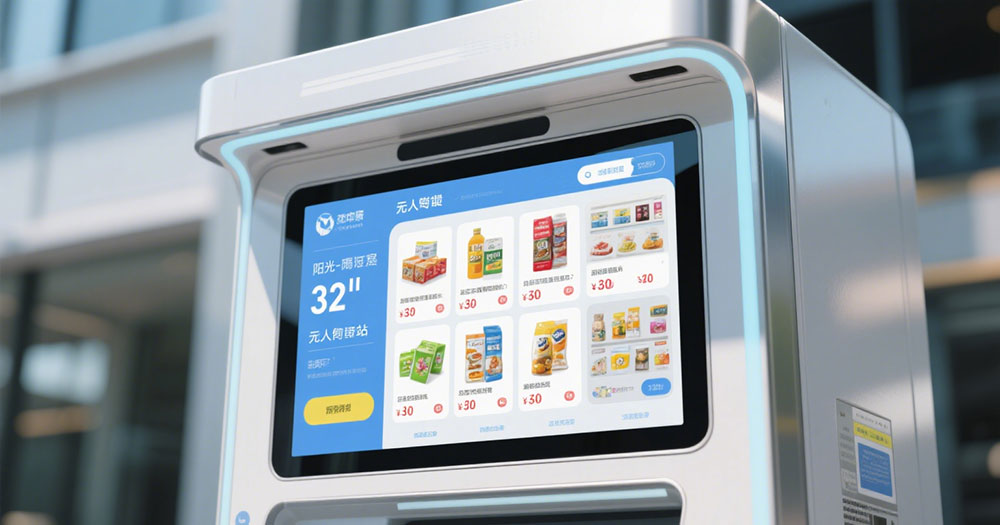
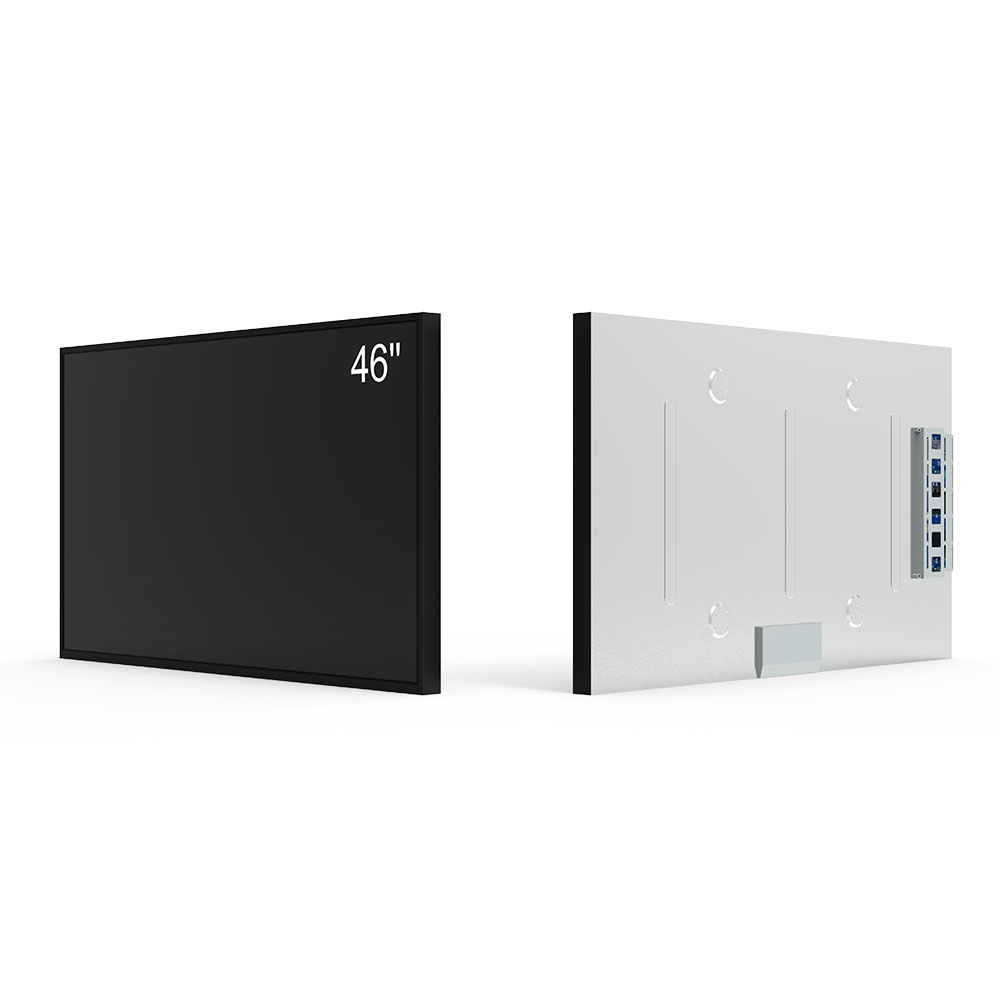
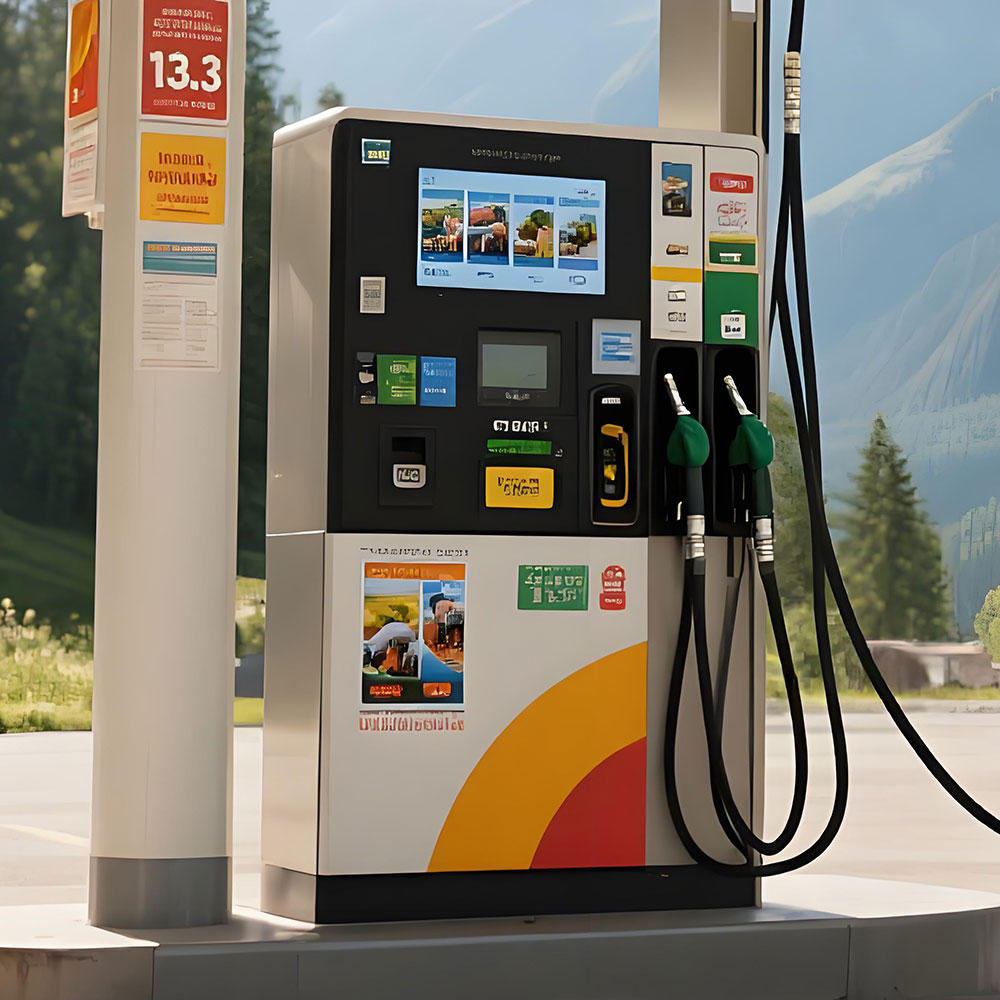
In outdoor industrial environments—such as construction sites, oil rigs, and transportation hubs—display clarity under direct sunlight is not just a convenience; it's a safety imperative. Standard LCD screens fail dramatically in bright conditions, often rendering content unreadable due to insufficient brightness and poor contrast. To meet these challenges, engineers must design sunlight-readable high-brightness LCD displays that exceed 5,000 nits of peak brightness, employ advanced anti-glare coatings, and leverage optimized backlighting technologies such as LED arrays with diffusion films.
The core challenge lies in balancing power efficiency with visibility. For instance, military-grade displays used in tactical vehicles often operate at 7,000–10,000 nits while maintaining low power draw through pulse-width modulation (PWM) control of LEDs. This is achieved using modern RGB LED backlights combined with local dimming zones—a technique proven in recent case studies by LG Display and BOE Tech. These advancements reduce glare without sacrificing image quality or battery life.
Furthermore, the choice of panel technology matters. IPS (In-Plane Switching) panels offer wide viewing angles essential for multi-user environments, while VA (Vertical Alignment) panels provide deeper blacks—both critical for readability in variable lighting. According to ISO 9241-307 standards, optimal outdoor display performance includes contrast ratios above 1000:1 and response times under 8ms. Real-world tests conducted by the U.S. Department of Transportation on highway toll systems confirmed that displays exceeding 5,000 nits reduced operator errors by over 60% during midday sun exposure.
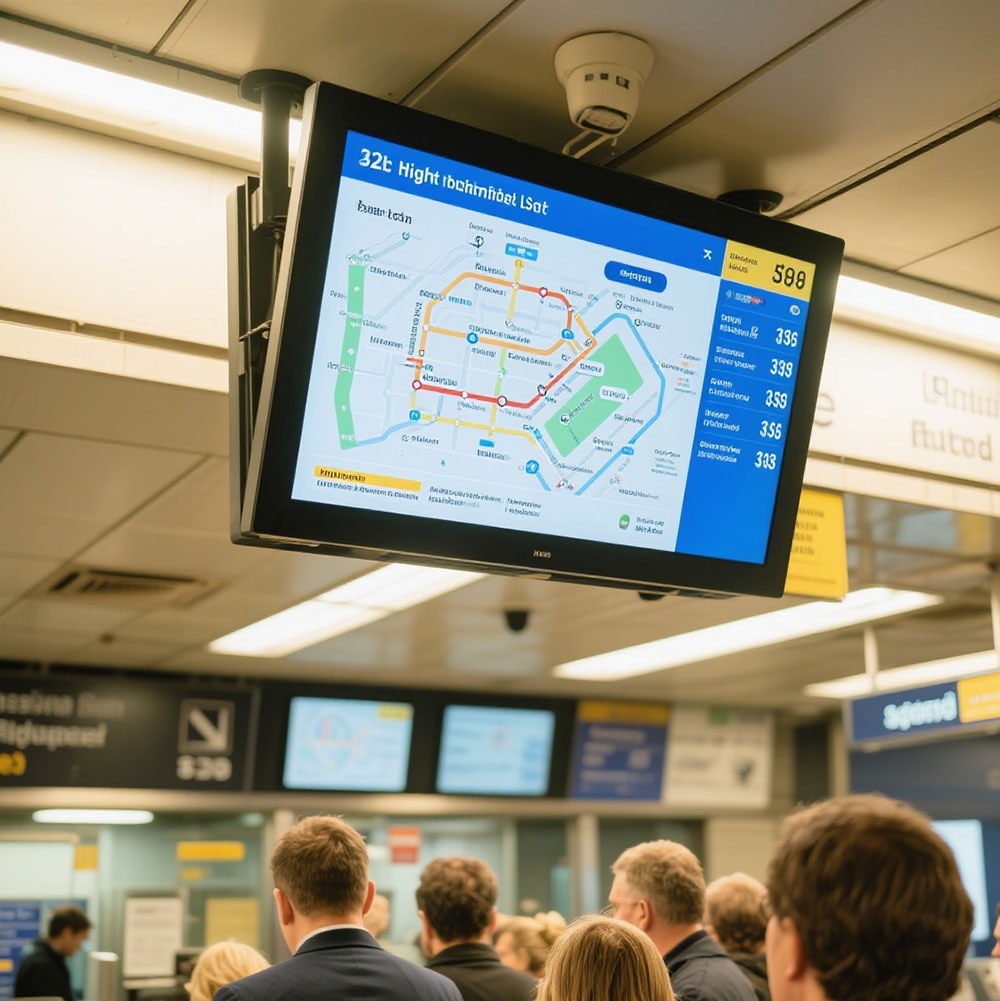
Conclusion: Designing sunlight-readable high-brightness LCDs demands an integrated approach—combining hardware innovation, material science, and rigorous testing against international standards. As industries move toward automation and real-time data access, these displays are no longer optional but foundational. Whether for agriculture drones, public transit kiosks, or mining equipment, investing in engineered solutions ensures operational reliability, user safety, and long-term cost savings.