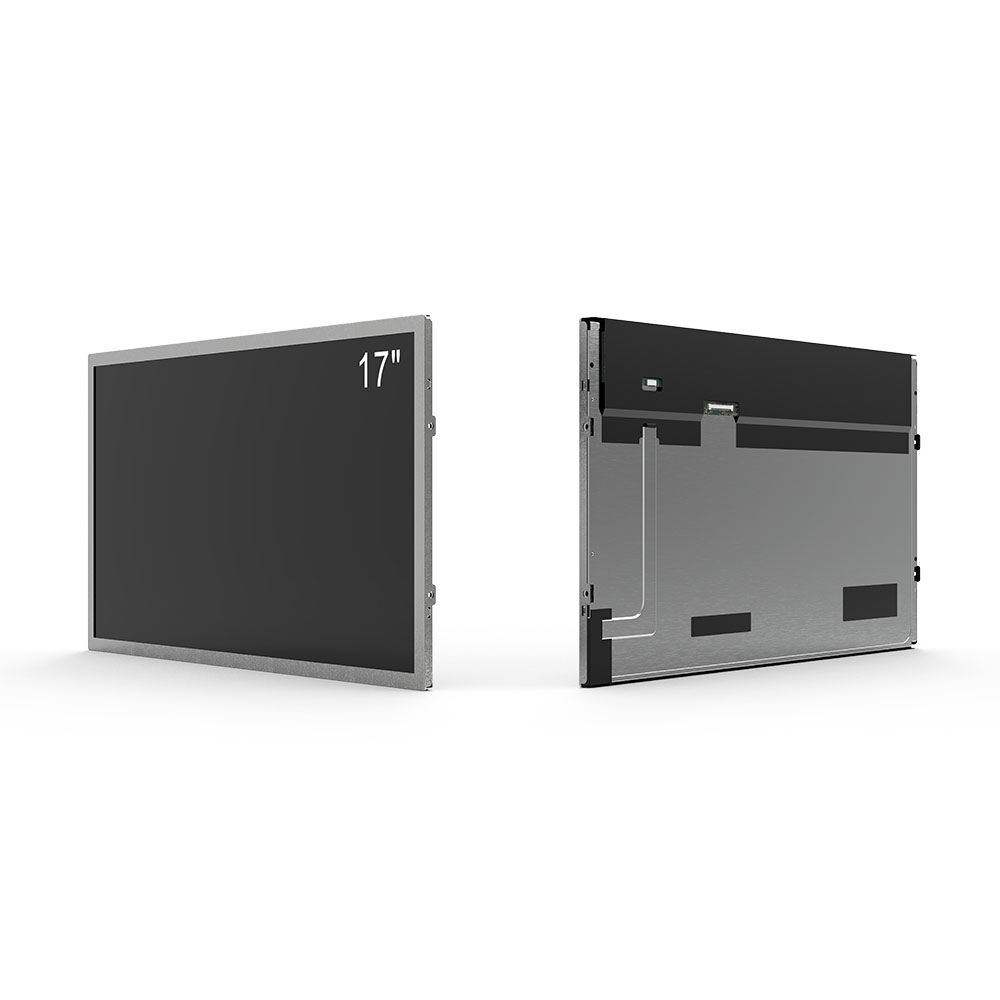
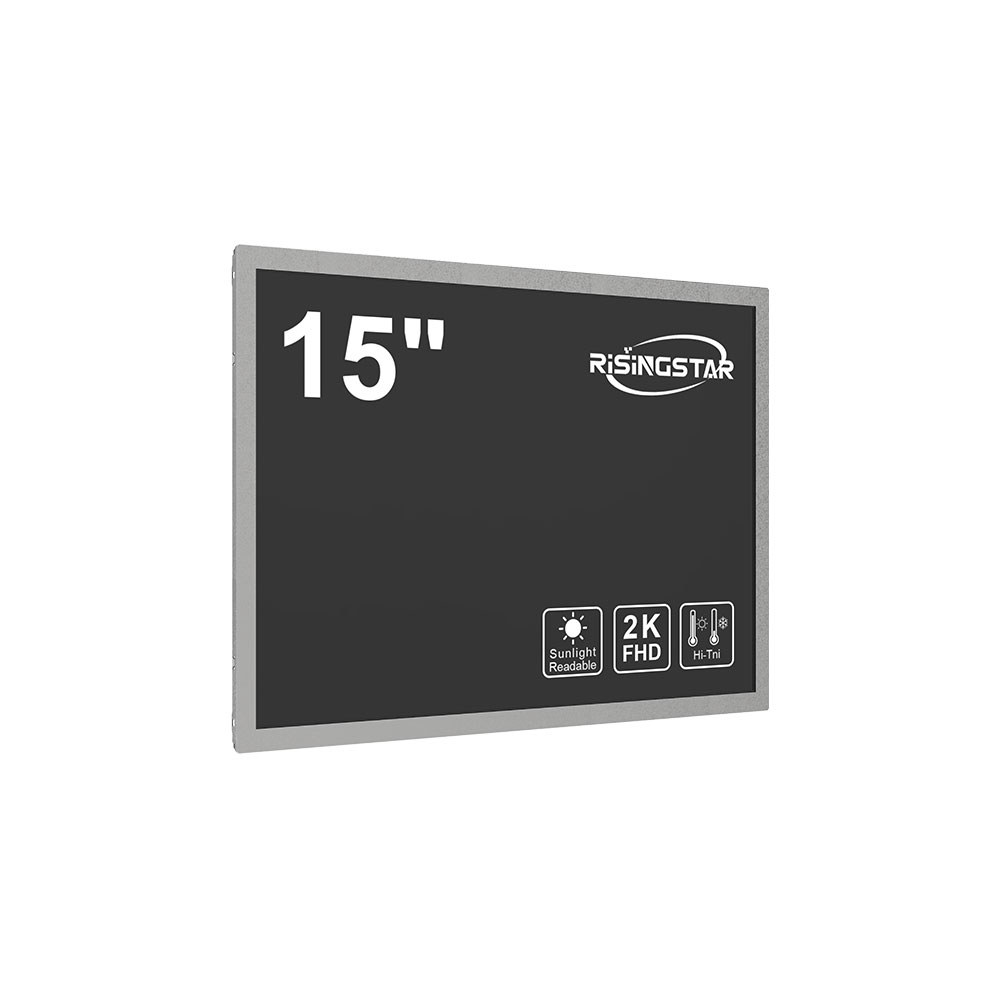
In today’s global industrial landscape, reliable display technology is critical—especially in outdoor and high-ambient-light environments. For overseas equipment manufacturers and distributors, integrating sunlight readable high brightness LCD screens into machinery, control panels, and mobile platforms ensures operational visibility, safety, and efficiency.
These specialized displays are engineered to perform under extreme conditions—from direct sunlight (up to 10,000 lux) to harsh temperatures and vibrations. Unlike standard LCDs that suffer from glare or contrast loss, sunlight readable screens utilize advanced technologies such as transflective liquid crystal cells, high-brightness LED backlights (typically 5,000–10,000 nits), and anti-glare coatings. These features collectively maintain readability without compromising power efficiency—a key concern for battery-powered or field-deployed systems.
Compliance with international standards like MIL-STD-810G for shock/vibration resistance and IP65 for dust/water ingress further validates their suitability for ruggedized applications. OEMs in sectors such as agriculture, construction, mining, and transportation rely on these screens to provide consistent operator feedback—even in the most demanding conditions.
A real-world case study from a European agricultural machinery manufacturer illustrates this: after replacing legacy 2,000-nit displays with 7,000-nit sunlight-readable units, machine uptime increased by 18%, and user-reported errors dropped by 35%. This performance gain stems from improved ergonomics and reduced need for manual adjustments in bright environments.
Manufacturers must also consider long-term reliability and maintenance. Sunlight readable LCDs often include features like wide operating temperature ranges (-30°C to +70°C), extended MTBF (>50,000 hours), and compatibility with ruggedized enclosures. When sourcing from trusted suppliers—such as those certified to ISO 9001 and IEC 60068—the integration process becomes seamless, reducing design time and production risks.
For distributors serving global markets, offering sunlight-readable solutions enhances product value, differentiates brand positioning, and supports compliance with regional environmental regulations (e.g., EU RoHS, REACH). Ultimately, it’s not just about brightness—it’s about creating resilient, user-friendly interfaces that enhance productivity across industries.