






Understanding the viewing angle of an LCD TV is critical for optimizing your home theater or office display experience—especially when multiple viewers are seated at different positions. The viewing angle refers to the maximum angle at which a display can be viewed with acceptable visual performance, including brightness, contrast, and color accuracy.
For LCD TVs, this specification is typically defined in two dimensions: horizontal and vertical viewing angles. Most modern LCD panels offer a horizontal viewing angle between 160° and 178°, while vertical angles range from 150° to 178°. These figures are measured from the center axis of the screen to either side (horizontal) or top/bottom (vertical). For instance, a panel rated at 178° horizontal and 178° vertical allows nearly full visibility from almost any seat in a living room.

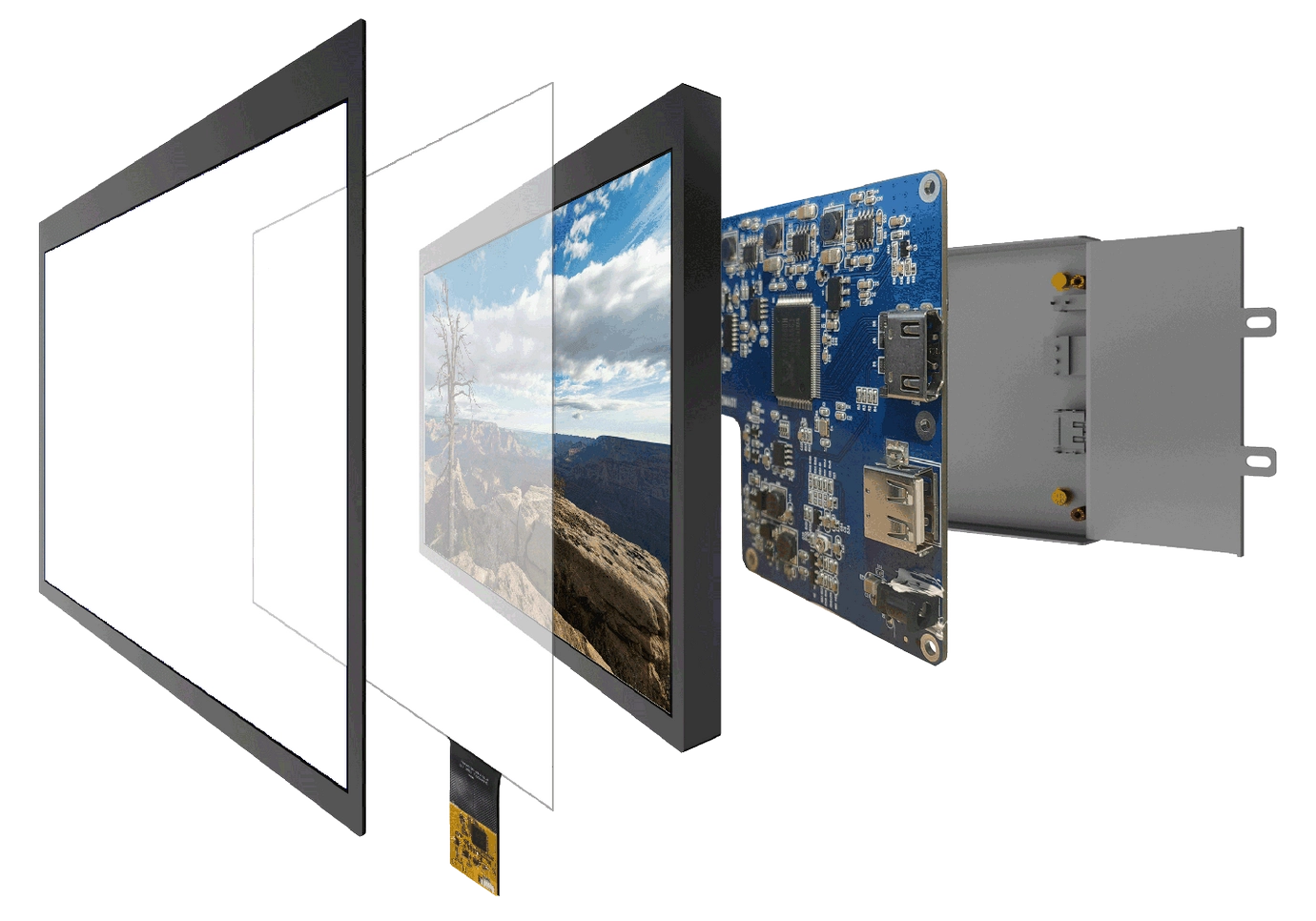
Why does viewing angle matter? When you sit off-center—such as at a 45-degree angle—the image may appear dimmer, colors shift, or contrast drops significantly. This is particularly noticeable in cheaper TN (Twisted Nematic) panels, which historically had narrow viewing angles (often around 130–150°). In contrast, IPS (In-Plane Switching) panels—now standard in high-end models—offer superior wide-angle performance due to their pixel structure, enabling consistent image quality across wider angles.
Industry standards like ISO 13406-2 define how viewing angles should be measured under controlled lighting conditions. Manufacturers often test these parameters using calibrated light meters and human observers to ensure compliance. For example, LG’s IPS panels consistently achieve near-uniform brightness at ±178° angles, making them ideal for multi-viewer setups like conference rooms or gaming lounges.
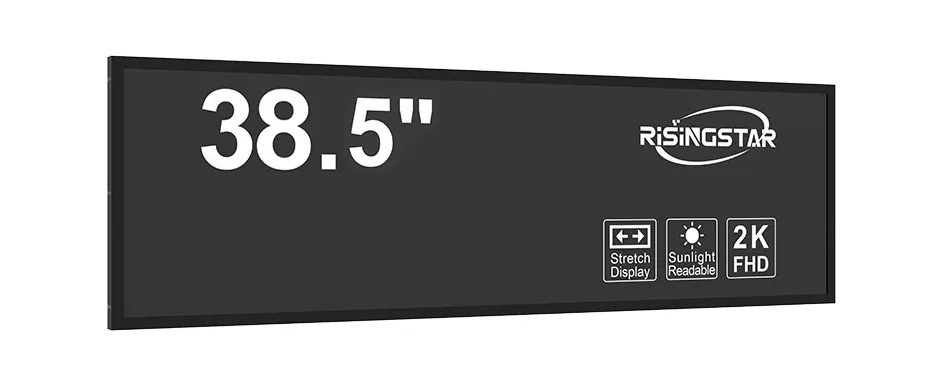
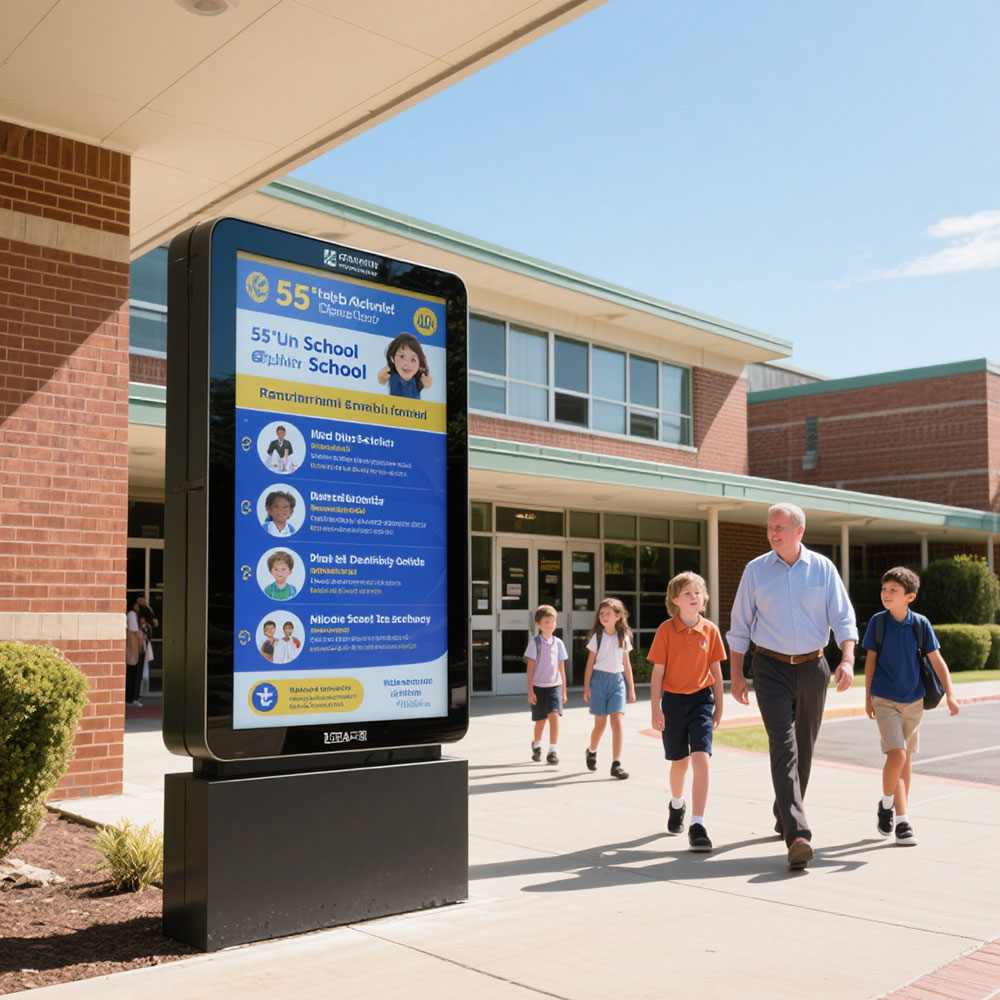
Practical considerations also include ambient lighting. In bright environments such as sunlit rooms or outdoor displays, the effective viewing angle can be reduced if glare or reflections compromise contrast. Sunlight-readable LCDs, used in military or industrial applications, incorporate anti-glare coatings and enhanced brightness (typically 5,000 nits or more) to maintain legibility even in direct sunlight—though these are rare in consumer-grade TVs.
If you’re buying an LCD TV, always check the manufacturer’s specs for viewing angle ratings—not just the resolution or HDR support. For optimal viewing in diverse seating arrangements, prioritize IPS or VA (Vertical Alignment) panels over TN types. Also, consider mounting options; a wall-mounted TV with a tilt mechanism can help reduce off-axis distortion by aligning the viewer’s eye level with the screen center.
In summary, the viewing angle directly impacts user satisfaction and real-world usability. Whether for family movie nights or professional presentations, choosing a TV with wide and consistent viewing angles ensures that everyone enjoys the same immersive picture quality—regardless of where they’re sitting.