
Benefits of IPS Panels for Display Performance and Image Quality
In the rapidly evolving world of display technology, In-Plane Switching (IPS) panels have become a gold standard for visual clarity, color accuracy, and viewing flexibility. Originally developed in the late 1990s by Hitachi and later refined by major manufacturers like LG, Samsung, and AU Optronics, IPS panels now dominate high-end monitors, smartphones, tablets, and professional-grade displays.
One of the primary advantages of IPS panels is their superior color reproduction. Unlike older TN (Twisted Nematic) panels that suffer from limited color gamut and inconsistent hue shifts, IPS panels offer wide color coverage—often supporting 99% of the sRGB spectrum and up to 100% Adobe RGB or DCI-P3 in premium models. This makes them ideal for graphic designers, photographers, and video editors who demand precise color fidelity. For instance, the Dell UltraSharp U2723QE and LG UltraFine 27MD5KL are widely praised in industry reviews for their IPS-based color consistency across all angles.
Another critical benefit is enhanced viewing angles. IPS panels typically provide near-perfect visibility at 178° horizontal and vertical angles, eliminating the image distortion and color shift common in TN panels when viewed off-center. This feature is particularly valuable in collaborative environments, such as design studios or conference rooms, where multiple users need to see the same content clearly without adjustment.
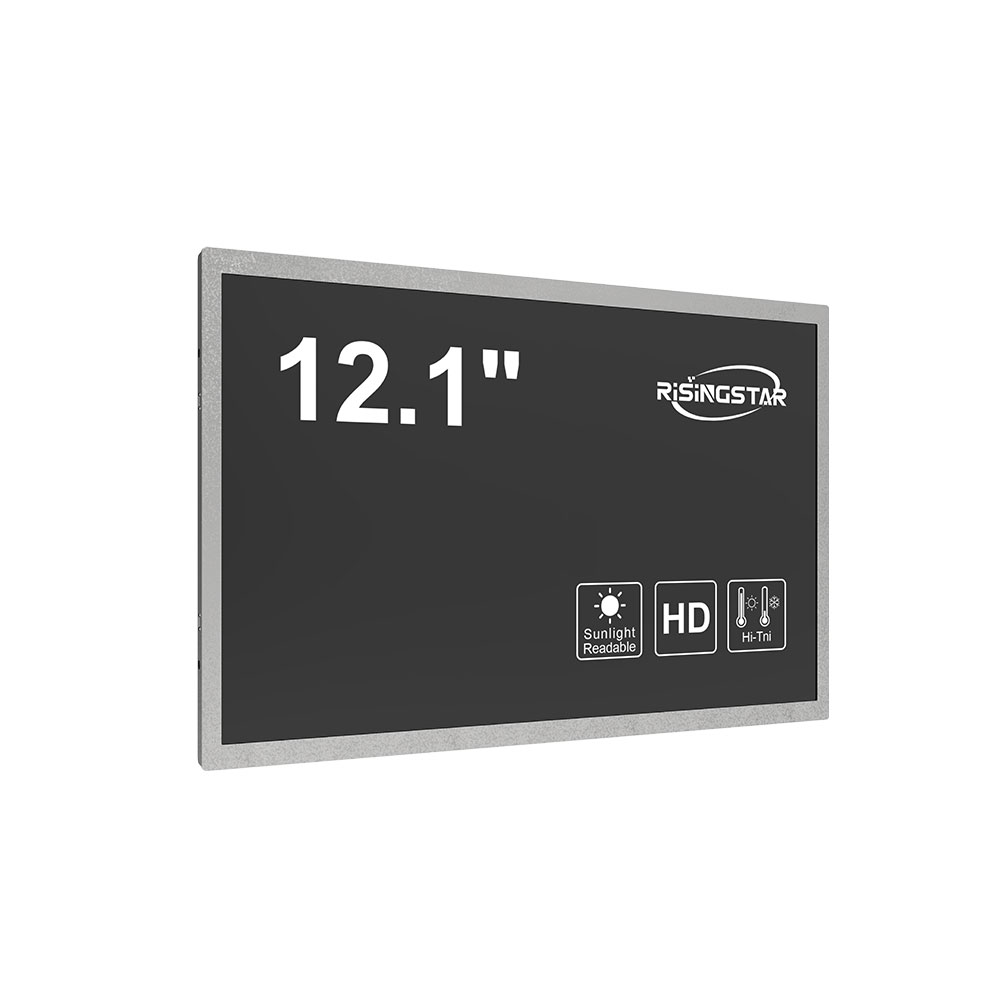
While early IPS panels were criticized for slower response times and higher power consumption compared to TN counterparts, recent advancements have dramatically improved performance. Modern IPS panels—such as those using Fast IPS or Advanced IPS technologies—offer response times as low as 1ms, making them suitable not only for creative work but also for competitive gaming. Monitors like the ASUS ProArt PA279CV and Acer Predator XB273K demonstrate how IPS can now rival TN panels in motion clarity while maintaining superior static image quality.
Additionally, IPS panels exhibit better uniformity in brightness and color across the screen surface—a trait known as “panel uniformity.” This reduces issues like backlight bleed or mura patterns, which are more common in budget LCDs. Professional-grade IPS displays often include factory calibration profiles and hardware calibration tools, further enhancing reliability for critical tasks.
Environmental testing by organizations like UL and TÜV confirms that modern IPS panels maintain stable performance over time, even under varying temperatures and humidity levels. Their long lifespan and resistance to burn-in make them a preferred choice for both consumer and enterprise applications.
In summary, the benefits of IPS panels—color accuracy, wide viewing angles, improved response times, and consistent image quality—make them indispensable for professionals and discerning consumers alike. Whether you're editing a 4K photo, streaming a movie, or presenting in a boardroom, an IPS panel ensures your visuals remain sharp, true, and immersive.