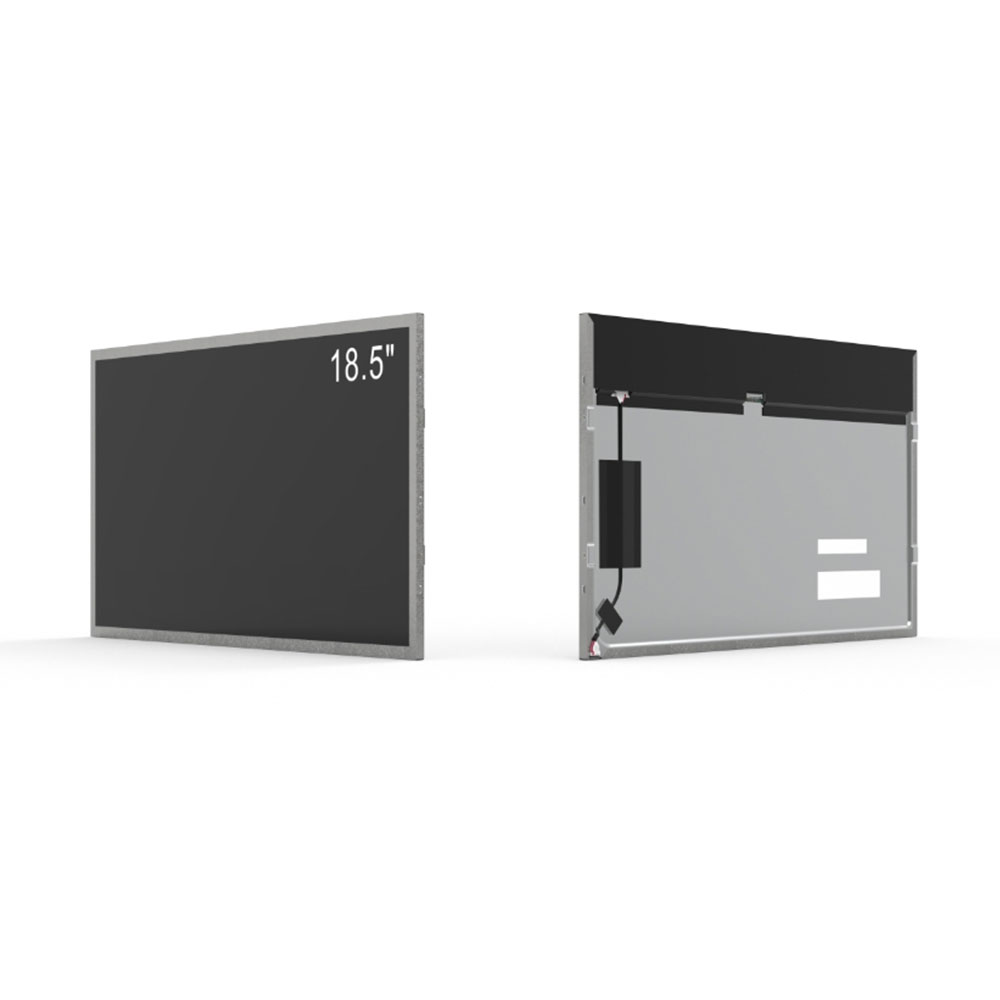
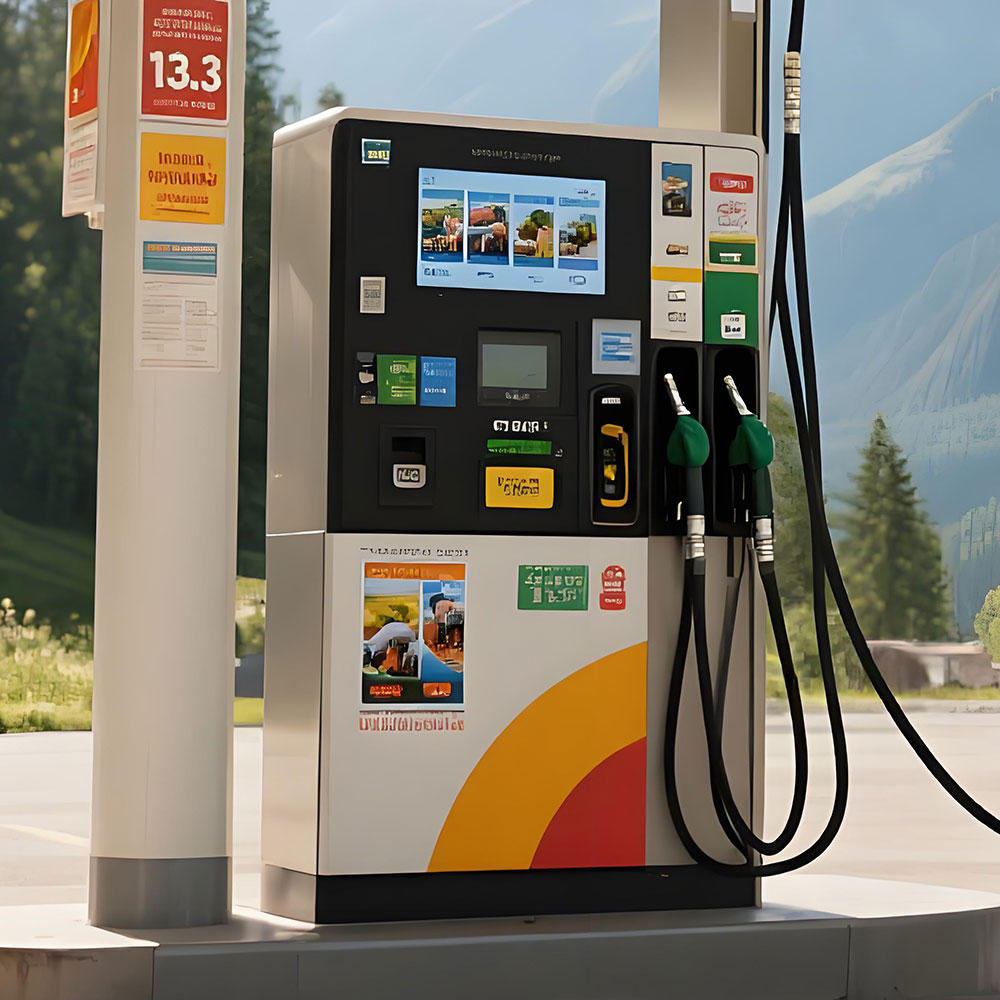
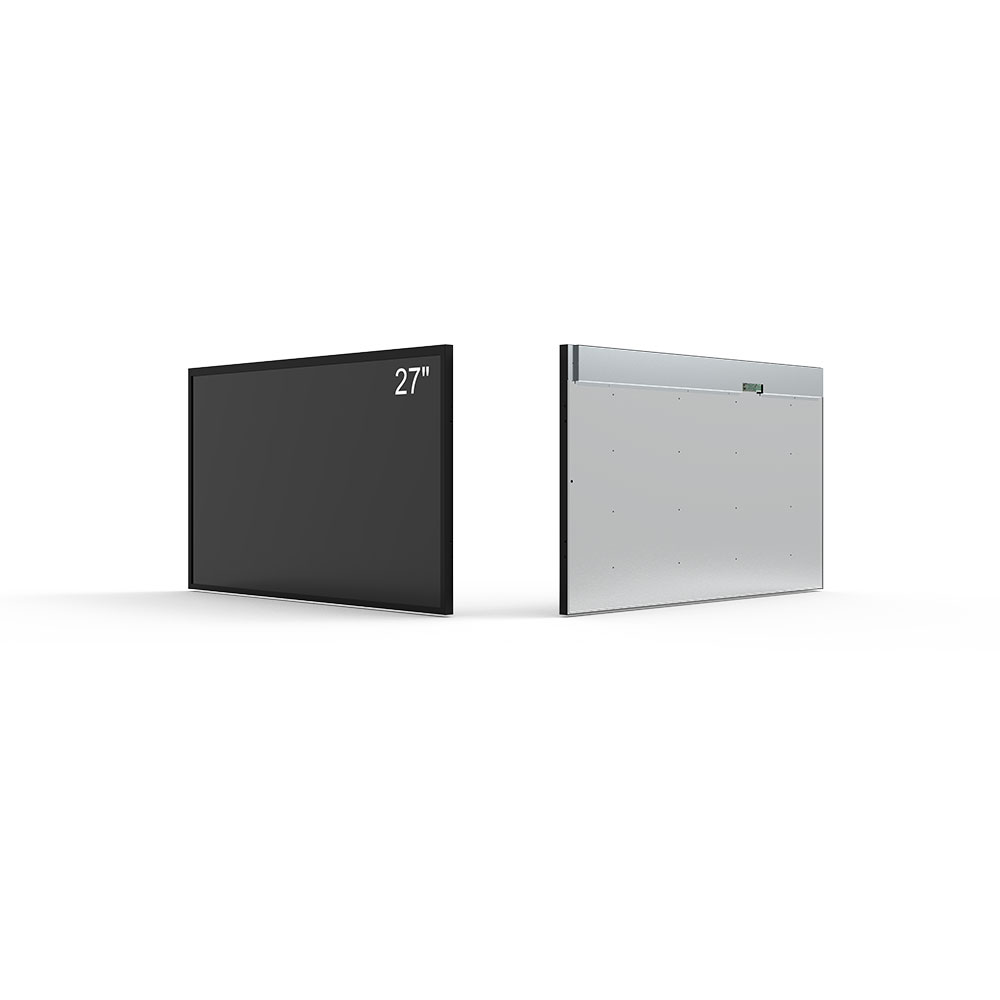
When selecting an LCD display for industrial applications, engineers and procurement teams must prioritize reliability, environmental resilience, and long-term performance. Unlike consumer-grade screens, industrial LCDs operate in harsh conditions—ranging from extreme temperatures (-30°C to 70°C) to high humidity, vibration, and electromagnetic interference. A well-chosen display ensures uptime, reduces maintenance costs, and supports operational continuity.
First, evaluate brightness and contrast ratios. Industrial environments often involve direct sunlight or low-light settings, so a minimum of 1000 nits brightness is recommended for outdoor use. For indoor industrial control panels, 500–700 nits suffices. High contrast ratios (e.g., 1000:1 or higher) enhance readability under varying lighting conditions.
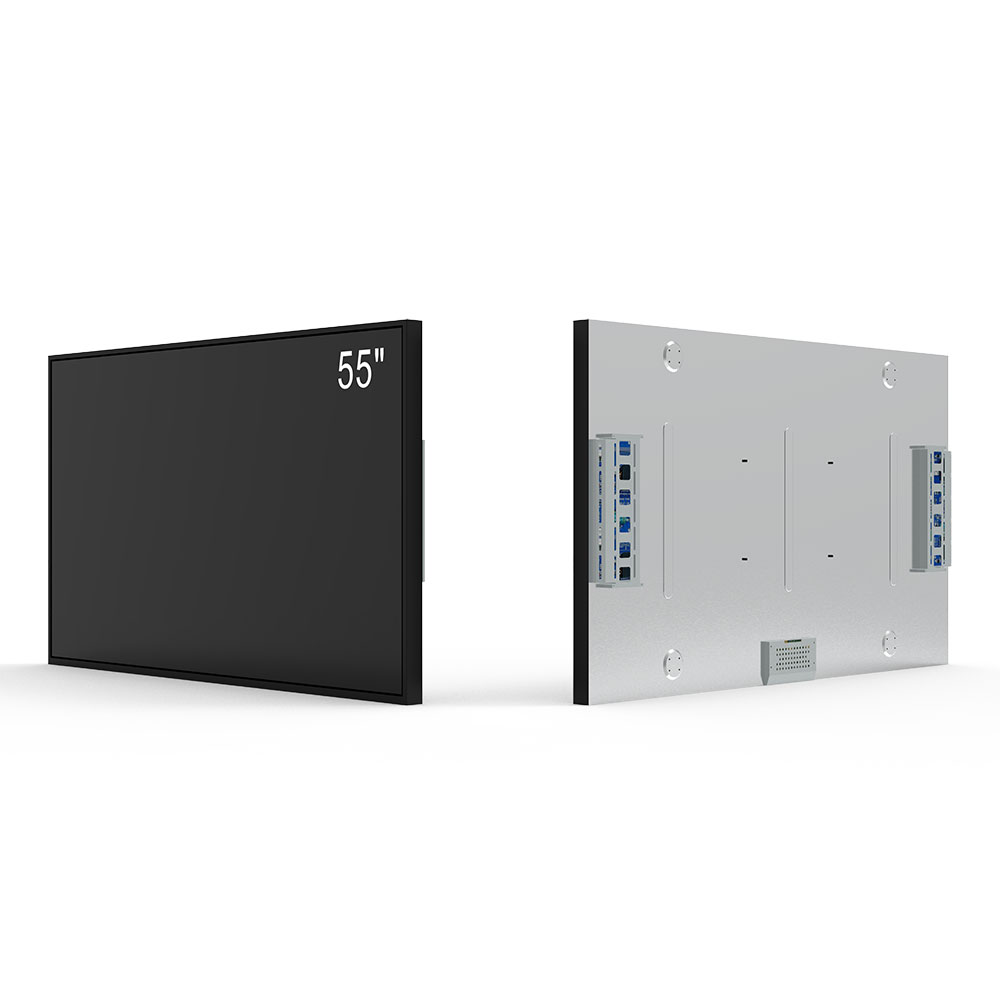
Second, consider viewing angles and color accuracy. Wide viewing angles (at least 178° horizontal and vertical) are essential for multi-operator systems, such as assembly lines or machine interfaces. IPS (In-Plane Switching) technology typically delivers superior color consistency across angles compared to TN (Twisted Nematic) panels.
Third, durability matters. Look for displays with anti-glare coatings, ruggedized bezels, and MIL-STD-810G compliance for shock and vibration resistance. Some models feature IP65-rated enclosures, protecting against dust and water ingress—a necessity in food processing, chemical plants, or marine environments.
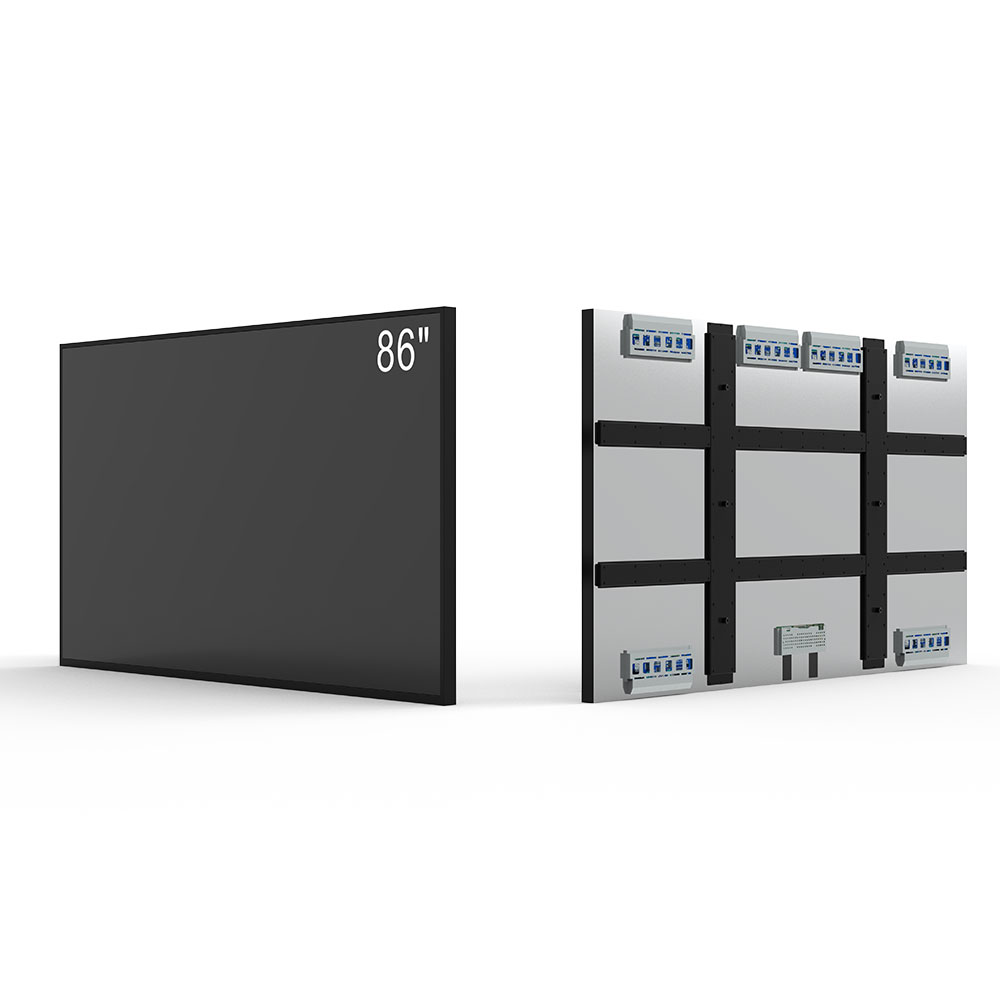
Fourth, assess connectivity and integration capabilities. Modern industrial LCDs support HDMI, LVDS, MIPI, and USB-C inputs, allowing seamless integration with PLCs, embedded computers, or IoT gateways. Remote diagnostics via Ethernet or CAN bus can also reduce downtime by enabling predictive maintenance.
Finally, consider lifecycle and support. Leading manufacturers like LG Display, Sharp, and Innolux offer 5–7 year product life cycles and comprehensive technical documentation. Choosing a supplier with strong after-sales service ensures timely replacements and firmware updates.
Real-world case studies show that industries using properly selected LCDs report up to 40% fewer screen failures over three years compared to those using generic displays. Whether deploying in a factory automation system or a remote monitoring station, investing in the right LCD display pays off in operational efficiency and cost savings.