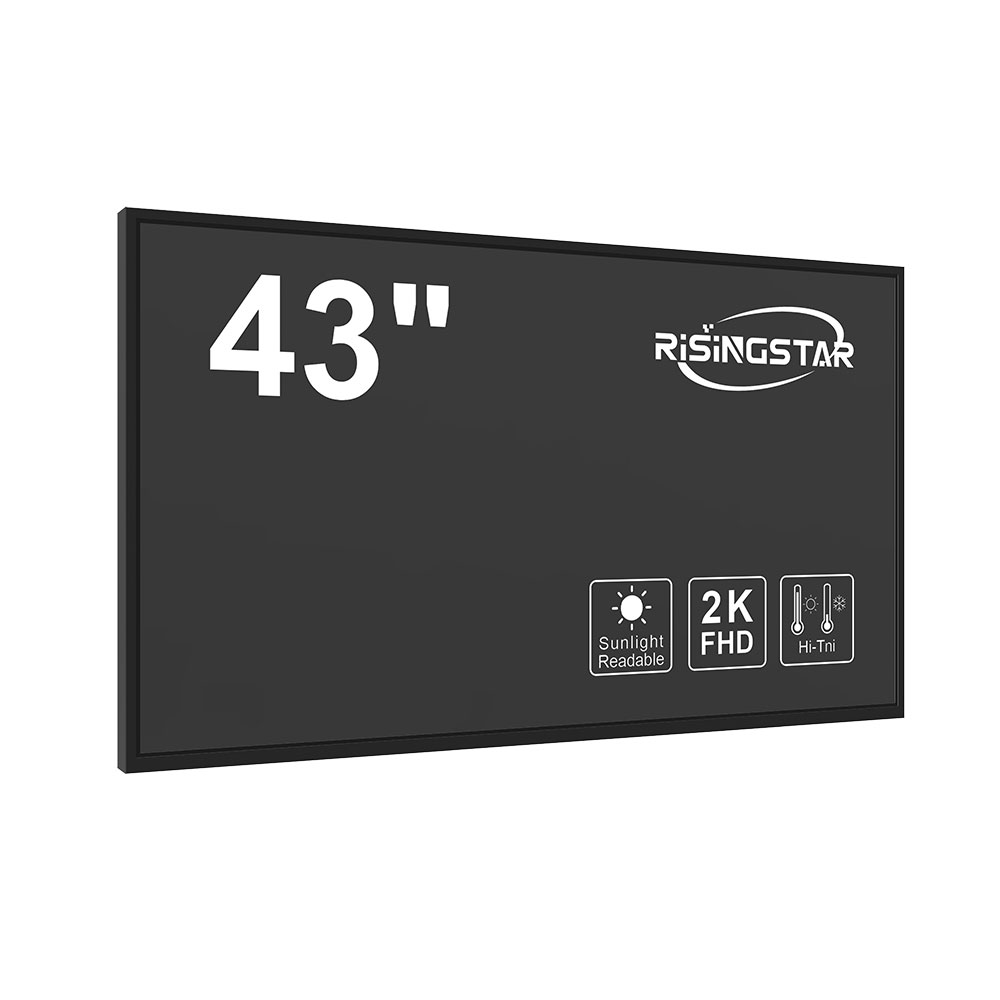
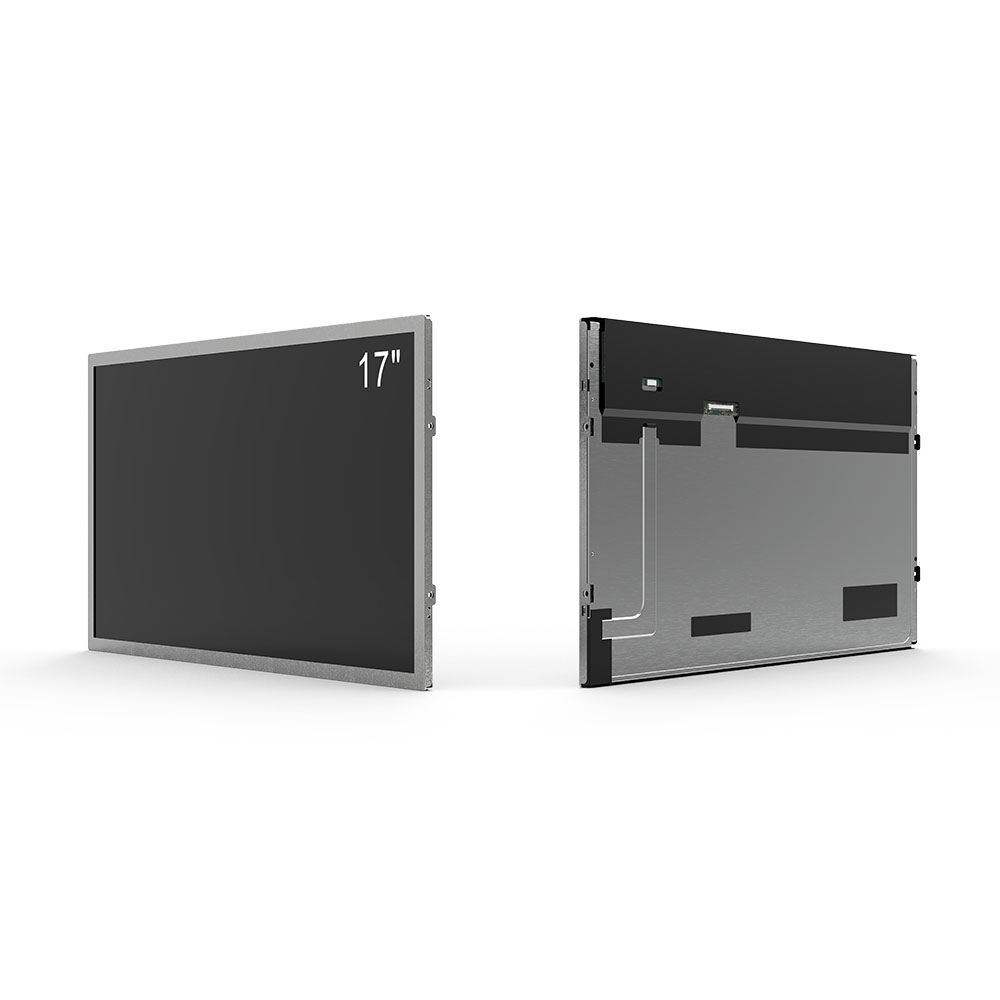
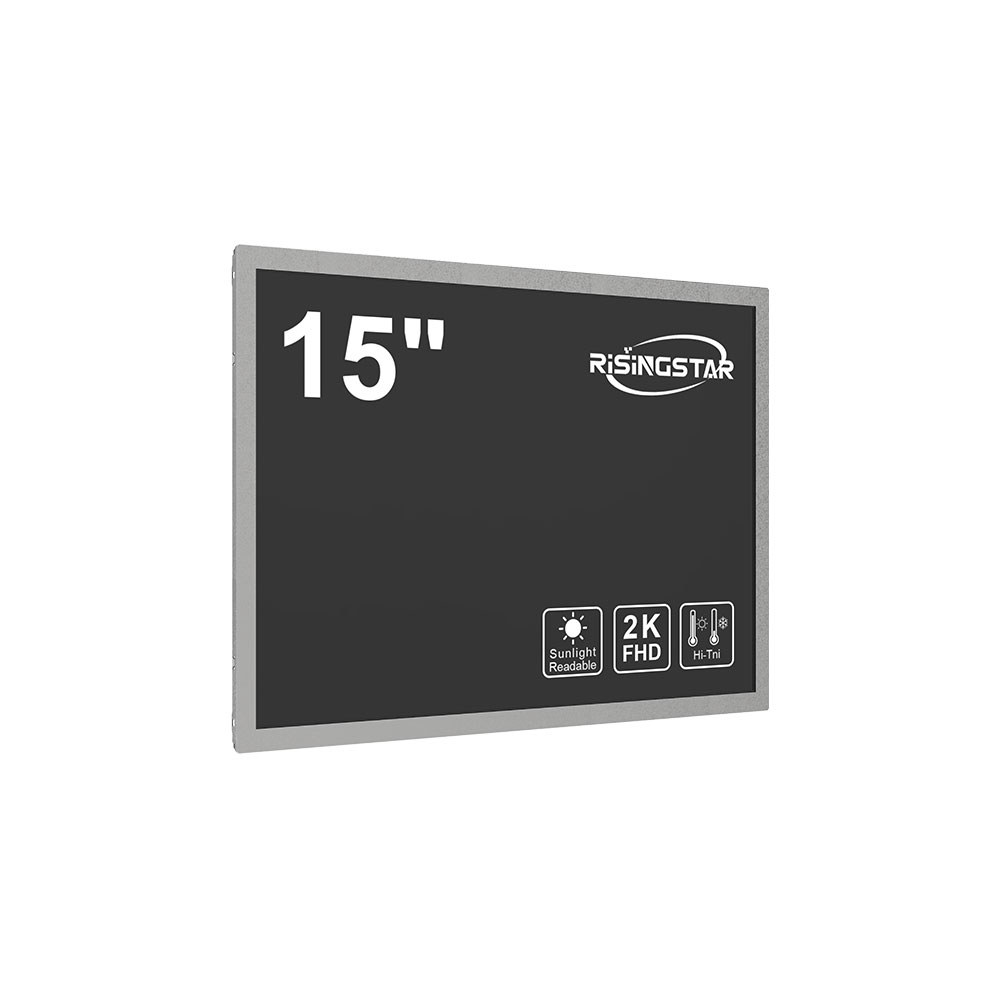
In today’s increasingly outdoor-centric industries—from military and transportation to construction and agriculture—high-brightness, sunlight-readable LCD displays have become a critical enabler of operational efficiency and safety. These displays must perform reliably under intense ambient light conditions, including direct sunlight, which can easily overwhelm standard LCDs. To meet this challenge, engineers and manufacturers must integrate advanced optical technologies, optimized materials, and rigorous testing protocols.
The foundation of a sunlight-readable display lies in its brightness output. Industry standards such as ISO 13406-2 and MIL-STD-188-125 define minimum brightness thresholds for outdoor use, typically requiring at least 1,000 nits (cd/m²) for general applications and up to 5,000 nits or more for extreme environments like desert operations. Modern high-brightness LCDs achieve these levels through LED backlighting with high-luminance LEDs, often arranged in multi-layered arrays that ensure even illumination across the screen.
However, brightness alone is not enough. Anti-reflective coatings, such as nanostructured or multi-layer thin-film coatings, are essential to minimize glare and improve contrast ratios under direct sunlight. For example, a display using a 95% anti-reflective coating can reduce surface reflection from 10% (standard glass) to less than 0.5%, making content clearly visible even at noon in full sun. Additionally, polarized filters and diffusers help manage light distribution while preserving image clarity.
Another key innovation is dynamic brightness control (DBC), where the display adjusts its luminance based on ambient light sensors. This not only improves readability but also reduces power consumption—a crucial factor for battery-powered field devices. In industrial tablets used by utility workers, DBC has been shown to extend battery life by up to 30% without compromising visibility.
Manufacturers must also address environmental durability. IP65-rated enclosures, ruggedized touchscreens, and wide temperature tolerance (-20°C to +70°C) ensure reliable performance in harsh conditions. Real-world case studies, such as those from the U.S. Department of Defense’s Joint Tactical Radio System (JTRS), demonstrate how sunlight-readable displays enable mission-critical communication in open-field scenarios where visibility directly impacts situational awareness.
Finally, the integration of modern display drivers and embedded firmware allows for real-time calibration of color accuracy and gamma correction under varying lighting conditions. This ensures that operators see consistent, true-to-life images regardless of whether they’re indoors or under the blazing sun.
In conclusion, designing a sunlight-readable, high-brightness LCD requires a systems-level approach that combines hardware innovation, material science, and smart software optimization. As outdoor digital interfaces become more prevalent, investing in robust, readable displays isn’t just a technical choice—it’s a strategic necessity for global industries operating in demanding environments.