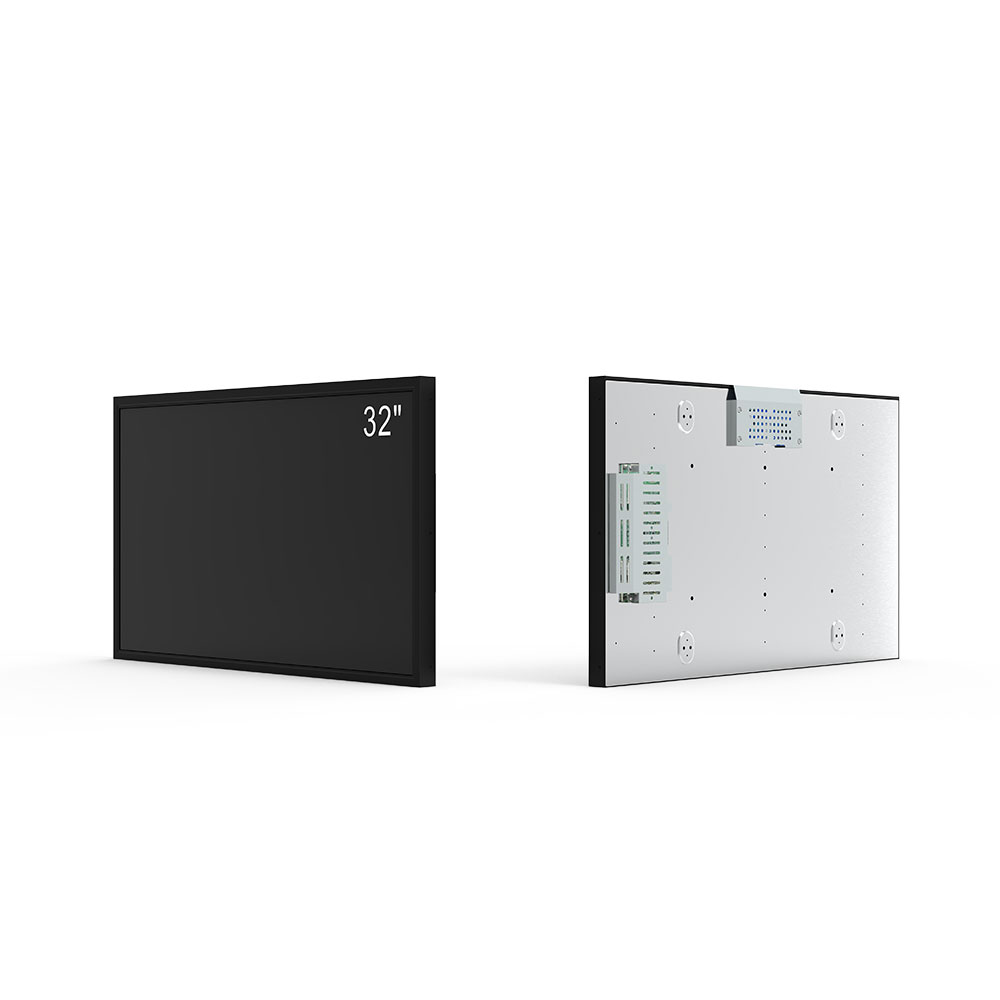
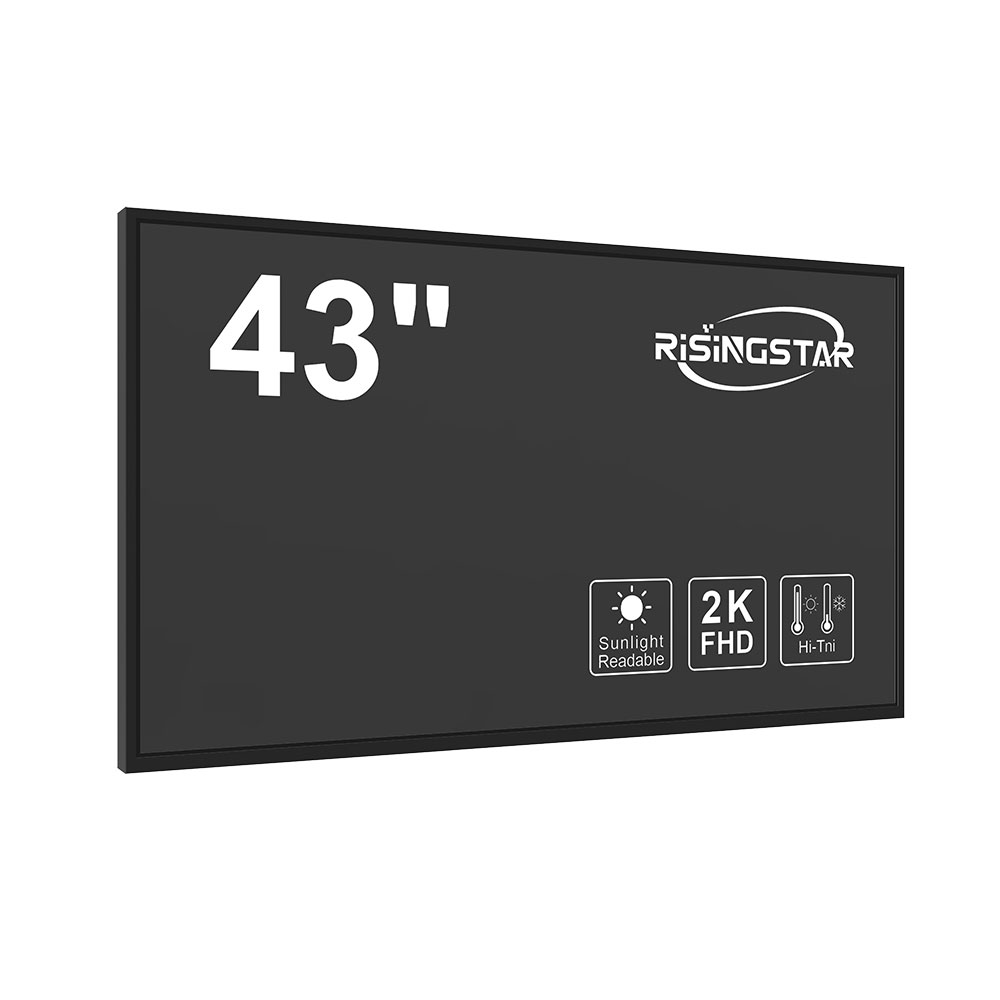
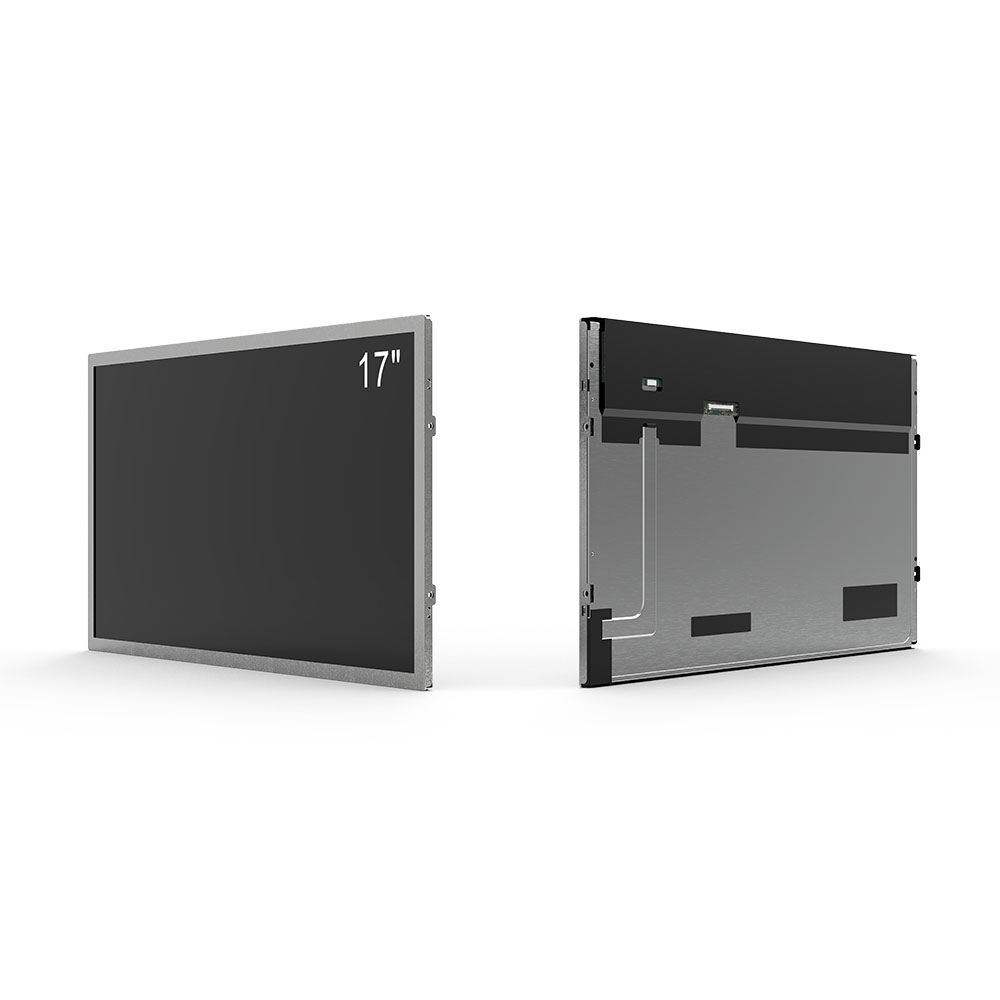
When selecting an LCD display for industrial applications, it's crucial to consider not only screen size and resolution but also environmental resilience, power efficiency, and long-term reliability. Industrial-grade LCDs are used in manufacturing control panels, medical equipment, transportation systems, and outdoor kiosks—environments that demand high durability under extreme temperatures, humidity, and vibration. For example, a 10.4-inch color TFT-LCD with a wide operating temperature range (-20°C to +70°C) is ideal for use in factory automation where ambient conditions fluctuate significantly.
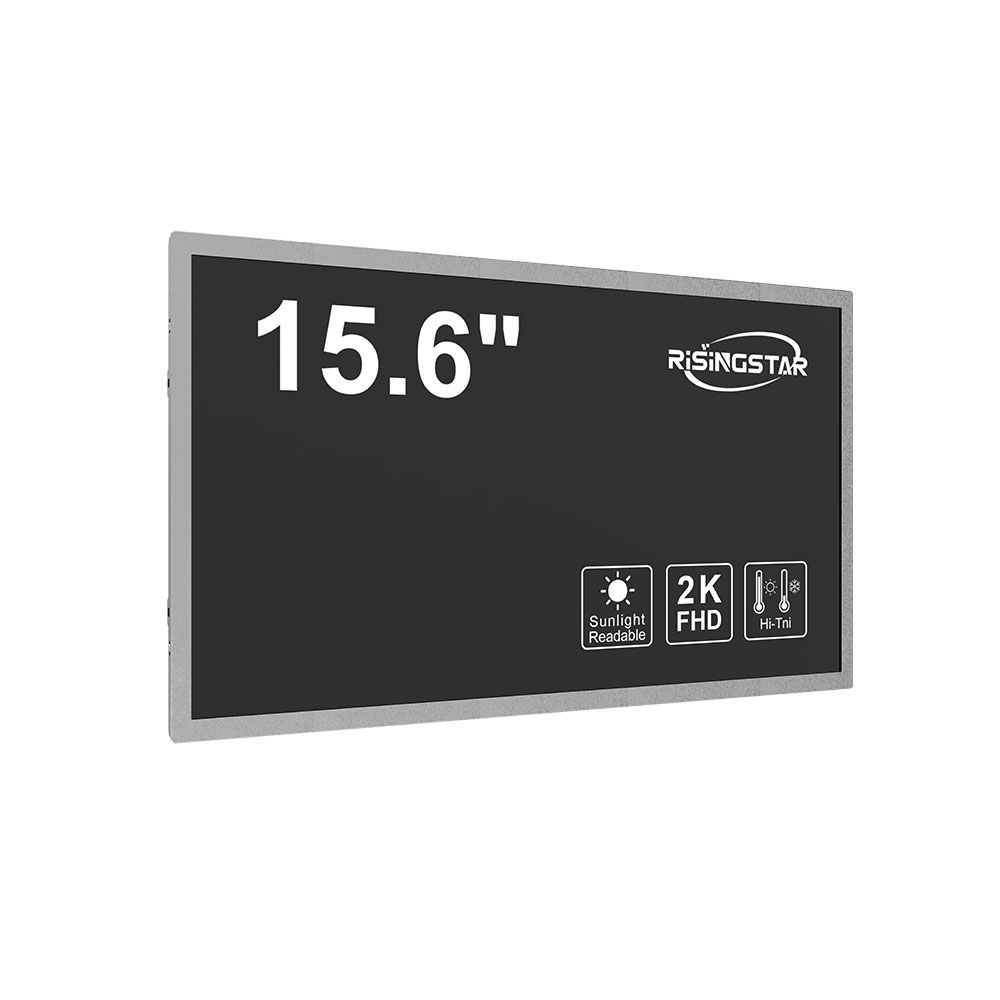
One of the key advantages of modern industrial LCDs is their ability to maintain image clarity under direct sunlight, thanks to high-brightness panels (up to 5000 nits) and anti-glare coatings. This makes them suitable for outdoor installations such as traffic monitoring or utility metering stations. Additionally, low-power consumption models—such as those using LED backlighting instead of CCFL—are preferred in battery-powered devices like handheld diagnostics tools or portable field sensors.
However, common problems include premature aging of the backlight, reduced contrast due to dust accumulation, and touch panel failure from repeated mechanical stress. To mitigate these issues, manufacturers now incorporate features like sealed bezels, IP65-rated enclosures, and multi-touch capacitive screens that resist wear over time. According to a 2023 report by MarketsandMarkets, global industrial LCD market growth is projected at 6.8% CAGR through 2028, driven by increased adoption in smart factories and IIoT (Industrial Internet of Things).
The latest trends include the integration of AI-based brightness adjustment, adaptive contrast enhancement, and modular designs that simplify replacement and maintenance. Companies like Sharp, LG Display, and BOE have introduced ultra-low-power OLED displays tailored for edge computing devices in industrial settings. These innovations not only extend device lifespan but also reduce total cost of ownership—making them essential for sustainable industrial digitization.
In summary, choosing the right LCD involves evaluating real-world performance metrics such as MTBF (Mean Time Between Failures), MIL-STD-810G compliance for shock resistance, and compatibility with harsh environments. With advancements in materials science and embedded intelligence, industrial LCDs are evolving into smarter, more resilient components—not just display panels.