
How to Choose the Right LCD Display for Industrial Applications
Selecting the appropriate LCD display for industrial applications is a critical decision that directly impacts operational efficiency, system reliability, and long-term cost-effectiveness. Unlike consumer-grade displays, industrial LCDs must endure harsh environments—including extreme temperatures, high humidity, mechanical shock, and electromagnetic interference. Therefore, engineers and procurement managers must evaluate several technical and environmental factors before making a selection.
First, consider the operating temperature range. Industrial displays often function in environments from -40°C to +70°C. For example, a display used in a mining operation or outdoor traffic control system must maintain clarity and responsiveness across these extremes. Brands like LG Display, Sharp, and AU Optronics offer industrial-grade panels with wide temperature tolerance, backed by MIL-STD-810G certification for ruggedness.
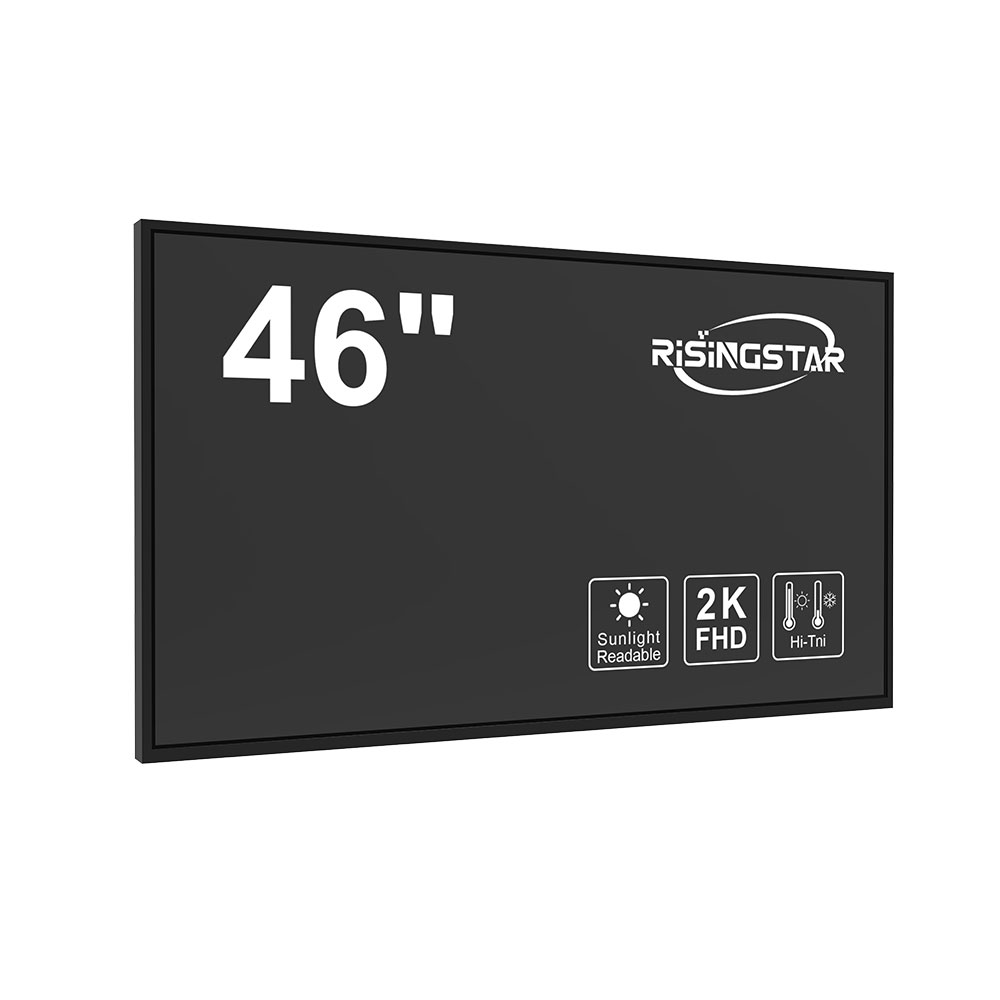
Second, assess brightness and contrast ratio. A minimum of 500 cd/m² is recommended for indoor use, while outdoor or high-ambient-light applications demand 1000–2000 cd/m². High contrast ratios (e.g., 1000:1 or higher) improve readability under direct sunlight—a key factor for field service equipment or automated kiosks.
Third, examine display durability. IP65 or higher protection against dust and water ingress is essential for installations in manufacturing plants or food processing facilities. Additionally, anti-glare coatings and reinforced glass (such as Gorilla Glass or tempered glass) enhance resistance to scratches and impact.
Fourth, consider interface compatibility. Industrial systems commonly require LVDS, MIPI DSI, or RGB interfaces. Ensure the display supports the communication protocols used in your embedded system—for instance, Raspberry Pi or NVIDIA Jetson modules typically use MIPI DSI.
Fifth, review certifications such as CE, FCC, RoHS, and ISO 13485 (for medical devices). These validate compliance with international safety and environmental standards, reducing regulatory risks during deployment.
Real-world examples highlight best practices: In a 2023 case study by Siemens, an industrial automation system using a 10.4-inch 1280x800 TFT-LCD from Innolux achieved 99.7% uptime over 12 months in a chemical plant environment—thanks to its wide operating temperature (-30°C to +70°C), sealed housing, and 1000 cd/m² brightness.
Ultimately, the right industrial LCD balances performance, durability, and integration ease. Always consult manufacturer datasheets, request sample units, and conduct real-world stress testing before full-scale deployment.
上一篇:Industrial Grade LCD Displays for Harsh Environments and High-Reliability Applications
下一篇:How to Choose the Right LCD Display for Industrial Applications