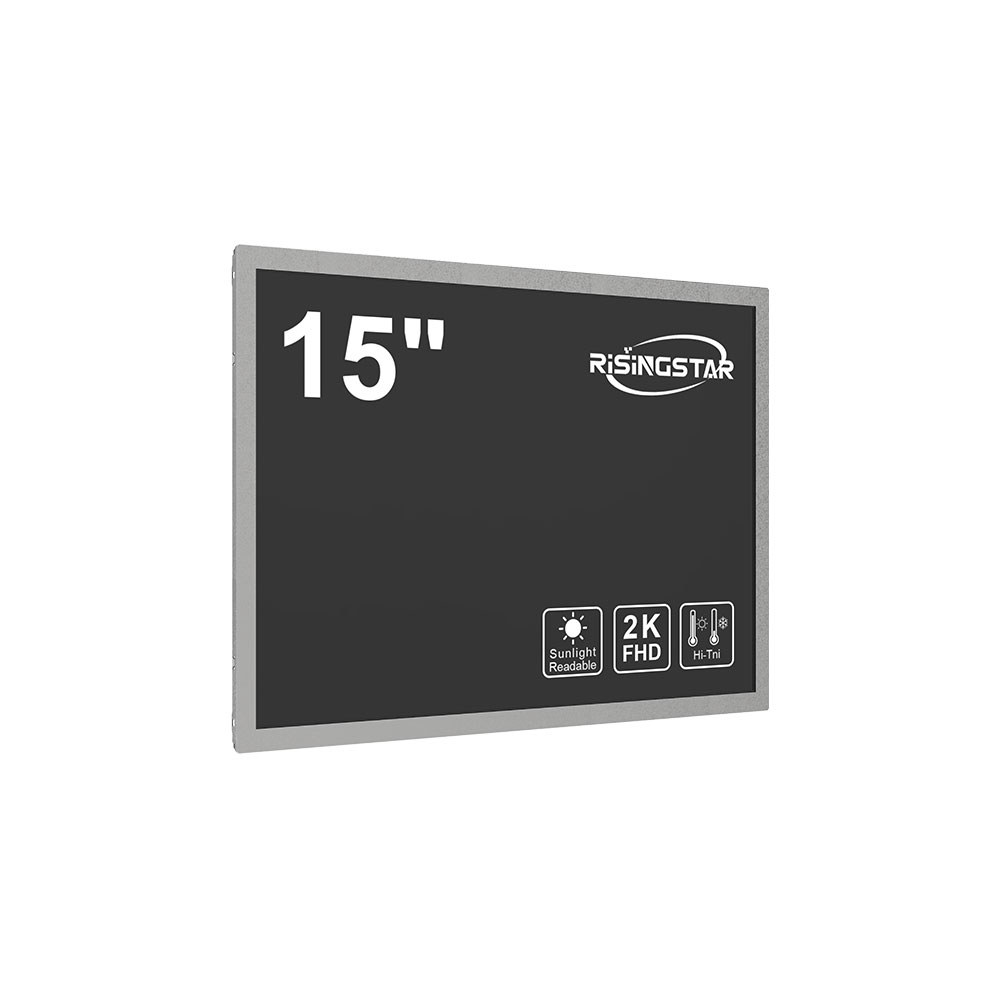
In today’s industrial and outdoor environments, the demand for reliable, high-brightness LCD displays that perform under direct sunlight is greater than ever. Whether it's a 15-inch, 17-inch, or 19-inch screen used in construction equipment, military vehicles, medical devices, or transportation systems, achieving consistent visibility in bright ambient conditions requires more than just increased luminance—it demands intelligent optical design, advanced panel technology, and rigorous environmental testing.
For applications where display clarity is mission-critical, such as command centers, agricultural machinery, or emergency response units, a 4:3 display ratio offers superior compatibility with legacy systems while providing optimal real estate for text-based interfaces and control panels. Unlike widescreen 16:9 formats commonly found in consumer electronics, 4:3 screens better suit traditional data entry, instrument readings, and CAD layouts—making them the preferred choice for professionals who prioritize function over form.
The key to achieving true sunlight readability lies in brightness levels exceeding 5000 nits, a standard now widely adopted by leading manufacturers like Sharp, LG, and AU Optronics. These high-brightness LCDs utilize advanced LED backlighting, anti-glare coatings, and polarization filters to minimize reflection and maximize contrast even under intense solar radiation. According to ISO 11558 standards for automotive displays and MIL-STD-810G for ruggedized electronics, successful sunlight-readable displays must maintain visibility at 10,000 lux (typical full-sun illumination) without performance degradation.
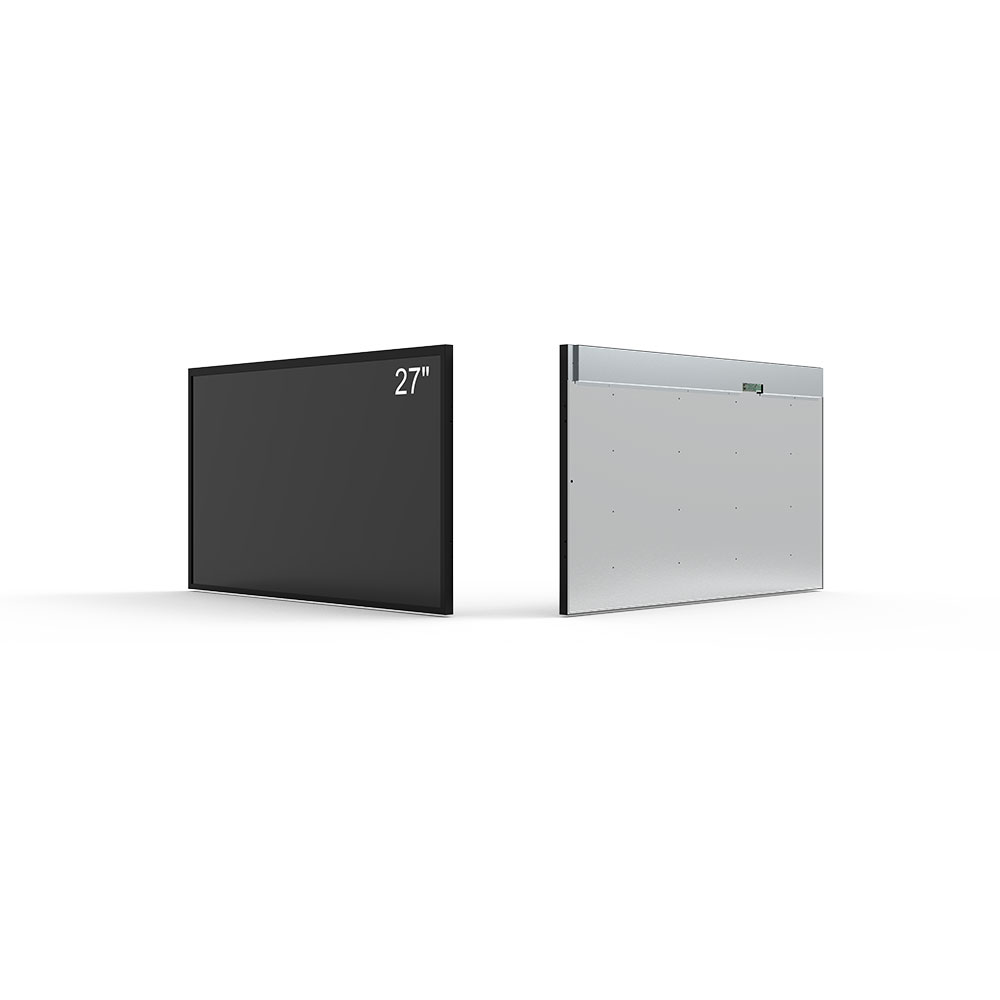
Moreover, modern 4:3 high-brightness LCDs are designed for durability—offering IP65 ingress protection, wide operating temperature ranges (-30°C to +70°C), and shock/vibration resistance suitable for mobile platforms. For instance, a 17-inch Sunlight-Readable LCD used in a utility vehicle dashboard can withstand harsh vibrations from off-road terrain while maintaining readable contrast under direct sun exposure, ensuring driver safety and operational efficiency.
Manufacturers often integrate features such as automatic brightness adjustment (ABA), ambient light sensors, and low-power consumption modes to enhance both user experience and system longevity. These innovations ensure compliance with energy efficiency standards like ENERGY STAR and reduce thermal load—an essential consideration in enclosed vehicle cabins or confined server rooms.
In conclusion, selecting the right 4:3 aspect ratio display—whether 15", 17", or 19"—requires balancing brightness, environmental resilience, and application-specific needs. With advancements in OLED and mini-LED technologies, sunlight-readable LCDs are becoming not only brighter but also more efficient and versatile. For engineers and procurement managers in defense, healthcare, agriculture, or logistics, understanding these technical specifications ensures optimal ROI and long-term reliability in demanding environments.