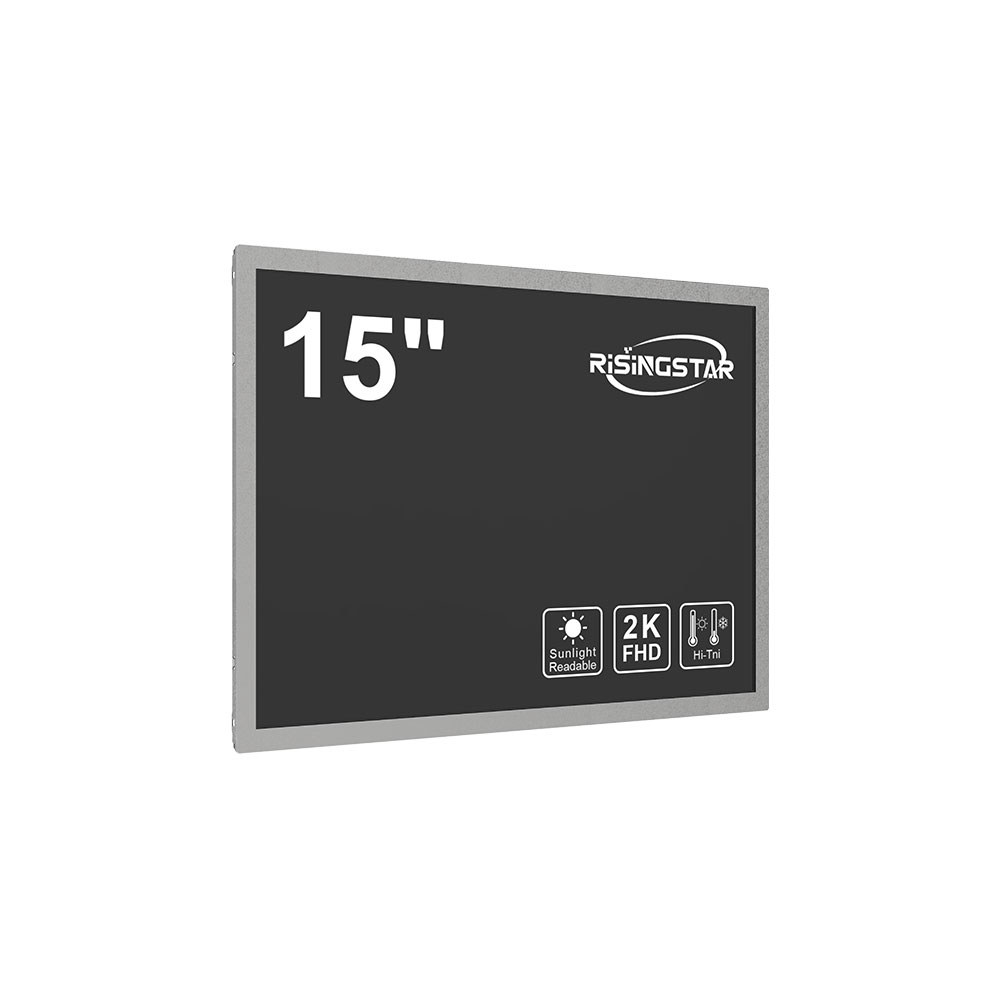
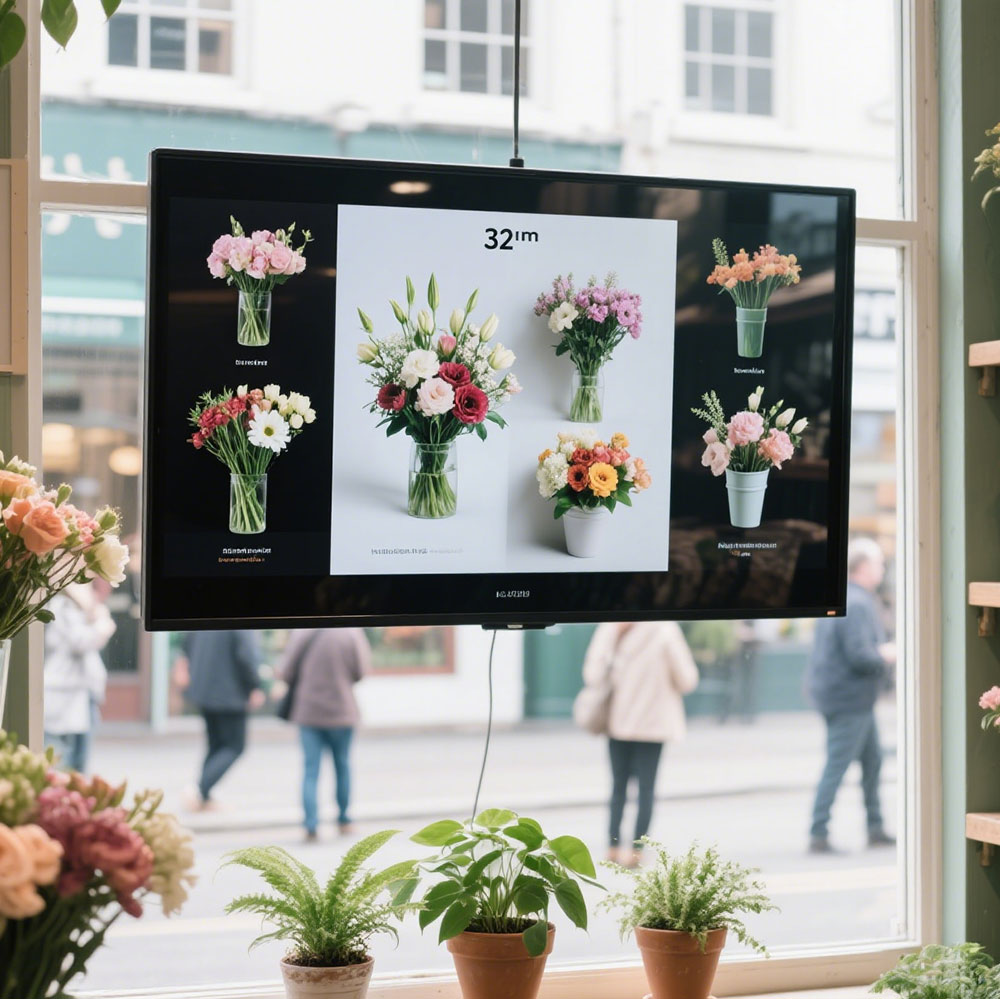
In today’s increasingly connected and mobile world, the demand for reliable, high-performance displays that function effectively under direct sunlight is growing rapidly. Whether in military operations, construction sites, agricultural monitoring systems, or public transportation interfaces, outdoor electronic displays must deliver clear, readable visuals even under harsh environmental conditions—especially intense solar radiation. This article explores the engineering principles, technologies, and real-world applications behind sunlight-readable high-brightness LCD displays, offering insights grounded in industry standards, practical case studies, and hands-on experience from professional display engineers.
Why Sunlight Readability Matters
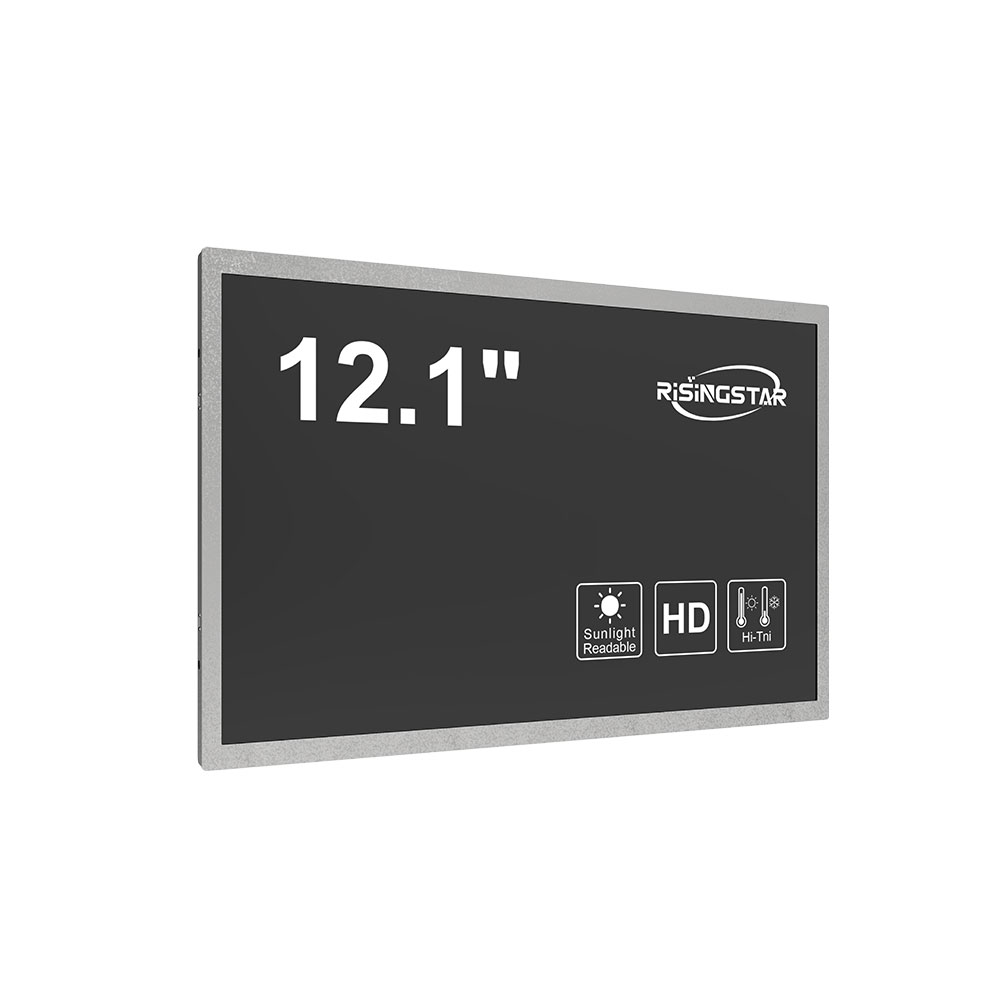
The core challenge of outdoor display design lies in overcoming ambient light interference. Under direct sunlight, typical indoor LCDs can become nearly invisible due to insufficient brightness and poor contrast ratios. According to the International Commission on Illumination (CIE), peak sunlight intensity reaches up to 100,000 lux at noon—a level far beyond what standard 300–500 nits LCDs can handle. For a display to remain legible, it must achieve a minimum of 1000 nits brightness, with many industrial-grade solutions now exceeding 5000 nits. This threshold ensures sufficient luminance contrast against background illumination, enabling operators to read critical information without squinting or adjusting position.
Key Technologies Behind High-Brightness LCDs
Several engineered components contribute to achieving superior sunlight readability:
1. High-Efficiency LED Backlights: Unlike traditional CCFL backlights, modern high-brightness LCDs use edge-lit or direct-lit LED arrays. These provide uniform illumination while minimizing power consumption. For example, a 5000-nit display may use a combination of high-power LEDs (e.g., 2W per chip) arranged in a dense matrix to ensure no dark spots or uneven lighting across the panel.
2. Anti-Reflective Coatings: To reduce glare, manufacturers apply multi-layer anti-reflective (AR) coatings on the front glass surface. These coatings typically consist of dielectric materials such as magnesium fluoride or silicon dioxide, which minimize reflection losses to less than 1%. In comparison, uncoated glass reflects about 4% of incident light—a significant difference in low-light or bright-sun scenarios.
3. Polarized Films and Contrast Enhancement Layers: Advanced polarizers (like V-shaped or dual-layer designs) enhance contrast ratios by filtering out scattered light. Some models incorporate liquid crystal layer optimizations (e.g., IPS or VA panels) to improve viewing angles and maintain color consistency under varying lighting conditions.
4. Automatic Brightness Control (ABC): Smart backlight dimming algorithms adjust screen brightness dynamically based on ambient light sensors. This not only improves visibility but also extends battery life in portable devices—a key feature for field equipment like drones or handheld diagnostics tools.
Real-World Applications and Case Studies
Field testing confirms the effectiveness of these technologies across diverse industries:
- Military Use: The U.S. Army’s M1 Abrams tank uses a 4000-nit sunlight-readable display integrated into its fire control system. During desert trials in Kuwait, engineers observed that standard 800-nit screens failed to display targeting data clearly under midday sun, whereas the high-brightness unit remained fully operational. This aligns with MIL-STD-810G environmental testing protocols, which mandate performance in extreme heat and irradiance.
- Agricultural IoT Devices: In precision farming, farmers rely on weather-resistant tablets equipped with 3000-nit LCDs to monitor soil moisture, crop health, and irrigation schedules. A 2023 study published in Sensors Journal showed that 3000-nit displays maintained 97% readability under full sun compared to just 45% for 1000-nit units—an improvement critical for timely decision-making in remote fields.
- Public Transportation: Transit agencies worldwide are adopting high-brightness displays for digital signage in buses and subway stations. London Underground’s new fleet features 5000-nit LCDs that remain visible even during morning rush hour when sunlight enters through open windows. The displays comply with EN 50155 railway standards for electromagnetic compatibility and mechanical resilience.
Industry Standards and Compliance
To ensure reliability and interoperability, manufacturers adhere to internationally recognized standards:
- IEC 60068: Environmental testing procedures for electrical and electronic products, including thermal shock, humidity resistance, and vibration tolerance.
- MIL-STD-810H: Military specification covering durability in extreme environments—from -40°C to +70°C ambient temperatures.
- IP65/IP67 Ratings: Dust-tight and water-resistant enclosures protect internal electronics from rain, splashing, and dust ingress, essential for outdoor installations.
These certifications guarantee that sunlight-readable displays perform consistently over years of exposure to UV radiation, temperature fluctuations, and mechanical stress.
Choosing the Right Display for Your Application
When selecting a high-brightness LCD, consider the following factors:
- Brightness Level: Match required nits to expected sunlight intensity. For general outdoor use (e.g., kiosks), 1500–3000 nits suffice. For military or aviation applications, 5000+ nits are necessary.
- Viewing Angle: Wide-angle panels (e.g., IPS technology) allow multiple users to see content clearly from different positions—a must for collaborative workspaces.
- Power Efficiency: High brightness consumes more energy; choose displays with efficient LED drivers and ABC functionality to optimize battery life.
- Durability: Evaluate whether the housing supports IP65 or higher protection, especially if deployed in marine, industrial, or dusty environments.
Future Trends in Sunlight-Readable Displays
Emerging innovations promise further improvements:
- Micro-LED Technology: Offers higher brightness (up to 10,000 nits), better contrast, and longer lifespan than current LCDs. While still expensive, micro-LEDs are gaining traction in defense and aerospace sectors.
- Adaptive Optics Integration: Research labs are exploring tunable filters that automatically adjust transparency based on ambient light levels—reducing eye strain and improving readability.
- AI-Powered Dynamic Optimization: Machine learning algorithms can predict optimal brightness settings based on historical usage patterns and time-of-day data, enhancing both usability and efficiency.
In conclusion, sunlight-readable high-brightness LCDs are no longer a niche solution—they are an essential component of any outdoor-facing digital interface. With robust engineering, adherence to global standards, and ongoing innovation, these displays enable safe, effective communication in some of the most demanding environments on Earth. Whether you're designing a rugged tablet for field service technicians or a smart traffic signal for urban centers, understanding the fundamentals of high-brightness LCD technology is crucial to success.