When designing displays for outdoor use, industrial environments, or high-brightness applications—such as military equipment, automotive dashboards, or public kiosks—the choice between IPS (In-Plane Switching) and traditional LCD (Liquid Crystal Display) panels is critical. Both technologies are based on liquid crystal principles, but their structural differences lead to vastly different performance in sunlight readability and brightness consistency.
IPS panels, developed by Hitachi in the late 1990s and now widely adopted in smartphones, tablets, and professional monitors, offer superior viewing angles (up to 178°), color accuracy, and image stability under tilt. However, for high-brightness scenarios where sunlight exposure is unavoidable, IPS often outperforms conventional TN (Twisted Nematic) LCDs—but not necessarily all LCD variants. The key lies in understanding how each panel type handles backlight intensity, contrast ratio, and glare reduction.
Modern IPS displays can achieve peak brightness levels of 3,000 to 5,000 nits—critical for direct sunlight visibility—especially when paired with advanced LED backlighting and anti-reflective coatings. These features are commonly found in MIL-STD-810G-certified rugged displays used in defense and aviation sectors. For instance, the U.S. Army’s AN/PVS-14 night vision device incorporates an IPS-based display with 2,500-nit brightness, enabling reliable operation during daylight missions.
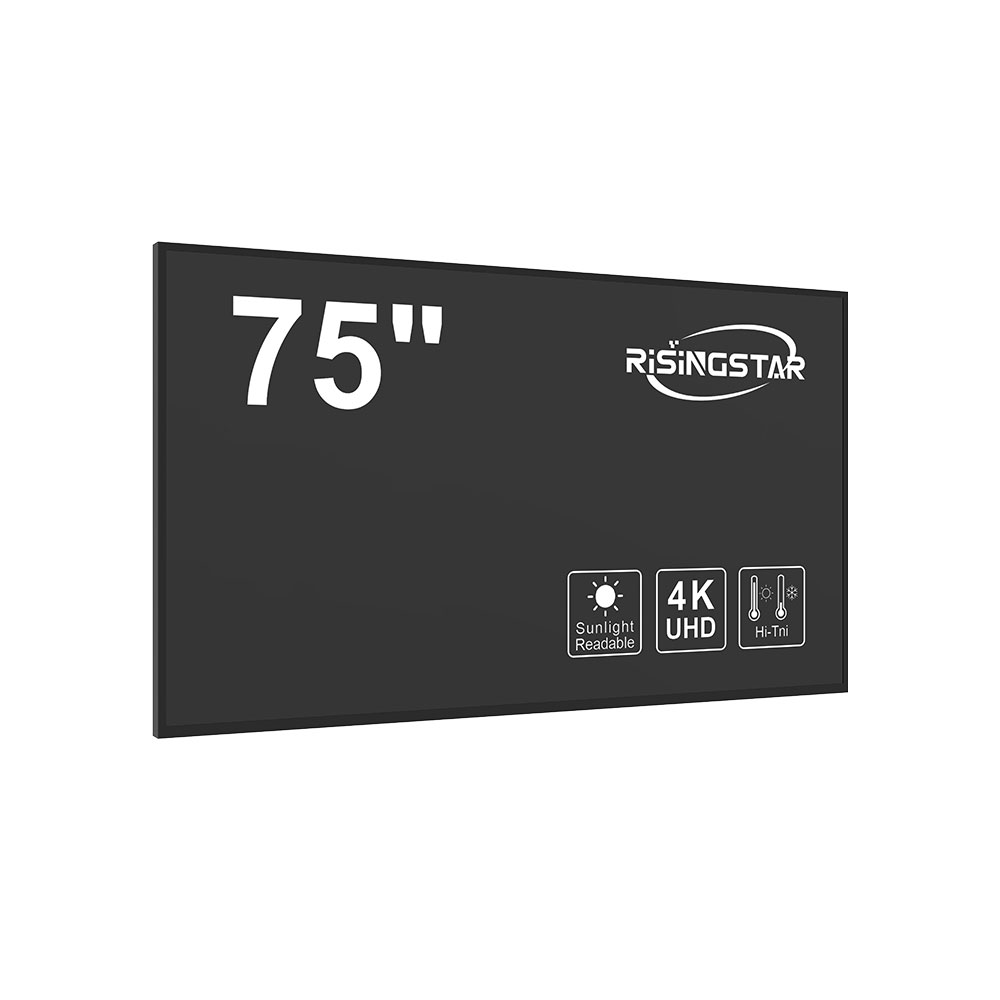
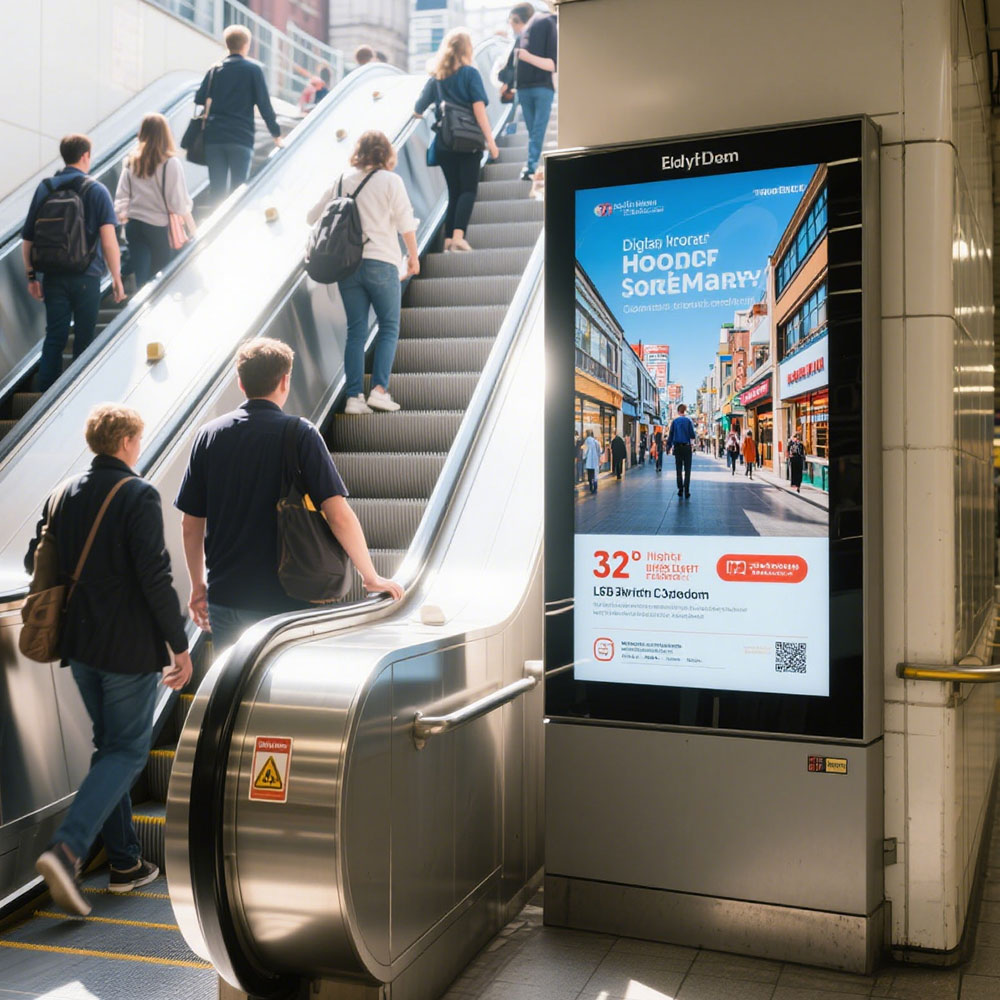
Conversely, standard LCDs—often TN or VA (Vertical Alignment)—typically max out at 1,000–1,500 nits without significant power consumption or thermal issues. They also suffer from poor off-axis contrast, making them unsuitable for multi-user environments or dynamic lighting conditions. In outdoor kiosk applications, where users approach from various angles, IPS ensures consistent visual clarity even under intense solar radiation.
Industry benchmarks such as ISO 13406-2 and IEC 61000-4-3 validate that IPS panels meet higher standards for luminance uniformity and ambient light rejection. Additionally, manufacturers like LG Display, BOE, and Innolux now offer “sunlight-readable” IPS modules with integrated polarizers and micro-lens arrays that reduce surface reflection by up to 90%.
For mission-critical systems requiring both durability and usability in bright environments, IPS is objectively the better choice over traditional LCDs—not just for color fidelity but for functional reliability. While initial cost may be higher, total cost of ownership (TCO) improves due to reduced maintenance, fewer user complaints, and longer operational life in harsh conditions.
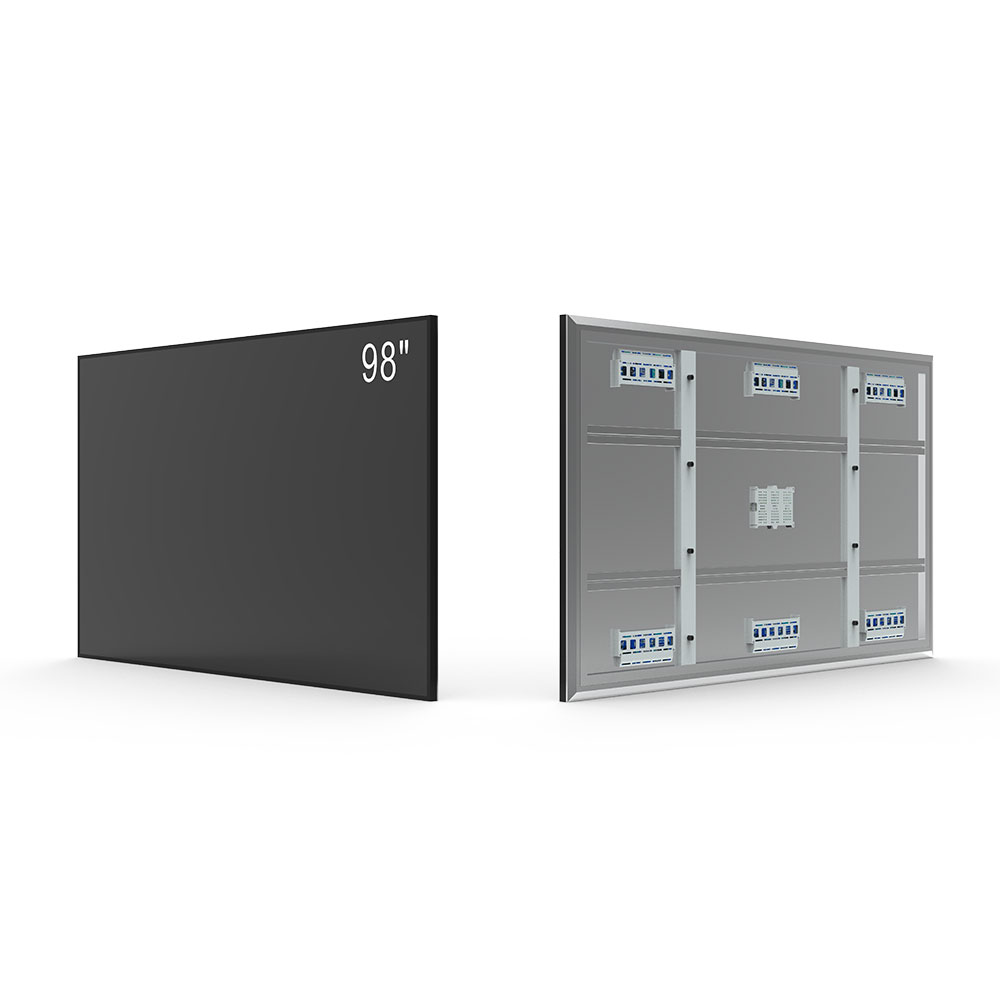
In conclusion, if your application demands visibility under sunlight, high contrast, wide viewing angles, and long-term reliability, IPS technology provides a proven, industry-backed solution. It's not merely about "better" display tech—it’s about engineering for real-world performance.