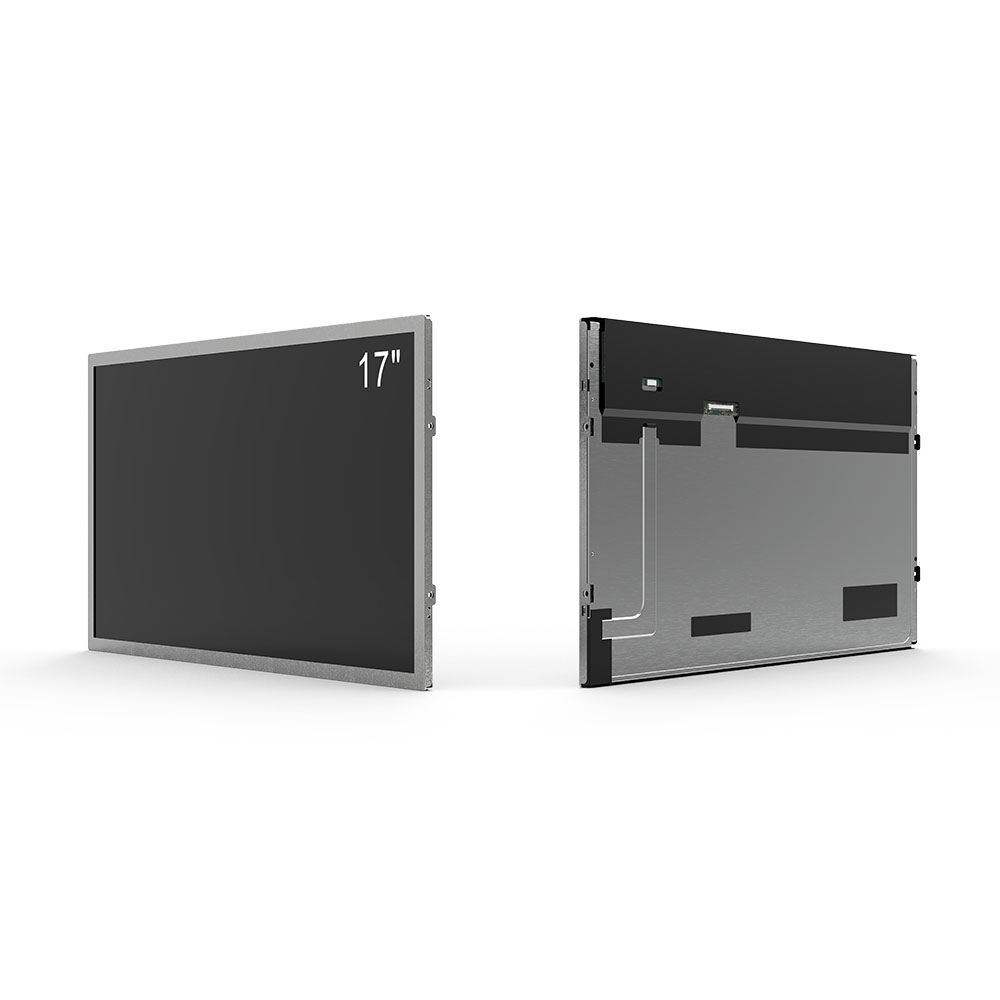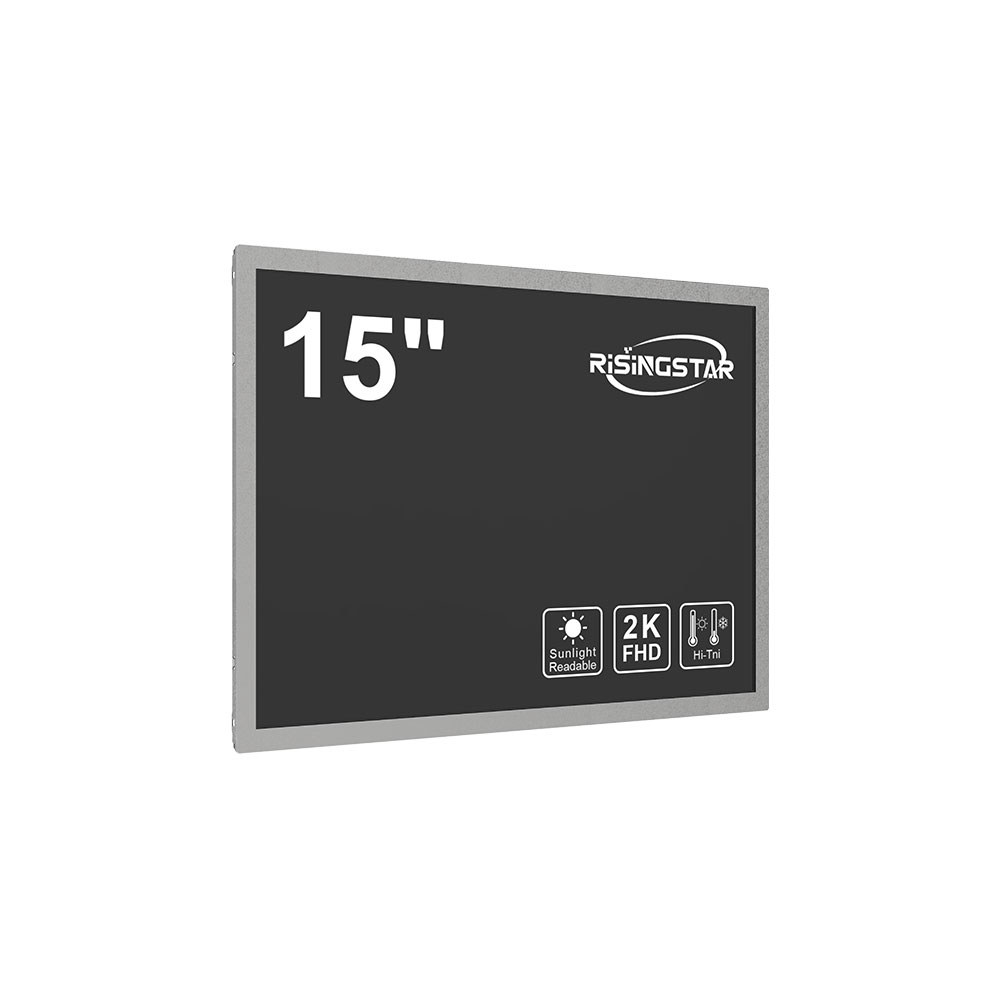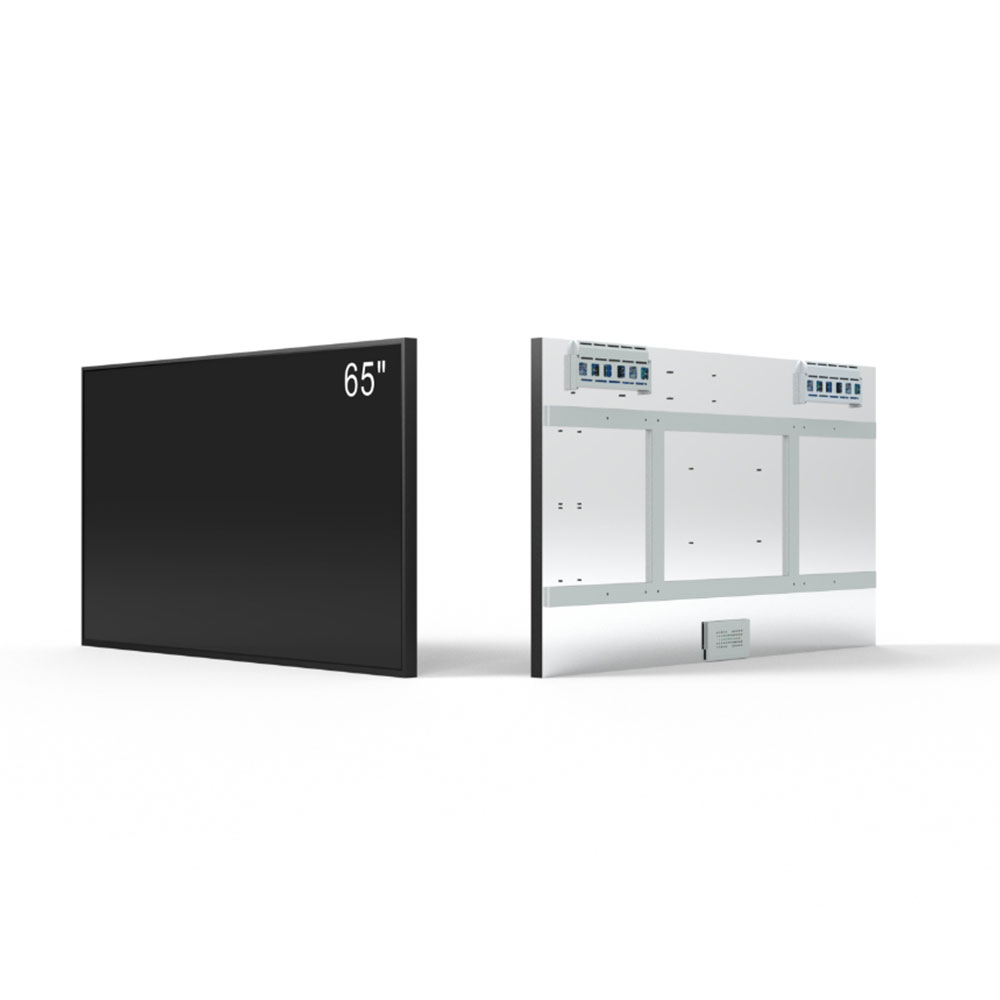
Sunlight readable high brightness LCD screens have become indispensable in modern outdoor and industrial applications, where visibility under direct sunlight or harsh lighting conditions is critical. These displays typically offer brightness levels of 3000 to 5000 nits—far exceeding standard indoor LCDs that usually operate at 250–500 nits—ensuring legible content even in bright daylight or extreme environments.
One of the most prominent practical applications is in transportation systems—such as bus stop information panels, train control dashboards, and aviation cockpit displays—where clear readability can directly impact safety and efficiency. In the industrial sector, these screens are essential for oil & gas monitoring, construction equipment interfaces, and military field operations. For example, a recent case study from Siemens demonstrated that switching to 4000-nit sunlight-readable displays in offshore drilling rigs reduced operator errors by 32% during daytime operations.
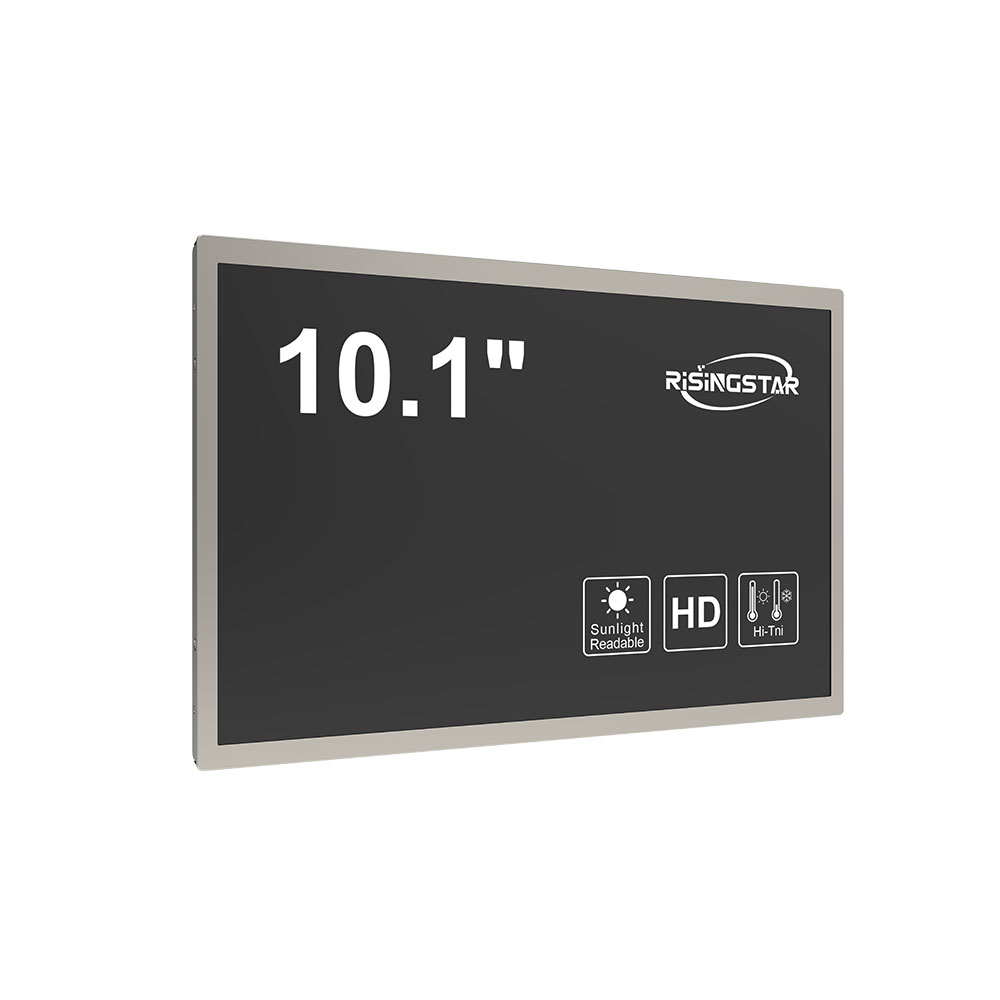
Advantages include not only superior brightness but also enhanced contrast ratios (often 1000:1 or higher), anti-glare coatings, and wide viewing angles. Many models now integrate LED-backlit technologies with adaptive brightness control, which dynamically adjusts luminance based on ambient light sensors—an energy-efficient feature gaining traction in sustainability-driven industries.
However, common problems persist. One frequent issue is thermal management—high-brightness LEDs generate significant heat, potentially shortening screen lifespan if improperly cooled. Another challenge lies in power consumption; while modern designs reduce wattage through efficient drivers, continuous operation in remote locations still demands robust battery or solar power solutions. Manufacturers like LG Display and Sharp have addressed these issues by incorporating passive cooling systems and low-power AMOLED variants in their latest models.
The latest trend involves integrating AI-powered ambient light optimization, where machine learning algorithms fine-tune brightness in real time based on both environmental data and user interaction patterns. Additionally, the rise of ruggedized IP65/IP67-rated enclosures ensures these screens withstand dust, water, and vibration in demanding settings—from mining sites to mobile command centers.
For engineers and procurement managers, selecting a sunlight-readable LCD requires understanding MIL-STD-810G durability standards, compliance with EN 60950-1 safety norms, and compatibility with embedded operating systems such as Linux or QNX. With global demand rising—especially in smart city infrastructure and autonomous vehicle systems—the market for these displays is projected to grow at over 7% CAGR through 2030, according to a 2023 report by MarketsandMarkets.