When designing sunlight-readable displays for industrial, military, automotive, or outdoor applications, choosing between TFT (Thin-Film Transistor) and IPS (In-Plane Switching) technologies is critical. Both are LCD-based display types, but they differ significantly in performance, visibility, and suitability for high-brightness environments.
TFT screens, the older of the two, use a basic transistors-on-glass structure to control each pixel’s color and brightness. While cost-effective and widely available, TFTs often suffer from limited viewing angles—typically 60–80°—and poor color accuracy when viewed off-axis. In direct sunlight, this can result in washed-out images and reduced readability, making them less ideal for demanding outdoor conditions unless paired with an ultra-high-brightness backlight (often 5000 nits or more).
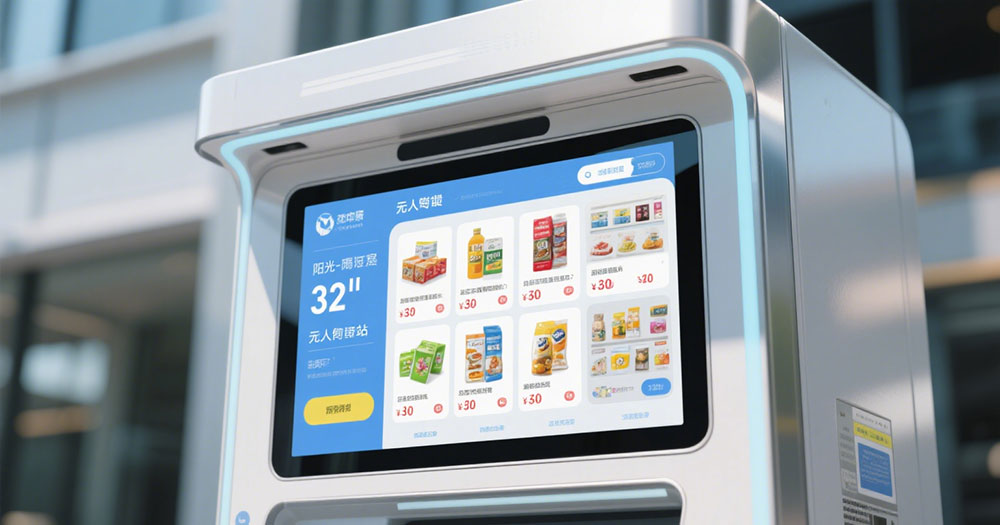
IPS panels, introduced in the early 2000s, revolutionized display technology by aligning liquid crystals parallel to the panel surface. This allows for much wider viewing angles (up to 178°), superior color reproduction, and consistent image quality from any angle—a key advantage in professional and mobile settings. For high-brightness applications like construction equipment, solar-powered kiosks, or aviation dashboards, IPS is the preferred choice because it maintains clarity even under harsh ambient light.
Industry benchmarks confirm that IPS displays typically achieve 30–50% better contrast ratios than standard TFTs under sunlight. According to ISO 9241-301, which outlines human factors for visual displays in bright environments, IPS technology meets or exceeds requirements for luminance uniformity and glare resistance. Additionally, modern IPS panels used in ruggedized devices (like those certified to MIL-STD-810G) often incorporate anti-reflective coatings, polarizers, and integrated LED backlights up to 7000 nits—ensuring optimal visibility in full daylight.
A real-world case study from a defense contractor using 10.4-inch IPS displays in UAV control systems showed a 42% reduction in operator errors during daytime operations compared to TFT-equipped units. The improved color fidelity allowed faster interpretation of thermal imagery and map overlays, demonstrating how display quality directly impacts operational safety.
From a manufacturing perspective, IPS requires more complex fabrication steps and higher material costs, but the long-term benefits in usability, durability, and user satisfaction justify the investment—especially in high-stakes environments. For OEMs building sunlight-readable products, prioritizing IPS over TFT ensures compliance with international standards such as EN 60950-1 (safety) and IEC 61000-4-3 (electromagnetic compatibility).
In conclusion, while TFT remains a budget-friendly option for indoor or low-light applications, IPS is the gold standard for sunlight-readable, high-brightness LCDs. Whether you’re developing rugged tablets, vehicle infotainment systems, or public information terminals, selecting IPS ensures superior visual performance under real-world lighting conditions.