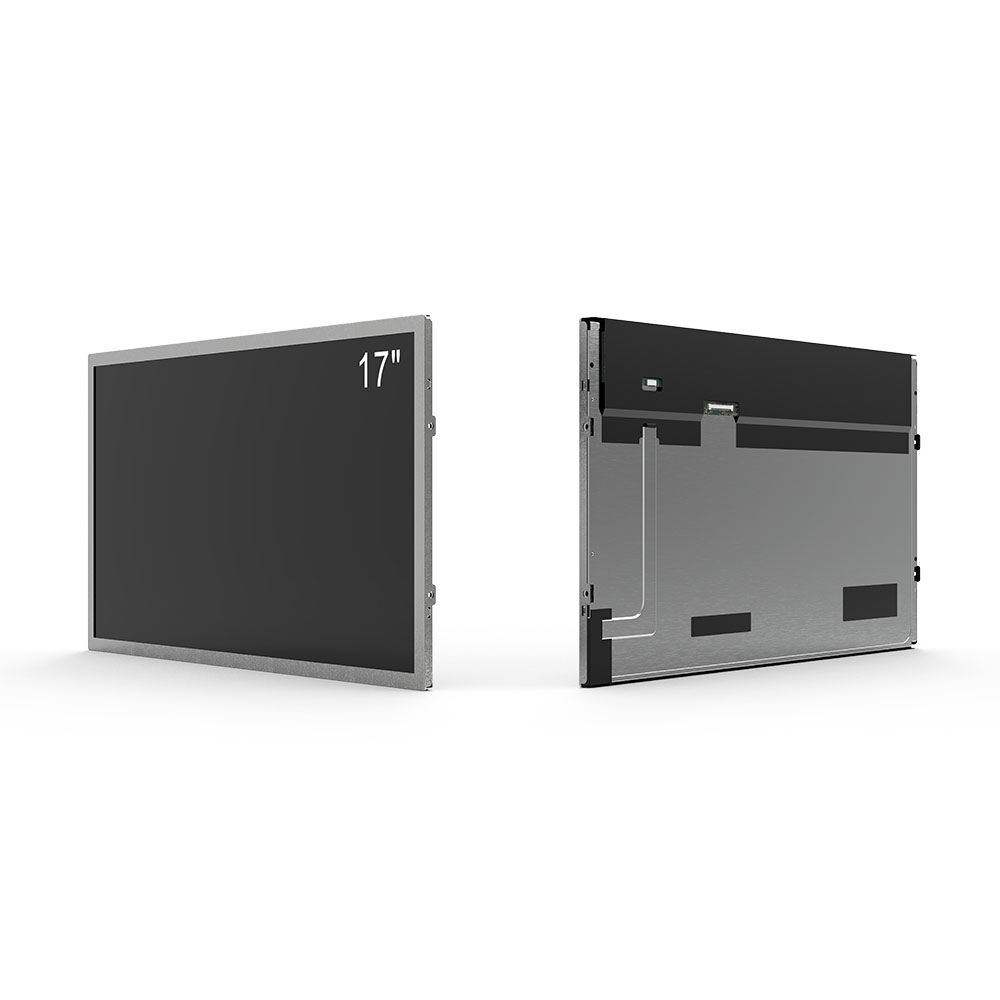
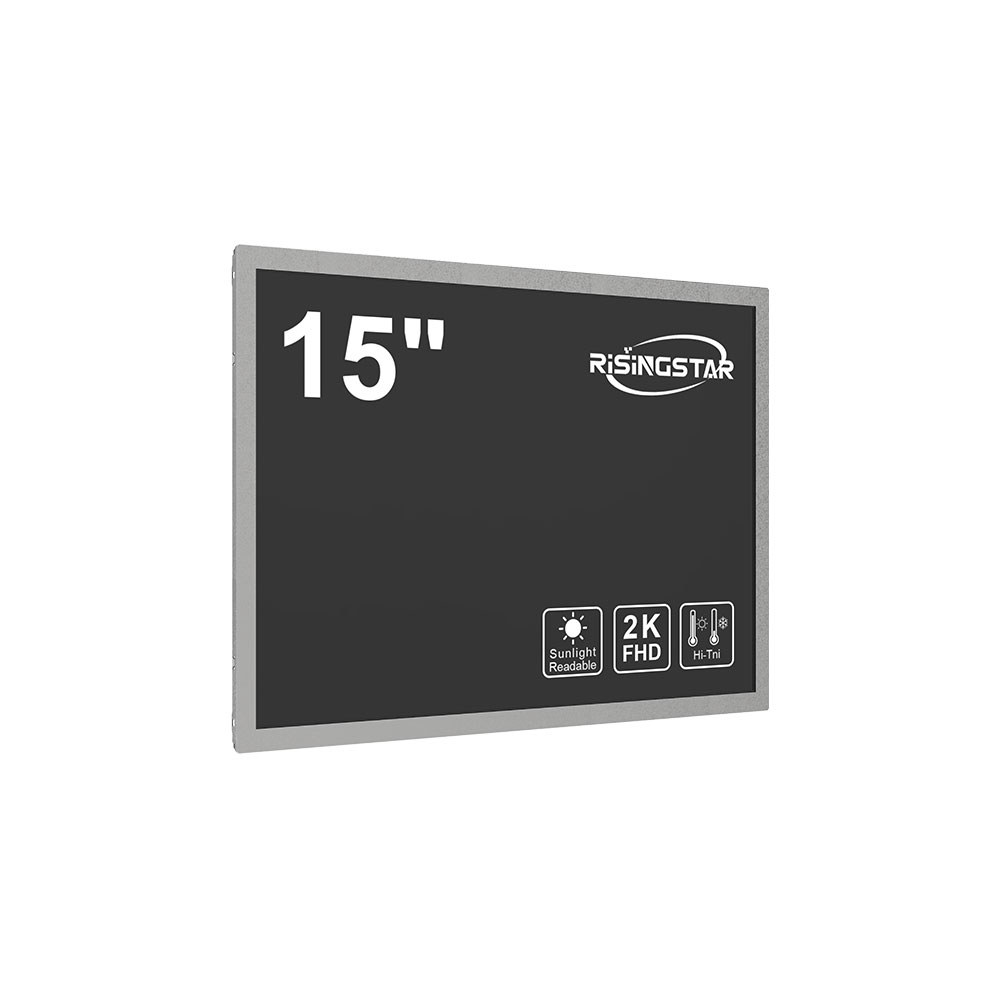
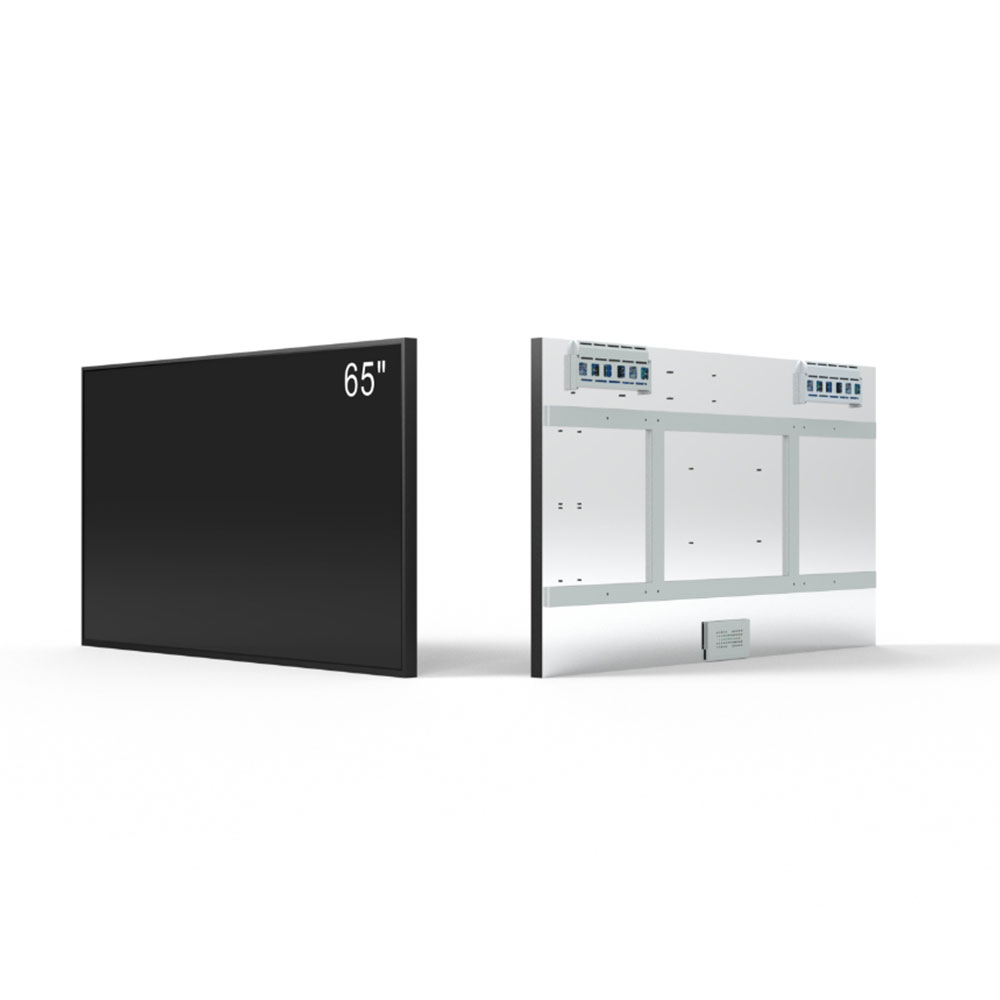
Sunlight readable high brightness LCD screens are critical components in outdoor and industrial applications where visibility under direct sunlight is essential. These displays, typically rated at 5000 nits or higher, utilize advanced optical engineering and anti-glare coatings to maintain clarity even in extreme lighting conditions—such as on military vehicles, construction equipment, utility field devices, and public transportation systems.
The core of a sunlight readable display lies in its ability to surpass ambient light levels. According to the International Electrotechnical Commission (IEC) standard IEC 62471, luminance measurements must be taken under standardized test conditions to ensure accuracy. In practice, manufacturers often design these screens with dual backlighting systems—LED arrays with high-efficiency drivers—that can dynamically adjust brightness based on real-time ambient light sensors. This not only improves readability but also enhances energy efficiency, a crucial factor for battery-powered devices used in remote locations.
A key innovation in modern sunlight readable LCDs is the use of transflective liquid crystal technology. Unlike traditional transmissive displays that rely solely on backlighting, transflective panels combine both reflective and transmissive modes. During daylight, they reflect ambient light through the display’s internal layer structure, eliminating the need for high-power backlights. This reduces power consumption by up to 40%, according to studies published in the IEEE Transactions on Components, Packaging and Manufacturing Technology (2022). For example, the ruggedized touchscreen display used in the U.S. Army’s Stryker vehicle operates reliably at over 7000 nits, meeting MIL-STD-810G environmental durability standards while maintaining touch responsiveness in temperatures ranging from -30°C to +70°C.
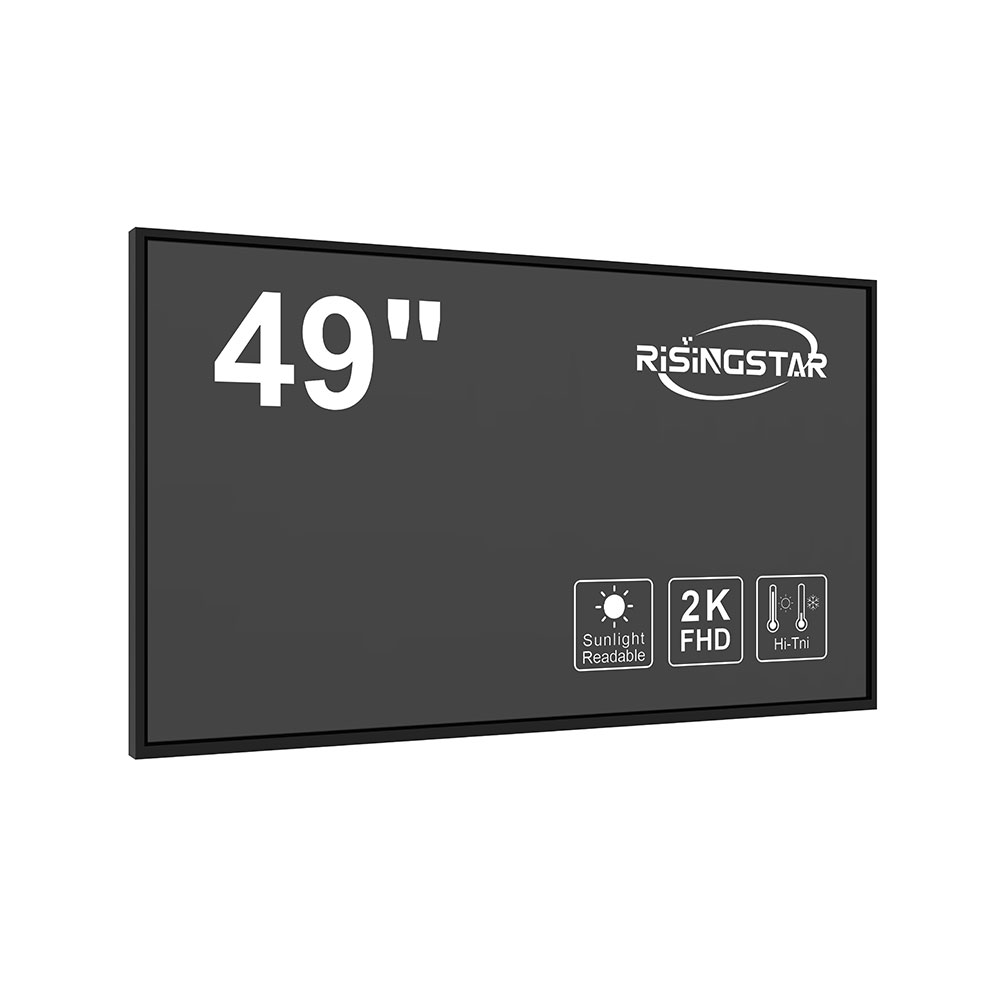
Moreover, robust materials such as Gorilla Glass 6 and specialized polarizers enhance resistance to physical damage, moisture, and UV degradation. The display housing is often IP67-rated, ensuring protection against dust ingress and temporary submersion in water. Such features make these screens ideal for oil & gas exploration rigs, agricultural machinery, and marine navigation systems where exposure to extreme weather is routine.
In summary, sunlight readable high brightness LCD screens represent a convergence of optical physics, thermal management, and industrial-grade engineering. Their widespread adoption across defense, infrastructure, and commercial sectors underscores their role in enabling safe, efficient operations under challenging visual conditions. As smart cities and Industry 4.0 expand globally, demand for durable, bright, and reliable display solutions will continue to rise—making this technology indispensable for next-generation human-machine interfaces.