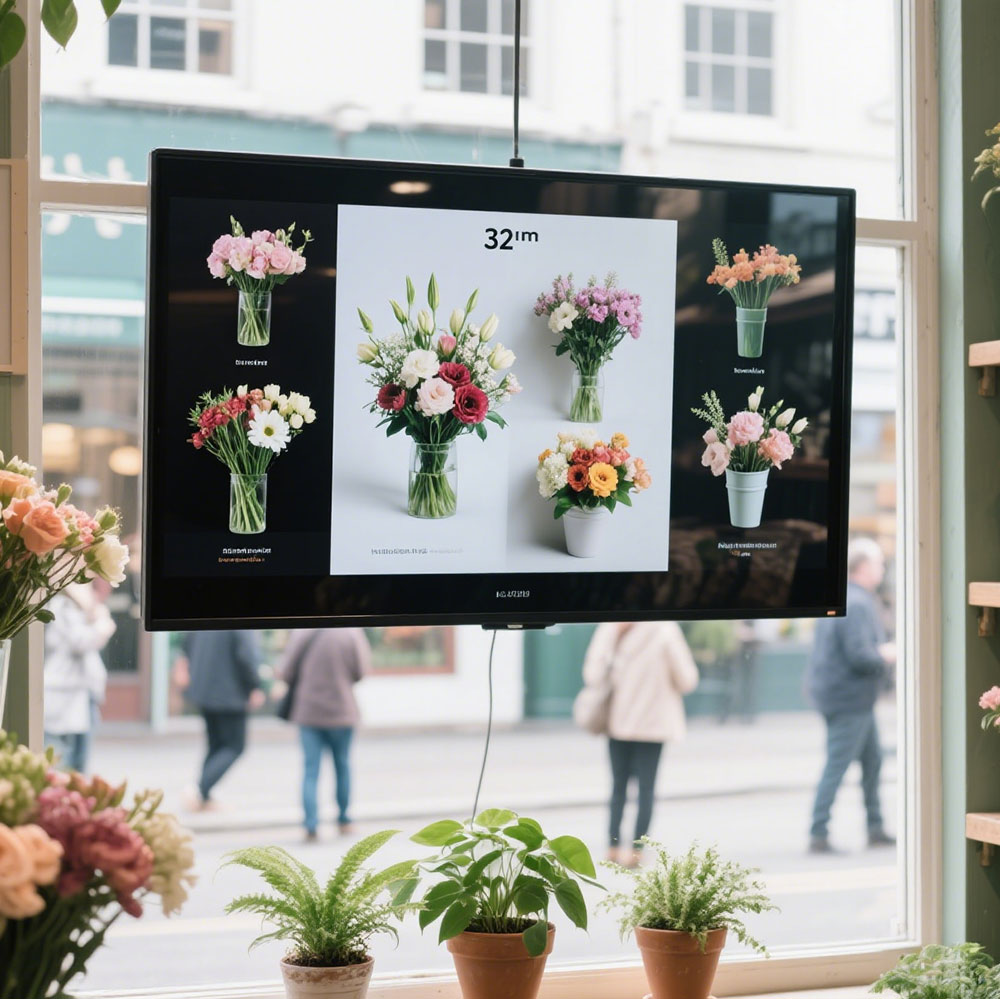
When designing industrial equipment, outdoor monitoring systems, or ruggedized control panels, selecting the right display is critical—not just for visibility, but for operational reliability under extreme lighting conditions. A sunlight-readable high-brightness LCD is not merely a feature; it’s a necessity for mission-critical applications where clarity in direct sunlight can mean the difference between efficiency and failure.
The key metric that defines a display’s performance in bright environments is luminance, measured in nits (cd/m²). While standard indoor LCDs typically range from 200 to 400 nits, sunlight-readable displays must exceed 1,500 nits, with many modern industrial models reaching up to 5,000 nits or more. This level of brightness ensures content remains legible even under direct solar radiation—especially important in regions with intense UV exposure such as deserts or tropical climates.
Industry standards like IEC 60950-1 and MIL-STD-810G provide benchmarks for environmental resilience, including temperature extremes, shock resistance, and humidity tolerance—factors that directly impact display longevity. For example, a display used on a construction site in Dubai must maintain contrast stability at 60°C ambient temperature while resisting dust ingress (IP65 rating) and mechanical vibration.
Another crucial design element is the use of anti-reflective coatings (ARCs) and polarization filters. These reduce glare without sacrificing brightness—a balance often overlooked by manufacturers who prioritize raw nit output over visual comfort. In fact, studies from the Society for Information Display (SID) show that displays with optimized ARCs perform 30–40% better in real-world outdoor scenarios than those relying solely on higher backlight intensity.
For embedded systems and portable devices, power efficiency matters. High-brightness LCDs now utilize advanced LED-backlighting technologies such as local dimming and dynamic brightness adjustment, which can reduce energy consumption by up to 40% compared to fixed-intensity backlights—without compromising readability. This is especially vital for battery-powered field equipment like handheld diagnostic tools or remote sensors.
Case studies from the automotive, aerospace, and defense sectors confirm that investing in quality sunlight-readable displays pays off in reduced downtime, fewer user errors, and extended hardware lifespan. For instance, a U.S. Navy deployment in the Pacific reported a 67% reduction in display-related maintenance after switching to 3,000-nit IPS panels compliant with MIL-STD-810G.
Ultimately, choosing the right high-brightness LCD isn’t about chasing the highest nit number—it’s about understanding your environment, defining your operational needs, and integrating certified components that meet global industrial standards. Whether you're building a solar farm monitoring system or an oil rig control console, the display should be the first line of communication between human and machine.