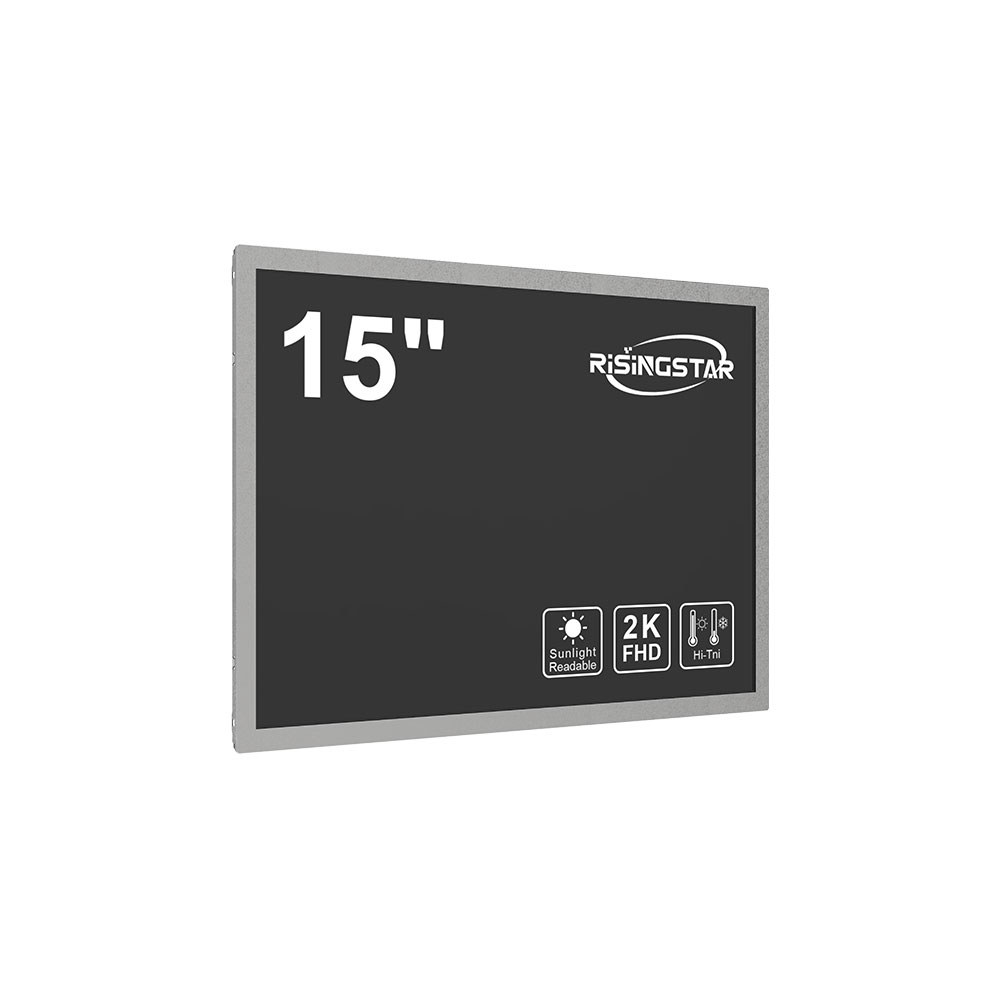
Sunlight readable high brightness LCD screens are essential for outdoor applications where ambient light conditions can severely impair visibility. These displays, typically designed to operate at 5,000 nits or higher, are engineered to maintain clarity under direct sunlight—a critical feature in industries such as transportation, military, industrial automation, and public information systems.
One of the most common practical applications is in vehicle dashboards and control panels—especially in aviation, maritime, and heavy machinery—where pilots, operators, and drivers must read critical data even during peak solar exposure. Another growing use case is in smart city infrastructure, including digital signage, kiosks, and traffic management systems, which rely on robust displays that function reliably in all weather conditions.
The advantages of high-brightness LCDs are numerous. First, they significantly improve user experience by eliminating glare and ensuring consistent image quality regardless of lighting. Second, they reduce operational errors in safety-critical environments—such as air traffic control towers or offshore oil rigs—by enhancing readability under extreme conditions. Third, modern high-brightness LCDs incorporate energy-efficient LED backlighting and advanced optical films (like brightening films and polarizers) that increase luminance without excessive power consumption.
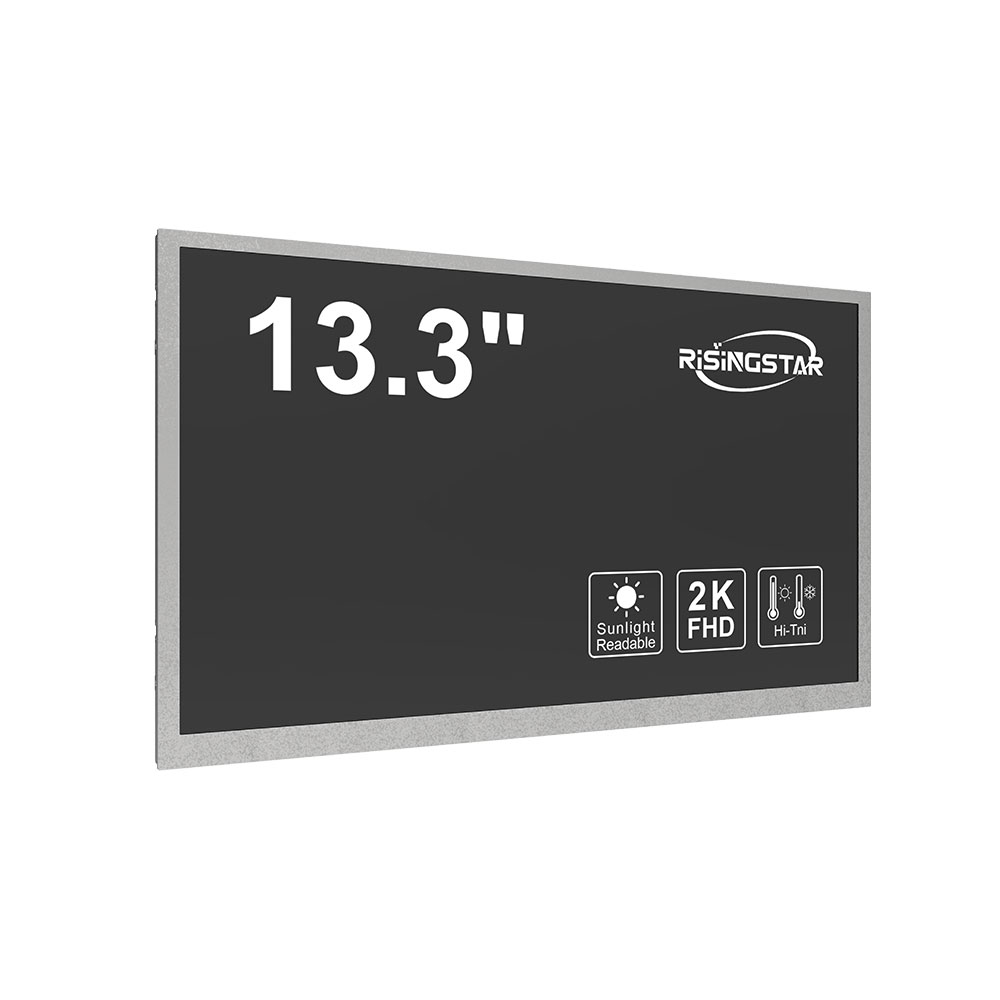
However, challenges remain. Common problems include thermal management—high brightness generates more heat, risking component degradation if not properly dissipated—and color shift under extreme temperatures, which affects display uniformity. Additionally, achieving true sunlight readability requires more than just brightness; it involves optimizing contrast ratio, using anti-reflective coatings, and integrating automatic brightness adjustment (ABA) sensors that dynamically adapt to environmental light levels.
Recent trends point toward hybrid technologies combining OLED and LCD features—such as mini-LED backlights—which offer superior brightness (up to 10,000 nits) while maintaining the cost-effectiveness and longevity of traditional LCDs. Industry standards like MIL-STD-810G and IEC 60068-2-14 now mandate rigorous testing for sunlight readability, ensuring compliance across global markets. Leading manufacturers like LG Display, Sharp, and Innolux have introduced new panels with built-in AI-based adaptive brightness algorithms that reduce power usage by up to 30% while preserving visibility.
For engineers and procurement teams, selecting the right sunlight readable LCD means balancing brightness, durability, power efficiency, and real-world performance—not just raw nits. Understanding these factors ensures long-term reliability and optimal ROI in demanding outdoor environments.