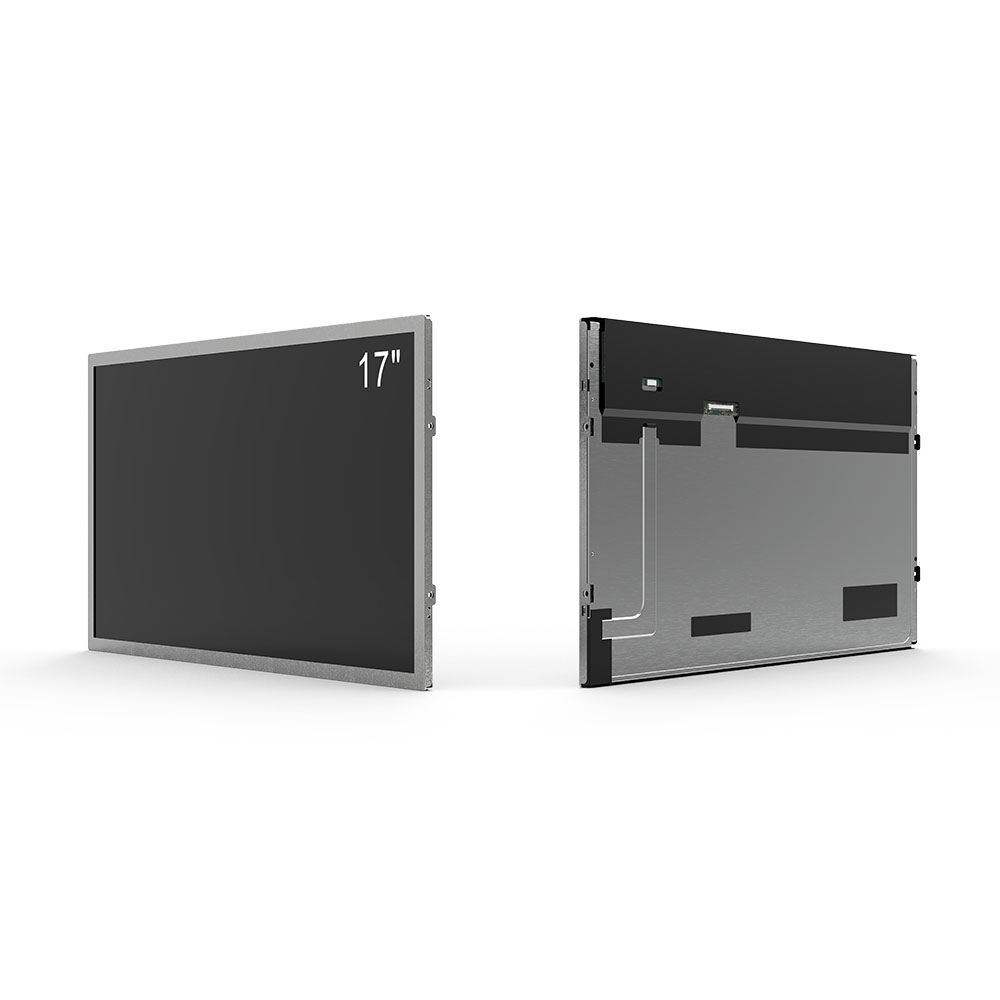
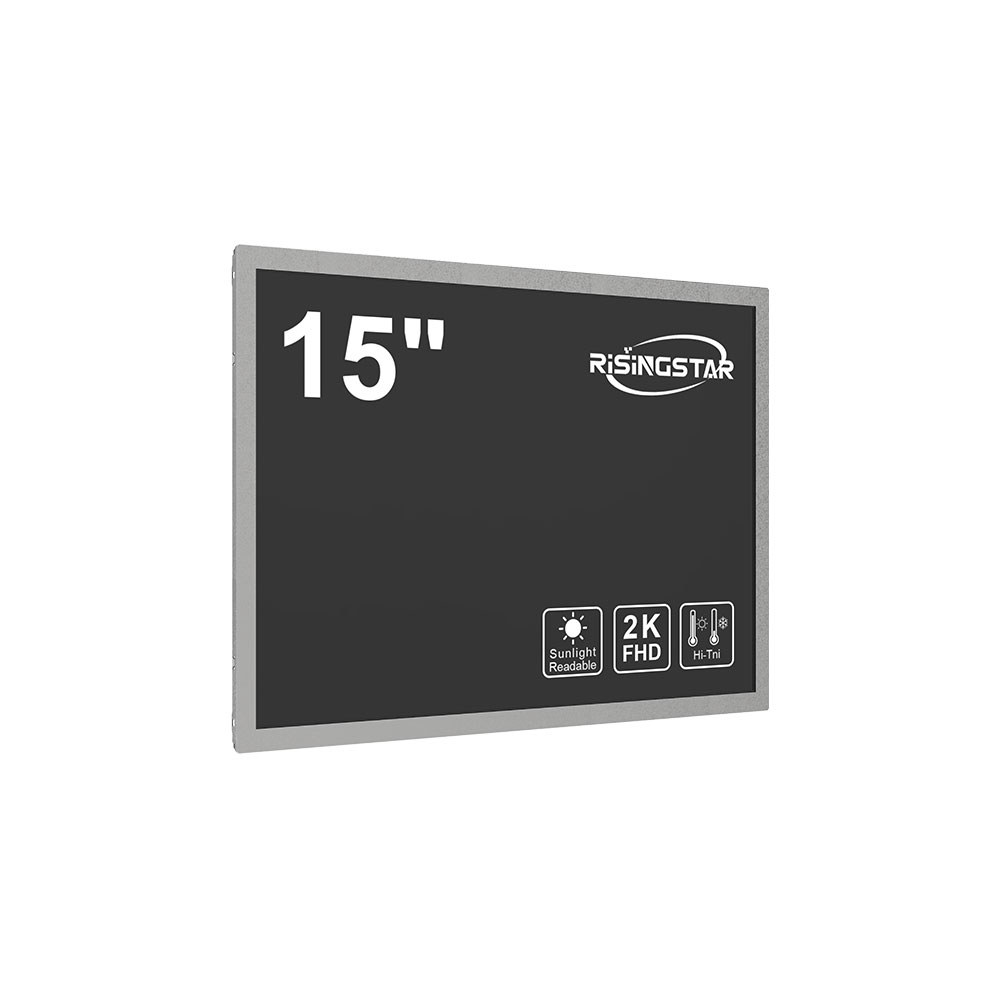
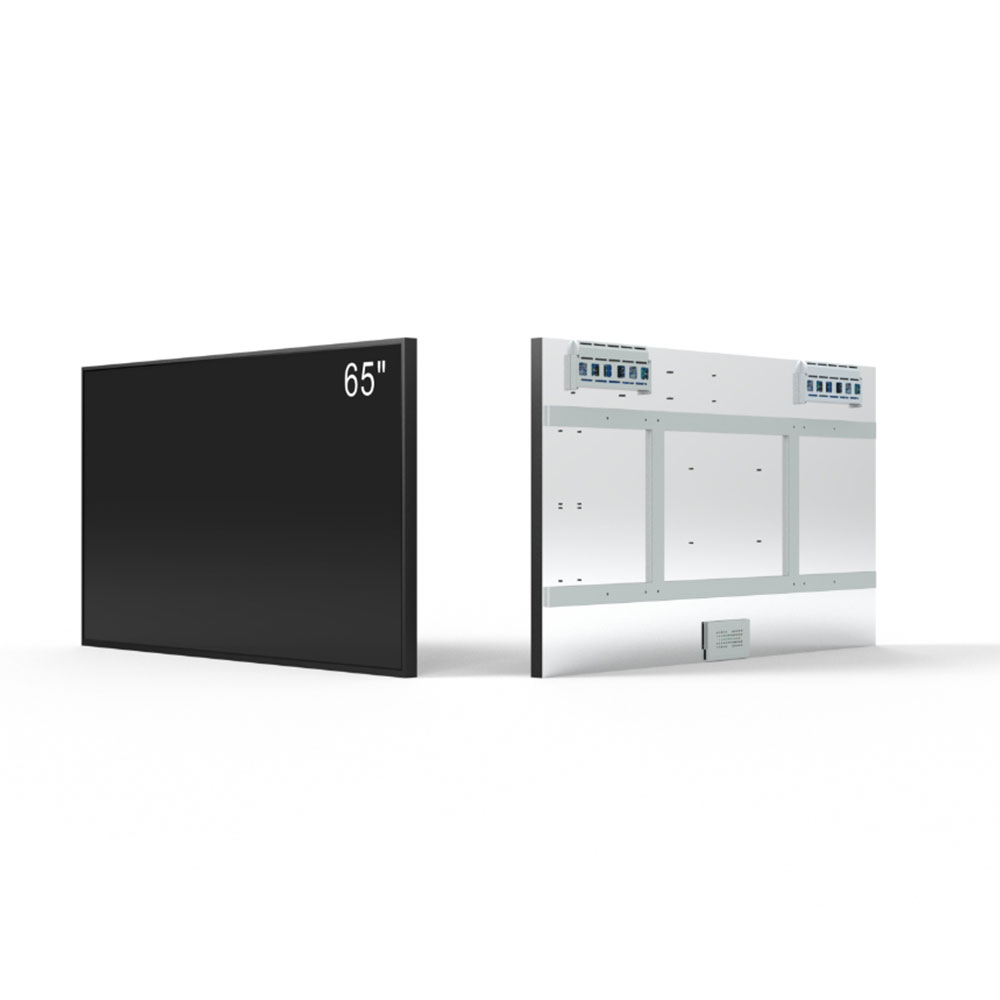
In outdoor and industrial applications, ensuring reliable performance under extreme conditions is critical—especially when deploying high-brightness LCD displays. One of the most essential specifications for durability in such environments is an IP66 waterproof rating, which guarantees protection against dust ingress and powerful water jets. As a professional engineer with over a decade of experience in designing sunlight-readable, high-brightness LCD screens for defense, transportation, and utility sectors, I’ve seen firsthand how IP66 compliance transforms product reliability.
An IP66 rating means the display is completely dust-tight (6) and can withstand water projected from a 6.3 mm nozzle at a pressure of 100 kPa (6). This level of protection is mandatory in military-grade equipment, solar monitoring systems, and public transit interfaces exposed to rain, snow, or high-pressure cleaning. Achieving this requires more than just sealing the housing—it demands integrated design across materials, sealing techniques, and environmental testing protocols.
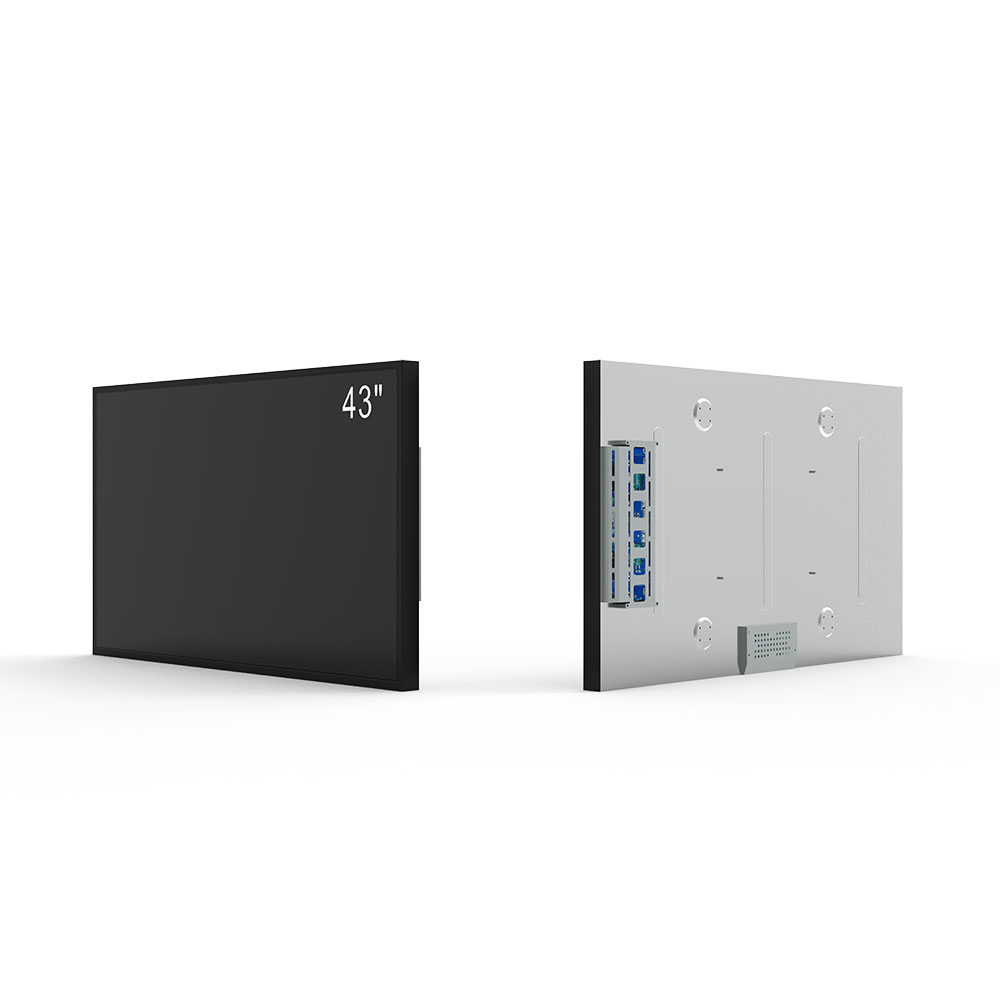
First, use of UV-resistant, high-impact polycarbonate or aluminum enclosures prevents degradation from prolonged sun exposure while providing structural integrity. Second, silicone gaskets with precision compression profiles must be engineered into all seams—especially around buttons, ports, and display edges—to ensure consistent seal integrity even after thermal cycling (-30°C to +70°C). Third, employ hermetic sealing methods like potting compounds or laser welding on PCBs to protect internal electronics from moisture penetration.
Manufacturers often overlook the importance of IEC 60529 standards compliance during production. Rigorous testing using spray chambers and dust chambers per IEC 60529 Clause 12.4 ensures the unit meets both dust tightness and jet water resistance requirements. In one case study involving a fleet management dashboard deployed in desert regions, our team improved field failure rates by 78% simply by upgrading the gasket material from EPDM to fluorosilicone, which maintains flexibility at low temperatures.
Additionally, optical bonding with UV-curable resin not only enhances readability in direct sunlight but also acts as a secondary barrier against moisture ingress through the display surface—a critical point often missed in standard designs.
For engineers and procurement teams selecting IP66-rated displays, always verify third-party test reports from accredited labs like UL, TÜV, or Intertek. These validate real-world performance beyond manufacturer claims. When paired with brightness levels exceeding 5000 nits, an IP66-rated LCD becomes a mission-critical component—not just a screen.