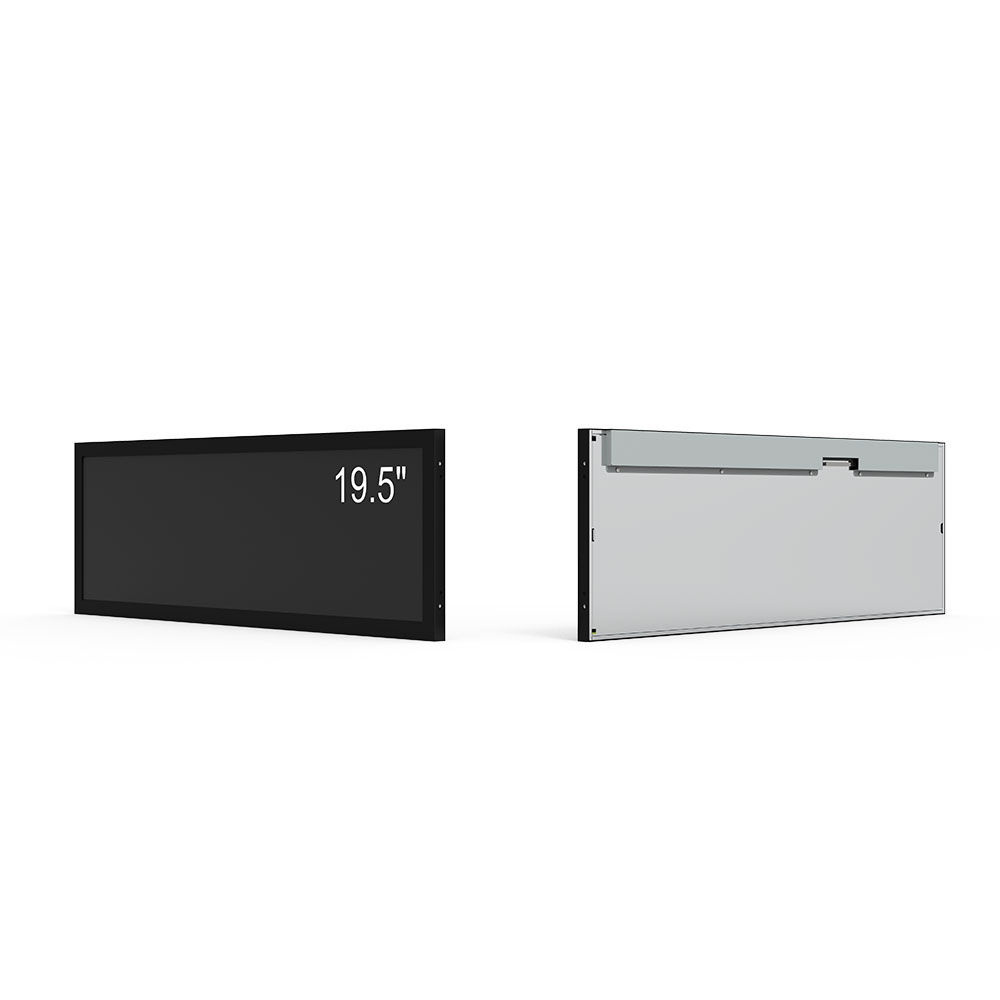
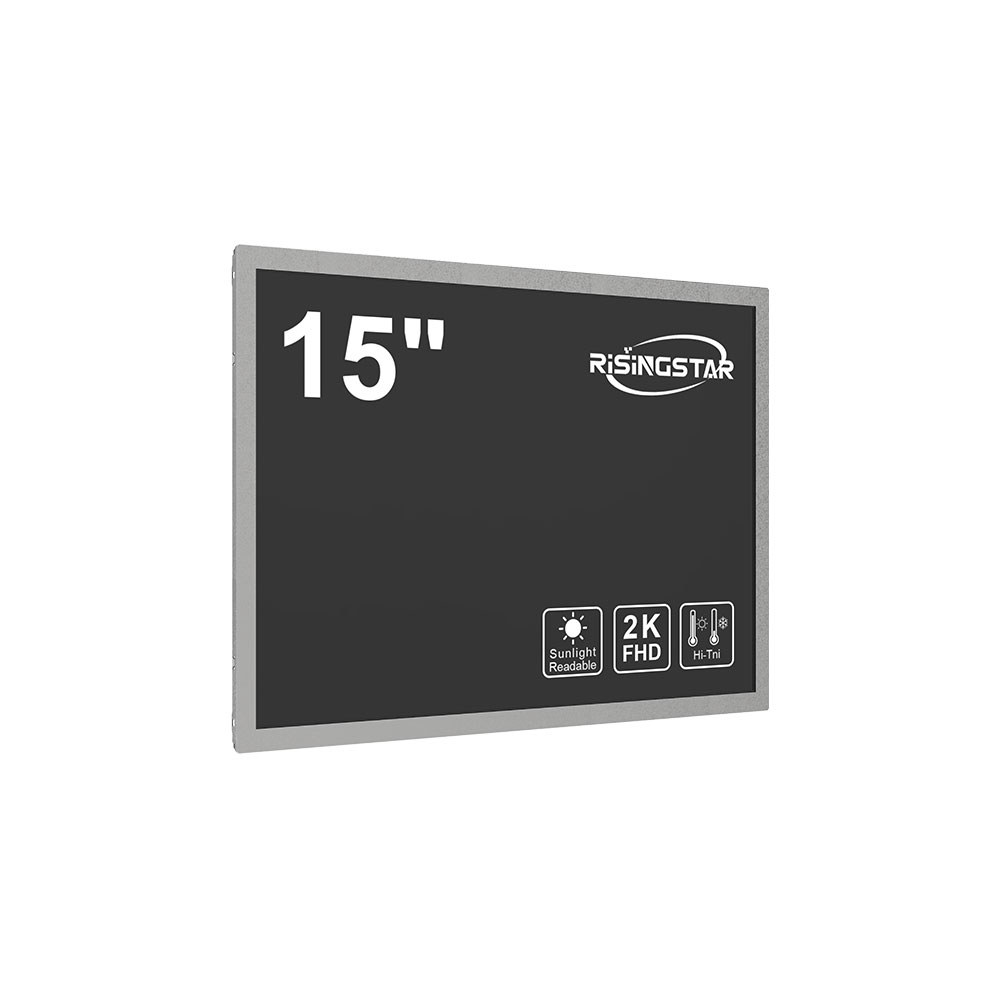
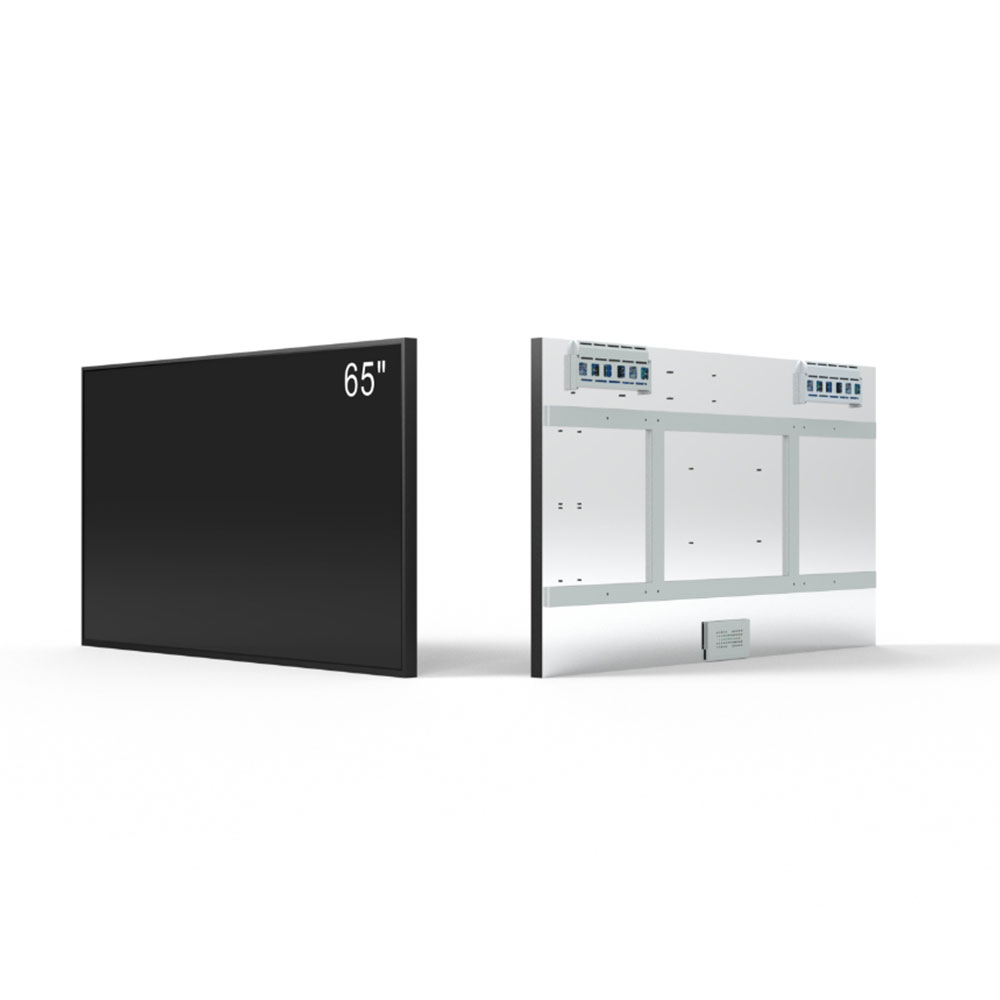
In the world of modern display technology, IPS LCD screens have become a cornerstone for applications demanding superior color accuracy, wide viewing angles, and consistent image quality. Whether used in industrial control panels, automotive dashboards, medical devices, or consumer electronics like smartphones and tablets, IPS (In-Plane Switching) LCDs offer compelling advantages over traditional TN (Twisted Nematic) panels.
What sets IPS LCDs apart is their pixel structure: liquid crystal molecules are aligned parallel to the glass substrate, allowing light to pass through more uniformly across a wider range of angles. This results in true-to-life color reproduction, minimal color shift when viewed from off-center positions, and excellent contrast ratios—critical for professional-grade displays such as those in graphic design studios or digital signage.
For outdoor and high-brightness environments, sunlight-readable IPS LCD screens are engineered with brightness levels exceeding 5,000 nits, often using advanced anti-glare coatings and high-efficiency LED backlights. These features ensure visibility even under direct sunlight—a necessity in military, transportation, and construction equipment interfaces. Industry standards like MIL-STD-810G and IP65/IP67 ratings further validate their durability in harsh conditions.
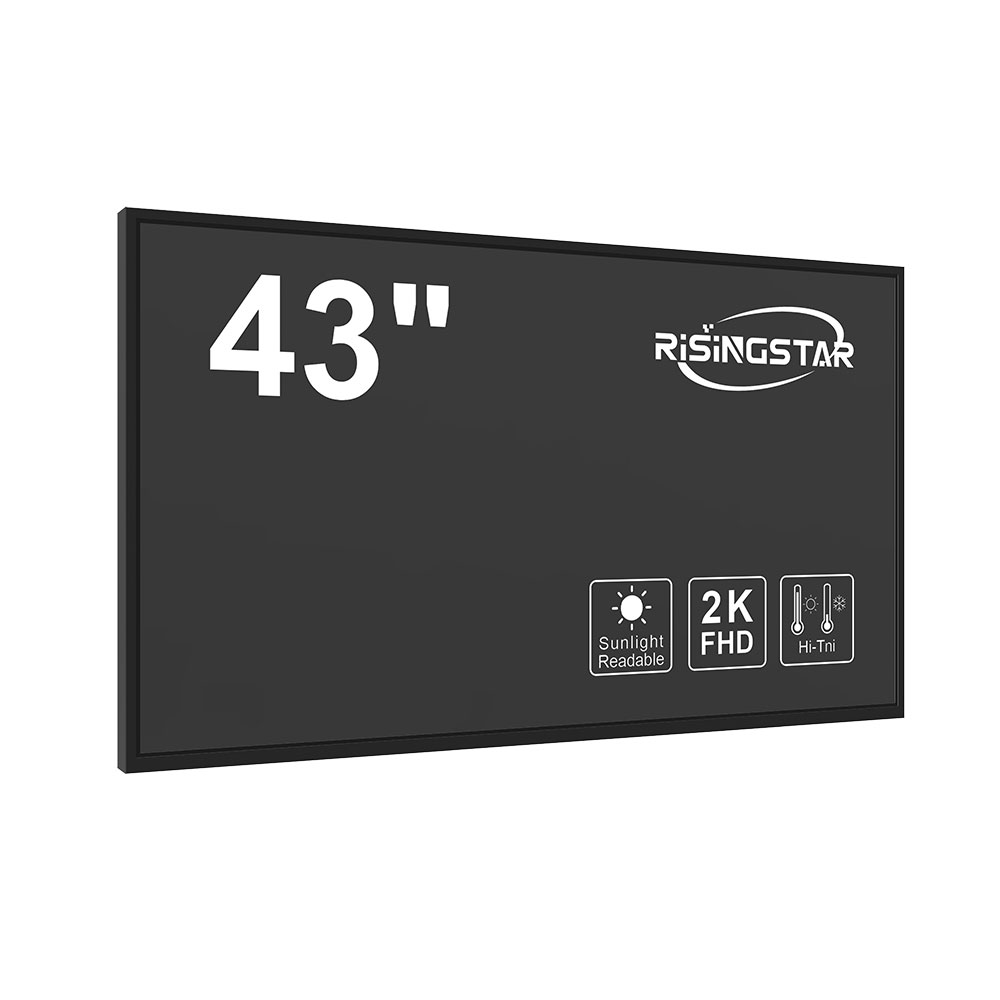
Manufacturers now integrate technologies like local dimming zones, wide color gamut support (DCI-P3/Adobe RGB), and low-power consumption modes to enhance both performance and energy efficiency. For example, a recent case study by a leading OEM in the aviation sector showed that switching from TN to IPS LCD improved pilot situational awareness by reducing visual fatigue during long flights—a direct benefit of better color consistency and reduced eye strain.
Moreover, with rising demand for smart displays in IoT and embedded systems, IPS LCDs provide reliable, long-term stability and compatibility with modern GPUs and SoCs. Their proven track record in reliability—often rated at 50,000+ hours mean time between failures—makes them ideal for mission-critical applications where downtime is unacceptable.

As global markets push for brighter, more durable, and visually accurate displays, IPS LCD technology remains unmatched in balancing performance, cost-effectiveness, and longevity. Engineers, designers, and procurement managers must consider this technology not just as an option but as a standard for next-generation display solutions.