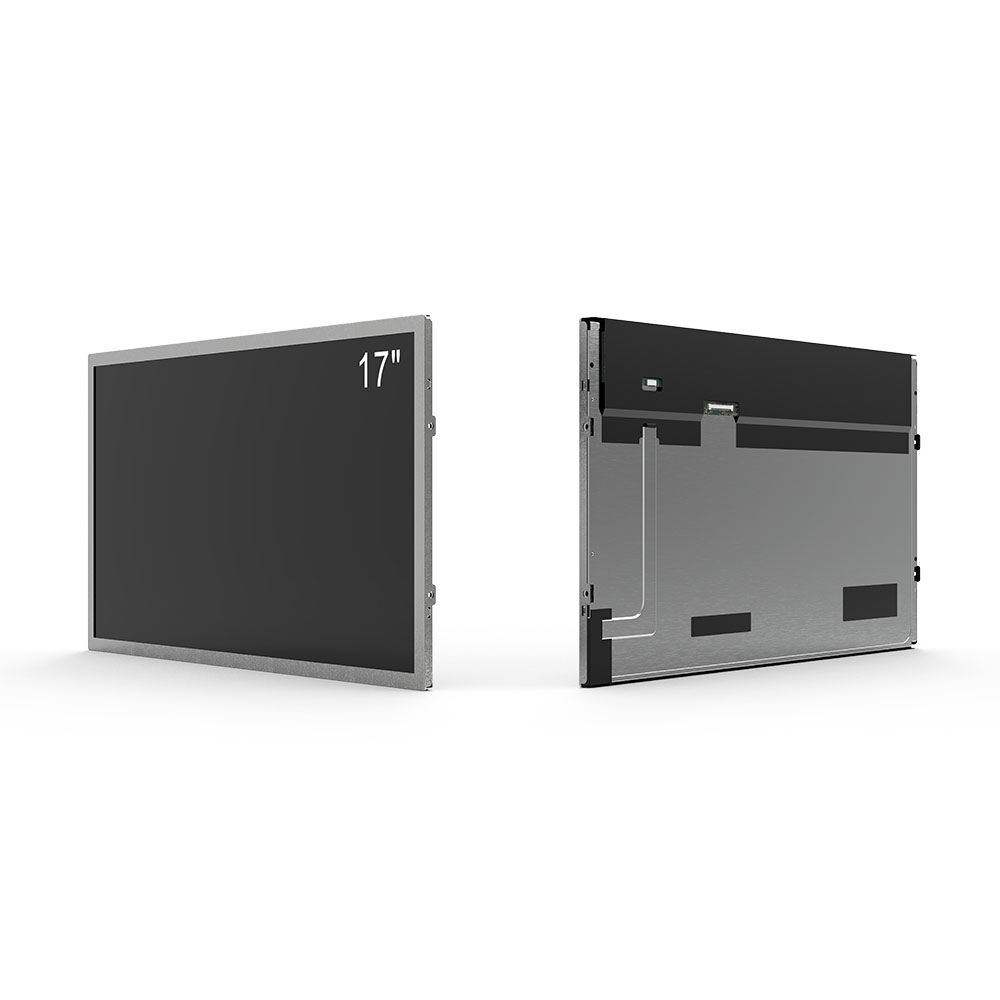
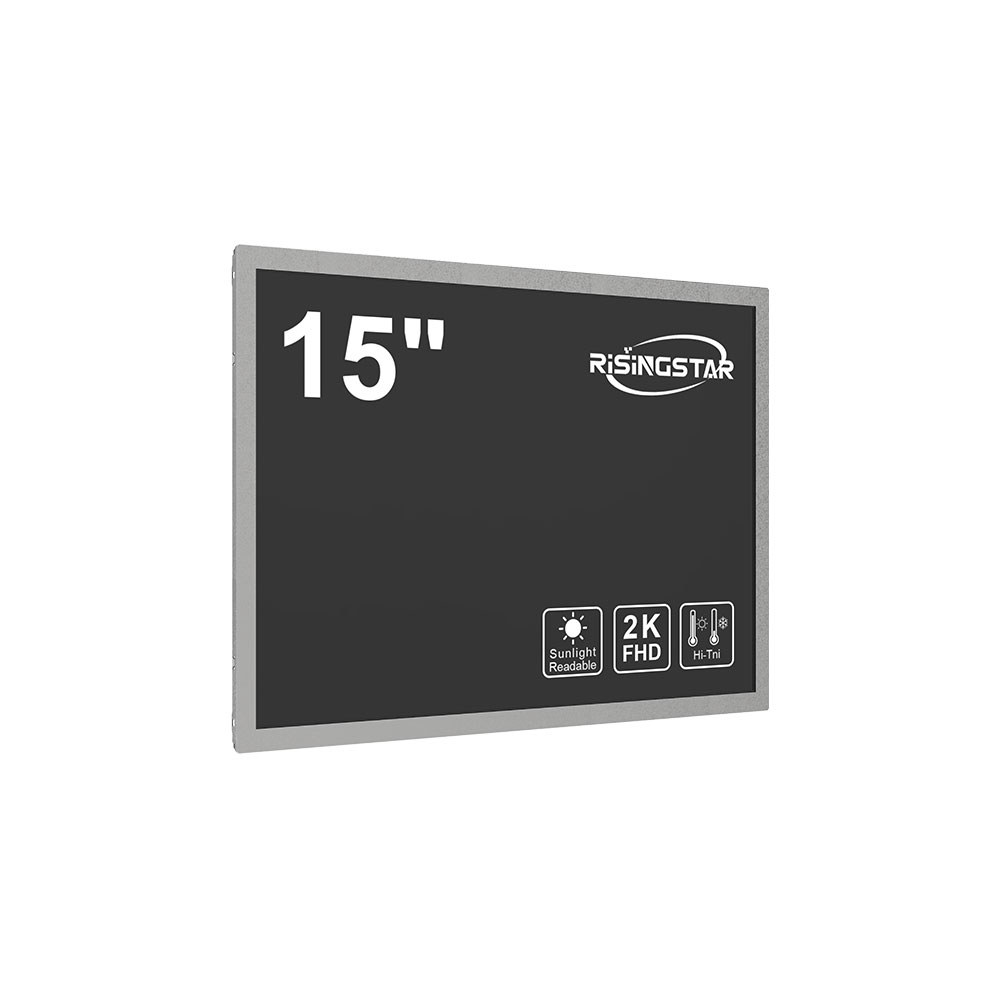
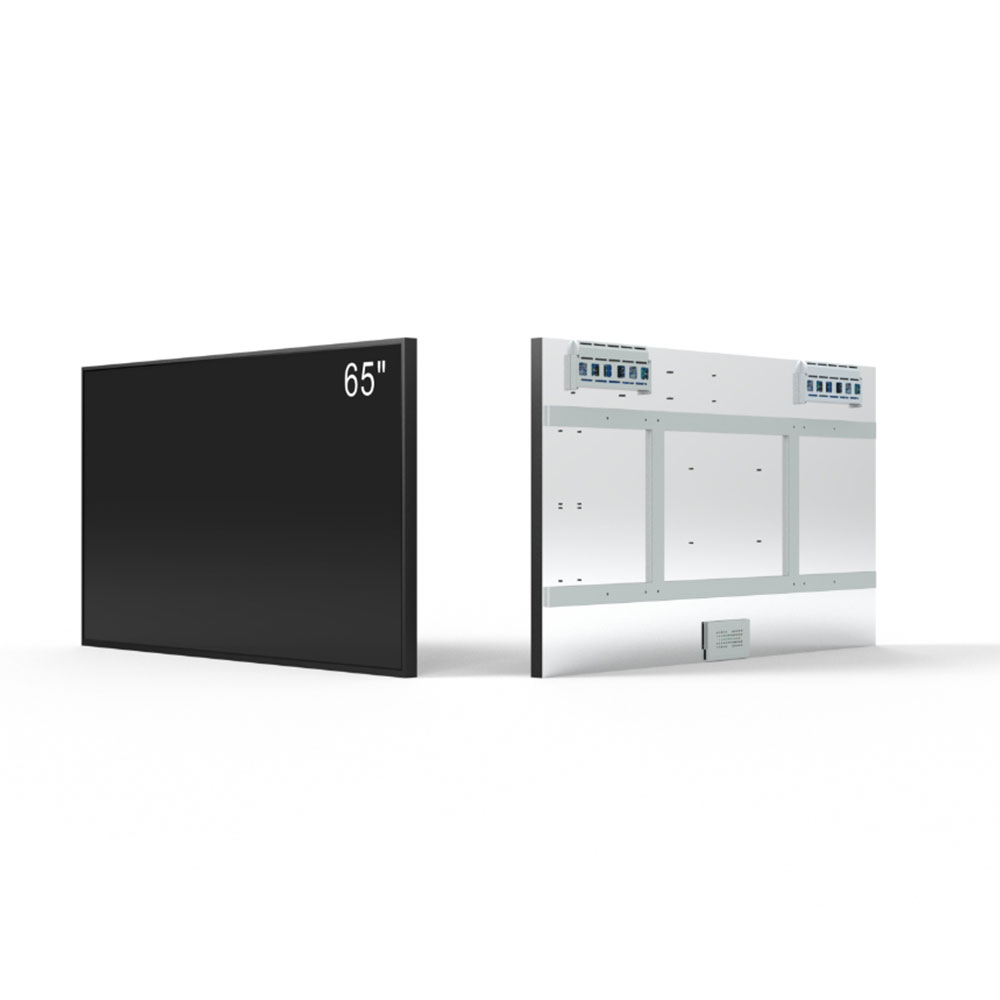
When designing high-brightness LCD displays for outdoor or harsh environments—such as military equipment, industrial control panels, automotive dashboards, or public information kiosks—the primary challenge is ensuring visibility under direct sunlight. Standard LCDs often fail in bright conditions due to insufficient luminance and poor contrast ratios. To meet industry demands, engineers must integrate advanced technologies that optimize brightness, contrast, and power efficiency while maintaining durability.
Why High Brightness Matters in Outdoor Applications
Sunlight can reach up to 100,000 lux on a clear day—a level far exceeding the typical 300–500 lux of indoor lighting. For an LCD to remain readable, it must achieve at least 1,500 cd/m² (nits) of brightness. In extreme cases, such as military-grade applications, display brightness may need to exceed 5,000 nits. This requires not only powerful LED backlights but also intelligent brightness control algorithms to manage power consumption without sacrificing readability.
Key Technologies Behind Sunlight-Readable Displays
Modern solutions include:
- High-Efficiency LED Backlight Arrays: Using high-density LED arrays with diffusers ensures uniform illumination across the screen surface, reducing hotspots and improving legibility.
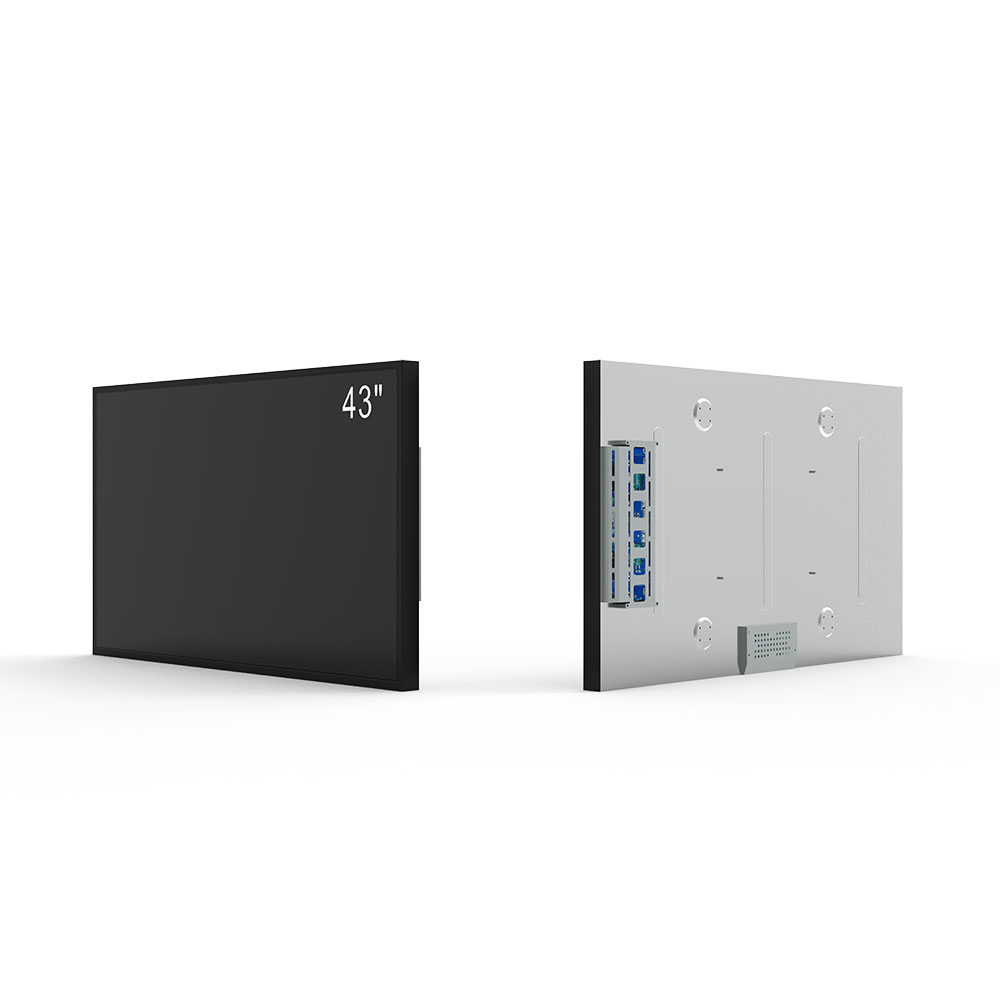
- Anti-Reflective Coatings: Multi-layer coatings reduce glare by minimizing light reflection from the screen surface—critical for visibility in direct sunlight.
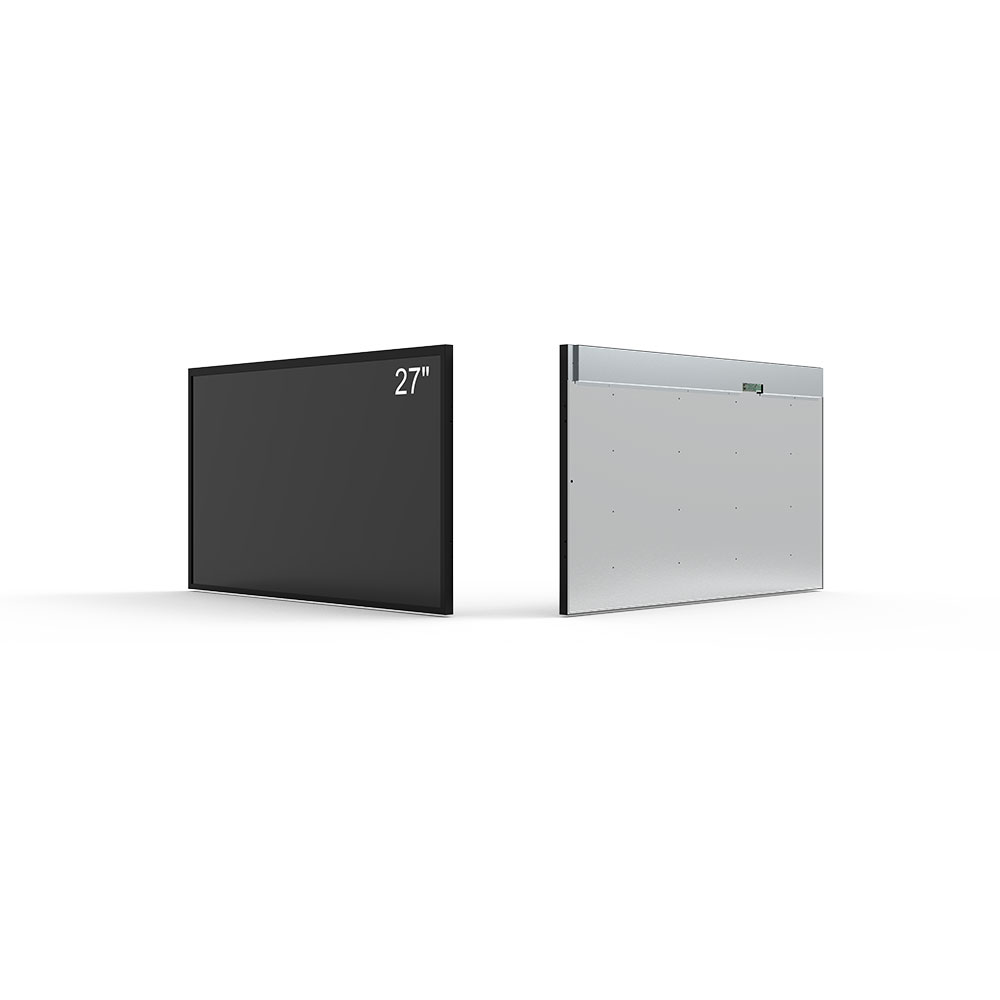
- Enhanced Contrast Ratios: Employing IPS (In-Plane Switching) or VA (Vertical Alignment) panel technologies allows for deeper blacks and brighter whites, enhancing contrast even under ambient light.
- Automatic Brightness Adjustment (ABA): Sensors detect ambient light levels and dynamically adjust display brightness, conserving battery life while maintaining optimal visibility.
- Ruggedized Materials: Use of Gorilla Glass or similar chemically strengthened glass protects against scratches, impacts, and environmental stressors like dust, moisture, and temperature extremes (from -20°C to +70°C).
Industry Standards and Compliance
To ensure reliability and interoperability, manufacturers follow strict standards such as:
- MIL-STD-810G for environmental durability
- IEC 60068 for testing mechanical and climatic resistance
- ISO 16750 for automotive electronics resilience
These certifications verify performance under vibration, shock, humidity, and temperature cycling—essential for real-world deployment.
Case Study: Military Tactical Display
A leading defense contractor deployed a 10-inch sunlight-readable LCD with 5,000 nits brightness in field operations. The display featured an IPS panel, anti-reflective coating, and ABA technology. During live exercises in desert conditions, operators reported no loss of visibility even at midday sun. Battery life remained stable due to adaptive brightness, proving the system’s balance of performance and efficiency.
Future Trends
Emerging innovations include OLED-based high-brightness displays offering superior contrast and faster response times, though they currently face challenges in power efficiency and longevity under extreme brightness. Additionally, AI-driven brightness optimization is being explored to further reduce energy use while enhancing user experience.
For engineers and product designers, mastering these principles ensures robust, reliable, and user-friendly displays—even in the most demanding environments.