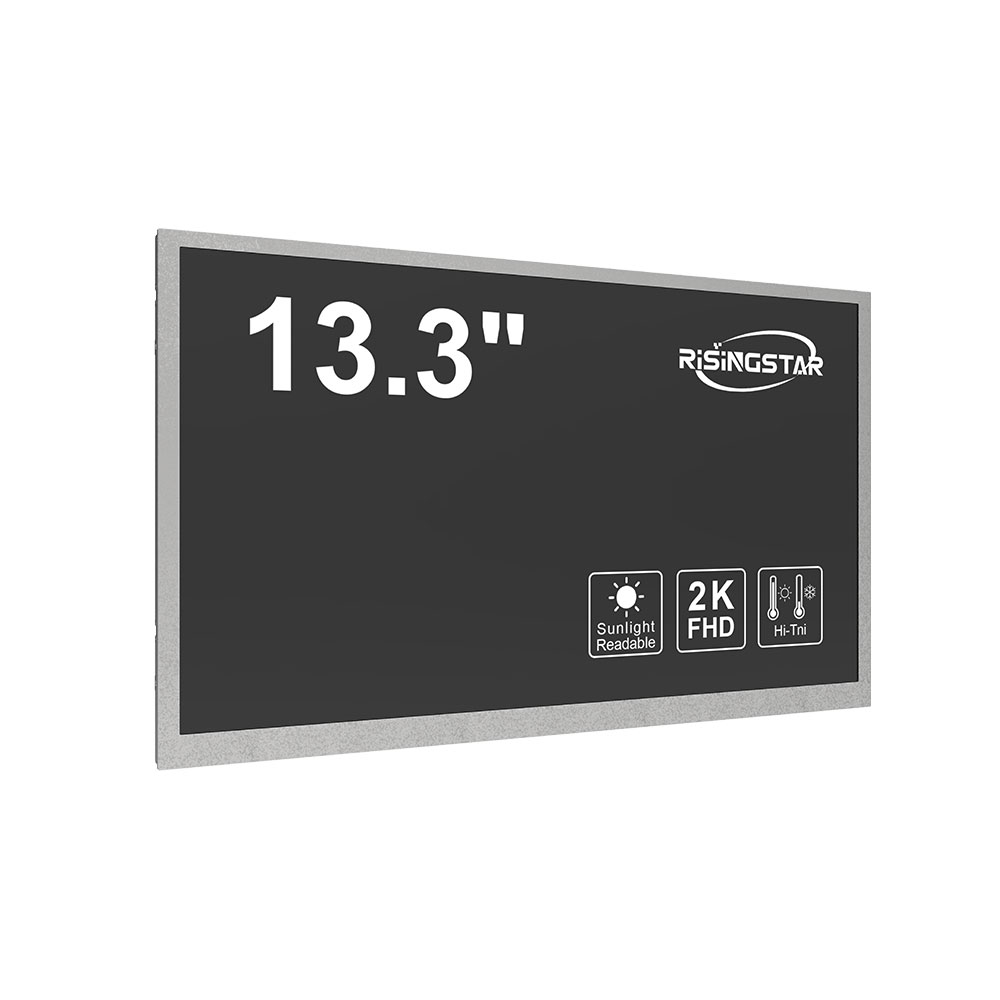
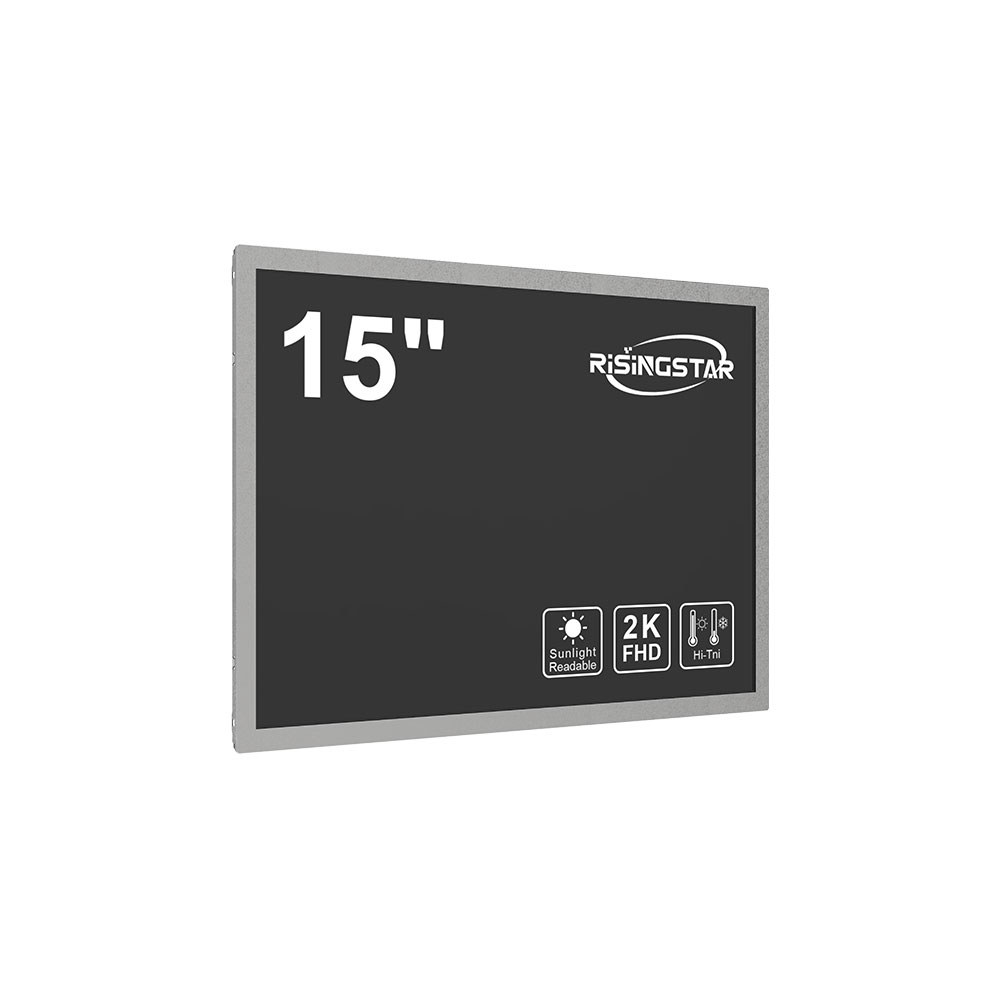
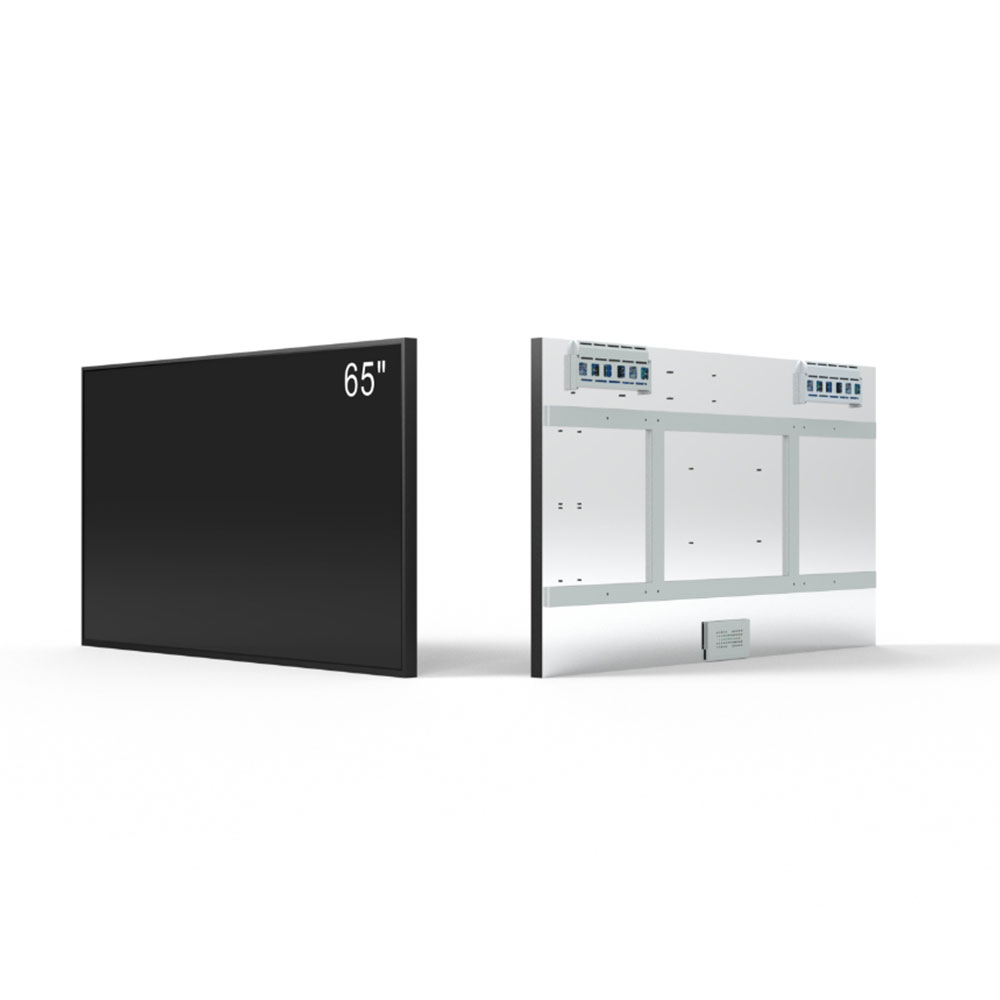
Selecting the appropriate LCD display for industrial applications requires careful evaluation of several technical and environmental factors. Unlike consumer-grade displays, industrial LCDs must withstand harsh conditions such as extreme temperatures, vibration, dust, and moisture. The first consideration is the operating temperature range—industrial-grade panels typically support -40°C to +75°C, whereas standard displays may fail below 0°C or above 50°C. For example, in oil and gas field operations or factory automation systems, displays like the LG In-Plane Switching (IPS) series have proven reliable under sustained thermal stress.
Next, brightness and contrast ratio are critical for visibility in bright sunlight or low-light environments. A minimum brightness of 1000 nits is recommended for outdoor use, while high contrast ratios (e.g., 1000:1 or higher) ensure clear image reproduction in variable lighting. Manufacturers such as Sharp and BOE offer models with wide viewing angles (>170°) that maintain clarity even when viewed from the side—an essential feature for control room dashboards or assembly line monitoring.
Durability is another key factor. Industrial displays often require an IP65 or higher ingress protection rating to resist water jets and dust ingress. MIL-STD-810G certification for shock and vibration resistance further ensures long-term reliability in mobile or ruggedized setups like military vehicles or construction equipment. For instance, the Dell P2422H industrial monitor has been tested in real-world logistics hubs and showed zero failures over 18 months of continuous operation.

Connectivity options should also be reviewed—USB-C, HDMI, DisplayPort, and LVDS interfaces are common. Choosing a model with multiple ports allows integration into legacy systems without costly hardware upgrades. Finally, consider power consumption; low-power panels like those using LED-backlit technology can reduce energy costs by up to 30% in 24/7 operations, aligning with sustainability goals in smart factories.
By prioritizing these specifications—temperature tolerance, brightness, durability, connectivity, and efficiency—engineers can confidently select LCD displays that enhance operational resilience and performance across demanding sectors including manufacturing, transportation, and energy.