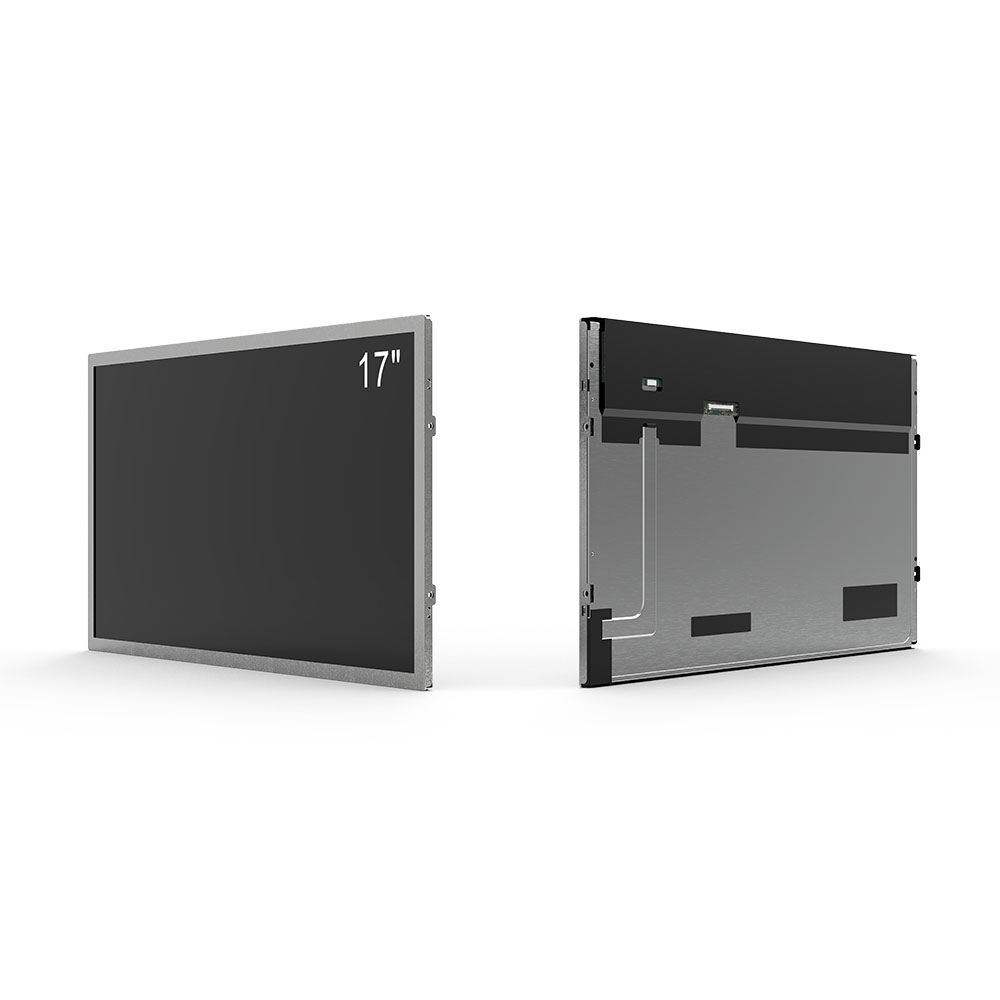
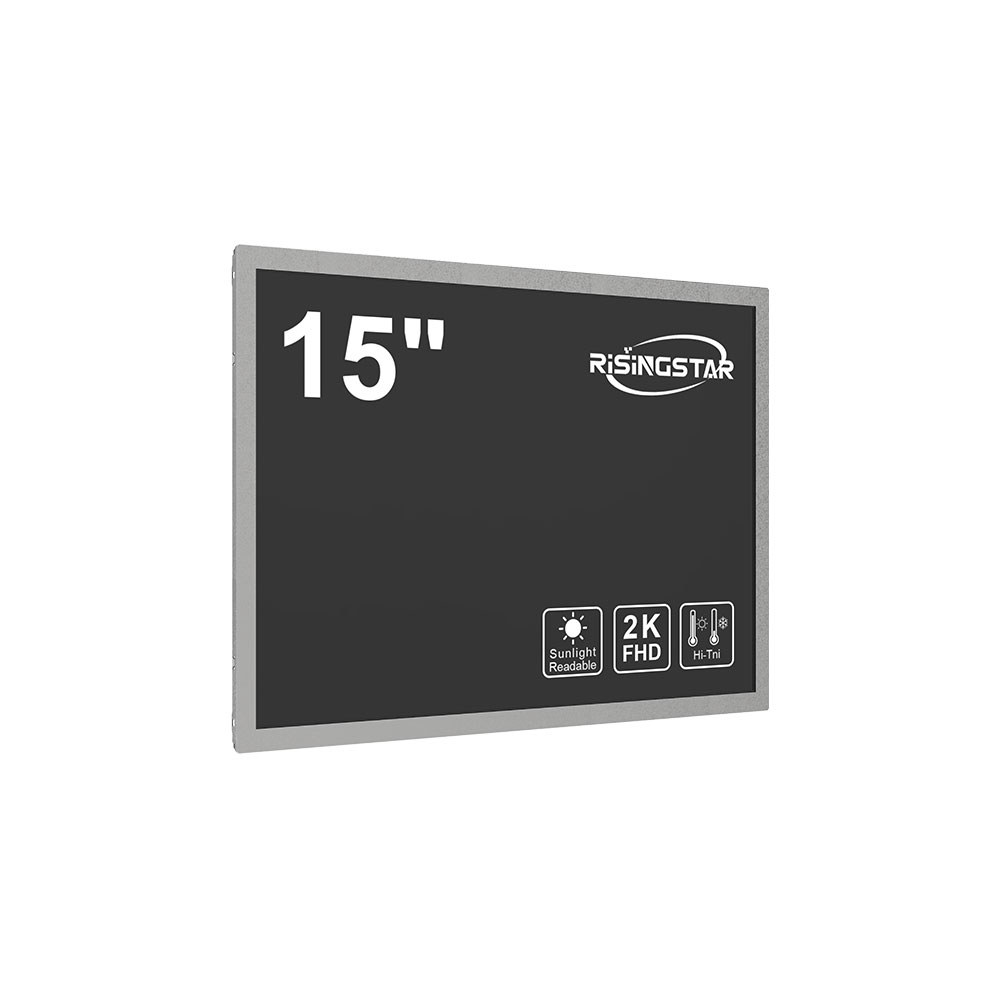
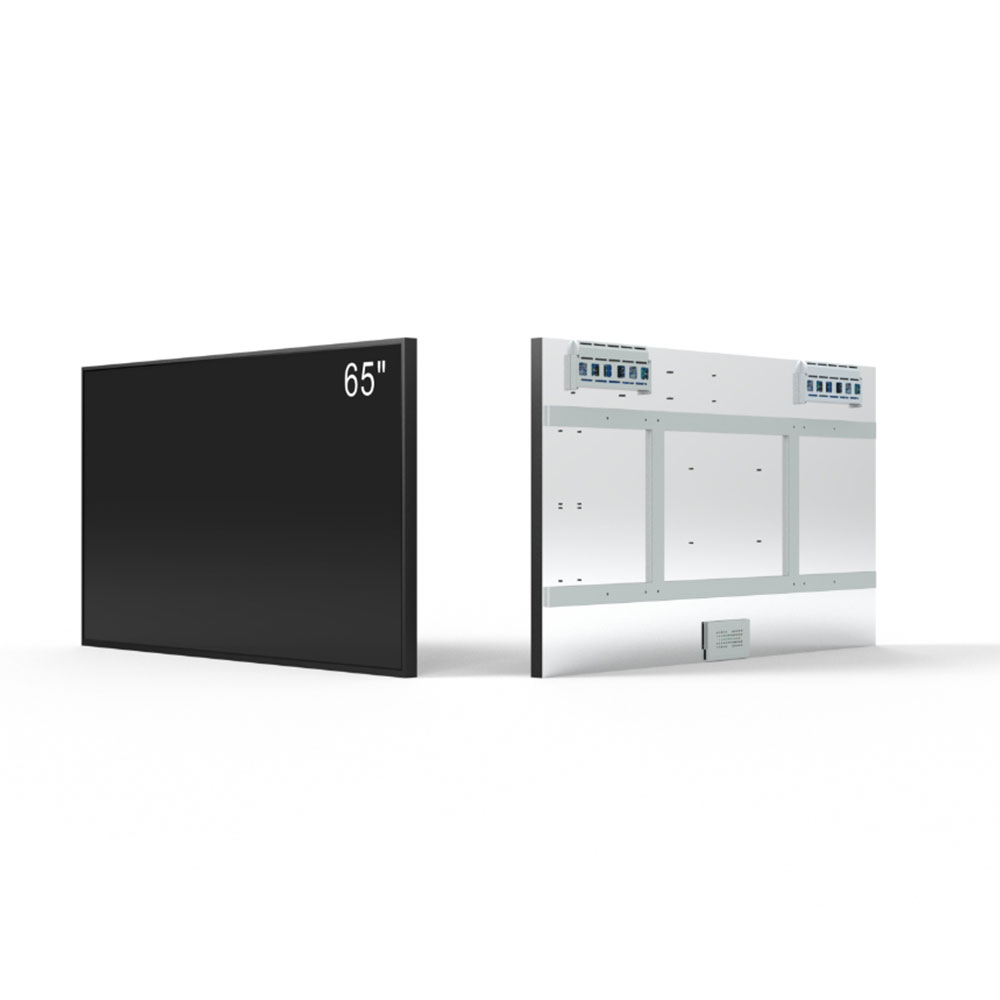
When selecting an LCD display for industrial applications, engineers and procurement teams must consider a range of technical and environmental factors to ensure long-term reliability and performance. Unlike consumer-grade displays, industrial LCDs are exposed to harsh conditions such as extreme temperatures, vibration, dust, and humidity—requirements that demand specialized design and materials.
First, assess the operating environment. Industrial settings like manufacturing floors, outdoor equipment, or automotive systems often involve temperature ranges from -30°C to +70°C. Look for displays with wide temperature tolerance, ideally rated for extended operating conditions (e.g., IEC 60068-2 standards). For example, LG’s LQ104S1LG10 and Sharp’s LQ070V1LW10 models are designed for industrial use with full operating temp ranges of -30°C to +75°C.
Next, evaluate brightness and contrast. In high ambient light conditions—such as on factory floors or in vehicle dashboards—brightness levels should exceed 2,000 cd/m². Use luminance metrics specified in ISO 9241-3 to compare real-world performance. Additionally, high contrast ratios (>1000:1) improve readability under varying lighting conditions.
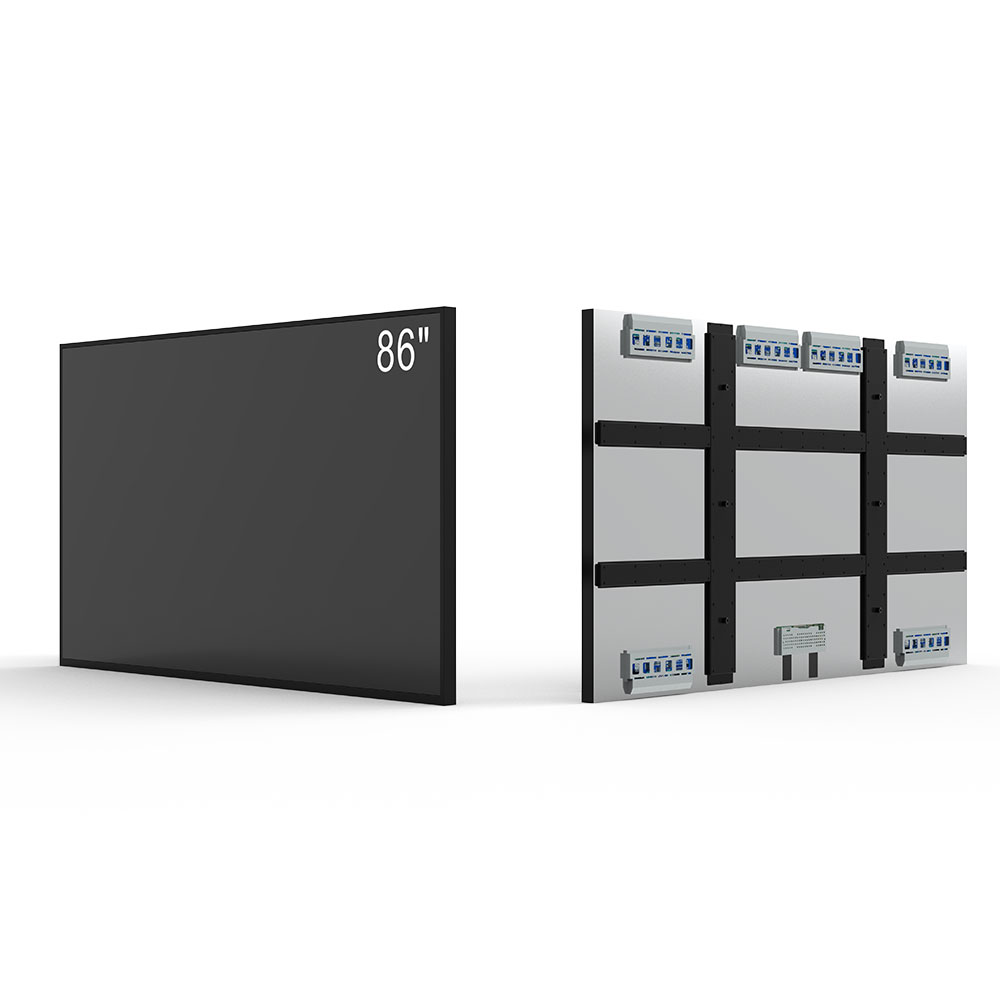
Durability is critical. Consider displays with anti-glare coatings, hardened glass (like Gorilla Glass), and robust housing (IP65 or higher). These features protect against physical damage and moisture ingress. Many manufacturers now integrate MIL-STD-810G shock and vibration testing into their validation processes to ensure longevity in moving machinery.
Connectivity and interface compatibility matter too. Industrial systems commonly use LVDS, MIPI DSI, or HDMI interfaces. Ensure your chosen display supports the required signal types and has low latency (<5ms) for real-time control applications like robotics or medical imaging.
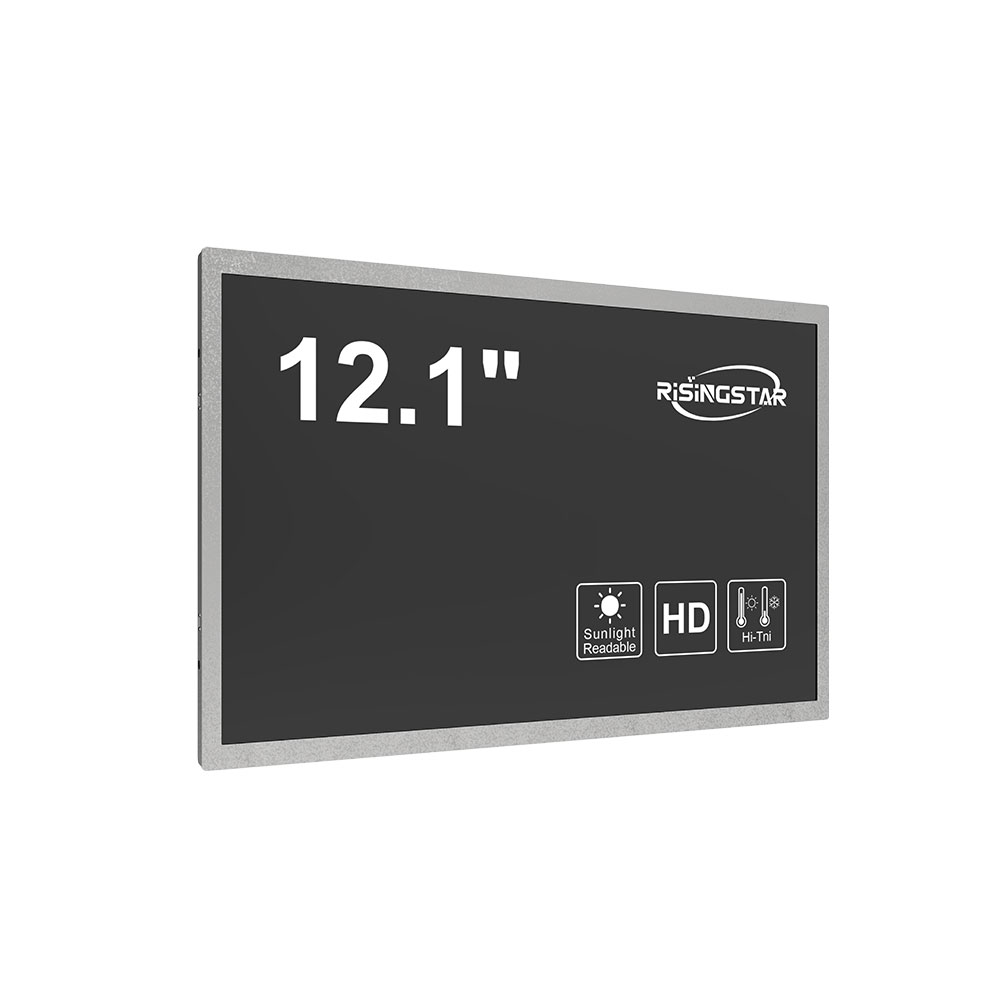
Finally, consider lifecycle support and certifications. Look for displays with long production runs (typically 5+ years) and compliance with industry standards such as RoHS, CE, and UL. Brands like Innolux, AU Optronics, and BOE provide comprehensive datasheets and application engineering support—key assets for scalable deployment.
By following these guidelines, engineers can reduce field failures, optimize total cost of ownership, and ensure seamless integration of LCD displays in demanding environments.