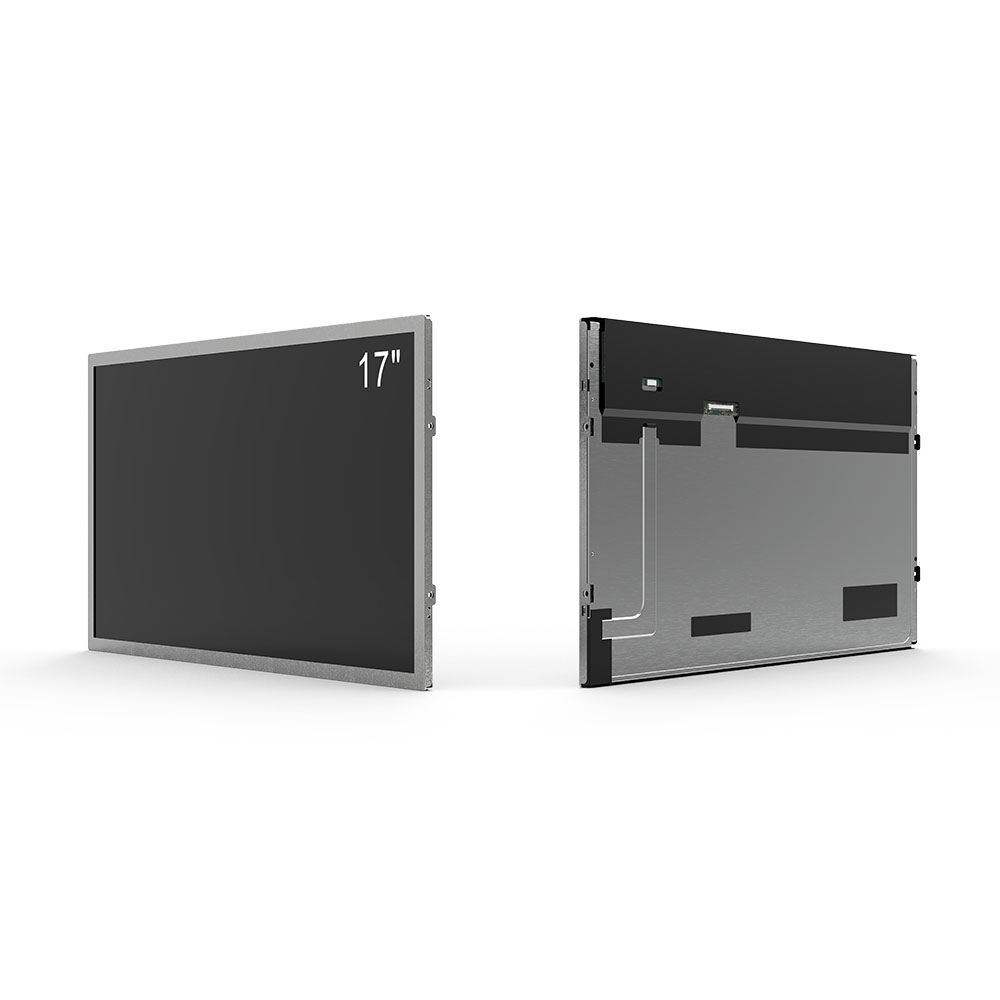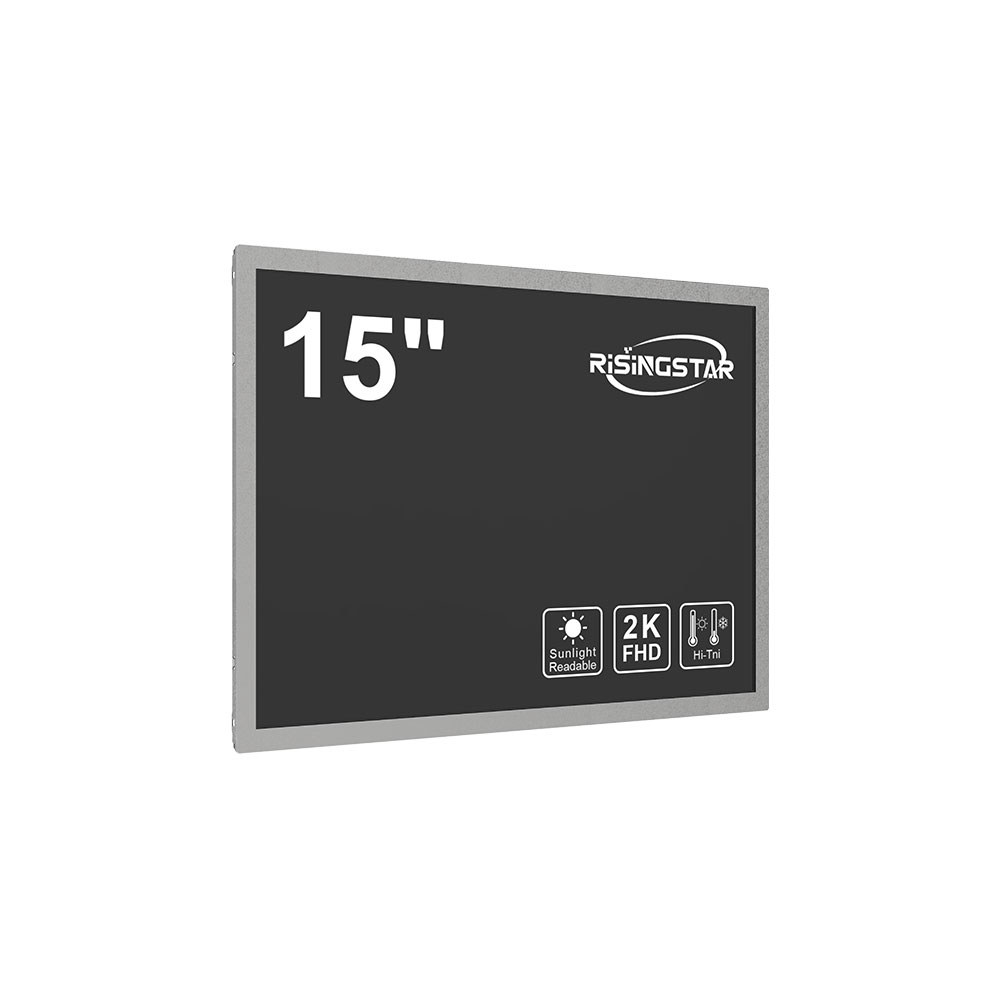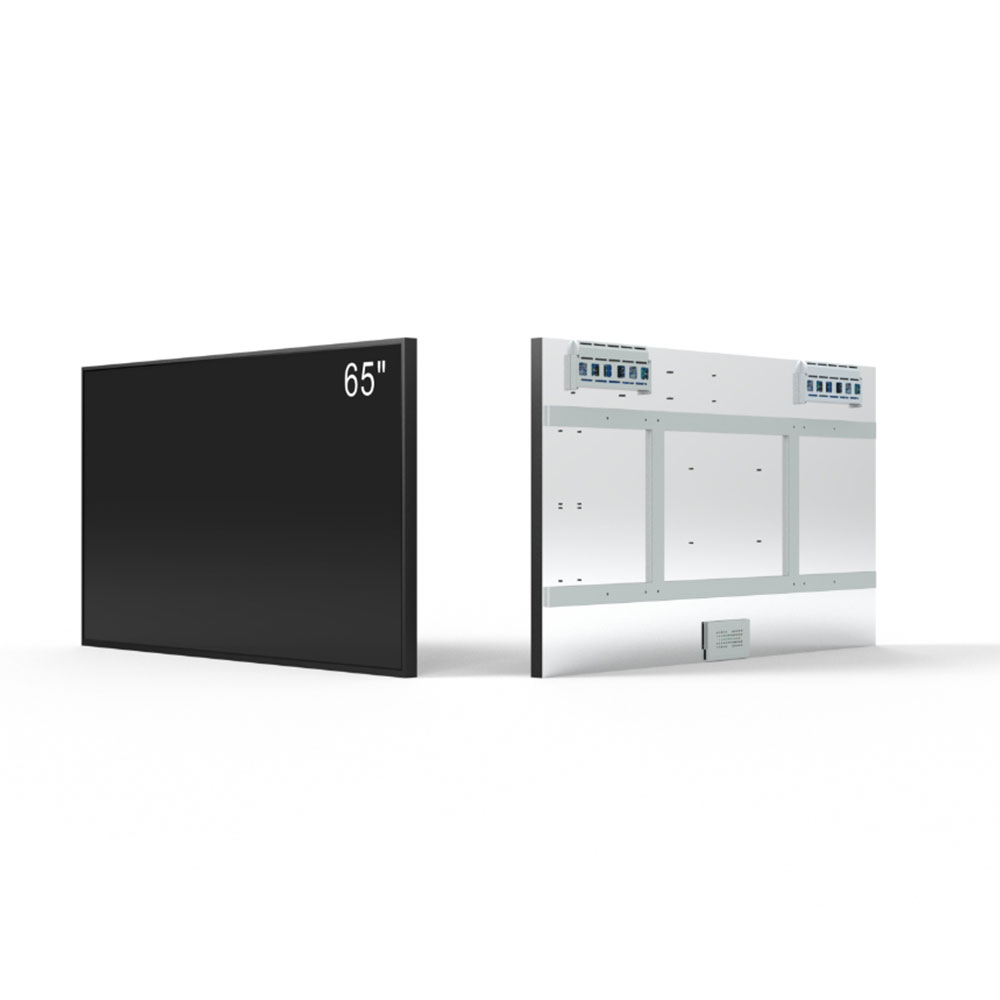
CE certification is a critical compliance requirement for electronic products, including LCD displays, entering the European Union market. This mark signifies that a product meets EU health, safety, and environmental protection standards—ensuring consumer trust and legal compliance across member states. For manufacturers of LCD panels and modules, obtaining CE certification is not just a formality but a strategic necessity to access one of the world’s most competitive and regulated markets.
The process involves rigorous testing for electromagnetic compatibility (EMC), low voltage directives (LVD), and RoHS compliance, which ensures that products are free from hazardous substances like lead, mercury, and cadmium. For LCDs specifically, this includes verifying display performance under varying temperatures, power fluctuations, and interference from nearby devices such as Wi-Fi routers or smartphones. Many suppliers now integrate CE-certified components into their designs early in development to avoid costly redesigns later—a best practice endorsed by industry leaders like LG Display and BOE Technology.
In recent years, demand for CE-certified LCDs has surged in sectors such as medical equipment, automotive dashboards, and industrial control systems. For example, a 10.4-inch CE-certified TFT-LCD used in an ambulance monitoring system must endure vibration, extreme temperatures, and EMI from onboard electronics—all validated during CE conformity assessments. Additionally, third-party labs accredited under EU Directive 2019/1020 perform these tests, ensuring transparency and credibility.
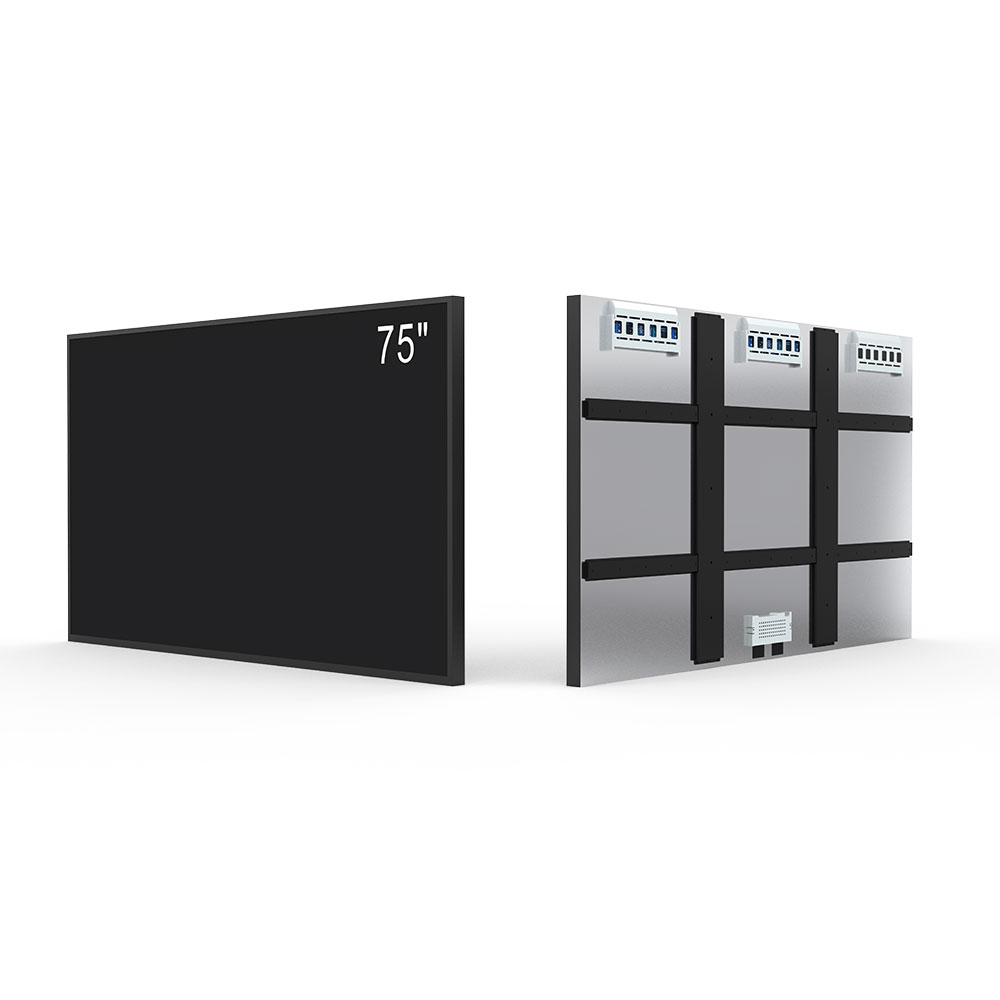
Importantly, CE certification does not guarantee quality—it confirms compliance with EU law. Therefore, buyers should also look for additional certifications such as ISO 9001 for manufacturing quality or IEC 60068 for environmental resilience. The growing trend of smart home devices and IoT-enabled displays further emphasizes the need for robust CE documentation, especially as EU regulations evolve under the new Green Deal initiatives. By prioritizing CE certification early, manufacturers can reduce time-to-market, enhance brand reputation, and meet global buyer expectations for safe, sustainable electronics.