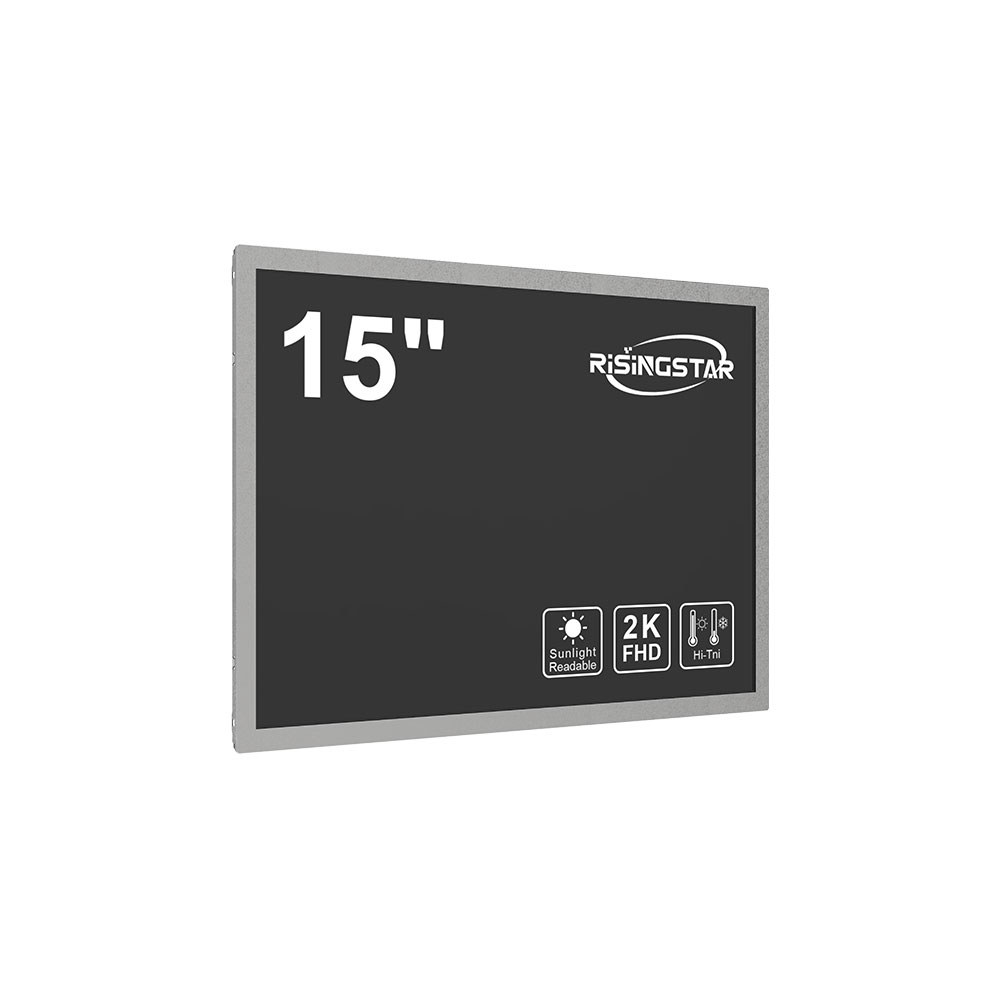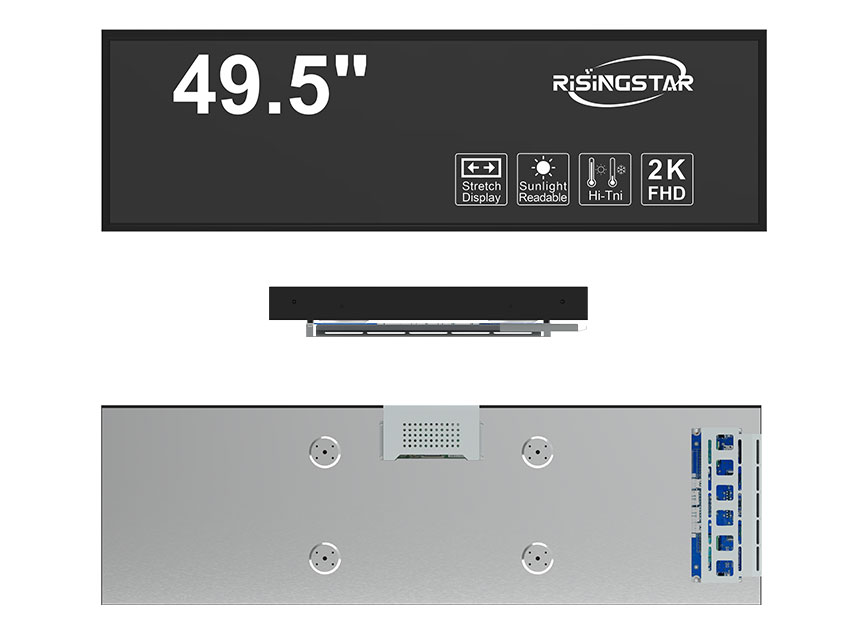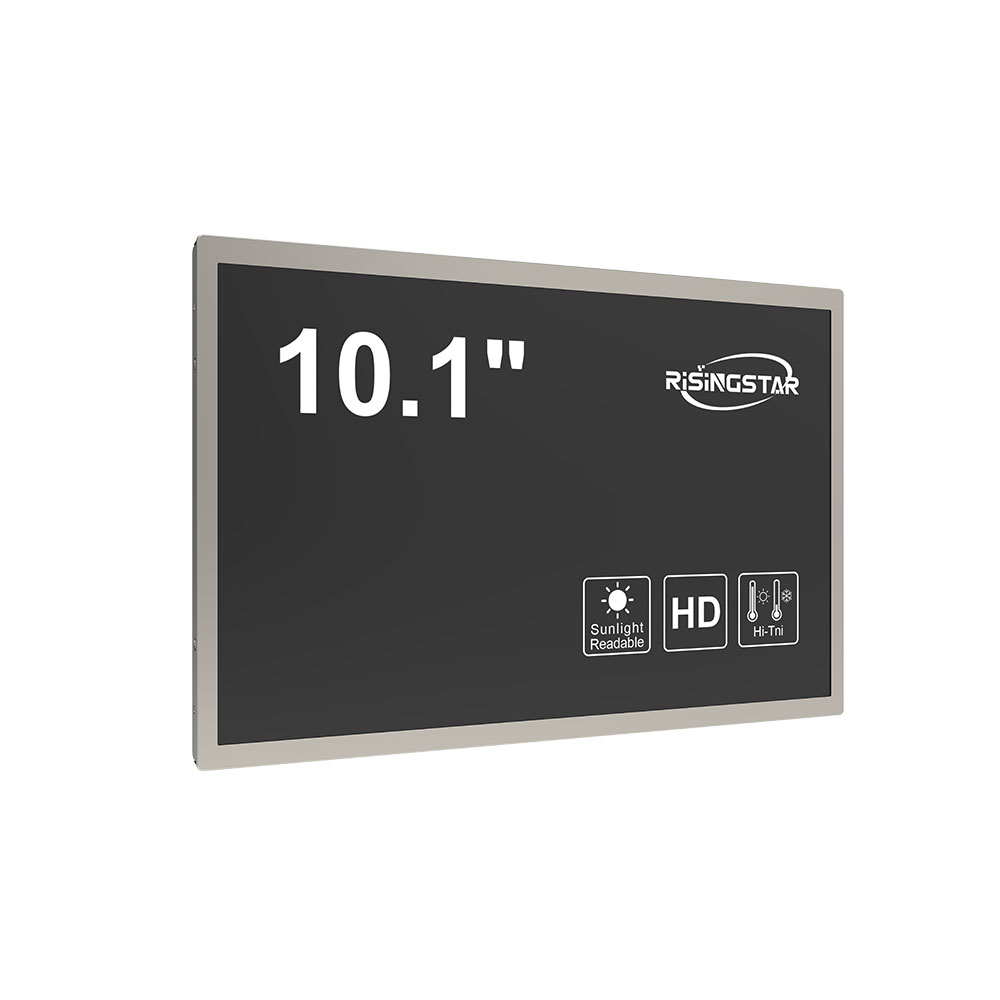
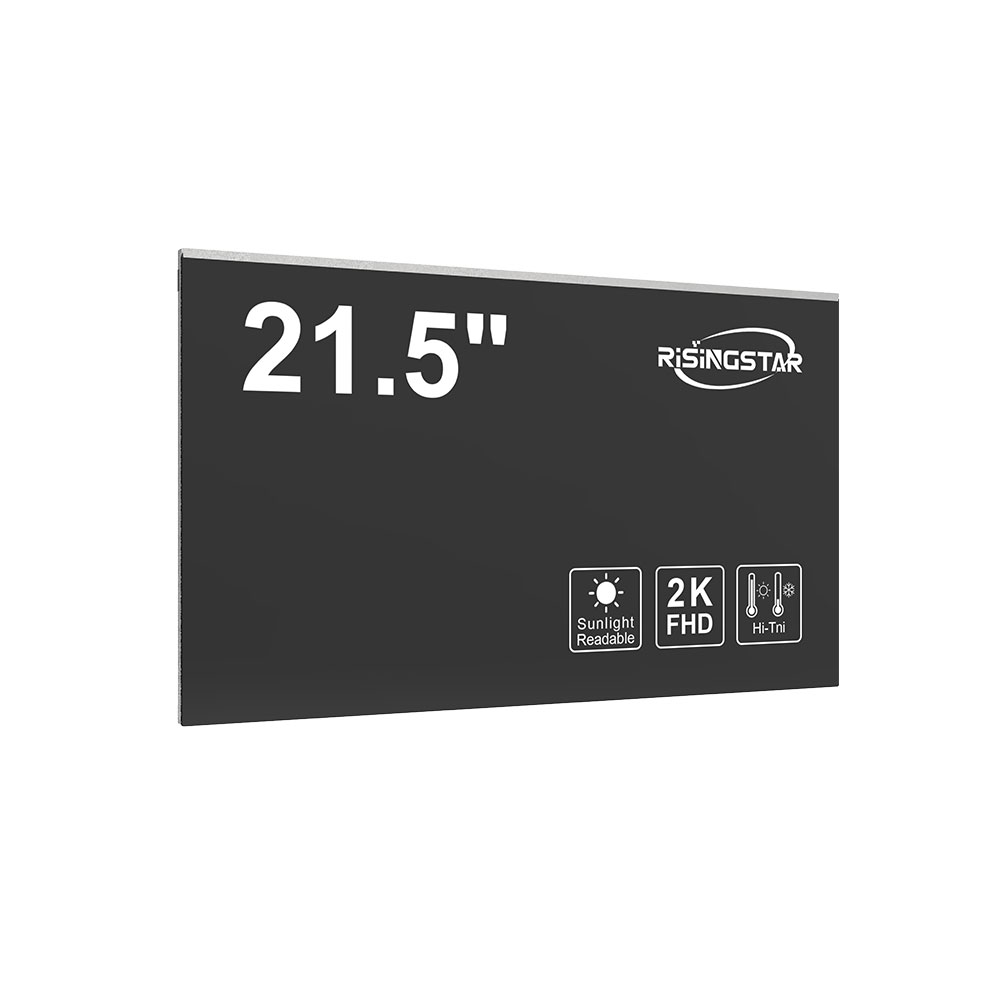
Selecting the appropriate LCD display for industrial applications requires careful evaluation of environmental conditions, operational demands, and long-term reliability. Unlike consumer-grade displays, industrial LCDs must withstand extreme temperatures, mechanical stress, vibration, and exposure to dust or moisture—factors that significantly impact performance and lifespan.
First, consider the operating environment. Industrial settings such as manufacturing floors, oil rigs, or outdoor kiosks often involve temperatures ranging from -30°C to +70°C. Standard LCD panels may fail under such extremes, so opt for displays with wide temperature tolerance, ideally rated for extended operating ranges (e.g., -40°C to +85°C). Look for models certified under IP65 or higher for ingress protection against dust and water jets.
Second, assess brightness and viewing angles. In bright environments like warehouses or sunlight-exposed control rooms, a minimum brightness of 1000 nits is recommended. High-brightness IPS (In-Plane Switching) panels offer superior color accuracy and wide viewing angles—critical for multi-user interfaces or remote monitoring systems. For instance, the LG Philips LP156WX2-TL1 or Sharp LQ156D1JW01 are industry benchmarks in high-brightness, ruggedized LCDs used across automation and logistics sectors.
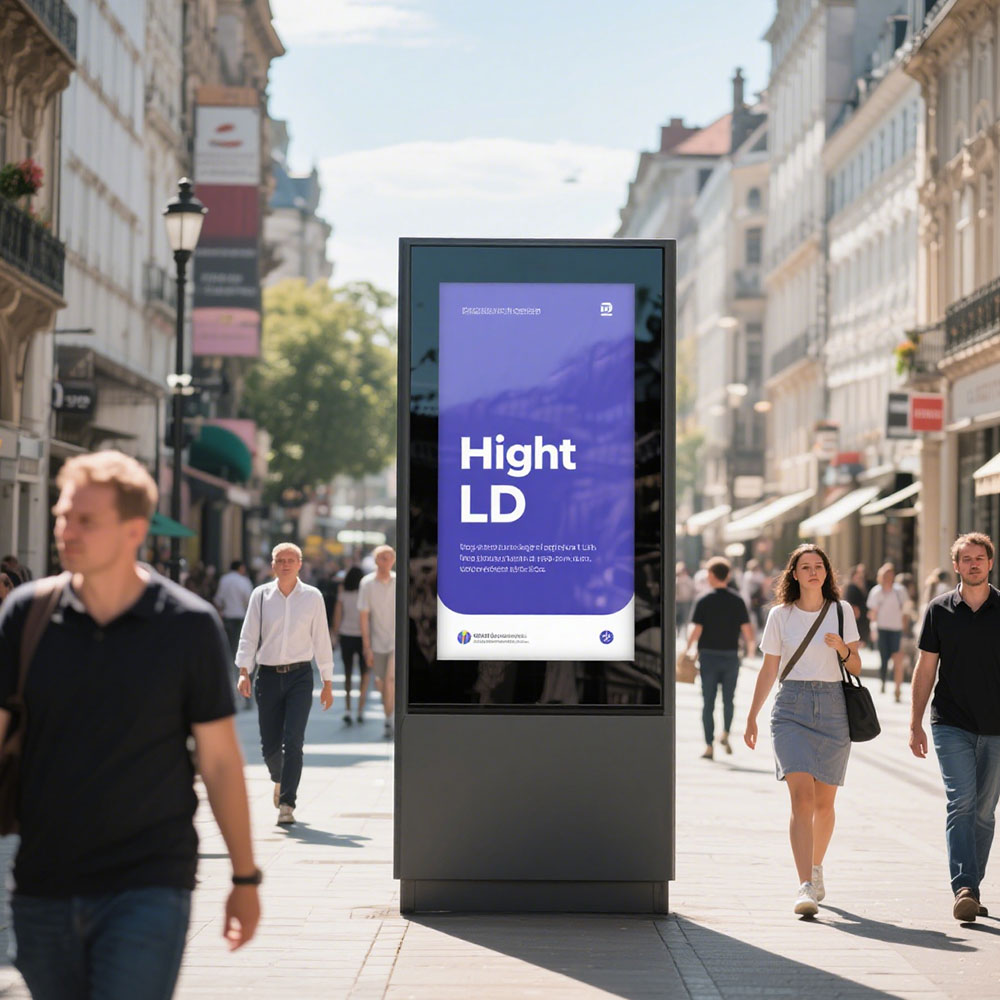
Third, durability matters. Industrial LCDs should feature anti-glare coatings, reinforced glass (such as Gorilla Glass or chemically strengthened glass), and shock-resistant designs. Vibration resistance is equally important; some models incorporate rubber gaskets and internal dampening mechanisms to minimize pixel degradation under continuous motion. According to IEC 60068-2-6 (Vibration Testing), compliant displays undergo rigorous mechanical stress tests before deployment.
Fourth, power efficiency and longevity. Choose LED-backlit LCDs over CCFL for better energy savings and longer lifespans—typically 50,000+ hours. Energy Star certification or low-power modes can reduce operational costs in 24/7 systems. Additionally, consider displays with built-in diagnostics for predictive maintenance, especially in mission-critical operations like medical imaging or factory automation.
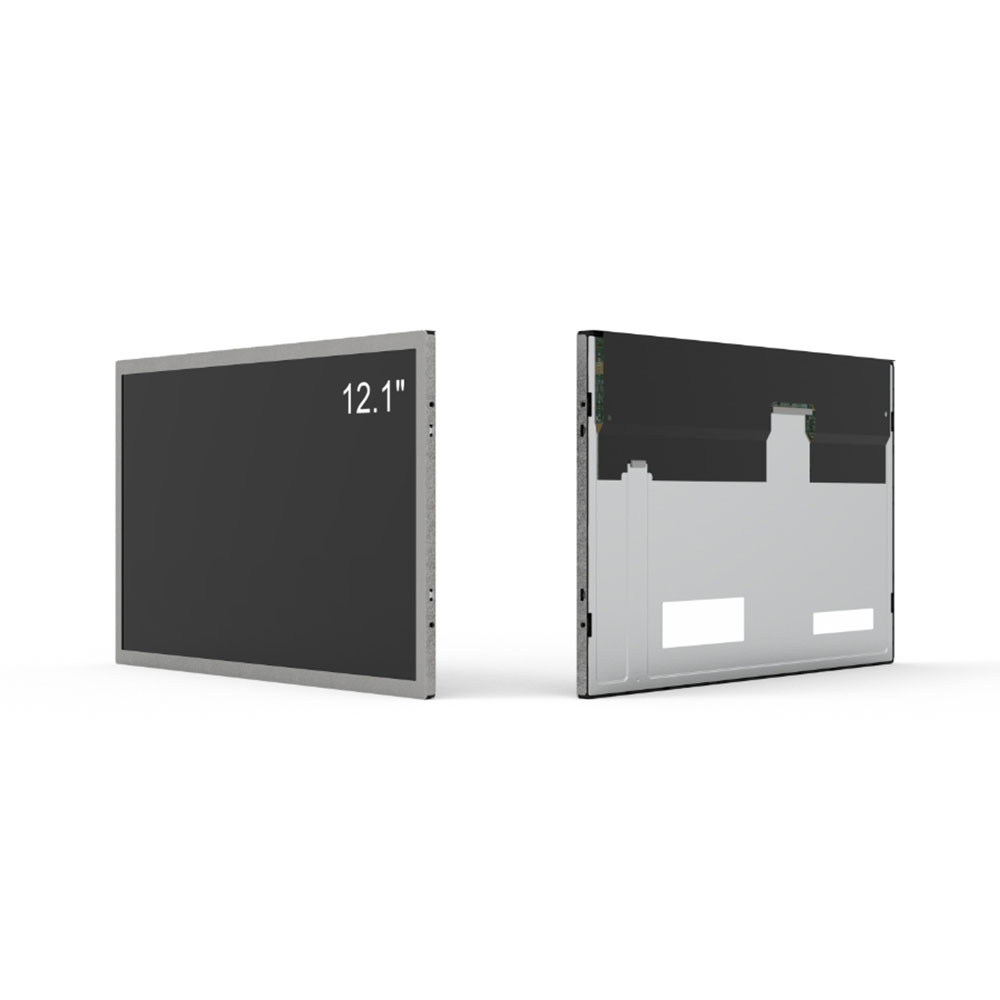
Finally, evaluate support and lifecycle management. Reputable manufacturers like Innolux, AU Optronics, or Samsung Display provide long-term supply guarantees (often 5–10 years), ensuring component availability during product life cycles. This minimizes risk of obsolescence—a major concern in industrial IoT deployments where equipment upgrades are infrequent.
By systematically addressing these criteria—environmental resilience, optical performance, mechanical robustness, power efficiency, and supplier stability—engineers and procurement teams can confidently select an LCD display that meets both current and future operational needs in demanding industrial environments.