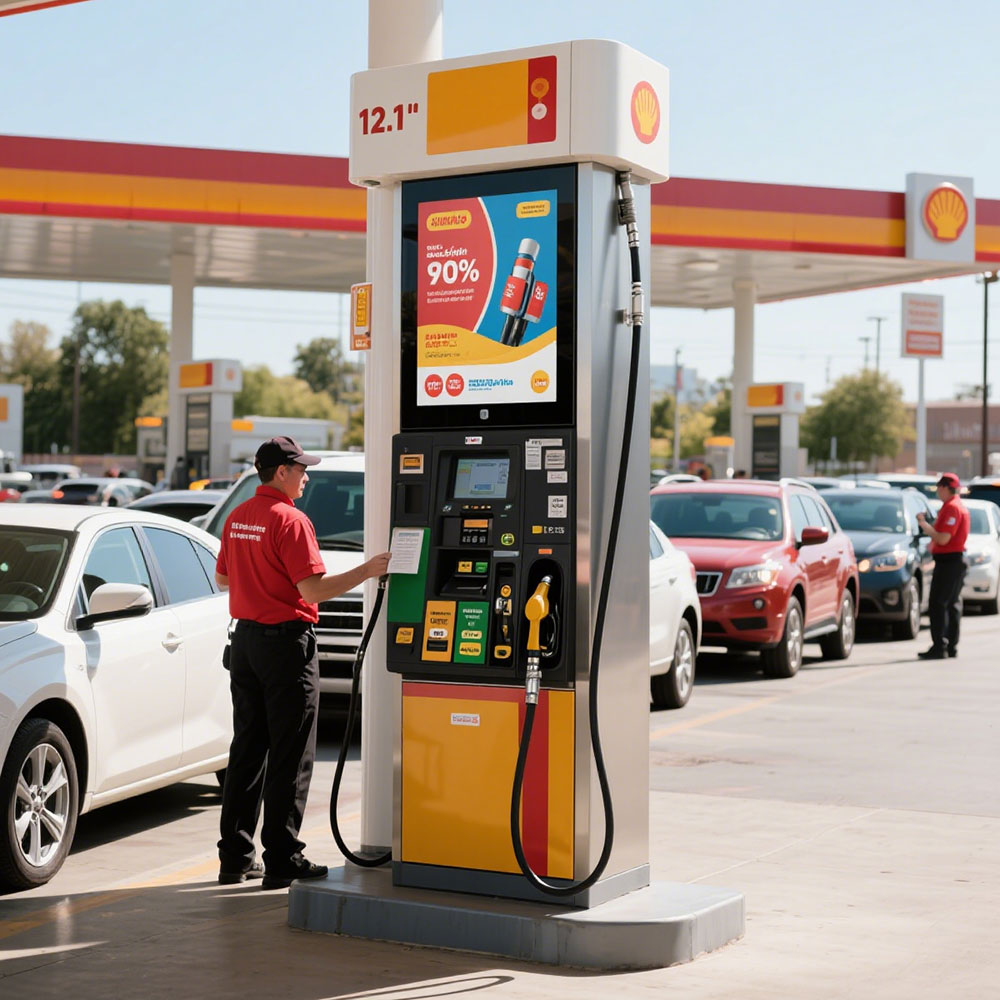
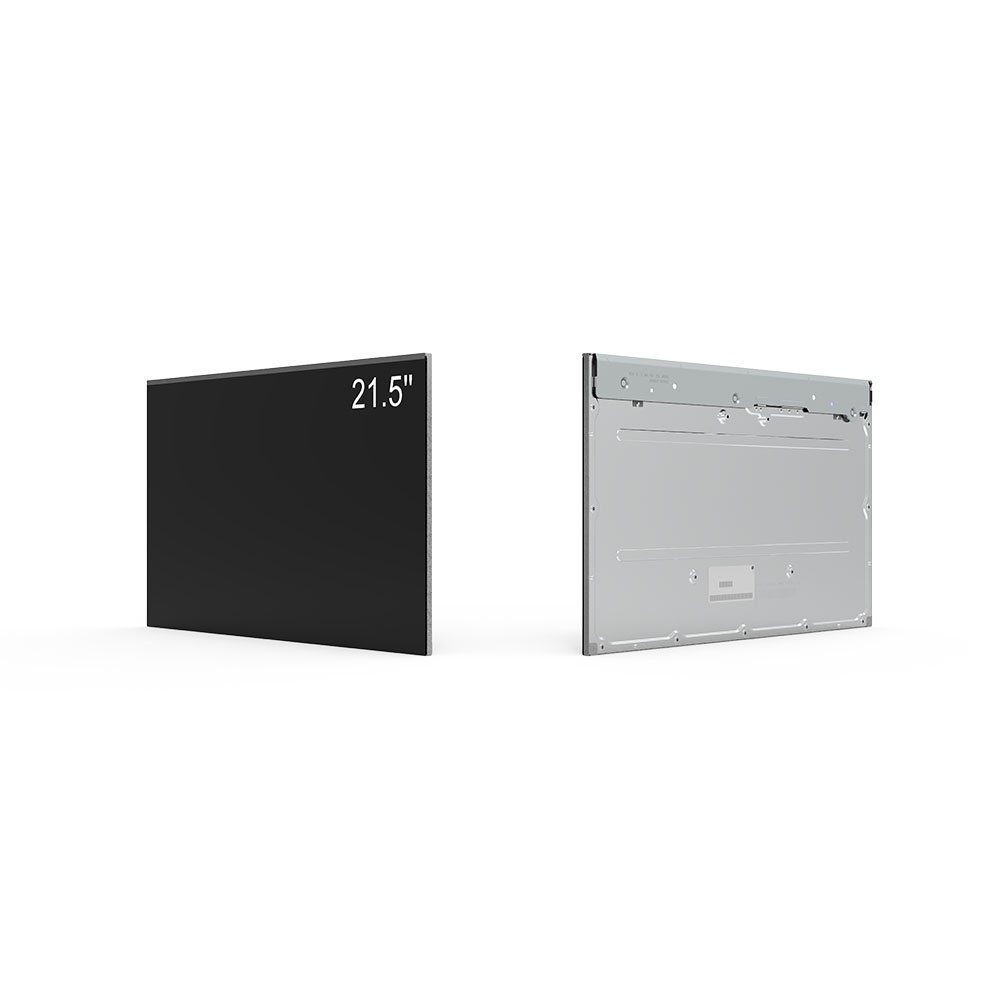
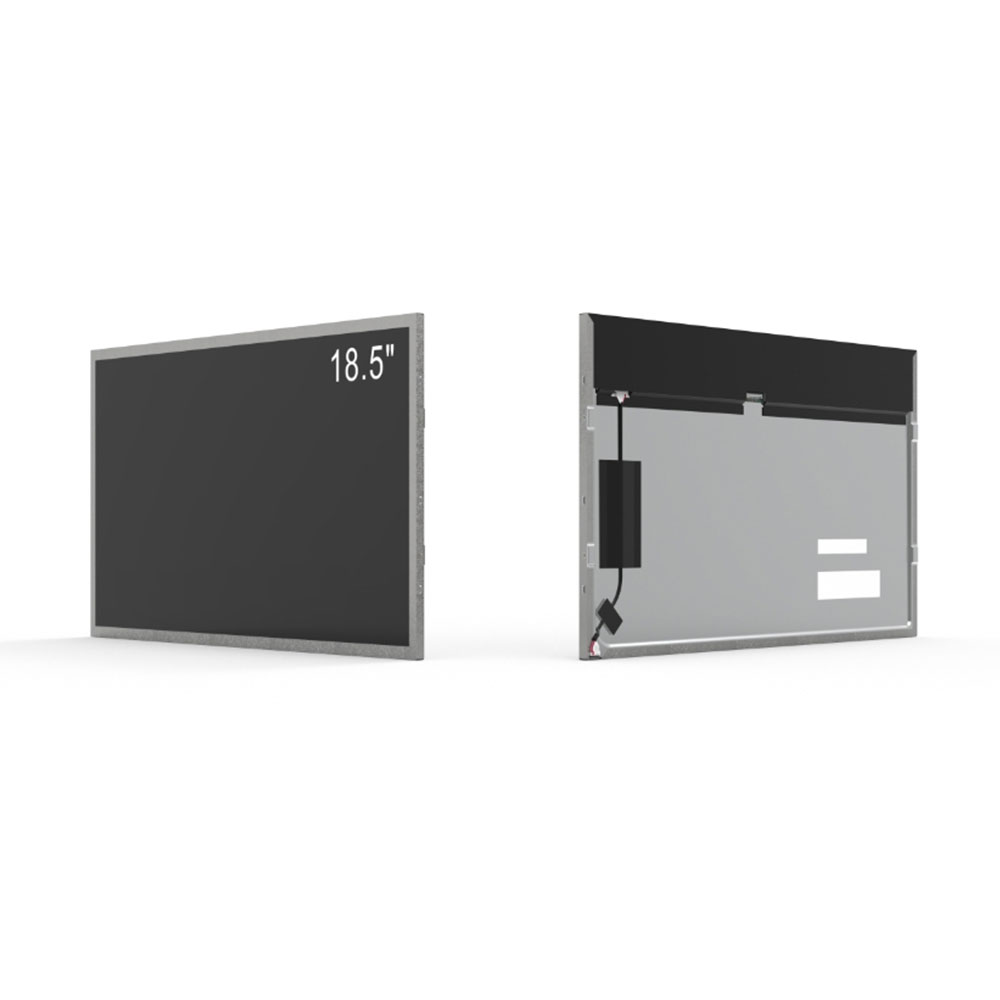
When selecting an LCD display for industrial equipment, overseas manufacturers and distributors must consider several critical factors beyond basic screen size and resolution. The first is environmental resilience—industrial environments often expose displays to extreme temperatures, humidity, dust, and vibration. According to IEC 60068 standards, a reliable industrial-grade LCD should withstand operating temperatures from -20°C to 70°C and meet IP65 or higher for dust and water resistance. For example, the LG Innotek LCM-350X series has been tested under MIL-STD-810G conditions, making it ideal for harsh factory floors.
Secondly, brightness and visibility are crucial. Displays used in outdoor or brightly lit settings need at least 2000 cd/m² peak brightness to remain legible under direct sunlight—a feature found in many modern LED-backlit industrial panels like those from AU Optronics. Contrast ratio matters too; a minimum of 1000:1 ensures clear text and image clarity even in low-light scenarios.
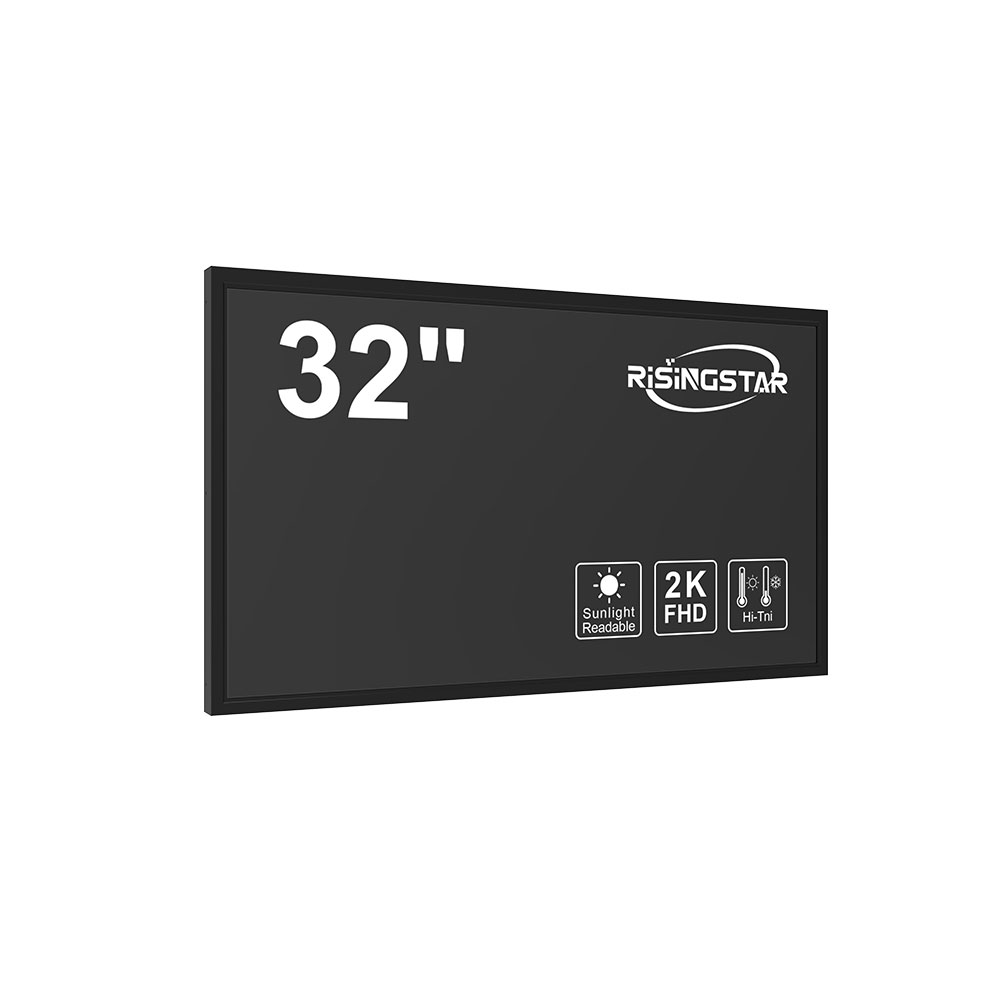
Third, longevity and reliability are non-negotiable. Industrial applications demand 50,000+ hours of MTBF (Mean Time Between Failures). Suppliers such as Sharp and Innolux offer OLED and TN/IPS panels with enhanced durability, backed by third-party testing reports from UL and CE certification bodies.
Finally, compatibility with existing control systems—such as CAN bus, RS-485, or Ethernet interfaces—is essential for seamless integration. Manufacturers should also prioritize modular design options that allow future upgrades without replacing entire units.
In summary, choosing the right LCD isn’t just about specs—it’s about understanding real-world performance, compliance with international standards, and long-term operational cost efficiency. By focusing on these criteria, global OEMs and distributors can ensure their industrial equipment remains competitive, reliable, and user-friendly across diverse markets.