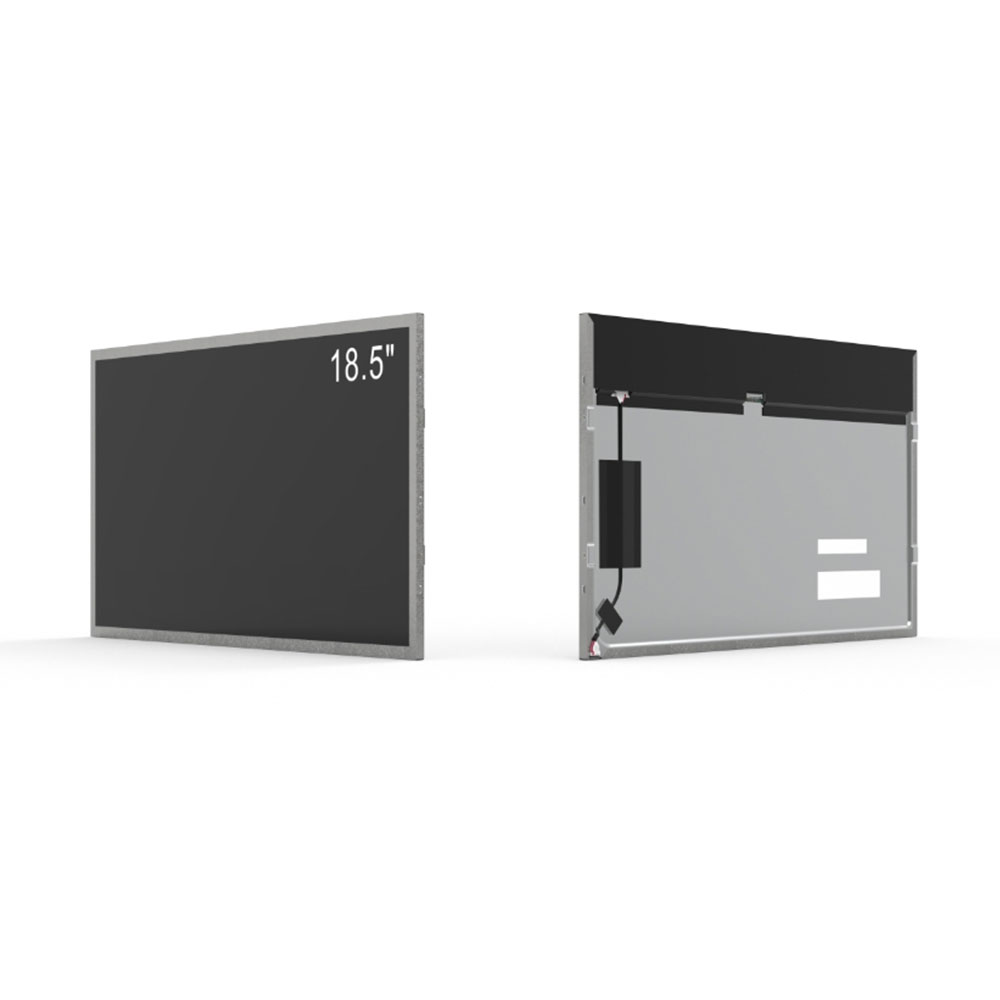
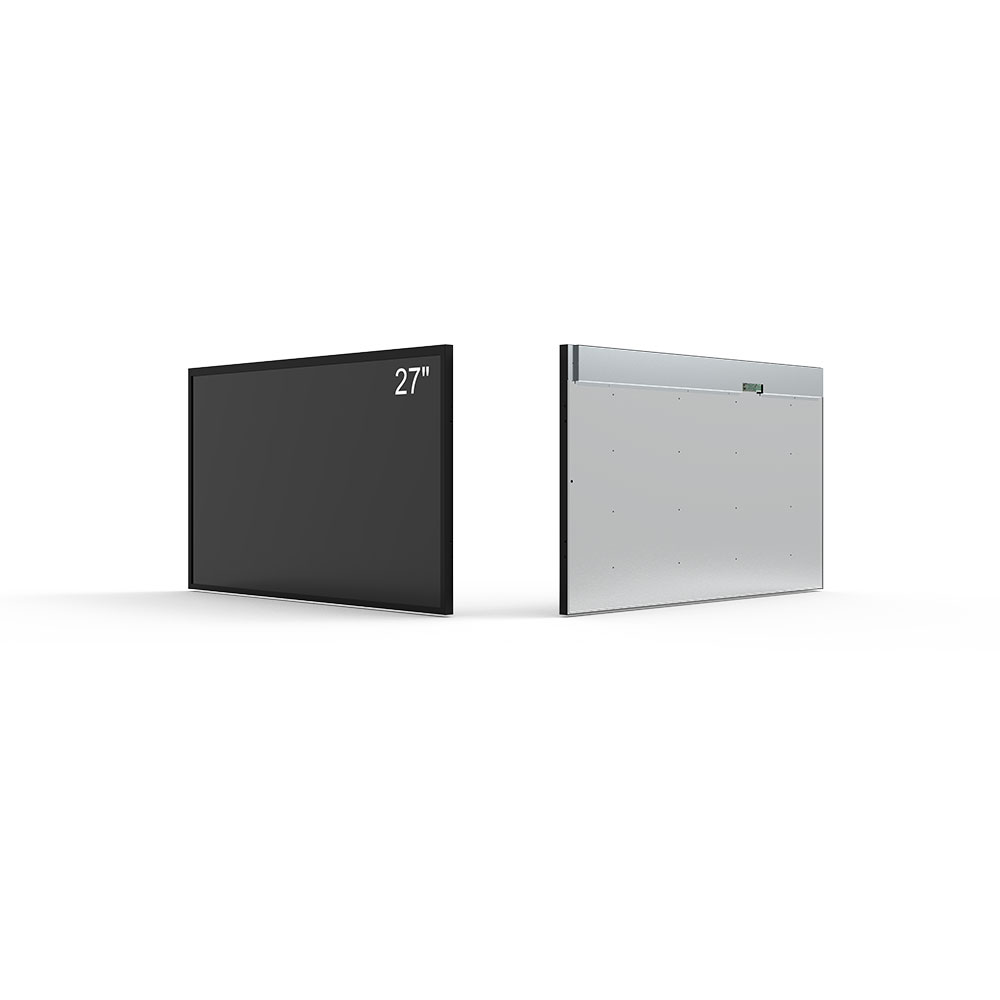
In the competitive landscape of modern electronics, optimizing LCD (Liquid Crystal Display) manufacturing efficiency is critical for both cost control and product quality. As demand for high-resolution, energy-efficient displays continues to rise—especially in smartphones, automotive infotainment systems, and industrial monitors—manufacturers must adopt rigorous testing protocols and intelligent quality control systems. According to a 2023 report by Statista, the global LCD market is projected to reach $68 billion by 2025, underscoring the need for precision and consistency in production.
One of the most impactful strategies involves implementing automated optical inspection (AOI) systems that use machine vision to detect defects such as pixel failures, color inconsistencies, and backlight uniformity issues. These systems reduce human error and increase throughput by up to 40%, as demonstrated in a case study by LG Display’s Seoul facility, where AOI integration led to a 30% reduction in defect rates within six months. Additionally, incorporating real-time data analytics from production lines allows manufacturers to identify bottlenecks and adjust parameters dynamically—such as temperature, humidity, and pressure during cell assembly—to ensure optimal alignment of liquid crystal molecules.
Environmental stress testing—including thermal cycling, humidity exposure, and vibration resistance—is another crucial step. The IEC 60068-2 standard provides internationally recognized guidelines for these tests, ensuring LCD panels meet reliability benchmarks across diverse operating conditions. For instance, automotive-grade LCDs must pass stringent tests under extreme temperatures (-40°C to +85°C) to maintain performance in harsh environments—a requirement increasingly adopted by Tier 1 suppliers like Bosch and Continental.
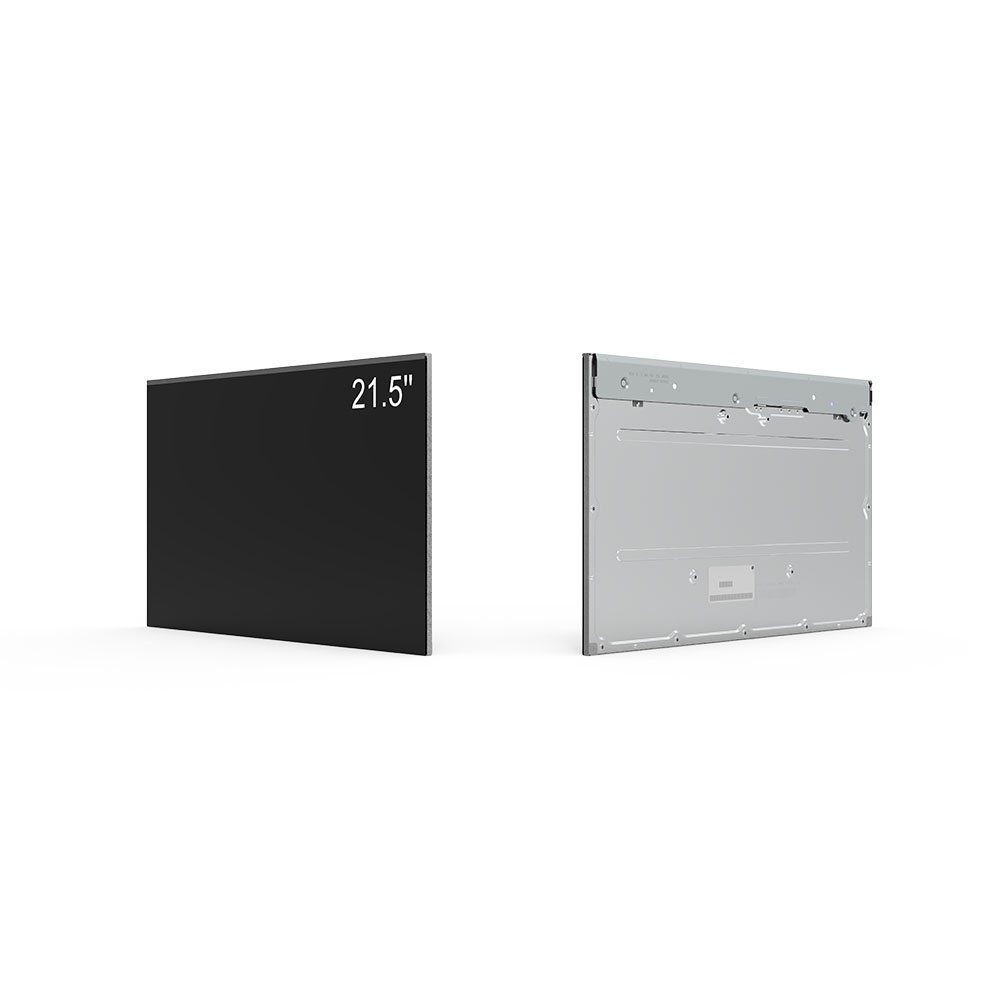
Moreover, predictive maintenance powered by IoT sensors and AI algorithms can prevent costly downtime. By monitoring equipment health metrics such as motor vibrations or power fluctuations, manufacturers can schedule repairs before failure occurs. This approach has been validated at Samsung Display’s Paju plant, where predictive maintenance reduced unplanned downtime by 25% while extending equipment lifespan by 15%.
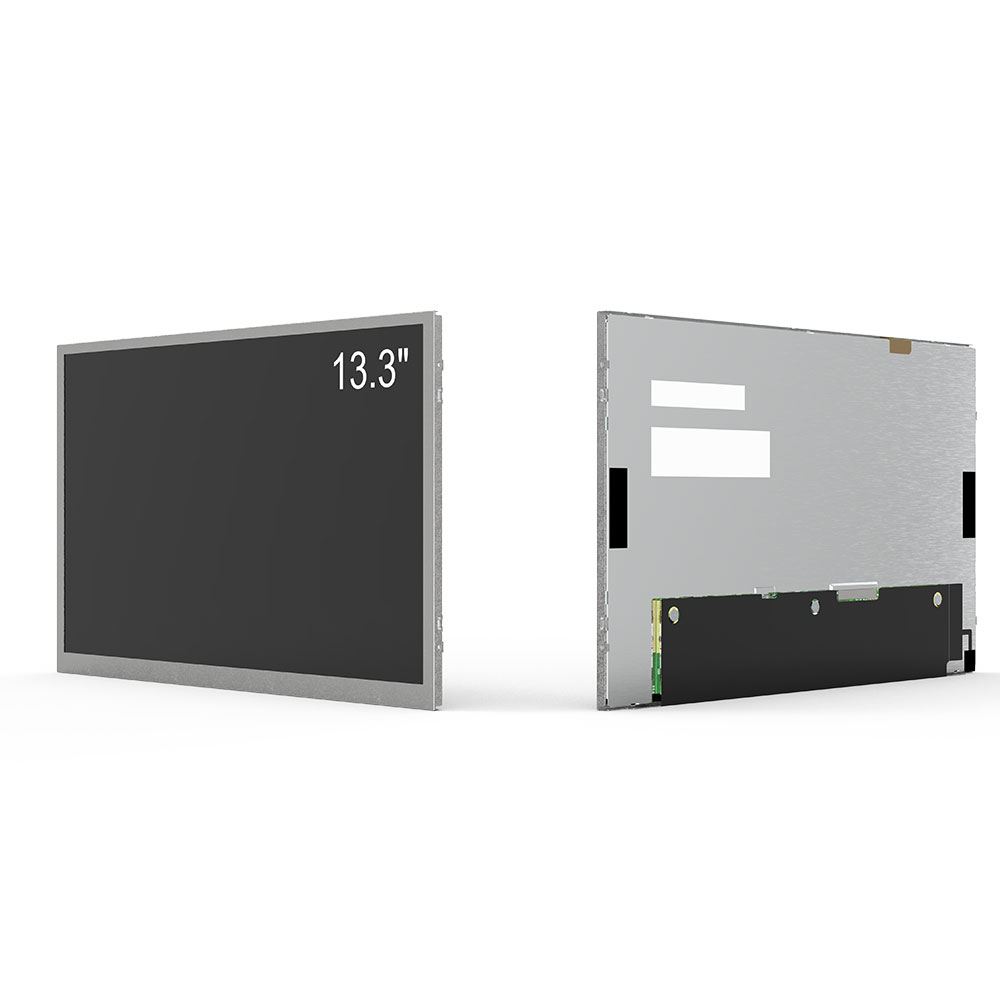
Ultimately, combining advanced testing methodologies, standardized environmental validation, and smart factory technologies transforms LCD manufacturing from a linear process into a responsive, data-driven system. Companies that embrace this integrated strategy not only improve yield rates but also enhance customer satisfaction through consistent, reliable products.