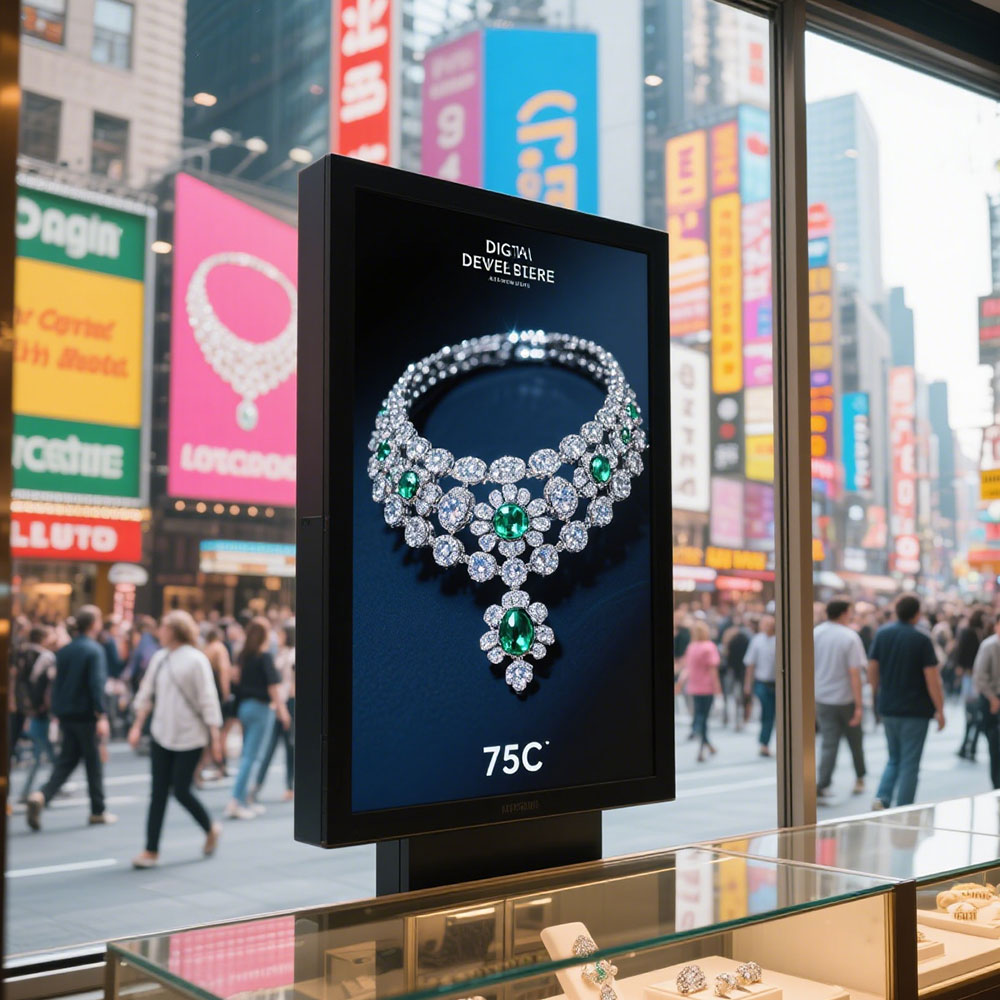
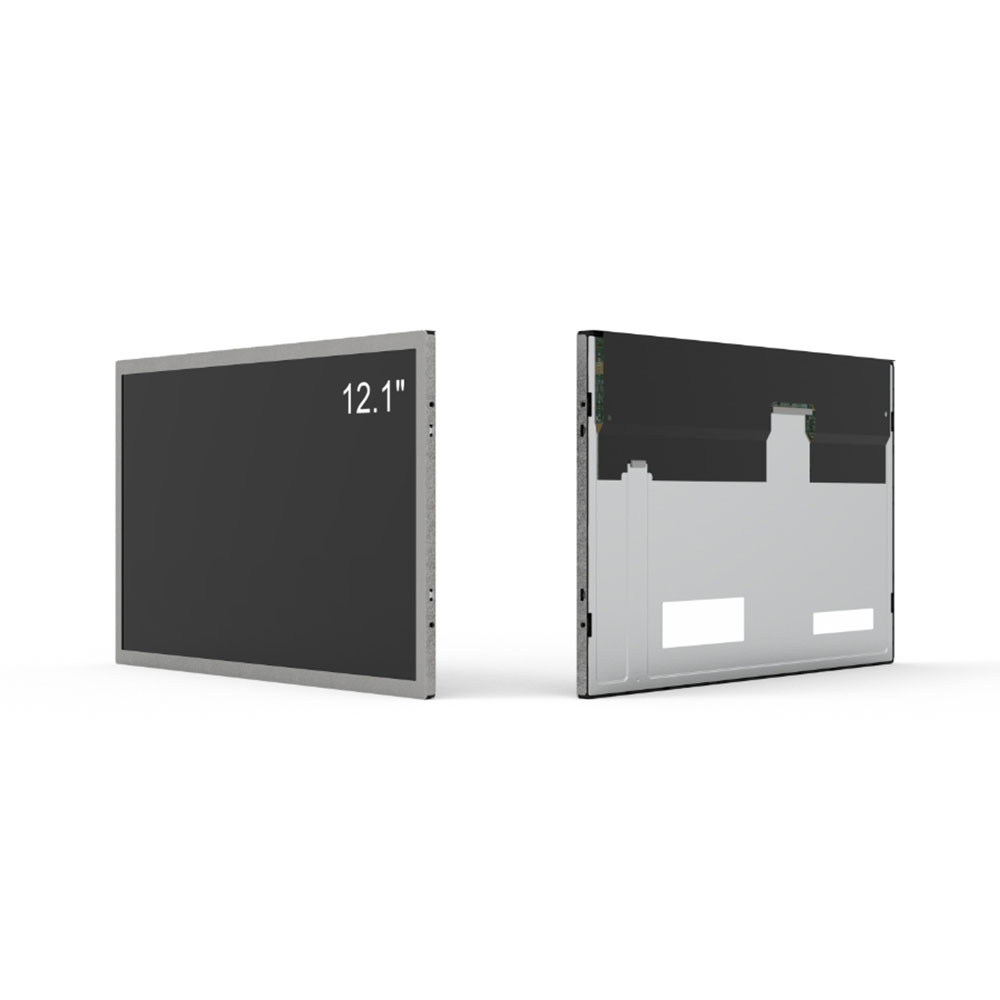
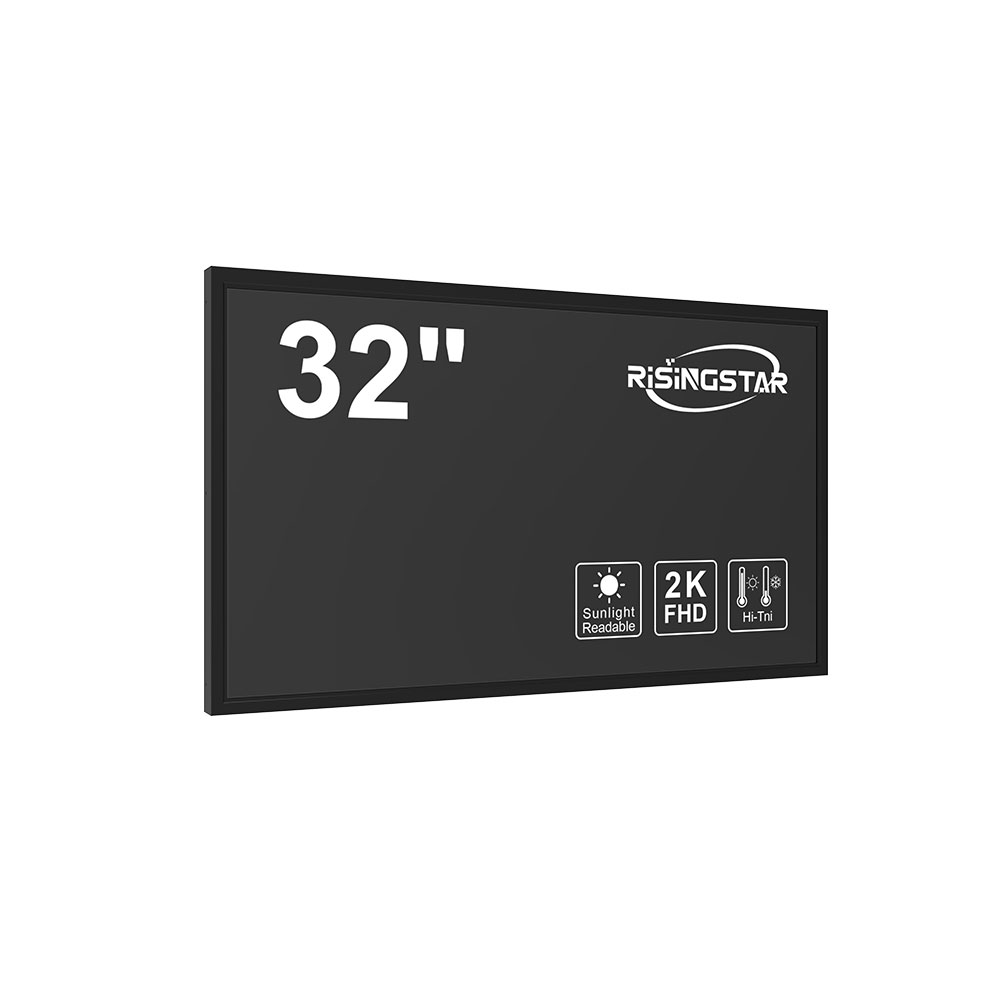
In modern industrial automation, outdoor signage, and harsh environmental monitoring systems, the reliability of display technology is paramount. Among the most critical specifications for such applications is the Ingress Protection (IP) rating—a standardized measure of a device’s resistance to dust and water. The IP66 rating, in particular, has become a benchmark for robustness in LCD displays used across diverse sectors including manufacturing, transportation, and agriculture.
An IP66-rated LCD display offers complete protection against dust (the "6" in IP66), meaning no ingress of dust is permitted—critical in environments like factories, mining operations, or construction sites where particulate contamination can damage internal electronics. Additionally, the "6" for water resistance indicates that the display can withstand powerful water jets from any direction, making it ideal for use in wet conditions such as outdoor advertising screens, marine equipment, or agricultural irrigation control panels.
Manufacturers such as LG, Sharp, and Samsung have developed industrial-grade LCD modules with IP66 certification, often incorporating sealed bezels, anti-reflective coatings, and reinforced glass substrates. These features ensure not only durability but also consistent image quality under challenging lighting conditions. For example, an IP66-rated 15.6-inch touch screen used in a solar farm monitoring system must maintain readability during heavy rain and resist dust accumulation over months of continuous operation—both of which are common in real-world deployments.
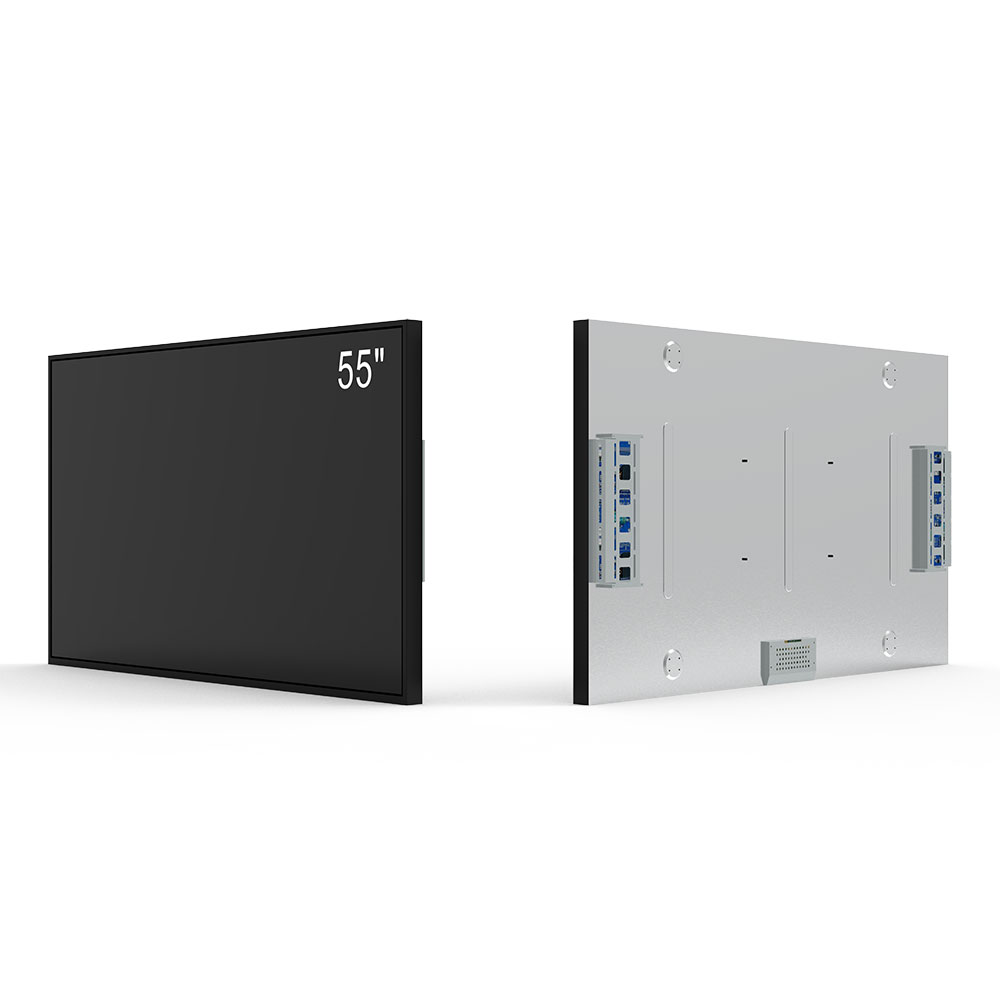
The IP66 standard aligns with IEC 60529, a globally recognized international standard for electrical enclosures. It is more stringent than IP65 (which only resists water jets at limited angles) and less demanding than IP67 (which requires immersion). This makes IP66 the optimal balance between cost-effectiveness and performance for many commercial and industrial users. According to a 2023 report by MarketsandMarkets, the global demand for ruggedized LCDs with IP66 or higher ratings grew at a CAGR of 7.8% between 2021–2023, driven largely by smart city initiatives and IoT-enabled infrastructure.
When selecting an IP66 waterproof LCD, engineers should also consider factors like operating temperature range (typically -20°C to 60°C), brightness levels (at least 1000 nits for sunlight visibility), and compliance with RoHS and CE certifications. Customer reviews from industrial integrators confirm that IP66 displays significantly reduce maintenance costs—reducing downtime due to moisture-related failures by up to 80% compared to non-rated alternatives.
Whether deployed in a food processing plant where washdowns occur regularly or on a remote weather station exposed to coastal humidity, IP66 waterproof LCDs deliver dependable performance where other displays fail. Their ability to combine high durability with clear visuals ensures they remain indispensable in today’s connected and resilient technological ecosystems.