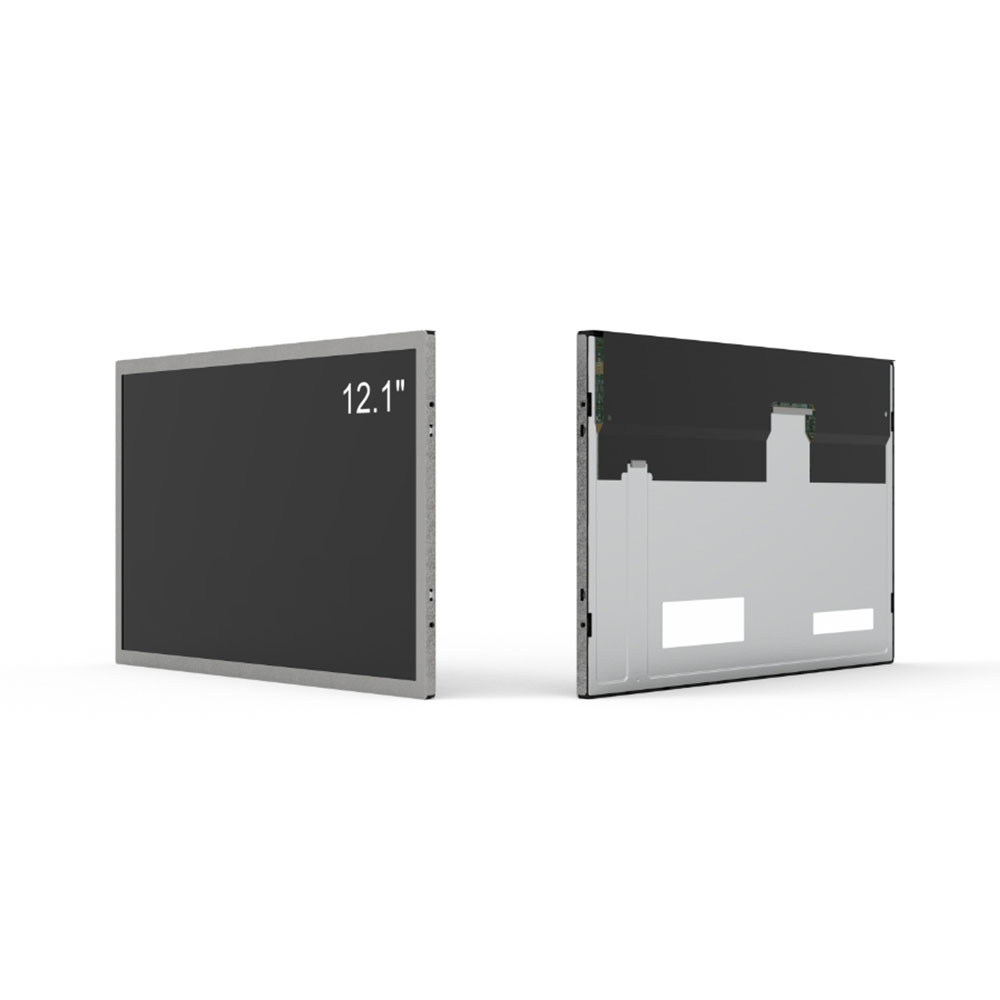
LCD (Liquid Crystal Display) technology remains a cornerstone in modern electronics, powering everything from smartphones and televisions to automotive dashboards and medical equipment. Unlike OLED displays that emit light, LCDs rely on a backlight and liquid crystal layers to control the passage of light through each pixel. This fundamental difference makes LCDs more energy-efficient for certain applications while offering superior brightness and longevity in many cases.
The main body of this article explores how LCDs function, their advantages over other display technologies, and their growing relevance in diverse industries. At the heart of an LCD is a layer of liquid crystals sandwiched between two polarized glass panels. When electric current is applied, the crystals twist to either block or allow light from the backlight to pass through color filters—red, green, and blue—which combine to form images. This process, known as active matrix addressing using TFT (Thin-Film Transistor) technology, enables precise control of individual pixels, leading to sharp and consistent image quality.
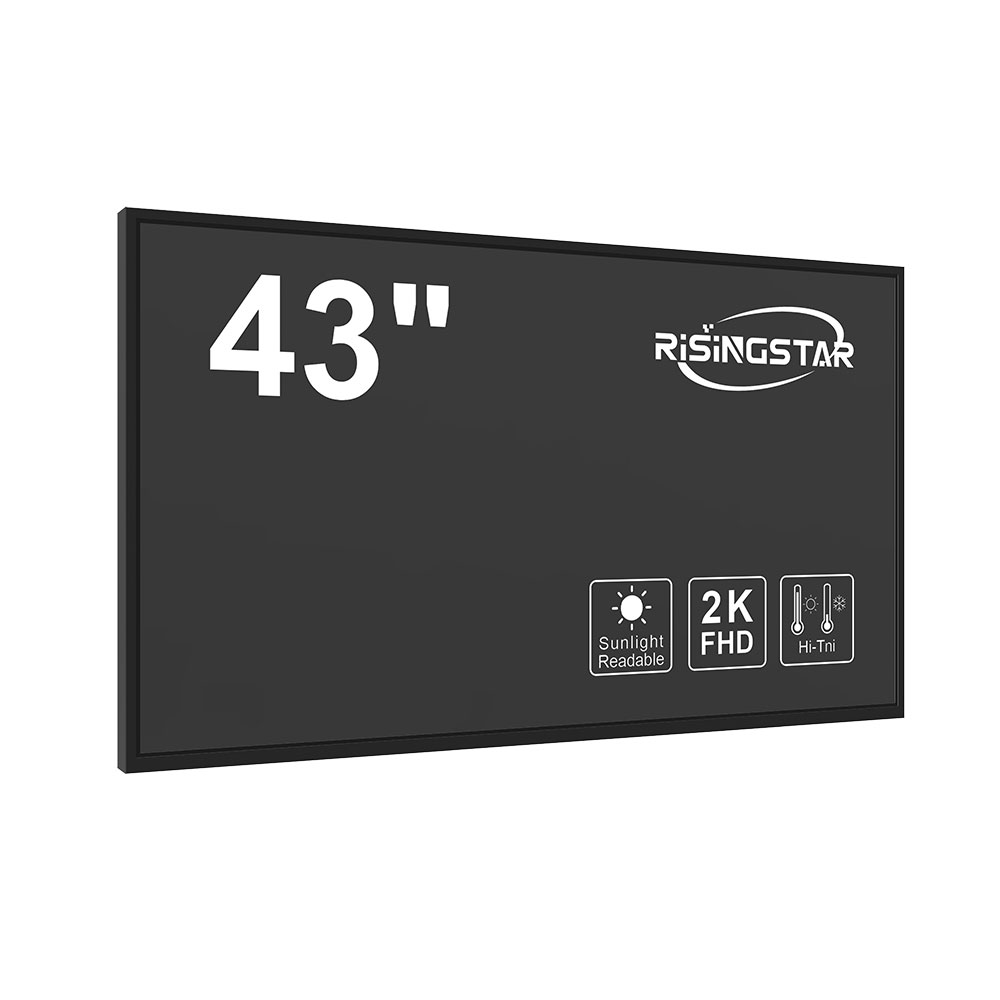
One major advantage of LCDs is their low power consumption compared to older CRT displays, especially when displaying static content like menus or text. They are also more durable under prolonged use, making them ideal for industrial environments. Recent advancements such as IPS (In-Plane Switching) and VA (Vertical Alignment) panels have significantly improved viewing angles and contrast ratios, narrowing the gap with OLEDs. For example, LG’s IPS panels used in professional monitors offer 178° viewing angles and accurate color reproduction—critical for graphic designers and medical imaging specialists.
Moreover, LCDs dominate the budget and mid-range market due to their cost-effective manufacturing processes. According to a 2023 report by Statista, over 65% of global TV shipments still utilize LCD technology, underscoring its economic viability. Environmental considerations also favor LCDs; they contain no toxic materials like lead or mercury found in some older displays and are easier to recycle under ISO 14001 standards.
Despite competition from OLED and microLED, LCDs continue to evolve with innovations like Mini-LED backlights that enhance local dimming and dynamic range. In the automotive sector, companies like BMW and Tesla integrate LCD-based instrument clusters and infotainment systems because of their reliability and resistance to temperature fluctuations—a critical factor in vehicle-grade components.
In conclusion, LCD technology is far from obsolete. It represents a mature, adaptable, and scalable solution for a wide array of applications—from consumer electronics to aerospace. As manufacturers invest in edge-to-edge designs, higher refresh rates, and better energy efficiency, LCDs will remain a dominant force in display innovation well into the next decade.